Elegance Formula Mix
Lathyrus odoratus
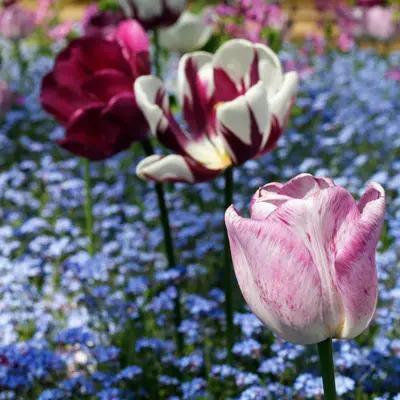
First and most abundant to bloom in our trials. Developed for flowering under short days, low light conditions, and in cool greenhouses. Also produces abundant flowers in the long days of early summer. Suitable for spring or midwinter production. Long stems bear 3-5 blooms in seven shades of red, four shades of pink, two shades of purple, as well as blue and white. Formerly called Winter Elegance. Can be spelled either as sweet pea or sweetpea. Attracts hummingbirds.
Harvest
75-85d
Days to harvest
Sun
Full sun
Zones
2–11
USDA hardiness
Height
3-8 feet
Planting Timeline
Showing dates for Elegance Formula Mix in USDA Zone 7
All Zone 7 flower →Zone Map
Click a state to update dates
Elegance Formula Mix · Zones 2–11
Growing Details
Succession Planting
Soak seeds overnight before sowing — it softens the hard seed coat and trims a day or two off the 7-14 day germination window. Start indoors in February or early March at 55-65°F, then transplant outside in April once nights hold above 40°F. You can direct sow through early May in zone 7, but don't push it past that. Sweet peas stall and drop buds once daytime highs lock in at 85-90°F, and they won't rebound when temperatures ease — the plant is essentially done. One planting per season is the realistic plan here; the whole game is getting them established early enough to squeeze out 4-6 weeks of bloom before summer closes the window.
Complete Growing Guide
Sow Elegance Formula Mix seeds indoors 6-8 weeks before your last spring frost for early summer blooms, or direct sow outdoors 4-6 weeks before the last frost date in spring. For midwinter and early spring production—where this variety truly excels—sow seeds in late summer or early fall, timing your planting so seedlings establish before shorter days arrive. The variety's exceptional performance under low-light, cool greenhouse conditions makes fall sowing ideal for winter flowering. You can also direct sow in prepared garden beds, but indoor starts give better control over timing and germination rates.
Prepare soil rich in organic matter with excellent drainage, as sweet peas despise waterlogged conditions. Space plants 4-6 inches apart to allow air circulation, which helps prevent fungal issues in the cool, moist conditions this variety prefers. Sow seeds ¾ inch deep and keep soil consistently moist until germination occurs in 10-14 days. Since Elegance Formula Mix naturally reaches 3 to 8 feet tall depending on growing conditions and support structures, plan your spacing with mature height in mind.
Water deeply and regularly throughout the season, providing approximately 1-1.5 inches weekly depending on rainfall and temperature. In cool greenhouse conditions, reduce frequency slightly to avoid oversaturation. Feed every two weeks with a balanced, water-soluble fertilizer once plants reach 6 inches tall, shifting to a lower-nitrogen formula once flowering begins to encourage continued blooming rather than excessive foliage. Elegance Formula Mix will flower abundantly for the full 75-day harvest window with consistent feeding.
This cultivar shows remarkable resistance to powdery mildew, a common sweet pea scourge, particularly when grown in the cool conditions for which it was developed. However, watch for spider mites during warm spells and gray mold in excessively humid conditions. Ensure adequate air circulation around plants, especially in greenhouse settings, and remove any diseased foliage promptly.
Provide sturdy trellising or netting for support, as these plants will climb eagerly to their full height. Pinch out growing tips when plants reach 6 inches to encourage branching and fuller plants with more flowering stems. Deadhead spent blooms religiously every 2-3 days to extend the flowering season through the full 75-day period. For continuous harvests, consider succession planting every 2-3 weeks through late summer for staggered winter and spring production.
The critical mistake most gardeners make with Elegance Formula Mix is underestimating its preference for cool conditions and inadequate light supplementation indoors. While it tolerates low light better than other sweet pea varieties, providing at least 12-14 hours of bright light daily—whether from greenhouse benches or grow lights—dramatically improves stem length and bloom production. Don't expect the same performance from warm windowsills that this variety delivers in cool conditions.
Harvesting
Elegance Formula Mix reaches harvest at 75 - 85 days from sowing per Johnny's Selected Seeds. As an annual, harvest continues until frost ends the season.
Type: Legume.
Edibility: Sweet pea fruits are inedible and poisonous to humans.
Storage & Preservation
Fresh cut stems last 10-14 days in a cool room (65-70°F) away from ripening fruit and direct sun. Recut stems under cool water and change water every 2-3 days. Remove lower leaves to prevent bacterial rot. For longer enjoyment, dry flowers by hanging stems upside-down in a cool, dark, well-ventilated space for 2-3 weeks; dried sweet peas retain color beautifully and last indefinitely.
Press flowers between parchment paper and a heavy book over 2-4 weeks for use in crafts or cards. Freezing is not recommended as sweet peas are ornamental and lose their delicate texture when thawed. Store dried arrangements in airtight containers in a cool location away from moisture and direct light.
History & Origin
Elegance Formula Mix is open-pollinated, meaning seed saved from healthy plants will produce true-to-type offspring. Listed in the Johnny's Selected Seeds catalog.
Origin: Southern Italy, Sicily, Crete
Advantages
- +First to bloom abundantly in trials, ensuring reliable early season color
- +Thrives in cool greenhouses and low light, perfect for winter production
- +Long stems with 3-5 blooms per stem maximize cutting yield and arrangements
- +Available in seven vibrant red, pink, and purple shades plus blue-white
- +Attracts hummingbirds, adding wildlife interest to garden or greenhouse space
Considerations
- -75-85 day timeline requires patience before seeing substantial flowering returns
- -Sweet pea seeds need scarification or soaking, increasing preparation labor required
- -Susceptible to powdery mildew in humid conditions without proper air circulation
- -Requires trellising or support structure, adding installation time and material costs
Companion Plants
Cosmos and Zinnias are good neighbors because they pull hoverflies and parasitic wasps into the bed without competing hard for root space or the 1-2 inches of weekly water sweet peas need. French Marigold (Tagetes patula) placed at the row ends draws aphid pressure away from the vines — more useful here than any vague "repellent" claim. Sweet Alyssum tucked at the base does the same predator work in less than 6 inches of space. In our zone 7 Georgia garden, keep Sunflowers at least 10-15 feet away — they release allelopathic compounds that stunt sensitive plants like Lathyrus odoratus noticeably within a few weeks.
Plant Together
Cosmos
Attracts beneficial predatory insects and provides complementary colors
Zinnia
Attracts butterflies and beneficial insects while providing pest control
Parsley
Attracts beneficial wasps and hoverflies that prey on garden pests
Marigolds
Repel aphids, whiteflies, and nematodes while attracting beneficial insects
Sweet Alyssum
Attracts beneficial insects like lacewings and hoverflies that control pests
Nasturtiums
Act as trap crops for aphids and cucumber beetles, drawing pests away
Lavender
Repels moths, fleas, and flies while attracting pollinators
Basil
Repels thrips, aphids, and spider mites with its aromatic oils
Keep Apart
Black Walnut
Produces juglone toxin that inhibits growth and can kill sensitive flowers
Eucalyptus
Releases allelopathic compounds that suppress nearby plant growth
Sunflowers
May release growth-inhibiting chemicals and compete aggressively for nutrients
Pests & Disease Resistance
Common Pests
Aphids, spider mites, thrips
Diseases
Powdery mildew, root rot in poorly drained soil
Troubleshooting Elegance Formula Mix
What you'll see, why it happens, and what to do about it.
White powdery coating on leaves and stems, usually showing up once temperatures climb past 80°F
Likely Causes
- Powdery mildew (Erysiphe polygoni) — a fungal infection that thrives in warm, humid air with poor airflow
- Plants spaced too tight, blocking air circulation between vines
What to Do
- 1.Strip and trash (don't compost) the worst-affected leaves immediately
- 2.Spray with a diluted baking soda solution (1 tablespoon per gallon of water) every 7 days as a stopgap
- 3.Next season, keep plants to 6-inch spacing on the trellis and don't let vines mat together
Plant wilting and yellowing from the base up, even when soil moisture seems fine — roots look brown and mushy if you pull one
Likely Causes
- Root rot caused by Pythium or Fusarium — both soil-borne pathogens that take hold in waterlogged conditions
- Bed lacking adequate drainage, especially in heavy clay soil
What to Do
- 1.Pull and discard affected plants — there's no saving a plant with rotted roots
- 2.Before replanting, work 3-4 inches of compost into the bed, or build a raised bed to get 6+ inches of drainage depth
- 3.Water at the base, not overhead, and let the top inch of soil dry between waterings
Curled, sticky leaves with clusters of small soft-bodied insects on new growth and flower buds
Likely Causes
- Aphid infestation (commonly green peach aphid, Myzus persicae) — they prefer tender new tissue and reproduce fast in warm weather
- Absence of natural predators like ladybugs and parasitic wasps, often from over-use of broad-spectrum sprays nearby
What to Do
- 1.Knock aphids off with a firm spray of water from the hose — do this in the morning so foliage dries by evening
- 2.If populations persist after 3-4 days, apply insecticidal soap directly to colonies, coating the undersides of leaves
- 3.Plant Sweet Alyssum or Parsley in the same bed to draw in parasitic wasps that keep populations in check over time
Frequently Asked Questions
How long does Elegance Formula Mix sweet pea take to bloom?▼
Can you grow Elegance Formula Mix in containers?▼
When should I plant Elegance Formula Mix sweet pea?▼
Is Elegance Formula Mix good for beginners?▼
What makes Elegance Formula Mix different from other sweet pea varieties?▼
How do you deadhead Elegance Formula Mix to keep flowers blooming longer?▼
Zone-by-Zone Planting Calendar
| Zone | Indoor Start | Transplant | Direct Sow | Harvest |
|---|---|---|---|---|
| Zone 1 | May – June | July – August | July – September | — |
| Zone 2 | April – May | June – July | June – August | — |
| Zone 11 | January – January | January – February | January – March | — |
| Zone 12 | January – January | January – February | January – March | — |
| Zone 13 | January – January | January – February | January – March | — |
| Zone 3 | April – May | June – July | June – August | — |
| Zone 4 | March – April | June – June | June – July | — |
| Zone 5 | March – April | May – June | May – July | — |
| Zone 6 | March – April | May – June | May – July | — |
| Zone 7 | February – March | April – May | April – June | — |
| Zone 8 | February – March | April – May | April – June | — |
| Zone 9 | January – February | March – April | March – May | — |
| Zone 10 | January – January | February – March | February – April | — |
Growing Guides from Wind River Greens
Sources & References
External authority sources used in compiling this guide.
- BreederJohnny's Selected Seeds
See the Methodology page for how this data is sourced, what's AI-assisted, and known limitations.