Old Times
Lathyrus odoratus
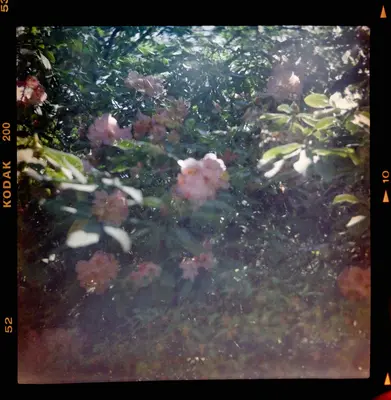
From the Spencer series. Dreamy, cream-colored blooms with lavender-blue blush and veins. Plants produce 3-4, slightly ruffled blooms per 9-12" stem. Highly fragrant. NOTE: Spencer series sweet peas are known as late-flowering because they require at least 12 hours of daylight, unlike more modern sweet pea varieties bred for winter production, which may require only 10-11 hours of daylight. Attracts hummingbirds.
Harvest
75-85d
Days to harvest
Sun
Full sun
Zones
2–11
USDA hardiness
Height
3-8 feet
Planting Timeline
Showing dates for Old Times in USDA Zone 7
All Zone 7 flower →Zone Map
Click a state to update dates
Old Times · Zones 2–11
Growing Details
Succession Planting
Sweet peas stop producing once they set seed and once temperatures push consistently above 80°F, so staggered sowing is worth doing. In zone 7, start seeds indoors in February, then direct sow outdoors every 3 weeks from April through early June — but stop once your daytime highs are regularly at 80°F, because germination stalls and any plants that do establish will bolt to seed within weeks. Nick the seed coat or soak seeds overnight before sowing; germination still runs 7-14 days even under good conditions, but you'll lose fewer to slow starts.
If you're in a cooler zone (4-5), you can push direct sowing a few weeks later and get a longer productive window before heat shuts things down. In zones 9-11, treat sweet peas as a cool-season crop entirely — sow in fall for winter and early spring bloom, because summer is simply not workable for them.
Complete Growing Guide
Old Times sweet peas thrive when started indoors in late winter, roughly six to eight weeks before your last spring frost date. You can also direct sow seeds outdoors about two weeks before the last frost, as these hardy annuals tolerate cool soil and actually prefer it for germination. Soak seeds overnight in room-temperature water to improve sprouting rates, then sow them half an inch deep. If starting indoors, use individual pots to minimize transplant shock, since sweet peas develop delicate root systems. Transplant seedlings outdoors once they've developed two or three true leaves and soil temperatures have warmed slightly.
Prepare your planting site with well-draining soil enriched with compost or aged manure, as Old Times performs best in fertile conditions. Space plants twelve inches apart in full sun—this variety absolutely demands at least six to eight hours of direct sunlight daily, ideally more. When you plant, install sturdy trellising or support structures immediately, as these vigorous vines will eventually reach three to eight feet tall depending on growing conditions.
Water consistently throughout the season, aiming for one to one-and-a-half inches per week through rainfall or irrigation. Keep soil evenly moist but never waterlogged, especially during the hot months when powdery mildew becomes more prevalent. Feed with a balanced, moderate-nitrogen fertilizer every three to four weeks once plants begin flowering, or use a light application of fish emulsion. Avoid over-fertilizing, which encourages foliage at the expense of blooms.
Old Times inherits certain vulnerabilities from its Spencer parentage. Watch carefully for thrips, which can damage the delicate petals and reduce the ruffled texture these flowers are prized for. Spider mites also tend to congregate on sweet peas during dry spells, making consistent watering both a nutritional and pest-management strategy. Powdery mildew appears frequently on Spencer varieties in humid conditions, so ensure good air circulation around plants and avoid overhead watering.
Pruning is essential for maximizing the 3-4 blooms per stem that Old Times produces. Pinch out growing tips when plants reach six inches tall to encourage bushier growth and more flowering stems. Deadhead spent flowers religiously—this is non-negotiable for extending your harvest period through the 75-day season. Succession planting every two to three weeks from early spring through late spring will provide continuous blooms rather than one heavy flush.
The critical detail most gardeners miss with Old Times is recognizing it as a late-flowering Spencer variety that requires at least twelve hours of daylight to flower reliably. Plant these in early spring to take advantage of lengthening days, and don't expect blooms in short-day seasons. Modern sweet pea varieties bred for winter production will perform differently, so resist the temptation to treat Old Times as an all-season flower.
Harvesting
Old Times reaches harvest at 75 - 85 days from sowing per Johnny's Selected Seeds. Expect 9-12" at peak. As an annual, harvest continues until frost ends the season.
Type: Legume.
Edibility: Sweet pea fruits are inedible and poisonous to humans.
Storage & Preservation
Cut "Old Times" sweet pea stems in the early morning when flowers are fully open but still firm. Place immediately in cool water at room temperature (65-70°F) away from direct sunlight and ripening fruit. Sweet peas are sensitive to ethylene gas, so keep them away from bananas, apples, and other ethylene producers. Stems will last 5-7 days in a vase. For longer preservation, refrigerate at 35-40°F in a deep water source. Dry flowers by hanging bundles upside-down in a warm, dark, well-ventilated space for 2-3 weeks to create long-lasting decorative arrangements. Alternatively, press individual blooms between parchment paper under weight for floral crafts.
History & Origin
Old Times is open-pollinated, meaning seed saved from healthy plants will produce true-to-type offspring. Listed in the Johnny's Selected Seeds catalog.
Origin: Southern Italy, Sicily, Crete
Advantages
- +Dreamy cream and lavender-blue coloring creates sophisticated, romantic garden displays.
- +Produces 3-4 blooms per stem, offering excellent cut flower arrangements and bouquets.
- +Highly fragrant flowers attract hummingbirds and pollinators to your garden.
- +Spencer series genetics ensure long stems and slightly ruffled, ornamental petals.
- +Easy difficulty rating makes this variety accessible for beginner gardeners.
Considerations
- -Requires 12+ hours of daylight, limiting spring and fall growing seasons.
- -75-85 day maturity means late harvest compared to modern early-flowering varieties.
- -Spencer series requires cooler temperatures; struggles in hot, humid summer climates.
Companion Plants
Marigolds (especially Tagetes patula) are worth planting at the base of your sweet pea trellis — their root secretions deter nematodes, and the open flowers pull in hoverflies that prey on aphid colonies. Nasturtiums work as a trap crop: aphids will pile onto them first, giving you a visible early-warning system and a sacrificial buffer before they reach your sweet peas. Chives and catmint stay short enough that they won't shade out plants that need 6+ hours of sun, and both emit volatile compounds that seem to reduce aphid and thrips pressure in the immediate area. Sweet alyssum draws parasitic wasps — specifically Braconidae and Chalcididae families — that parasitize aphids directly.
Black walnut is the one to keep well away. Juglone, the allelopathic compound Juglans nigra produces, leaches through the soil and damages sweet pea roots even when the tree itself is 50 or more feet off. Fennel is allelopathic to most annuals and does poorly as a neighbor regardless of what you're growing beside it — give it its own isolated bed and leave it there.
Plant Together
Marigolds
Repel aphids, whiteflies, and nematodes while attracting beneficial insects
Lavender
Deters pests with strong fragrance and attracts pollinators
Nasturtiums
Act as trap crops for aphids and cucumber beetles
Sweet Alyssum
Attracts beneficial insects like hover flies and parasitic wasps
Cosmos
Attracts beneficial insects and provides complementary colors
Zinnia
Attracts butterflies and beneficial predatory insects
Catmint
Repels ants, aphids, and rodents while attracting pollinators
Chives
Repel aphids and other soft-bodied insects with sulfur compounds
Keep Apart
Black Walnut
Produces juglone toxin that inhibits growth of many flowering plants
Eucalyptus
Allelopathic compounds in leaves suppress growth of nearby plants
Fennel
Inhibits growth of most garden plants through allelopathic root secretions
Pests & Disease Resistance
Common Pests
Aphids, spider mites, thrips, slugs
Diseases
Powdery mildew, root rot, fusarium wilt
Troubleshooting Old Times
What you'll see, why it happens, and what to do about it.
Sticky, distorted new growth and flower buds, often with clusters of small green or black insects
Likely Causes
- Aphid infestation — they congregate on soft new tissue and suck sap, causing curling and stunting
- Ants farming aphids — if you see ant trails on the stem, they're protecting the colony
What to Do
- 1.Blast them off with a firm stream of water from a hose; repeat every 2-3 days until the population drops
- 2.Spray with insecticidal soap, coating the undersides of leaves where aphids hide
- 3.Cut back any heavily infested growing tips and dispose of them — don't compost
White powdery coating on leaves and stems, usually appearing after the plant has been growing 6+ weeks
Likely Causes
- Powdery mildew (Erysiphe polygoni or related species) — spreads in warm days and cool nights with poor airflow
- Crowded planting at less than 6 inches apart that traps humidity around the foliage
What to Do
- 1.Strip and trash affected leaves; don't compost them
- 2.Spray with a diluted solution of 1 tablespoon baking soda per gallon of water, or use a sulfur-based fungicide
- 3.Thin plants to at least 6-8 inches apart and remove any crossing stems to open up airflow
Sudden wilting of an entire stem or plant even when the soil is moist, often with browning at the base of the stem
Likely Causes
- Fusarium wilt (Fusarium oxysporum) — a soil-borne fungus that blocks the plant's vascular system
- Root rot from Pythium or Phytophthora — usually triggered by waterlogged soil or poor drainage
What to Do
- 1.Pull the affected plant entirely and discard it — there's no saving a wilted sweet pea once Fusarium is in the stem
- 2.Don't replant Lathyrus odoratus in that spot for at least 3 years
- 3.Improve drainage before next season by working in 2-3 inches of compost or raising the bed
Ragged holes in leaves and chewed-off seedlings at or just below soil level, damage appearing overnight
Likely Causes
- Slugs — most active in cool, wet weather and at night; seedlings under 3 inches tall are especially vulnerable
- Thrips damage can look similar on older foliage but leaves silvery streaking rather than clean holes
What to Do
- 1.Set out iron phosphate bait (Sluggo or equivalent) around seedlings at the first sign of damage — it's safe around pets and birds
- 2.Check under boards, pots, or dense mulch near the bed during the day and remove slugs by hand
- 3.For thrips, apply spinosad spray in the early morning when pollinators aren't active, and repeat every 7 days for 2-3 cycles
Frequently Asked Questions
How long do Old Times sweet pea cut flowers last in a vase?▼
Can you grow Old Times sweet peas in containers?▼
Are Old Times sweet peas easy for beginners?▼
When should I plant Old Times sweet pea seeds?▼
Why do Old Times sweet peas require more daylight than modern varieties?▼
What fragrance do Old Times sweet peas have?▼
Zone-by-Zone Planting Calendar
| Zone | Indoor Start | Transplant | Direct Sow | Harvest |
|---|---|---|---|---|
| Zone 1 | May – June | July – August | July – September | — |
| Zone 2 | April – May | June – July | June – August | — |
| Zone 11 | January – January | January – February | January – March | — |
| Zone 12 | January – January | January – February | January – March | — |
| Zone 13 | January – January | January – February | January – March | — |
| Zone 3 | April – May | June – July | June – August | — |
| Zone 4 | March – April | June – June | June – July | — |
| Zone 5 | March – April | May – June | May – July | — |
| Zone 6 | March – April | May – June | May – July | — |
| Zone 7 | February – March | April – May | April – June | — |
| Zone 8 | February – March | April – May | April – June | — |
| Zone 9 | January – February | March – April | March – May | — |
| Zone 10 | January – January | February – March | February – April | — |
Growing Guides from Wind River Greens
Sources & References
External authority sources used in compiling this guide.
- BreederJohnny's Selected Seeds
See the Methodology page for how this data is sourced, what's AI-assisted, and known limitations.