Imperial Star
Cynara cardunculus var. scolymus
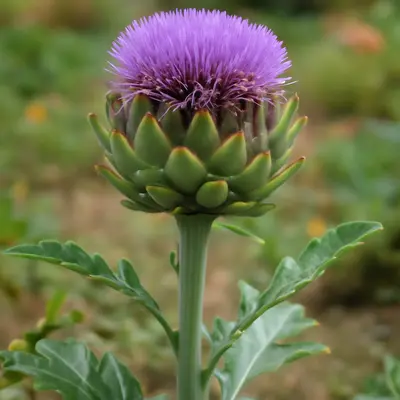
A green artichoke specifically bred for annual production, Imperial Star will produce well-developed artichokes the first year from seed. Plants become 1 1/2-3' tall and have an open growth habit. Each typically produces 1-2 primary buds, which average 3-4" in diameter, and 5-7 smaller secondary buds. Perennial in Zone 7 and warmer; otherwise treat as an annual.
Harvest
85d
Days to harvest
Sun
Full sun
Zones
7–10
USDA hardiness
Height
3-6 feet
Planting Timeline
Showing dates for Imperial Star in USDA Zone 7
All Zone 7 flower →Zone Map
Click a state to update dates
Imperial Star · Zones 7–10
Growing Details
Succession Planting
Imperial Star is typically grown as a warm-season annual, and a single planting produces one main flush of buds — you're not succession-sowing it the way you would lettuce or radishes. Start seeds indoors in February or March (zone 7), transplant out in April to May after last frost, and plan on harvesting around 85 days from transplant. If you want to stretch the harvest window, stagger your transplant dates by 2-3 weeks within that April–May slot, which spreads bud maturity across a few extra weeks rather than hitting all at once.
Complete Growing Guide
A green artichoke specifically bred for annual production, Imperial Star will produce well-developed artichokes the first year from seed. Plants become 1 1/2-3' tall and have an open growth habit. Each typically produces 1-2 primary buds, which average 3-4" in diameter, and 5-7 smaller secondary buds. Perennial in Zone 7 and warmer; otherwise treat as an annual. According to Johnny's Selected Seeds, Imperial Star is 85 days to maturity, annual, open pollinated. Notable features: Use for Cut Flowers and Bouquets, Ideal for Drying and Crafts.
Light: Full sun (6 or more hours of direct sunlight a day). Soil: Clay, High Organic Matter, Sand, Shallow Rocky. Soil pH: Acid (<6.0), Alkaline (>8.0), Neutral (6.0-8.0). Drainage: Good Drainage, Moist, Occasionally Dry. Height: 3 ft. 0 in. - 6 ft. 0 in.. Spread: 2 ft. 0 in. - 3 ft. 0 in.. Spacing: 3 feet-6 feet. Growth rate: Rapid. Maintenance: Low. Propagation: Division, Root Cutting, Seed. Regions: Coastal, Piedmont.
Harvesting
Imperial Star reaches harvest at 85 days from sowing per Johnny's Selected Seeds. Expect 3-4" at peak. As an annual, harvest continues until frost ends the season.
White to brown cylindrical fruits with numerous bristles are attached at the base.
Color: Brown/Copper, White. Length: < 1 inch. Width: < 1 inch.
Harvest time: Fall
Edibility: Leaf stalks are blanched, harvested, and cooked as a vegetable. Roots may also be cooked and eaten.
Storage & Preservation
Store fresh Imperial Star artichokes in the refrigerator crisper drawer at 32-50°F with high humidity (90-95%) for up to 2 weeks. Avoid storing at room temperature as they deteriorate quickly. For preservation, freeze blanched artichoke hearts (4-5 minutes in boiling water) in freezer bags for up to 8 months. Alternatively, pickle whole small buds or hearts in vinegar brine for 3-6 months shelf life. Roasting and marinating in olive oil extends freshness to 2 weeks refrigerated.
History & Origin
Imperial Star is open-pollinated, meaning seed saved from healthy plants will produce true-to-type offspring. Listed in the Johnny's Selected Seeds catalog.
Origin: Europe, Africa
Advantages
- +First-year production from seed makes Imperial Star excellent for annual gardeners
- +Open growth habit allows easy air circulation and reduces disease pressure
- +Multiple secondary buds extend harvest beyond the primary artichoke head
- +Relatively short maturity at 85 days enables succession planting in many climates
- +Easy difficulty rating means beginners can successfully grow quality artichokes
Considerations
- -Limited to one or two primary buds per plant reduces total yield significantly
- -Requires annual replanting in most climates since it's not reliably perennial
- -Needs warm temperatures and long growing season in cooler zones
- -Plant's 1.5-3 foot height and open habit creates staking and spacing challenges
Companion Plants
Marigolds (especially Tagetes patula) and nasturtiums do the heaviest lifting — marigolds put out root exudates that suppress nematodes and deter aphids, while nasturtiums draw aphids away from developing buds and onto themselves, where you can deal with them in one spot. Chives and parsley work at close range through scent disruption, and their shallow roots don't compete with the artichoke's deeper system. Lettuce fills ground space well; it benefits from the partial canopy shade a 3-4 foot artichoke throws by midsummer. Fennel is allelopathic to a wide range of crops and will stunt nearby plants — keep it on the opposite end of the garden. Black walnut produces juglone throughout its root zone, which interferes with cell respiration in many plants; don't site artichokes within 50-60 feet of one.
Plant Together
Marigolds
Repel aphids, whiteflies, and nematodes that commonly attack artichokes
Nasturtiums
Act as trap crops for aphids and cucumber beetles while attracting beneficial insects
Parsley
Attracts beneficial insects like hoverflies and parasitic wasps that control pests
Chives
Repel aphids and improve soil health while not competing for space
Lettuce
Utilizes space efficiently as a ground cover and has shallow roots that don't compete
Peas
Fix nitrogen in soil which benefits the heavy-feeding artichoke plants
Rosemary
Repels cabbage moths and other pests while tolerating similar Mediterranean conditions
Tarragon
Enhances growth and may improve flavor while repelling various garden pests
Keep Apart
Corn
Competes heavily for nutrients and water, while attracting corn earworms that may damage artichokes
Fennel
Produces allelopathic compounds that inhibit growth of most vegetables including artichokes
Black Walnut
Produces juglone toxin that stunts growth and can kill artichoke plants
Pests & Disease Resistance
Common Pests
Artichoke plume moth, aphids, spider mites, slugs
Diseases
Botrytis blight, powdery mildew, leaf spot, verticillium wilt
Troubleshooting Imperial Star
What you'll see, why it happens, and what to do about it.
Silky webbing on leaf undersides, leaves stippled gray or bronze, around midsummer
Likely Causes
- Spider mites (Tetranychus urticae) — thrive in hot, dry conditions above 85°F
- Dusty, unwatered foliage that accelerates mite colony buildup
What to Do
- 1.Blast the undersides of leaves with a strong jet of water every 2-3 days for a week
- 2.Apply insecticidal soap or neem oil in the early morning, hitting leaf undersides directly
- 3.Keep soil consistently moist — mites explode on stressed, drought-y plants
Dense clusters of soft-bodied insects at new growth tips and bud bases, sometimes with sticky residue on lower leaves
Likely Causes
- Aphids (commonly Capitophorus elaeagni, the artichoke aphid) — reproduce fast once established
- Absence of predatory insects, often due to nearby pesticide use
What to Do
- 1.Knock them off with a firm water spray; repeat every few days
- 2.Release or attract ladybugs and lacewings — both feed heavily on aphid colonies
- 3.If infestation is dense, spray with insecticidal soap, covering every surface thoroughly
Ragged holes chewed through bud scales and inner petals, often with frass or a silky tunnel visible inside the bud
Likely Causes
- Artichoke plume moth (Platyptilia carduidactyla) larvae — they bore directly into developing buds
- Eggs laid on foliage in early spring; larvae migrate into buds as they form
What to Do
- 1.Inspect buds weekly once plants hit 24 inches tall; cut and destroy any infested buds immediately
- 2.Apply Bacillus thuringiensis (Bt) to foliage before buds form, targeting young larvae
- 3.Clear all plant debris at season end — pupae overwinter in dead tissue at the base
White powdery coating on upper leaf surfaces, spreading from older leaves outward, usually in late summer
Likely Causes
- Powdery mildew (Leveillula taurica is the species most common on artichokes) — spreads during warm days and cool nights
- Crowded spacing below 18 inches that traps humid air around foliage
What to Do
- 1.Remove and bag heavily affected leaves; don't compost them
- 2.Spray with a diluted potassium bicarbonate solution or neem oil at first sign — waiting two weeks makes it much harder to manage
- 3.Space plants at least 18-24 inches apart and switch to drip irrigation or morning watering only
Frequently Asked Questions
How long does it take Imperial Star artichokes to produce from seed?▼
Can you grow Imperial Star artichokes in containers?▼
Is Imperial Star artichoke good for beginners?▼
When should I plant Imperial Star artichoke seeds?▼
What does Imperial Star artichoke taste like?▼
How much space do Imperial Star artichokes need?▼
Zone-by-Zone Planting Calendar
| Zone | Indoor Start | Transplant | Direct Sow | Harvest |
|---|---|---|---|---|
| Zone 3 | April – May | June – July | June – August | — |
| Zone 4 | March – April | June – June | June – July | — |
| Zone 5 | March – April | May – June | May – July | — |
| Zone 6 | March – April | May – June | May – July | — |
| Zone 7 | February – March | April – May | April – June | — |
| Zone 8 | February – March | April – May | April – June | — |
| Zone 9 | January – February | March – April | March – May | — |
| Zone 10 | January – January | February – March | February – April | — |
| Zone 1 | May – June | July – August | July – September | — |
| Zone 2 | April – May | June – July | June – August | — |
| Zone 11 | January – January | January – February | January – March | — |
| Zone 12 | January – January | January – February | January – March | — |
| Zone 13 | January – January | January – February | January – March | — |
Growing Guides from Wind River Greens
Sources & References
External authority sources used in compiling this guide.
- BreederJohnny's Selected Seeds
See the Methodology page for how this data is sourced, what's AI-assisted, and known limitations.