Seeker Rose Shades
Limonium sinuatum
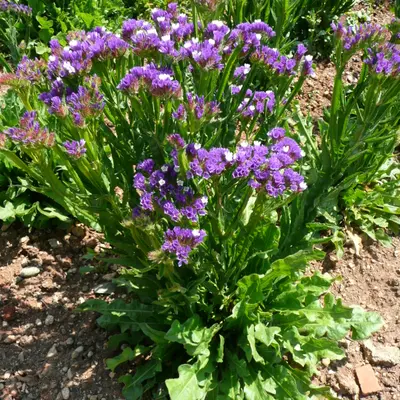
1 1/2-3" flower clusters are produced on strong stems in the field and greenhouse. Blooms in varying shades of rose pink. Also known as annual statice and wavyleaf sea lavender.
Harvest
110-120d
Days to harvest
Sun
Full sun
Zones
8–10
USDA hardiness
Height
12-18 inches
Planting Timeline
Showing dates for Seeker Rose Shades in USDA Zone 7
All Zone 7 flower →Zone Map
Click a state to update dates
Seeker Rose Shades · Zones 8–10
Growing Details
Succession Planting
Limonium sinuatum blooms once per plant and is done, so staggered sowings are worth doing if you want a longer cut-flower window. Start a first batch indoors in late February, transplant out in April after last frost, then direct-sow a second batch in May. With 110–120 days to harvest, that second round will push blooms into early fall. Don't bother with a third sowing after early June — there aren't enough warm days left in most climates to reach full flower before temperatures drop.
Complete Growing Guide
1 1/2-3" flower clusters are produced on strong stems in the field and greenhouse. Blooms in varying shades of rose pink. Also known as annual statice and wavyleaf sea lavender. According to Johnny's Selected Seeds, Seeker Rose Shades is 110 - 120 days to maturity, annual, open pollinated. Notable features: Use for Cut Flowers and Bouquets, Ideal for Drying and Crafts, Attracts Beneficial Insects.
Light: Full sun (6 or more hours of direct sunlight a day). Soil: Loam (Silt), Sand. Soil pH: Acid (<6.0), Alkaline (>8.0), Neutral (6.0-8.0). Drainage: Good Drainage, Occasionally Dry. Height: 1 ft. 0 in. - 1 ft. 6 in.. Spread: 0 ft. 9 in. - 1 ft. 0 in.. Spacing: 12 inches-3 feet. Growth rate: Rapid. Maintenance: Low. Propagation: Seed. Regions: Coastal, Piedmont.
Harvesting
Seeker Rose Shades reaches harvest at 110 - 120 days from sowing per Johnny's Selected Seeds. Expect 1 1/2-3" at peak. As an annual, harvest continues until frost ends the season.
Type: Capsule.
Storage & Preservation
For fresh cut flowers, display Seeker Rose Shades in a clean vase filled with cool water (65-70°F) in a cool location away from direct sunlight and ripening fruit. Change water every 2-3 days and trim stems at an angle. Fresh blooms typically last 7-14 days. For preservation, air dry by hanging small bundles upside down in a warm, dark, well-ventilated space for 2-3 weeks, creating long-lasting dried arrangements. Alternatively, press flowers between paper under weight for 2-4 weeks to preserve for crafts and floral pressing projects. Glycerin preservation is also effective: place stems in a water-glycerin solution (1:1 ratio) for several days to maintain color and texture.
History & Origin
Seeker Rose Shades is open-pollinated, meaning seed saved from healthy plants will produce true-to-type offspring. Listed in the Johnny's Selected Seeds catalog.
Origin: Mediterranean to western Sahara
Advantages
- +Large 1.5-3 inch flower clusters create impressive visual impact in arrangements
- +Strong stems produce excellent cut flowers for florist and home use
- +Rose pink shades offer versatile color that complements many garden designs
- +Easy difficulty rating makes it suitable for beginner and experienced growers
- +110-120 day maturity provides reliable blooms within typical growing season
Considerations
- -Requires well-draining soil; prone to root rot in waterlogged conditions
- -Long growing season demands patience before achieving marketable flower production
- -Statice flowers attract spider mites in warm, dry greenhouse environments
Companion Plants
Lavender and catmint are the most practical neighbors here — both want the same lean, well-drained soil and 6+ hours of sun that statice does, so there's no competition for water or root space. Tagetes patula marigolds pull in parasitic wasps and hoverflies that keep soft-bodied pests from getting established. Garlic and alliums contribute sulfur compounds that deter thrips without taking up much real estate. What to avoid: large trees cast enough shade to cut bloom production significantly, and black walnut specifically exudes juglone from its roots — a compound that suppresses many ornamentals and builds up in the soil over several seasons.
Plant Together
Lavender
Repels aphids, spider mites, and other rose pests while attracting beneficial pollinators
Marigolds
Natural nematode control and repels aphids, whiteflies, and other common rose pests
Garlic
Deters aphids, Japanese beetles, and helps prevent fungal diseases like black spot
Catmint
Repels ants, aphids, and rodents while attracting beneficial insects
Alliums
Natural pest deterrent against aphids and thrips, improves soil health
Clematis
Shares similar soil and water needs, provides vertical interest without competing for nutrients
Parsley
Attracts beneficial insects like hoverflies that prey on aphids and other rose pests
Nasturtiums
Acts as trap crop for aphids and cucumber beetles, edible flowers complement garden
Keep Apart
Black Walnut
Produces juglone toxin that inhibits rose growth and can cause wilting or death
Eucalyptus
Allelopathic compounds inhibit growth of nearby plants including roses
Large Trees
Compete for nutrients, water, and sunlight while surface roots interfere with rose feeding
Troubleshooting Seeker Rose Shades
What you'll see, why it happens, and what to do about it.
Gray, fuzzy coating on stems or flower buds, especially during cool, humid stretches
Likely Causes
- Botrytis cinerea (gray mold) — thrives in stagnant air and wet foliage
- Overcrowded planting at less than 12-inch spacing
What to Do
- 1.Remove and bag affected stems immediately — don't compost them
- 2.Thin plants to at least 12 inches apart to open up airflow
- 3.Water at the base only, and do it in the morning so foliage dries before nightfall
Leaves developing white powdery patches, usually starting mid-season when nights cool down
Likely Causes
- Powdery mildew (Erysiphe cichoracearum) — common on Limonium, worsened by dry soil paired with humid air
- Planting in partial shade rather than full sun (6+ hours required)
What to Do
- 1.Cut off the worst-affected leaves and dispose of them in the trash
- 2.Apply a potassium bicarbonate spray or a diluted neem oil solution every 7 days until symptoms stop spreading
- 3.Move seedlings to a full-sun bed if shade is the underlying problem
Seedlings collapsing at soil level within the first 2 weeks after germination
Likely Causes
- Pythium or Rhizoctonia damping-off fungi — triggered by heavy, poorly drained seed-starting mix kept too wet
- Starting seeds indoors before late February in low-light conditions, which slows drying between waterings
What to Do
- 1.Use a sterile, well-draining seed-starting mix and cut in 10–20% perlite if the mix feels heavy
- 2.Water from below by setting trays in shallow water for 10 minutes, then letting them drain fully
- 3.Run a small fan near the seedling tray for 1–2 hours a day to keep the surface from staying wet
Frequently Asked Questions
How long do Seeker Rose Shades flowers last in a vase?▼
Is Seeker Rose Shades a good choice for beginner flower growers?▼
Can you grow Seeker Rose Shades in containers?▼
When should I plant Seeker Rose Shades seeds?▼
What does Seeker Rose Shades look like as it grows?▼
How should I dry Seeker Rose Shades for arrangements?▼
Zone-by-Zone Planting Calendar
| Zone | Indoor Start | Transplant | Direct Sow | Harvest |
|---|---|---|---|---|
| Zone 3 | April – May | June – July | June – August | — |
| Zone 4 | March – April | June – June | June – July | — |
| Zone 5 | March – April | May – June | May – July | — |
| Zone 6 | March – April | May – June | May – July | — |
| Zone 7 | February – March | April – May | April – June | — |
| Zone 8 | February – March | April – May | April – June | — |
| Zone 9 | January – February | March – April | March – May | — |
| Zone 10 | January – January | February – March | February – April | — |
| Zone 1 | May – June | July – August | July – September | — |
| Zone 2 | April – May | June – July | June – August | — |
| Zone 11 | January – January | January – February | January – March | — |
| Zone 12 | January – January | January – February | January – March | — |
| Zone 13 | January – January | January – February | January – March | — |
Growing Guides from Wind River Greens
Sources & References
External authority sources used in compiling this guide.
- BreederJohnny's Selected Seeds
See the Methodology page for how this data is sourced, what's AI-assisted, and known limitations.