Sunday™ Bright Orange
Celosia argentea plumosa
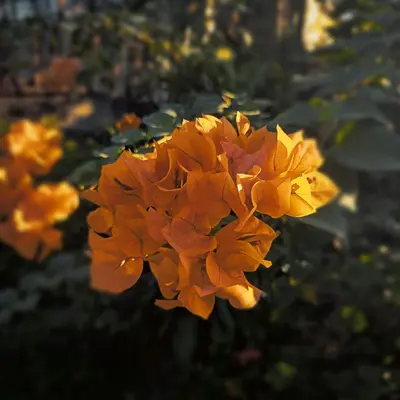
Wikimedia Commons via Celosia
Taller plant habit with longer stems for cutting and slightly later maturity date when compared to the rest of the Sunday™ series. Highly uniform plant habit. Upright, vigorous branching plants produce 3-5" tall plumes that are a few shades lighter in color than Sunday Orange. Matures 7-10 days later than Sunday Orange. Raw, uncoated seed.
Harvest
90-110d
Days to harvest
Sun
Full sun
Zones
10–11
USDA hardiness
Height
9-18 inches
Planting Timeline
Showing dates for Sunday™ Bright Orange in USDA Zone 7
All Zone 7 flower →Zone Map
Click a state to update dates
Sunday™ Bright Orange · Zones 10–11
Growing Details
Complete Growing Guide
Taller plant habit with longer stems for cutting and slightly later maturity date when compared to the rest of the Sunday™ series. Highly uniform plant habit. Upright, vigorous branching plants produce 3-5" tall plumes that are a few shades lighter in color than Sunday Orange. Matures 7-10 days later than Sunday Orange. Raw, uncoated seed. According to Johnny's Selected Seeds, Sunday™ Bright Orange is 90 - 110 days to maturity, annual, open pollinated. Notable features: Use for Cut Flowers and Bouquets, Ideal for Drying and Crafts, Attracts Beneficial Insects.
Light: Full sun (6 or more hours of direct sunlight a day). Soil: High Organic Matter, Loam (Silt), Sand. Soil pH: Neutral (6.0-8.0). Drainage: Good Drainage, Occasionally Dry. Height: 0 ft. 9 in. - 1 ft. 6 in.. Spread: 0 ft. 9 in. - 1 ft. 0 in.. Spacing: 12 inches-3 feet. Growth rate: Rapid. Maintenance: Low. Propagation: Seed. Regions: Coastal, Piedmont.
Harvesting
Sunday™ Bright Orange reaches harvest at 90 - 110 days from sowing per Johnny's Selected Seeds. Expect 3-5" at peak. As an annual, harvest continues until frost ends the season.
Smooth, glossy, shiny capsule contain many seeds
Color: Black. Type: Capsule.
Edibility: The leaves and young shoots are cooked and used in soups and stews. The seeds yield edible oil.
Storage & Preservation
For fresh storage, keep cut stems in a vase with cool water in a cool room (60-65°F) or refrigerator to extend vase life to 7-10 days. Change water every 2-3 days and recut stems slightly. To preserve for longer-term use, air-dry the plumes by hanging upside-down in a dark, well-ventilated space for 2-3 weeks until fully dried. Alternatively, press flowers between parchment paper under weight for decorative uses. Dried arrangements can last indefinitely when stored away from direct sunlight and humidity.
History & Origin
Sunday™ Bright Orange is open-pollinated, meaning seed saved from healthy plants will produce true-to-type offspring. Listed in the Johnny's Selected Seeds catalog.
Origin: Tropical Africa
Advantages
- +Longer stems ideal for professional floral arrangements and cut flower markets
- +Highly uniform plant habit ensures consistent quality across entire crop
- +Taller growth reduces need for height control treatments or pruning
- +Lighter orange plumes offer subtle color variation from standard Sunday Orange
- +Vigorous branching produces abundant 3-5 inch plumes per plant
Considerations
- -7-10 day later maturity extends production timeline and delays market availability
- -Raw uncoated seed requires careful handling and may have lower germination rates
- -Taller habit demands more greenhouse space compared to compact celosia varieties
Companion Plants
The beneficial companions in our database are almost all warm-season annuals that bloom alongside celosia, and that's mostly the point. Marigolds (Tagetes spp.) and nasturtiums do double duty — their scent confuses aphids, and they pull in predatory wasps that work through the whole bed. Zinnias and cosmos add pollinator traffic. None of these compete aggressively with celosia's shallow roots, so you can slot them in at 8–12 inches without much trouble. Alyssum at the border stays short enough to avoid shading the celosia while drawing ground-level beneficials like parasitic wasps and hoverflies. In our zone 7 Georgia garden, that marigold-celosia-zinnia combination runs from late April through first frost without much intervention.
The harmful companions are worth taking seriously. Black walnut (Juglans nigra) releases juglone through its roots and decomposing leaf debris — enough to stunt or kill sensitive annuals, and celosia planted within that drip zone will struggle even if everything else looks right. Eucalyptus works differently, releasing allelopathic compounds through both root exudates and fallen leaves that suppress germination and early growth in nearby plants. Fennel doesn't produce a single knockout compound the way juglone does, but it inhibits a surprisingly wide range of garden plants and tends to pull beneficial insects toward itself rather than sharing them. All three are worth keeping well away from this bed.
Plant Together
Marigolds
Repel nematodes and aphids while attracting beneficial insects
Petunias
Deter aphids, tomato hornworms, and other garden pests
Nasturtiums
Act as trap crops for aphids and cucumber beetles
Alyssum
Attracts beneficial insects like lacewings and parasitic wasps
Zinnia
Attracts pollinators and beneficial predatory insects
Cosmos
Draws beneficial insects and provides complementary colors
Lavender
Repels moths, fleas, and flies while attracting pollinators
Calendula
Attracts beneficial insects and repels aphids and whiteflies
Keep Apart
Black Walnut
Produces juglone which is toxic to many flowering plants
Eucalyptus
Releases allelopathic compounds that inhibit growth of nearby plants
Fennel
Inhibits growth of most garden plants through allelopathy
Troubleshooting Sunday™ Bright Orange
What you'll see, why it happens, and what to do about it.
Seedlings damping off at the soil line — stems pinch thin and collapse within the first 2 weeks of germination
Likely Causes
- Pythium or Rhizoctonia fungi thriving in overly wet, poorly drained germination mix
- Trays kept too cool (below 70°F) slowing seedling growth while pathogens advance
What to Do
- 1.Start seeds in a sterile, well-draining germination mix — not garden soil or reused potting mix
- 2.Keep soil temperature between 72–78°F using a heat mat; celosia germinates poorly in cool conditions
- 3.Water only when the top of the mix begins to dry, and bottom-water when possible to keep the stem base dry
Leaves developing silvery streaking or stippling, with tiny dark specks on the undersides
Likely Causes
- Western flower thrips (Frankliniella occidentalis) — especially bad during hot, dry stretches in July and August
- Spider mites (Tetranychus urticae) — more likely if plants are water-stressed
What to Do
- 1.Inspect the undersides of leaves with a hand lens; thrips are barely visible (about 1mm) and fast-moving
- 2.Knock mites off with a firm spray of water; for thrips, apply spinosad every 7 days for 2–3 cycles
- 3.Avoid overhead irrigation in the evening — moist, warm foliage accelerates both populations
Flower plumes fading from bright orange to a washed-out tan before the plant reaches 18 inches tall
Likely Causes
- Insufficient direct sun — celosia needs 6+ hours of full sun to hold color saturation
- Premature heat stress forcing early, weak bloom on an underdeveloped plant
What to Do
- 1.Move container plants to the sunniest spot available; in-ground plants in partial shade won't recover — note the location for next season
- 2.If transplanting in late spring, harden off for at least 7 days before setting out, and don't let transplants sit in a pot too long or they'll rush to bloom before the root system is ready
Stems rotting at or just below soil level mid-season, with white cottony mycelium and tan seed-like sclerotia visible at the base
Likely Causes
- Southern blight (Sclerotium rolfsii) — a warm-soil fungus active in the Southeast once soil temps climb above 80°F
- Overly wet beds with poor drainage compounding fungal pressure
What to Do
- 1.Pull and bag affected plants immediately — do not compost them, as Sclerotium produces hard sclerotia that persist in soil for years
- 2.Drench the surrounding soil with an OMRI-listed product containing Bacillus subtilis (such as Serenade) to slow spread to neighboring plants
- 3.Rotate celosia out of that bed for at least 2 seasons and improve drainage before replanting
Frequently Asked Questions
How long do Sunday Bright Orange flowers last in a vase?▼
Is Sunday Bright Orange good for beginning gardeners?▼
Can you grow Sunday Bright Orange in containers?▼
When should I plant Sunday Bright Orange seeds?▼
How does Sunday Bright Orange compare to regular Sunday Orange?▼
What makes Sunday Bright Orange good for cutting?▼
Zone-by-Zone Planting Calendar
| Zone | Indoor Start | Transplant | Direct Sow | Harvest |
|---|---|---|---|---|
| Zone 1 | May – June | July – August | July – September | — |
| Zone 2 | April – May | June – July | June – August | — |
| Zone 11 | January – January | January – February | January – March | — |
| Zone 12 | January – January | January – February | January – March | — |
| Zone 13 | January – January | January – February | January – March | — |
| Zone 3 | April – May | June – July | June – August | — |
| Zone 4 | March – April | June – June | June – July | — |
| Zone 5 | March – April | May – June | May – July | — |
| Zone 6 | March – April | May – June | May – July | — |
| Zone 7 | February – March | April – May | April – June | — |
| Zone 8 | February – March | April – May | April – June | — |
| Zone 9 | January – February | March – April | March – May | — |
| Zone 10 | January – January | February – March | February – April | — |
Growing Guides from Wind River Greens
Sources & References
External authority sources used in compiling this guide.
- BreederJohnny's Selected Seeds
See the Methodology page for how this data is sourced, what's AI-assisted, and known limitations.