Lacy Lavender Blue
Trachymene coerulea
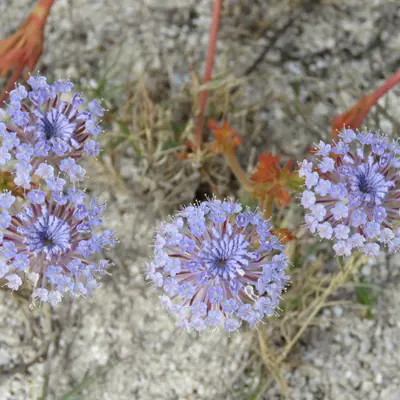
Pale blue, 2-2 1/2" blooms are held aloft on stiff stems. Flowers have a mild, clean fragrance and delicate appearance. Plant habit is branching and upright with few leaves. Plants produce blooms for up to two months in our trials. Also available in organic seed.
Harvest
95-100d
Days to harvest
Sun
Full sun
Zones
1–11
USDA hardiness
Height
24-36 inches
Planting Timeline
Showing dates for Lacy Lavender Blue in USDA Zone 7
All Zone 7 flower →Zone Map
Click a state to update dates
Lacy Lavender Blue · Zones 1–11
Growing Details
Succession Planting
Lacy Lavender Blue blooms over a long enough window that most gardeners don't need strict succession, but for continuous cut-flower production, sow indoors every 3 weeks starting in late February, transplanting out after last frost (April in zone 7). Stop new sowings by early June — anything started later won't finish before heat shuts it down, since this variety needs 95–100 days and stalls out once daytime highs sit consistently above 85°F.
For a simpler approach: one indoor sow in February and one direct sow in April gives you two overlapping flushes with minimal effort. Deadhead spent umbels promptly — it can stretch each plant's productive window by a couple of weeks.
Complete Growing Guide
Lacy Lavender Blue thrives in full sun — give it at least 6 to 8 hours of direct light daily for the strongest stems and most abundant blooms. Choose a site with good air circulation, as the airy, sparsely-leaved habit benefits from breezes that keep humidity-related issues at bay.
Prepare your bed by working compost or well-rotted manure into the top 8 to 10 inches of soil. While this variety is adaptable, it performs best in moderately fertile, well-drained soil with a neutral pH. Avoid overly rich or nitrogen-heavy beds — too much nitrogen produces leafy growth at the expense of flowers and weakens those signature stiff stems.
For earliest blooms, start seeds indoors 6 to 8 weeks before your last frost date. Surface-sow or barely cover seeds, as light aids germination. Keep the soil at 65–70°F and lightly moist; expect germination in 10 to 21 days. Transplant seedlings outdoors after all danger of frost has passed and nights stay above 50°F. In zones 7 and warmer, you can also direct sow in early spring once the soil has warmed.
Space plants 9 to 12 inches apart. The closer spacing actually helps — neighboring plants support each other's stiff stems and produce a denser cutting patch. Water deeply but infrequently, allowing the top inch of soil to dry between waterings. Established plants tolerate brief dry spells, but consistent moisture during bud formation produces larger, better-formed blooms.
Feed lightly with a balanced or bloom-focused fertilizer (something like 5-10-10) every 4 to 6 weeks once buds form. Skip the heavy feeders — this is not a plant that wants to be pampered with nitrogen.
Because stems are naturally rigid, most plantings won't need staking. However, in windy sites or if you've enriched the soil heavily, run a single layer of horizontal netting at about 12 inches above the bed when plants are young; they'll grow up through it for built-in support.
The biggest mistakes I see with this variety: overfertilizing, overwatering, and harvesting too late. To maximize yield, cut frequently — even blooms you don't need. Every stem you remove signals the plant to push more buds, and consistent harvesting can extend your bloom window from the typical 6 weeks toward the full two-month potential observed in trials. Pinch the central leader when plants reach 8 to 10 inches tall to encourage branching and multiply your stem count.
Harvesting
Harvest Lacy Lavender Blue when the lowest one or two florets on the stem have just opened and the rest are showing color but still in tight bud. Cutting at this stage gives you the longest vase life — typically 7 to 10 days — and allows the upper buds to continue opening indoors. If you wait until the entire stem is fully open, vase life drops sharply.
Cut in the cool of early morning, before the sun stresses the plant and while stems are fully turgid with water. Use sharp, clean snips and cut stems long — down to the next set of branching leaves or buds, which encourages a fresh flush of growth. Immediately plunge cut stems into a bucket of cool, clean water and let them rest in a shaded spot for at least an hour before arranging.
Avoid harvesting in the heat of the day or when plants are wet from rain or dew on the foliage, as this invites botrytis. Strip any leaves that would sit below the waterline in your vase.
Storage & Preservation
Fresh-cut Lacy Lavender Blue stems last 7 to 10 days in a clean vase with cool water and floral preservative. Recut stems every two to three days and refresh the water to maximize vase life. For storage before arranging, hold stems upright in water at 36–40°F in a refrigerator (away from ripening fruit, which releases ethylene and shortens flower life).
This variety dries beautifully, preserving much of its soft lavender-blue color. Cut stems when about half the florets are open, bundle loosely with rubber bands (which tighten as stems shrink), and hang upside down in a warm, dark, well-ventilated room for 2 to 3 weeks. For pressed flowers, harvest individual florets at peak and press between absorbent paper for 2 weeks. Silica gel drying preserves shape and color best for craft uses.
History & Origin
Lacy Lavender Blue belongs to the broader heritage of cut-flower varieties prized by florists and home gardeners for their delicate coloring and excellent stem quality. As an heirloom, it represents an open-pollinated lineage that breeders and growers have maintained through careful seed saving rather than modern hybridization. Its pale lavender-blue coloring places it in a sought-after color class — true blues and lavender-blues are notoriously difficult to achieve in flowering plants, and varieties exhibiting this trait have historically been treasured and preserved.
Heirloom cut flowers like this one have experienced a renaissance over the past two decades alongside the rise of small-scale flower farming and the slow flower movement, which favors locally grown, seasonally available blooms over imported commercial cultivars.
Advantages
- +Stiff, wiry stems require minimal or no staking even in light wind
- +Extended bloom window of up to two months with consistent harvesting
- +Rare true lavender-blue coloring that's difficult to find in cut flowers
- +Mild, clean fragrance suitable for indoor arrangements without overpowering rooms
- +Open-pollinated heirloom — seeds can be saved year to year
- +Dries exceptionally well, retaining color for craft and arrangement use
Considerations
- -Long 95–100 day maturity means later bloom start than many annuals
- -Sparse foliage looks unimpressive in the bed before flowering begins
- -Performs poorly in rich or overly nitrogen-fed soil — produces foliage at expense of blooms
- -Pale color can wash out in harsh midday sun photographs and arrangements
- -Vase life shortens significantly if harvested too late in the bloom cycle
Companion Plants
The herbs — rosemary, thyme, sage, and catmint — are the strongest neighbors for Lacy Lavender Blue because they share the same preference for lean, well-drained soil and don't compete hard for water. That shared thirst profile matters more than any pest-repellent claim. They also draw predatory wasps and hoverflies into the bed, which keeps aphid pressure off the Trachymene without any intervention on your part. Yarrow pulls similar duty and brings in lacewings; alliums add a scent layer that genuinely disorients soft-bodied pests moving through the planting.
Mint is the one to pull before it gets established nearby — it spreads through underground runners fast enough to crowd Trachymene's root zone within a single season, and once it's in, it's a chore to get out. Impatiens and hosta are both water-hungry and shade-adapted, so they're fighting this plant's basic growing conditions from day one. Put them somewhere else entirely.
Plant Together
Rosemary
Similar water and soil requirements, both repel pests and attract beneficial insects
Thyme
Complementary growth habits, shared preference for well-draining soil and full sun
Sage
Both Mediterranean herbs with similar cultural needs, create aromatic garden zones
Catmint
Attracts pollinators, repels aphids and ants, similar growing conditions
Marigolds
Natural pest deterrent, helps repel nematodes and other soil-borne pests
Alliums
Repel aphids and other soft-bodied insects that may damage lavender
Yarrow
Attracts beneficial insects, improves soil health, drought-tolerant companion
Sedum
Similar low-water requirements, provides contrasting texture and extended bloom time
Keep Apart
Mint
Aggressive spreading habit can overtake lavender, prefers more moisture
Impatiens
Requires frequent watering and rich soil, opposite of lavender's dry conditions
Hosta
Shade-loving plant with high moisture needs, incompatible growing requirements
Troubleshooting Lacy Lavender Blue
What you'll see, why it happens, and what to do about it.
Seedlings damping off at soil level — stems pinch and collapse before plants reach 3 inches tall
Likely Causes
- Pythium or Rhizoctonia fungal rot — both thrive in cold, waterlogged starting mix
- Sowing too deep (Trachymene coerulea seed needs light to germinate; burying it slows emergence and extends vulnerability)
What to Do
- 1.Surface-sow or barely cover seed with vermiculite, not potting mix, and keep the tray under grow lights at 65–70°F
- 2.Water from the bottom only — fill the tray, let the mix soak up what it needs, then dump the excess
- 3.If damping off appears, remove affected seedlings immediately and give survivors better airflow before the rot spreads
Powdery white coating on leaves in mid to late summer, usually once temps climb past 80°F
Likely Causes
- Powdery mildew (Erysiphe cichoracearum or similar) — nearly inevitable on Trachymene in humid conditions with poor air circulation
- Plants spaced under 9 inches apart, which traps moisture around foliage
What to Do
- 1.Space plants at least 9–12 inches apart from the start — crowding is the main controllable factor
- 2.At first sign, spray with a dilute baking soda solution (1 tablespoon per gallon of water) or a potassium bicarbonate fungicide
- 3.Late-summer plants in decline aren't worth saving; pull them and plan earlier sowings next year to get blooms before the worst heat arrives
Frequently Asked Questions
How long does Lacy Lavender Blue take to bloom from seed?▼
Is Lacy Lavender Blue good for beginner gardeners?▼
Can you grow Lacy Lavender Blue in containers?▼
When should I plant Lacy Lavender Blue seeds?▼
Does Lacy Lavender Blue make a good cut flower?▼
Can you save seeds from Lacy Lavender Blue?▼
Zone-by-Zone Planting Calendar
| Zone | Indoor Start | Transplant | Direct Sow | Harvest |
|---|---|---|---|---|
| Zone 1 | May – June | July – August | July – September | — |
| Zone 2 | April – May | June – July | June – August | — |
| Zone 11 | January – January | January – February | January – March | — |
| Zone 12 | January – January | January – February | January – March | — |
| Zone 13 | January – January | January – February | January – March | — |
| Zone 3 | April – May | June – July | June – August | — |
| Zone 4 | March – April | June – June | June – July | — |
| Zone 5 | March – April | May – June | May – July | — |
| Zone 6 | March – April | May – June | May – July | — |
| Zone 7 | February – March | April – May | April – June | — |
| Zone 8 | February – March | April – May | April – June | — |
| Zone 9 | January – February | March – April | March – May | — |
| Zone 10 | January – January | February – March | February – April | — |
Growing Guides from Wind River Greens
Sources & References
External authority sources used in compiling this guide.
- BreederJohnny's Selected Seeds
See the Methodology page for how this data is sourced, what's AI-assisted, and known limitations.