Sunday™ Orange
Celosia argentea plumosa
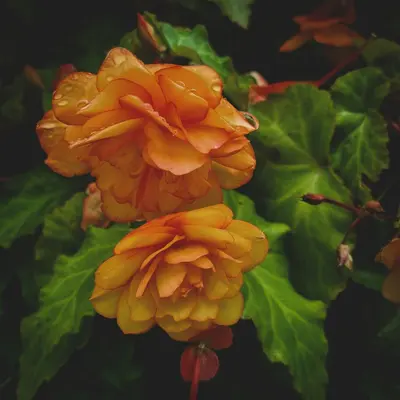
Uniform, productive plants. 3-5" long, bright orange, feathery spikes. Stems are yellow and orange-hued with light green leaves. Rich color complements high-summer and autumn arrangements. Raw, uncoated seed.
Harvest
85-95d
Days to harvest
Sun
Full sun
Zones
10–11
USDA hardiness
Height
9-18 inches
Planting Timeline
Showing dates for Sunday™ Orange in USDA Zone 7
All Zone 7 flower →Zone Map
Click a state to update dates
Sunday™ Orange · Zones 10–11
Growing Details
Complete Growing Guide
Uniform, productive plants. 3-5" long, bright orange, feathery spikes. Stems are yellow and orange-hued with light green leaves. Rich color complements high-summer and autumn arrangements. Raw, uncoated seed. According to Johnny's Selected Seeds, Sunday™ Orange is 85 - 95 days to maturity, annual, open pollinated. Notable features: Use for Cut Flowers and Bouquets, Ideal for Drying and Crafts, Attracts Beneficial Insects.
Light: Full sun (6 or more hours of direct sunlight a day). Soil: High Organic Matter, Loam (Silt), Sand. Soil pH: Neutral (6.0-8.0). Drainage: Good Drainage, Occasionally Dry. Height: 0 ft. 9 in. - 1 ft. 6 in.. Spread: 0 ft. 9 in. - 1 ft. 0 in.. Spacing: 12 inches-3 feet. Growth rate: Rapid. Maintenance: Low. Propagation: Seed. Regions: Coastal, Piedmont.
Harvesting
Sunday™ Orange reaches harvest at 85 - 95 days from sowing per Johnny's Selected Seeds. Expect 3-5" at peak. As an annual, harvest continues until frost ends the season.
Smooth, glossy, shiny capsule contain many seeds
Color: Black. Type: Capsule.
Edibility: The leaves and young shoots are cooked and used in soups and stews. The seeds yield edible oil.
Storage & Preservation
For fresh Sunday® Orange flowers, store in a cool location (60-65°F) away from direct sunlight to preserve color vibrancy. Keep in a vase with fresh water, changing water every 2-3 days for a 7-10 day vase life. For longer preservation, air-dry stems by hanging upside-down in a dark, well-ventilated space for 2-3 weeks, resulting in dried arrangements lasting several months. Alternatively, press flowers between parchment paper under weight for 1-2 weeks to create flat, dried specimens ideal for crafts and herbals. Silica gel drying (3-5 days) preserves color most vividly but requires careful handling of delicate spikes.
History & Origin
Sunday™ Orange is open-pollinated, meaning seed saved from healthy plants will produce true-to-type offspring. Listed in the Johnny's Selected Seeds catalog.
Origin: Tropical Africa
Advantages
- +Bright orange feathery spikes create stunning high-summer and autumn floral arrangements.
- +Uniform plant growth ensures consistent, predictable results across the entire garden.
- +Easy cultivation makes Sunday™ Orange accessible for beginner and experienced gardeners.
- +Productive plants yield abundant blooms for cutting and continuous arrangements.
Considerations
- -Celosia requires consistent moisture; drought stress causes stunted growth and poor flowering.
- -Raw uncoated seed has lower germination rates than pelleted alternatives.
- -Plants prefer warm soil and struggle in cool spring conditions.
Companion Plants
Marigolds and zinnias are the workhorses here. Tagetes patula specifically deters aphids and whiteflies through both root exudates and foliar compounds, and the flowers pull in predatory wasps that patrol the whole bed. Zinnias bloom on the same warm-season schedule as Sunday Orange and draw a similar mix of pollinators — planting them together means the cutting bed stays busy from midsummer through first frost. Sweet alyssum tucked along the front edge is doing something different: its tiny flowers recruit hoverflies, and it's the hoverfly larvae — not the adults — that eat aphids at the base of your celosia.
The three plants to avoid are harmful for distinct reasons, not a shared one. Black walnut produces juglone, a compound toxic to many annuals, and the root zone extends well beyond the canopy drip line. Eucalyptus releases allelopathic oils into both soil and air — a different chemical mechanism, same bad outcome for neighboring ornamentals. Fennel is the counterintuitive one: it looks benign, it's a food crop, but it stunts most plants grown within a foot or two of it, celosia included. Separate problem, separate solution — don't let any of the three share a bed with this one.
Plant Together
Marigolds
Repel nematodes, aphids, and whiteflies while attracting beneficial insects
Nasturtiums
Act as trap crops for aphids and cucumber beetles, while adding ground cover
Sweet Alyssum
Attracts beneficial insects like lacewings and parasitic wasps for pest control
Petunias
Repel tomato hornworms, aphids, and squash bugs with their natural compounds
Lavender
Deters moths, fleas, and mosquitoes while attracting pollinators like bees
Zinnia
Attract beneficial predatory insects and provide long-lasting color complement
Cosmos
Attract beneficial insects and provide vertical structure without competing for nutrients
Borage
Improves soil health and attracts pollinators while repelling tomato worms
Keep Apart
Black Walnut
Produces juglone toxin that inhibits growth and can kill sensitive flowering plants
Eucalyptus
Releases allelopathic compounds that suppress growth of nearby flowering plants
Fennel
Inhibits growth of most garden plants through allelopathic root secretions
Troubleshooting Sunday™ Orange
What you'll see, why it happens, and what to do about it.
Seedlings damping off at soil level — stems pinch to a thread and topple over within the first 2 weeks after germination
Likely Causes
- Pythium or Rhizoctonia fungi thriving in soggy, poorly drained seed-starting mix
- Trays kept too wet with inadequate airflow around seedlings
What to Do
- 1.Water only when the top of the mix feels dry, and use a bottom-watering tray rather than overhead watering
- 2.Run a small fan near seedlings for at least a few hours a day to keep air moving
- 3.If it happens again next round, drench the mix with a diluted hydrogen peroxide solution (1 part 3% H2O2 to 3 parts water) at sowing
Leaves developing pale, washed-out patches with fine webbing on the undersides, especially in hot, dry spells
Likely Causes
- Two-spotted spider mite (Tetranychus urticae) — they thrive when temps push past 90°F and humidity drops
What to Do
- 1.Spray plants thoroughly with insecticidal soap or neem oil, hitting the undersides of leaves where mites congregate — repeat every 5 to 7 days for at least 3 applications
- 2.Give plants a strong blast of water from the hose first to knock the mite population down before spraying
- 3.Keep plants consistently watered; drought-stressed celosia gets hit harder and recovers slower
Plumes turning dull, brownish, and mushy at the tips after a stretch of wet weather
Likely Causes
- Botrytis cinerea (gray mold) — a fungal pathogen that moves fast on spent or damaged flower tissue in humid conditions
- Crowded planting with less than 18 inches between plants, trapping moisture around the blooms
What to Do
- 1.Remove and trash (don't compost) any affected flower heads immediately — don't leave them on the ground
- 2.Space plants to the full 18–24 inch recommendation so air can circulate between them
- 3.Avoid overhead irrigation once plants are flowering; water at the base instead
Frequently Asked Questions
How long do Sunday® Orange flowers last in a vase?▼
Can you grow Sunday® Orange in containers?▼
When should I plant Sunday® Orange seeds?▼
Is Sunday® Orange good for flower arranging?▼
What makes Sunday® Orange an heirloom variety?▼
Zone-by-Zone Planting Calendar
| Zone | Indoor Start | Transplant | Direct Sow | Harvest |
|---|---|---|---|---|
| Zone 1 | May – June | July – August | July – September | — |
| Zone 2 | April – May | June – July | June – August | — |
| Zone 11 | January – January | January – February | January – March | — |
| Zone 12 | January – January | January – February | January – March | — |
| Zone 13 | January – January | January – February | January – March | — |
| Zone 3 | April – May | June – July | June – August | — |
| Zone 4 | March – April | June – June | June – July | — |
| Zone 5 | March – April | May – June | May – July | — |
| Zone 6 | March – April | May – June | May – July | — |
| Zone 7 | February – March | April – May | April – June | — |
| Zone 8 | February – March | April – May | April – June | — |
| Zone 9 | January – February | March – April | March – May | — |
| Zone 10 | January – January | February – March | February – April | — |
Growing Guides from Wind River Greens
Sources & References
External authority sources used in compiling this guide.
- BreederJohnny's Selected Seeds
See the Methodology page for how this data is sourced, what's AI-assisted, and known limitations.