Hot Biscuits
Amaranthus cruentus
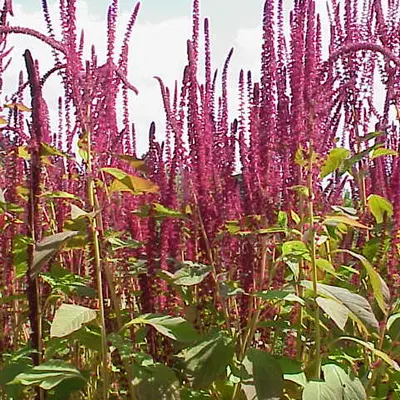
Hot Biscuits is an heirloom ornamental flower variety that matures in 65-75 days, thriving in full sun and well-drained soil despite its tolerance for poor growing conditions. This easy-to-grow variety is prized for its vibrant, biscuit-colored blooms that add warmth and texture to garden displays. Its hardy nature and forgiving growth requirements make it ideal for beginner gardeners seeking reliable, low-maintenance ornamental interest.
Harvest
65-75d
Days to harvest
Sun
Full sun
Zones
2–11
USDA hardiness
Height
1 ft. 6 in. - 5 ft. 0 in.
Planting Timeline
Showing dates for Hot Biscuits in USDA Zone 7
All Zone 7 flower →Zone Map
Click a state to update dates
Hot Biscuits · Zones 2–11
Growing Details
Succession Planting
Hot Biscuits is a warm-season annual that flowers once per plant, so succession sowing matters if you want a continuous supply of cut stems rather than one big flush. In zone 7, direct sow every 3 weeks starting April 1 through June 15 — after that, shortening days and accumulated heat push plants to finish fast, which compresses your cutting window. Three rounds (early April, late April, mid-May) is usually enough to carry a cutting garden from July into September without gaps.
If you're starting indoors, stagger trays in February and March and transplant out after last frost, which falls around mid-April in most of Georgia. Don't bother with a late-June indoor sowing — the heat makes transplanting stressful, and direct-sown seed in warm soil catches up within two weeks anyway.
Complete Growing Guide
Hot Biscuits amaranth thrives in warm conditions and full sun, making it an excellent choice for summer and fall gardens. Start by preparing a sunny bed with good drainage—these heat-loving plants appreciate warmth and light to produce their most vibrant blooms.
For seed starting, you have two options. In cooler climates, start seeds indoors 6-8 weeks before your last spring frost, using a seed-starting mix and providing warmth (70-75°F) for germination. Keep the soil consistently moist but not waterlogged. Once seedlings develop true leaves, thin or transplant them into individual pots. In warmer zones or after soil temps reach 60°F, direct sow seeds into prepared garden soil, spacing them 18-24 inches apart. Barely cover seeds—they need light to germinate.
Transplant seedlings outdoors after the last frost danger has passed and soil has warmed. Harden them off gradually over 7-10 days before planting out. Space plants 18-24 inches apart to allow for their branching habit and air circulation.
For optimum branching and bushier plants, pinch out the central (apical) bud when plants are 6-8 inches tall. This encourages multiple stems and dramatically increases flower production. The plants will repay you with armloads of bronze and chestnut-colored plumes.
Fertilize every 3-4 weeks with a balanced, all-purpose fertilizer or one slightly higher in phosphorus to encourage flowering. Hot Biscuits doesn't require staking in most situations thanks to sturdy stems, but in windy locations, gentle support may help.
Common mistakes include planting too early in cold soil (seeds will rot), overcrowding (reduces air flow and branching), and overwatering (these plants prefer moderate moisture once established). Avoid high-nitrogen fertilizers, which promote foliage at the expense of flowers. Allow the soil to dry slightly between waterings once plants are established.
Harvesting
Hot Biscuits amaranth reaches peak harvest 65-75 days after planting. Begin cutting plumes when they're fully colored—the bronze and chestnut tones should be rich and vibrant—but before they become papery or brittle. Cut in early morning after dew dries but before afternoon heat, when stems are most turgid and will condition better for arrangements.
Use sharp, clean scissors or pruning shears to cut stems at least 12 inches long, leaving lower foliage and nodes on the plant to encourage continued branching and secondary blooms. The more you harvest, the more the plant produces. Cut individual plumes for bouquets, or remove entire branches for larger arrangements. Plants will continue producing through fall until frost.
For dried flowers (ideal for these varieties), allow plumes to remain on the plant until fully dry and the color deepens further. They can be harvested at this stage and will dry quickly indoors in a cool, dark place, maintaining their stunning color for months or even years.
Storage & Preservation
Fresh-cut Hot Biscuits plumes last longest when conditioned properly. Place cut stems in cool water immediately after harvest, removing any foliage below the waterline. Store in a cool location (65-72°F) away from ripening fruit and direct sun. Fresh arrangements will last 2-3 weeks in water with daily misting and water changes every 2-3 days.
For preservation, air drying is ideal and simple: bundle stems loosely and hang upside-down in a warm, dark, well-ventilated space (garage, shed, or closet) for 7-10 days. Dried plumes retain their bronze and chestnut colors indefinitely. Alternatively, glycerin preservation creates a more supple texture: place cut stems in a 1:1 glycerin-water solution for 1-2 weeks. You can also press individual plumes between newspaper under weight for flat, pressed specimens perfect for crafts. All preservation methods maintain the distinctive color that makes Hot Biscuits special.
History & Origin
Hot Biscuits is a modern heirloom amaranth variety developed for cut-flower and ornamental gardens, capitalizing on the renewed interest in dried flowers and textural arrangement elements. While amaranths have been cultivated for thousands of years in Central and South America as food crops, Hot Biscuits represents 20th-century breeding focused on ornamental plume varieties ideal for bouquets and dried arrangements.
The variety name "Hot Biscuits" evokes the warm, appetizing bronze and chestnut colorations of its distinctive plumes—shades that resonate with autumn decorating and harvest aesthetics. It belongs to the family of ornamental amaranths (Amaranthus), sometimes called celosia-like forms. The emphasis on well-branched growth and abundant blooms reflects deliberate selection for commercial and home-garden cut-flower production. Hot Biscuits became popular in the 1980s-1990s among flower growers and gardeners seeking tall, productive plants with year-round visual appeal. Its easy-to-grow habit and heirloom status have secured its place as a reliable choice for both novice and experienced growers.
Advantages
- +Produces abundant bronze and chestnut plumes ideal for autumn bouquets and dried arrangements that last indefinitely
- +Tall, well-branched plants provide armloads of flowers from a single sowing—extremely productive
- +Heat-loving and thrives in hot summers when many other flowers struggle
- +Simple pinching technique dramatically increases branching and flower production
- +Easy to grow, even for beginners—tolerates poor soil and requires minimal maintenance
- +Continual harvesting stimulates more blooms, extending the harvest season into fall
- +Exceptional drying properties retain color and form for months or years of enjoyment
Considerations
- -Seeds require warm soil (60°F+) and are temperamental in cool, wet springs—can rot easily
- -Requires full sun and warm conditions; struggles in partial shade or cool climates
- -Tall plants may require support or shelter in very windy locations
- -If the central bud isn't pinched early, plants become tall and single-stemmed rather than bushy
- -Non-edible variety has no culinary value, unlike some amaranth species
Companion Plants
The flowers on the beneficial list here are doing real work, not just filling space. Marigolds — especially French types like 'Petite Gold' — release alpha-terthienyl from their roots, which suppresses root-knot nematodes in the surrounding soil. That matters if you're rotating beds that have had tomatoes or peppers. Sweet alyssum and cosmos both draw in parasitic wasps and hoverflies, which keep aphid populations from building up on the amaranth's tender new growth. Nasturtiums pull double duty: they attract aphids away from neighboring plants as a trap crop, and they're edible, so you're not sacrificing bed space for a purely defensive planting.
Zinnia is probably the most practical pairing in a cutting garden context. Hot Biscuits tops out anywhere from 18 inches to 5 feet depending on soil fertility, and zinnias fill the mid-height gaps without competing hard for water or root space. In our zone 7 Georgia garden, direct-sowing both in late April gives you a cutting bed that runs from midsummer into fall without a lot of fussing.
The harmful companions are worth a quick mention. Black walnut produces juglone — a compound that accumulates in the soil around the root zone and is genuinely phytotoxic to a wide range of plants, amaranth included. Fennel is allelopathic to most vegetables and flowers and does better grown in its own isolated patch, away from everything. Eucalyptus has similar soil chemistry problems, though it's less likely to come up unless you're gardening near mature ornamental trees.
Plant Together
Marigolds
Repel aphids, whiteflies, and nematodes while attracting beneficial insects
Sweet Alyssum
Attracts beneficial insects like lacewings and parasitic wasps for pest control
Nasturtiums
Act as trap crop for aphids and cucumber beetles, drawing pests away
Lavender
Repels moths, fleas, and mosquitoes while attracting pollinators
Petunias
Repel aphids, tomato hornworms, and asparagus beetles
Zinnia
Attracts beneficial predatory insects and butterflies for pollination
Cosmos
Attracts beneficial insects and provides habitat for predatory beetles
Catnip
Repels ants, aphids, and flea beetles more effectively than DEET
Keep Apart
Black Walnut
Releases juglone toxin that inhibits growth and can kill sensitive flowering plants
Eucalyptus
Produces allelopathic compounds that suppress growth of nearby plants
Fennel
Inhibits growth of most garden plants through allelopathic root secretions
Troubleshooting Hot Biscuits
What you'll see, why it happens, and what to do about it.
Seedlings collapse at the soil line, usually within the first 10 days after germination
Likely Causes
- Damping off (Pythium or Rhizoctonia spp.) — fungal rot triggered by overwatering and poor air circulation
- Sowing too deep; amaranth seed is tiny and needs light to germinate well
What to Do
- 1.Don't cover the seed with more than 1/8 inch of growing medium — surface-press and mist instead
- 2.Water from below if starting indoors, and run a small fan to keep air moving around the tray
- 3.If damping off is already hitting a flat, pull the affected seedlings immediately and let the soil surface dry out before watering again
Leaves heavily notched or chewed, often overnight, on plants under 12 inches tall
Likely Causes
- Caterpillars — most likely armyworms (Spodoptera frugiperda) or loopers, both common on warm-season annuals in the Southeast
- Slugs, especially after heavy rain when plants are still small
What to Do
- 1.Check the undersides of leaves in the evening with a flashlight; hand-pick what you find
- 2.Apply Bacillus thuringiensis (Bt) spray if caterpillar pressure is consistent — it won't hurt beneficial insects and is approved for organic production
- 3.If slugs are the culprit, scatter iron phosphate bait (Sluggo) around the base of the plants
Plumes turning pale, bleached, or failing to develop full color even at 70+ days
Likely Causes
- Too much shade — Hot Biscuits needs full sun (6+ hours minimum) to develop its warm copper-gold color
- Nitrogen overload from heavy fertilizer applications, which pushes leafy growth at the expense of flower heads
What to Do
- 1.Move transplants or next year's direct-sow bed to a spot with unobstructed afternoon sun
- 2.Skip high-nitrogen fertilizers once the plant hits 18 inches; side-dress with compost instead if the soil is lean
- 3.Be patient — the harvest window runs 65–75 days, and plumes often color up in the final week before they're ready to cut
Frequently Asked Questions
How long does it take Hot Biscuits amaranth to bloom from seed?▼
Is Hot Biscuits a good choice for beginning gardeners?▼
Can I grow Hot Biscuits in containers?▼
When should I pinch out the center bud on Hot Biscuits?▼
How do I dry Hot Biscuits plumes for long-term storage?▼
What's the difference between Hot Biscuits and other amaranth varieties?▼
Zone-by-Zone Planting Calendar
| Zone | Indoor Start | Transplant | Direct Sow | Harvest |
|---|---|---|---|---|
| Zone 3 | April – May | June – July | June – August | — |
| Zone 4 | March – April | June – June | June – July | — |
| Zone 5 | March – April | May – June | May – July | — |
| Zone 6 | March – April | May – June | May – July | — |
| Zone 7 | February – March | April – May | April – June | — |
| Zone 8 | February – March | April – May | April – June | — |
| Zone 9 | January – February | March – April | March – May | — |
| Zone 10 | January – January | February – March | February – April | — |
| Zone 1 | May – June | July – August | July – September | — |
| Zone 2 | April – May | June – July | June – August | — |
| Zone 11 | January – January | January – February | January – March | — |
| Zone 12 | January – January | January – February | January – March | — |
| Zone 13 | January – January | January – February | January – March | — |
Growing Guides from Wind River Greens
Sources & References
External authority sources used in compiling this guide.
- BreederJohnny's Selected Seeds
See the Methodology page for how this data is sourced, what's AI-assisted, and known limitations.