Oklahoma Formula Mix Improved
Zinnia elegans
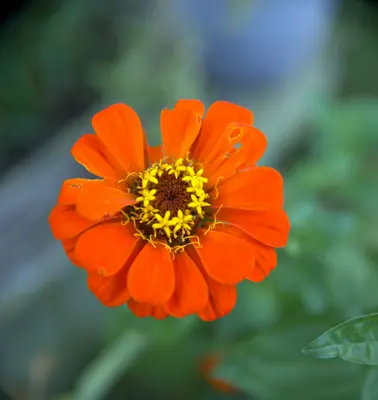
This improved mix is an essential component of any cut-flower offering. Prolific double and semidouble blooms are easy to use in bouquets due to their smaller size. The 1 1/2-2 1/2" blooms hold up well to handling compared to larger blooms which can snap at the stem due to the weight of the larger flower heads. Cut-and-come-again flower, yielding multiple cuts over the season.
Harvest
75-90d
Days to harvest
Sun
Full sun
Zones
2–11
USDA hardiness
Height
0-3 feet
Planting Timeline
Showing dates for Oklahoma Formula Mix Improved in USDA Zone 7
All Zone 7 flower →Zone Map
Click a state to update dates
Oklahoma Formula Mix Improved · Zones 2–11
Growing Details
Succession Planting
Direct sow every 2-3 weeks from your last frost date through early July in zone 7, stopping when daytime highs are regularly cracking 90°F — the seeds will still sprout in heat, but plants tend to shoot up fast and throw a single bloom rather than branching into the multi-stem cuts you're after. A late April sow and a mid-June sow usually produce two distinct flush periods without much overlap. If you're starting indoors, sow 4-6 weeks before your transplant date and don't push it earlier than that — zinnias stall hard when they get root-bound, and a 3-week-old transplant will outperform a 6-week-old one that's been sitting in a tray too long.
Complete Growing Guide
This improved mix is an essential component of any cut-flower offering. Prolific double and semidouble blooms are easy to use in bouquets due to their smaller size. The 1 1/2-2 1/2" blooms hold up well to handling compared to larger blooms which can snap at the stem due to the weight of the larger flower heads. Cut-and-come-again flower, yielding multiple cuts over the season. According to Johnny's Selected Seeds, Oklahoma Formula Mix Improved is 75 - 90 days to maturity, annual, open pollinated. Notable features: Grows Well in Containers, Use for Cut Flowers and Bouquets.
Light: Full sun (6 or more hours of direct sunlight a day). Soil: High Organic Matter, Loam (Silt). Soil pH: Acid (<6.0), Alkaline (>8.0), Neutral (6.0-8.0). Drainage: Good Drainage, Occasionally Dry. Height: 0 ft. 6 in. - 3 ft. 0 in.. Spread: 0 ft. 8 in. - 1 ft. 0 in.. Spacing: 12 inches-3 feet. Growth rate: Rapid. Maintenance: Medium. Propagation: Seed. Regions: Coastal, Mountains, Piedmont.
Harvesting
Oklahoma Formula Mix Improved reaches harvest at 75 - 90 days from sowing per Johnny's Selected Seeds. Expect 1 1/2-2 1/2" at peak. As an annual, harvest continues until frost ends the season.
Type: Achene.
Storage & Preservation
For fresh storage, keep cut stems in a clean vase with fresh, cool water (65-72°F) in a cool location away from direct sunlight and ripening fruits. Change water every 2-3 days for optimal longevity; blooms typically last 7-14 days. Preservation methods include air-drying by hanging bundles upside-down in a dark, well-ventilated space for 1-2 weeks; pressing blooms between parchment paper under weight for dried arrangements; or silica gel drying for 3-7 days to retain color and shape. Remove lower foliage before storing to prevent bacterial growth.
History & Origin
Oklahoma Formula Mix Improved is open-pollinated, meaning seed saved from healthy plants will produce true-to-type offspring. Listed in the Johnny's Selected Seeds catalog.
Origin: Mexico
Advantages
- +Produces abundant double and semidouble blooms ideal for commercial cut-flower operations
- +Smaller 1.5-2.5 inch flowers resist stem snapping from weight and handling
- +Cut-and-come-again variety yields multiple harvests throughout the growing season
- +Easy to grow with straightforward care requirements for beginners
- +Compact bloom size maximizes arrangement versatility and reduces waste per stem
Considerations
- -Smaller flowers may command lower prices than premium large-bloom zinnia varieties
- -Requires consistent deadheading to maintain prolific blooming throughout season
- -Susceptible to powdery mildew in humid or poorly ventilated growing conditions
Companion Plants
Marigolds and sweet alyssum do the most work here — marigolds push back on aphids and whiteflies through both root secretions and foliar compounds, while sweet alyssum draws in hoverflies whose larvae consume aphids in large numbers. Nasturtiums pull double duty as a trap crop, taking aphid pressure off your zinnias by being a more attractive target. Dill nearby recruits parasitic wasps that keep Helicoverpa and other caterpillars in check. Keep zinnias well clear of black walnut trees — juglone moves through the soil from roots and decomposing leaf litter across a wide radius and stalls or kills most annuals, Oklahoma Formula Mix included.
Plant Together
Cosmos
Support beneficial insects and create natural pest control partnerships
Sweet Alyssum
Ground cover that attracts hover flies and other beneficial predatory insects
Nasturtiums
Act as trap crops for aphids and cucumber beetles, protecting nearby flowers
Lavender
Repels moths, fleas, and mosquitoes while attracting beneficial pollinators
Sunflowers
Provide beneficial insect habitat and can offer wind protection for smaller flowers
Dill
Attracts beneficial wasps and predatory insects that control garden pests
Marigolds
Repel nematodes, aphids, and other harmful insects while attracting beneficial pollinators
Zinnias
Attract beneficial insects and pollinators, complement wildflower displays
Keep Apart
Black Walnut Trees
Release juglone toxin that inhibits growth and can kill many flowering plants
Eucalyptus
Produces allelopathic compounds that suppress germination and growth of nearby plants
Dense Turf Grass
Competes aggressively for nutrients and water, suppressing wildflower establishment
Troubleshooting Oklahoma Formula Mix Improved
What you'll see, why it happens, and what to do about it.
White powdery coating on leaves and stems, usually showing up mid-summer when nights cool down slightly
Likely Causes
- Powdery mildew (Erysiphe cichoracearum) — a fungal disease that thrives when humidity is high but foliage stays dry
- Crowded spacing under 12 inches that kills airflow between plants
What to Do
- 1.Thin plants to at least 12 inches apart if you haven't already — airflow is the main lever here
- 2.Spray affected foliage with a diluted baking soda solution (1 tablespoon per gallon of water) or a neem oil mix on a cloudy morning
- 3.Remove and trash the worst-affected stems; don't compost them
Seedlings collapse at the soil line, usually within the first 2 weeks after germination
Likely Causes
- Damping off — typically Pythium or Rhizoctonia fungi thriving in cold, soggy soil
- Overwatering combined with poor drainage in seed trays or beds
What to Do
- 1.Let the top inch of soil dry out between waterings once seeds have sprouted
- 2.Start indoor seeds in a sterile seed-starting mix, not garden soil
- 3.Direct sow outdoors only after soil temps are consistently above 60°F — zinnias germinate in 7-14 days at 70-75°F and rot faster than they sprout in cold ground
Ragged holes chewed in petals and leaves, sometimes flowers disappear overnight
Likely Causes
- Japanese beetles (Popillia japonica) — they go straight for the blooms
- Caterpillars, particularly corn earworm (Helicoverpa zea), which feed on buds and open flowers
What to Do
- 1.Hand-pick Japanese beetles in the early morning when they're sluggish and drop them in soapy water
- 2.For caterpillars, apply Bacillus thuringiensis (Bt) spray directly to affected foliage — it's effective and won't harm bees
- 3.Check plants every 2-3 days during peak summer; early catch keeps populations from exploding
Stunted plants with distorted, curling new growth and sticky residue on stems and buds
Likely Causes
- Aphid infestations (commonly Myzus persicae or Macrosiphum euphorbiae) — they cluster on soft new growth and excrete honeydew
- Ant activity nearby, which often means ants are farming the aphids and running interference against natural predators like ladybugs
What to Do
- 1.Knock aphids off with a firm stream of water from a hose — do this 3 mornings in a row
- 2.If populations are still there after 5-7 days, apply insecticidal soap directly to the colonies, hitting the undersides of leaves where they hide
- 3.Trace ant trails back to their source and address the ants separately, or the aphid colonies will rebuild within a week
Frequently Asked Questions
How long do Oklahoma Formula Mix Improved cut flowers last?▼
Is Oklahoma Formula Mix Improved good for beginner flower gardeners?▼
Can you grow Oklahoma Formula Mix Improved in containers?▼
When should I plant Oklahoma Formula Mix Improved?▼
What makes Oklahoma Formula Mix Improved better for cut flowers than other varieties?▼
How often can I harvest blooms from Oklahoma Formula Mix Improved?▼
Zone-by-Zone Planting Calendar
| Zone | Indoor Start | Transplant | Direct Sow | Harvest |
|---|---|---|---|---|
| Zone 3 | April – May | June – July | June – August | — |
| Zone 4 | March – April | June – June | June – July | — |
| Zone 5 | March – April | May – June | May – July | — |
| Zone 6 | March – April | May – June | May – July | — |
| Zone 7 | February – March | April – May | April – June | — |
| Zone 8 | February – March | April – May | April – June | — |
| Zone 9 | January – February | March – April | March – May | — |
| Zone 10 | January – January | February – March | February – April | — |
| Zone 1 | May – June | July – August | July – September | — |
| Zone 2 | April – May | June – July | June – August | — |
| Zone 11 | January – January | January – February | January – March | — |
| Zone 12 | January – January | January – February | January – March | — |
| Zone 13 | January – January | January – February | January – March | — |
Growing Guides from Wind River Greens
Sources & References
External authority sources used in compiling this guide.
- BreederJohnny's Selected Seeds
See the Methodology page for how this data is sourced, what's AI-assisted, and known limitations.