Gummy Bear
Helianthus annuus
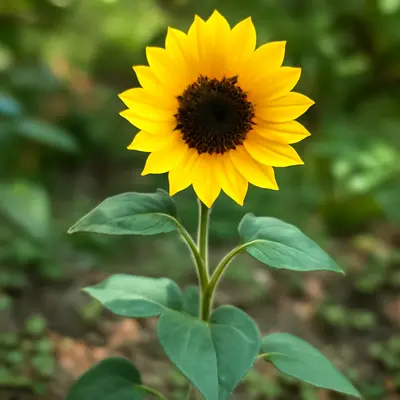
Uniform, branching variety produces 3-5" fully double, fluffy blooms. Great for garden beds, container plantings, and short-stemmed cut flowers. Compared to Teddy Bear, Gummy Bear has lighter yellow coloring, is a bit taller, and is several days later to bloom. Flower form and habit are comparable. Blooms produce minimal pollen.
Harvest
75-85d
Days to harvest
Sun
Full sun
Zones
2–11
USDA hardiness
Height
1-10 feet
Planting Timeline
Showing dates for Gummy Bear in USDA Zone 7
All Zone 7 flower →Zone Map
Click a state to update dates
Gummy Bear · Zones 2–11
Growing Details
Succession Planting
Gummy Bear sunflowers are essentially a one-head-per-plant crop — once the main flower is cut, you may get a few small lateral shoots, but there's no prolonged harvest window the way you'd get from a cut-and-come-again green. To keep blooms coming from midsummer through early fall, stagger direct sowings every 14–21 days from your last frost date through early June (zone 7: roughly April 1 through June 10). Each wave takes 75–85 days to flower, so a June 10 sowing should hit peak bloom right around late August into early September.
Stop sowing once daytime highs are consistently above 90°F — germination rates drop and seedlings struggle to establish in baking soil. If you're starting indoors, sow 4 weeks before your intended transplant date, but sunflowers don't love having their roots disturbed; use biodegradable pots you can drop in the ground whole, or direct sow whenever the timing allows.
Complete Growing Guide
Gummy Bear sunflowers are best started by direct sowing seeds into the garden after your last spring frost date, as they germinate quickly and don't transplant as reliably as some varieties. You can also start seeds indoors 4-6 weeks before your last frost if you prefer transplants, but sow them in peat pots to minimize root disturbance. Direct sow seeds about half an inch deep into warm soil once soil temperatures reach 50°F, planting them roughly two weeks after your final frost date for optimal germination.
Space Gummy Bear plants 12-18 inches apart since this variety grows into a bushy, branching form that needs room to develop its characteristic multiple flowering stems. The soil should be well-draining and moderately fertile—overly rich soil encourages excessive foliage at the expense of flowers. Prepare beds by working in compost to improve drainage and structure. Gummy Bear performs well in containers too, where a 10-inch pot per plant works adequately for this more compact cultivar.
Water regularly during establishment, then transition to deep watering once or twice weekly depending on rainfall and heat. This variety doesn't tolerate waterlogged conditions, so ensure water drains away from the base. Feed monthly with a balanced fertilizer, switching to a lower-nitrogen formula once plants reach 8 inches tall to prevent excessive vegetative growth that delays the blooms you're after. Since Gummy Bear takes approximately 75 days to flower, feeding restraint actually helps them reach that light yellow bloom stage on schedule.
The minimal pollen production that makes Gummy Bear excellent for cut flowers also means you'll see fewer pest insects visiting the plants compared to standard sunflowers. However, watch for spider mites during hot, dry spells—mist foliage regularly if these appear. Powdery mildew can develop on lower leaves in humid conditions, so maintain good air circulation around plants and avoid overhead watering. Sunflower moths occasionally target the seed heads, but Gummy Bear's double-petaled blooms rarely produce viable seeds, making this less of a concern than with single varieties.
Succession planting every two to three weeks from late spring through early summer extends your bloom period, ensuring continuous flowers for cutting or garden display. Pinching out the central leader when plants reach 6-8 inches tall encourages the branching habit Gummy Bear is known for, resulting in more blooms per plant on shorter, sturdier stems—perfect for containers and bedding.
The most common mistake gardeners make with Gummy Bear is overcrowding. The branching growth habit demands space, and cramping plants leads to reduced air circulation, fungal issues, and fewer flowers per plant. Give each plant breathing room, and you'll be rewarded with a full season of cheerful, fluffy yellow blooms.
Harvesting
Gummy Bear reaches harvest at 75 - 85 days from sowing per Johnny's Selected Seeds. Expect 3-5" at peak. As an annual, harvest continues until frost ends the season.
Seeds are ovoid and somewhat flattened
Color: Black, Brown/Copper. Type: Achene. Length: < 1 inch. Width: < 1 inch.
Garden value: Edible
Harvest time: Fall
Edibility: Seeds are used for cooking oil, livestock feed, and as a snack food or garnish. Petals are edible and young flower buds can be steamed like artichokes.
Storage & Preservation
Fresh dahlia blooms store best upright in cool water (65–70°F) in a dark location, lasting 5–7 days with daily water changes and stem recuts. For short-term storage (1–3 days), refrigerate in water-filled vases at 35–40°F. Dried flowers preserve Gummy Bear's form exceptionally well: hang-dry in a dark, airy space for 2–3 weeks, or use a food dehydrator at 95–105°F for 4–6 hours for accelerated drying. Dried blooms retain their pale yellow color for 6–12 months in dry storage. Pressing is also effective—layer blooms between newspaper under weight for 3–4 weeks for flat specimens ideal for crafts or herbals.
History & Origin
Gummy Bear is open-pollinated, meaning seed saved from healthy plants will produce true-to-type offspring. Listed in the Johnny's Selected Seeds catalog.
Origin: Western United States
Advantages
- +Produces abundant 3-5 inch fully double fluffy blooms reliably
- +Branching habit maximizes flower count in garden beds
- +Minimal pollen makes it ideal for allergy-sensitive gardeners
- +Versatile for containers, beds, and short-stem cut arrangements
- +Easy to grow with minimal maintenance requirements
Considerations
- -Later blooming than Teddy Bear variety by several days
- -Lighter yellow color may appear less vibrant than alternatives
- -Taller growth habit requires more staking in windy areas
Companion Plants
Marigolds and nasturtiums do the most useful work here. French marigolds (varieties like 'Petite Gold') produce thiophenes in their roots that suppress root-knot nematodes in surrounding soil — plant them within 12 inches of your sunflower rows and leave them in place all season. Nasturtiums act as a trap crop for aphids, pulling black bean aphids off sunflower stems and concentrating them in one spot where you can deal with them. Zinnias and cosmos round out the bed nicely, drawing in predatory wasps and hoverflies that knock back pest pressure across the whole planting.
Fennel, Black Walnut, and Eucalyptus are the ones to keep away — each for a different reason. Fennel releases allelopathic root compounds that stunt a wide range of annuals, sunflowers included. Black Walnut produces juglone, which is toxic enough to severely set back Helianthus growing anywhere near the tree's canopy. Eucalyptus releases volatile oils with a similar suppressive effect. None of these are negotiable neighbors.
Plant Together
Marigolds
Repel nematodes, aphids, and whiteflies while attracting beneficial insects
Nasturtiums
Act as trap crops for aphids and cucumber beetles, while attracting pollinators
Sweet Alyssum
Attracts beneficial insects like lacewings and hover flies for natural pest control
Lavender
Repels moths, fleas, and mosquitoes while attracting bees and butterflies
Petunias
Natural pesticide properties repel aphids, tomato hornworms, and squash bugs
Zinnia
Attracts beneficial predatory insects and provides complementary colors
Cosmos
Attracts beneficial insects and provides structural support without competing for nutrients
Sunflowers
Provide natural shade and wind protection while attracting pollinators
Keep Apart
Black Walnut
Produces juglone toxin that inhibits growth and can kill sensitive flowering plants
Eucalyptus
Releases allelopathic compounds that suppress growth of nearby flowering plants
Fennel
Inhibits growth of most garden plants through allelopathic root secretions
Troubleshooting Gummy Bear
What you'll see, why it happens, and what to do about it.
Seedling stems pinched off at soil level, usually overnight, within the first 2 weeks after germination
Likely Causes
- Cutworm (Agrotis spp.) — fat, curl-up larvae that live just below the soil surface and feed at night
- Slugs — more likely if soil stays wet or mulch is piled against the stem
What to Do
- 1.Press a 3-inch cardboard collar into the soil around each seedling stem at transplant time
- 2.Scatter diatomaceous earth in a ring around the base, reapplying after rain
- 3.For slugs specifically, set out a shallow dish of beer in the evening and empty it in the morning
Gray-white powdery coating on leaves, usually appearing mid-summer when nights cool down
Likely Causes
- Powdery mildew (Erysiphe cichoracearum) — a fungal infection that thrives when days are warm and nights drop below 60°F
- Poor airflow from crowded spacing under 18 inches
What to Do
- 1.Space plants at least 18 inches apart — 24 inches if your summers are humid
- 2.Mix 1 tablespoon baking soda plus 1 teaspoon horticultural oil into a quart of water and spray the affected leaves weekly
- 3.Strip heavily infected leaves and bin them — don't compost
Flower heads drooping or failing to track the sun, stems bending sharply just below the head
Likely Causes
- Stalk borer (Papaipema nebris) — larvae tunnel into the stem interior, weakening it structurally
- Overwatering combined with fast, soft growth that can't support the head's weight
What to Do
- 1.Slit the stem lengthwise near the bend and check for frass or a pale larva — if you find one, remove it and tape the stem closed with grafting tape
- 2.Stake tall plants (anything over 4 feet) with a bamboo cane once they hit 18 inches — don't wait until they're already leaning
- 3.Let the top inch of soil dry out between waterings once plants are established
Seeds failing to germinate after 14 days, or sprouting unevenly with only a fraction of seeds coming up
Likely Causes
- Soil temperature below 55°F — Helianthus annuus needs 65–85°F at the soil surface for reliable germination
- Sowing depth over 1 inch — seeds buried too deep exhaust their energy before breaking the surface
- Bird predation — jays and crows will dig up and eat seeds within 24 hours of sowing
What to Do
- 1.Use a cheap soil thermometer and don't direct sow until the top 2 inches read at least 60°F consistently
- 2.Sow seeds at ½ inch deep — no deeper
- 3.Lay bird netting or row cover flat over the bed for the first 10 days after sowing, then pull it off
Frequently Asked Questions
How do you grow Gummy Bear flowers from seed?▼
Can you grow Gummy Bear in pots or containers?▼
How does Gummy Bear compare to Teddy Bear dahlia?▼
Is Gummy Bear dahlia easy to grow for beginners?▼
When should you deadhead Gummy Bear flowers?▼
How long do Gummy Bear cut flowers last in a vase?▼
Zone-by-Zone Planting Calendar
| Zone | Indoor Start | Transplant | Direct Sow | Harvest |
|---|---|---|---|---|
| Zone 1 | May – June | July – August | July – September | — |
| Zone 2 | April – May | June – July | June – August | — |
| Zone 11 | January – January | January – February | January – March | — |
| Zone 12 | January – January | January – February | January – March | — |
| Zone 13 | January – January | January – February | January – March | — |
| Zone 3 | April – May | June – July | June – August | — |
| Zone 4 | March – April | June – June | June – July | — |
| Zone 5 | March – April | May – June | May – July | — |
| Zone 6 | March – April | May – June | May – July | — |
| Zone 7 | February – March | April – May | April – June | — |
| Zone 8 | February – March | April – May | April – June | — |
| Zone 9 | January – February | March – April | March – May | — |
| Zone 10 | January – January | February – March | February – April | — |
Growing Guides from Wind River Greens
Sources & References
External authority sources used in compiling this guide.
- BreederJohnny's Selected Seeds
See the Methodology page for how this data is sourced, what's AI-assisted, and known limitations.