Forever Happy
Limonium sinuatum
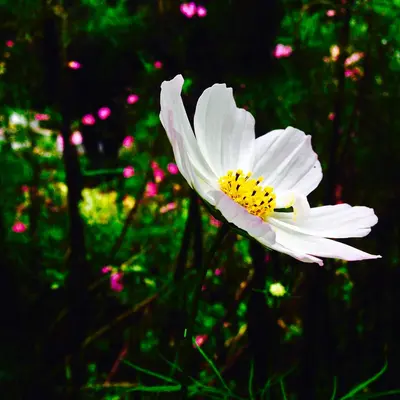
A playful color contrast of light rose-lavender bracts and sunny-yellow flowers when used as a fresh cut flower. This uncommon color combination is useful for bridging multiple colors in an arrangement. Only the rose-lavender bract color will persist when dried. First cuts are a bit short, but stems lengthen with successive harvests. Highly uniform plants. 1 1/2-3" flower clusters on strong stems. Statice is long-lasting for both fresh and dried bouquets. One of the best choices for a dried floral as it holds its color well and is easy to dry. Also known as wavyleaf sea lavender.
Harvest
110-120d
Days to harvest
Sun
Full sun
Zones
8–10
USDA hardiness
Height
12-18 inches
Planting Timeline
Showing dates for Forever Happy in USDA Zone 7
All Zone 7 flower →Zone Map
Click a state to update dates
Forever Happy · Zones 8–10
Growing Details
Succession Planting
Statice isn't a cut-and-come-again crop — each stem blooms once, so succession planting is worth doing if you want a steady supply for drying or arrangements. Start seeds indoors in late February, then again in mid-March. That gives you two transplant rounds: first wave goes in the ground in April, second in early May. In zone 7, daytime highs push past 90°F by late June, and while established statice tolerates heat reasonably well, germination and early seedling growth stall above 75°F soil temperature — don't try to start a third round in June.
The two-wave approach staggers harvest by 3–4 weeks, typically running from late July through September. For dried flowers, cut stems when about half the florets on a spike are open and hang them upside down in a dry spot with good airflow. The 110–120 day window from transplant holds pretty reliably if plants went in on time and didn't sit in wet soil early on.
Complete Growing Guide
A playful color contrast of light rose-lavender bracts and sunny-yellow flowers when used as a fresh cut flower. This uncommon color combination is useful for bridging multiple colors in an arrangement. Only the rose-lavender bract color will persist when dried. First cuts are a bit short, but stems lengthen with successive harvests. Highly uniform plants. 1 1/2-3" flower clusters on strong stems. Statice is long-lasting for both fresh and dried bouquets. One of the best choices for a dried floral as it holds its color well and is easy to dry. Also known as wavyleaf sea lavender. According to Johnny's Selected Seeds, Forever Happy is 110 - 120 days to maturity, annual, open pollinated. Notable features: Use for Cut Flowers and Bouquets, Ideal for Drying and Crafts, Attracts Beneficial Insects.
Light: Full sun (6 or more hours of direct sunlight a day). Soil: Loam (Silt), Sand. Soil pH: Acid (<6.0), Alkaline (>8.0), Neutral (6.0-8.0). Drainage: Good Drainage, Occasionally Dry. Height: 1 ft. 0 in. - 1 ft. 6 in.. Spread: 0 ft. 9 in. - 1 ft. 0 in.. Spacing: 12 inches-3 feet. Growth rate: Rapid. Maintenance: Low. Propagation: Seed. Regions: Coastal, Piedmont.
Harvesting
Forever Happy reaches harvest at 110 - 120 days from sowing per Johnny's Selected Seeds. Expect 1 1/2-3" at peak. As an annual, harvest continues until frost ends the season.
Type: Capsule.
Storage & Preservation
For fresh arrangements, display "Forever Happy" at room temperature away from direct heat and drafts. Change water every 2-3 days and re-cut stems at an angle. Fresh blooms last 2-3 weeks in a vase. For preservation, air-dry bundles by hanging upside-down in a warm, dark, well-ventilated space for 2-3 weeks—the rose-lavender bract color persists beautifully. Alternatively, use silica gel for faster drying (5-7 days) to maintain vibrancy. Dried flowers remain colorfast and ornamental for 6-12 months when stored in a cool, dry location away from moisture and direct sunlight.
History & Origin
Forever Happy is open-pollinated, meaning seed saved from healthy plants will produce true-to-type offspring. Listed in the Johnny's Selected Seeds catalog.
Origin: Mediterranean to western Sahara
Advantages
- +Unique rose-lavender and yellow color combination bridges multiple arrangement colors
- +Exceptional longevity in both fresh and dried floral applications
- +Highly uniform plants produce consistently sized 1.5-3 inch flower clusters
- +Retains rose-lavender bract color beautifully when dried for arrangements
- +Easy to grow with minimal care requirements for most gardeners
Considerations
- -First harvests produce shorter stems than subsequent cuttings
- -Requires successive harvests to achieve desired stem length for arrangements
- -Rose-lavender color fades to single tone when dried, losing two-tone effect
Companion Plants
Marigolds and Sweet Alyssum are the most useful neighbors for statice. French marigold types like 'Petite Gold' push out root secretions and a scent strong enough to confuse aphids and whiteflies at close range, while Sweet Alyssum draws in parasitic wasps that work through thrips populations — a real problem on dense flower plantings where humidity builds up between stems. Lavender and Catmint pull their weight through overlapping bloom times: they keep beneficial insects cycling through the bed from May into September, which matters more than any single pest-repellent claim.
The three to stay away from are Black Walnut, Eucalyptus, and Fennel. Black Walnut is the most damaging — juglone leaches out of the root zone and will stunt or kill statice; give it at least 50–60 feet of clearance from any walnut on your property. Fennel is a quieter offender, mildly allelopathic and slow to show its effects, but most annual flowers near it underperform by mid-season. Around here in the southeast, Eucalyptus rarely shows up in kitchen gardens, but its decomposing leaf litter drops soil pH sharply and suppresses neighboring plants — worth knowing if you've got one as an ornamental.
Plant Together
Marigolds
Repel nematodes, aphids, and other harmful insects while attracting beneficial predators
Lavender
Deters pests with strong fragrance and attracts pollinators like bees and butterflies
Sweet Alyssum
Attracts beneficial insects like lacewings and parasitic wasps for natural pest control
Nasturtiums
Act as trap crop for aphids and cucumber beetles while adding nitrogen to soil
Zinnia
Attracts butterflies and beneficial insects while providing complementary colors
Cosmos
Attracts beneficial insects and provides natural support structure without competing for nutrients
Catmint
Repels ants, mosquitoes, and rodents while attracting pollinators
Sunflowers
Provide natural windbreak and attract beneficial birds that eat pest insects
Keep Apart
Black Walnut
Produces juglone, a natural herbicide that inhibits growth of many flowering plants
Eucalyptus
Releases allelopathic compounds that suppress growth of nearby plants
Fennel
Inhibits growth of most garden plants through allelopathy and attracts beneficial insects away from flowers
Troubleshooting Forever Happy
What you'll see, why it happens, and what to do about it.
Seedlings damping off at soil level — stem pinches to a thread and plant collapses, usually within the first 2 weeks after germination
Likely Causes
- Pythium or Rhizoctonia fungi thriving in waterlogged seed-starting mix
- Trays kept too wet and too warm with poor airflow
What to Do
- 1.Use a sterile, well-draining seed-starting mix and water from the bottom only
- 2.Run a small fan near the trays to move air across the surface
- 3.If it's already spreading, remove collapsed seedlings immediately and let the mix dry down before watering again
Powdery white coating on leaves, usually showing up in late summer when nights cool and humidity climbs
Likely Causes
- Powdery mildew (Erysiphe cichoracearum) — common on Limonium in humid conditions
- Plants crowded closer than 12 inches with no airflow between them
What to Do
- 1.Space plants at least 12 inches apart at transplant — don't fudge this
- 2.Spray affected foliage with a diluted baking soda solution (1 tablespoon per gallon) or a labeled sulfur fungicide
- 3.Pull heavily infected plants rather than fighting a losing battle late in the season
Flower stems yellowing and growth stalling despite regular watering — roots look brown and mushy when you pull the plant
Likely Causes
- Root rot from overwatering or poorly drained clay soil
- Limonium is drought-tolerant once established and does not want consistently moist roots
What to Do
- 1.Plant in raised beds or amended beds with sharp drainage — work in coarse sand or fine pine bark if your native soil is heavy clay
- 2.Water deeply but infrequently: once every 7–10 days once plants are established, less if it's rained
- 3.Don't plant in a low spot that holds water after rain
Frequently Asked Questions
How long do Forever Happy flowers last in a vase?▼
Is Forever Happy a good choice for dried flower arrangements?▼
Can I grow Forever Happy in containers?▼
When should I plant Forever Happy seeds?▼
What makes Forever Happy unique compared to standard statice?▼
Do Forever Happy plants get taller with multiple harvests?▼
Zone-by-Zone Planting Calendar
| Zone | Indoor Start | Transplant | Direct Sow | Harvest |
|---|---|---|---|---|
| Zone 3 | April – May | June – July | June – August | — |
| Zone 4 | March – April | June – June | June – July | — |
| Zone 5 | March – April | May – June | May – July | — |
| Zone 6 | March – April | May – June | May – July | — |
| Zone 7 | February – March | April – May | April – June | — |
| Zone 8 | February – March | April – May | April – June | — |
| Zone 9 | January – February | March – April | March – May | — |
| Zone 10 | January – January | February – March | February – April | — |
| Zone 1 | May – June | July – August | July – September | — |
| Zone 2 | April – May | June – July | June – August | — |
| Zone 11 | January – January | January – February | January – March | — |
| Zone 12 | January – January | January – February | January – March | — |
| Zone 13 | January – January | January – February | January – March | — |
Growing Guides from Wind River Greens
Sources & References
External authority sources used in compiling this guide.
- ExtensionNC State Extension
- BreederJohnny's Selected Seeds
See the Methodology page for how this data is sourced, what's AI-assisted, and known limitations.