Chief Carmine
Celosia argentea cristata
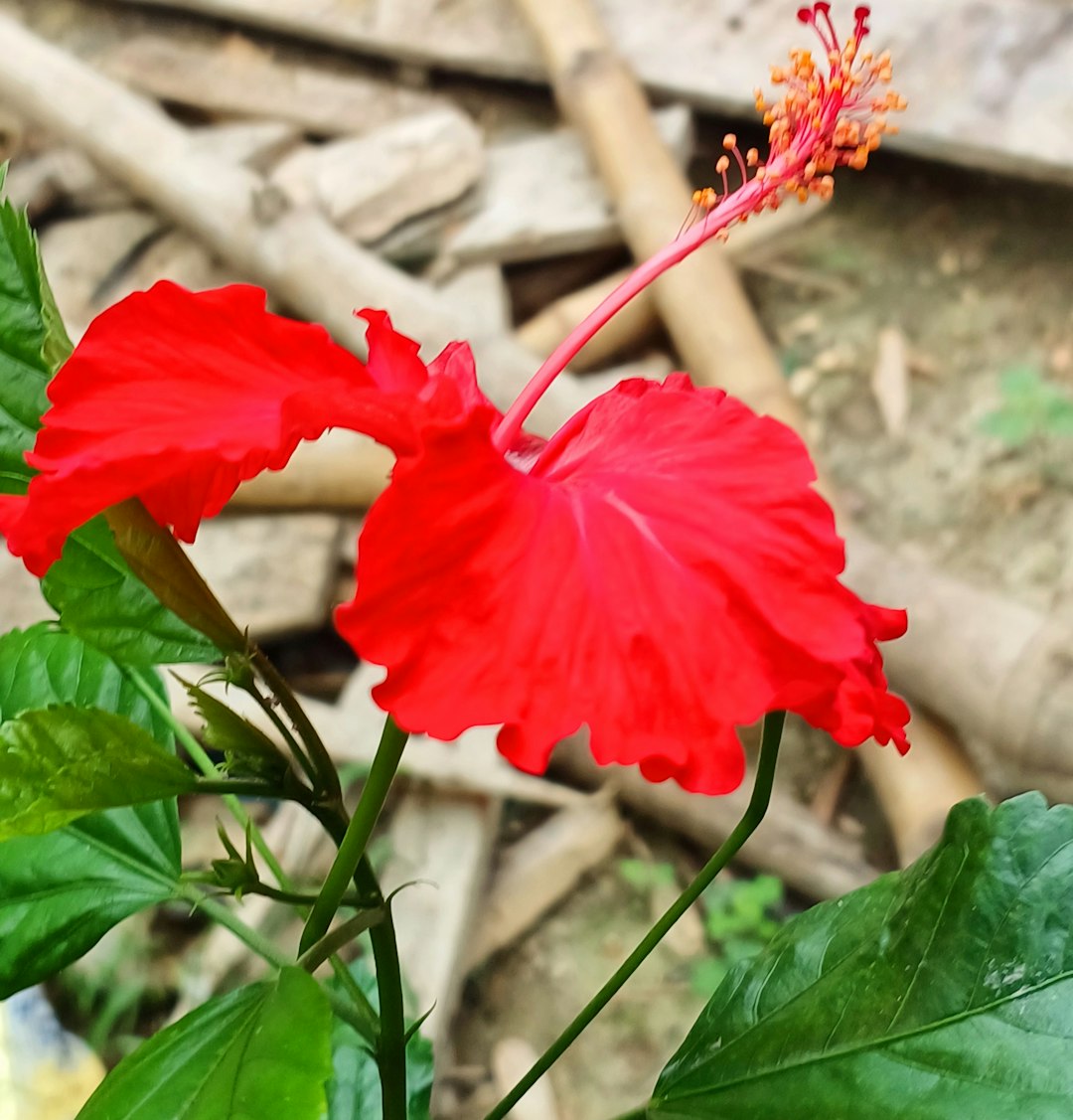
Bright carmine red, 2-7" blooms make useful fresh or dried cut flowers. Also known as cockscomb and crested cock's comb.
Harvest
90-120d
Days to harvest
Sun
Full sun
Zones
10–11
USDA hardiness
Height
9-18 inches
Planting Timeline
Showing dates for Chief Carmine in USDA Zone 7
All Zone 7 flower →Zone Map
Click a state to update dates
Chief Carmine · Zones 10–11
Growing Details
Complete Growing Guide
Bright carmine red, 2-7" blooms make useful fresh or dried cut flowers. Also known as cockscomb and crested cock's comb. According to Johnny's Selected Seeds, Chief Carmine is 90 - 120 days to maturity, annual, open pollinated. Notable features: Use for Cut Flowers and Bouquets, Ideal for Drying and Crafts.
Light: Full sun (6 or more hours of direct sunlight a day). Soil: High Organic Matter, Loam (Silt), Sand. Soil pH: Neutral (6.0-8.0). Drainage: Good Drainage, Occasionally Dry. Height: 0 ft. 9 in. - 1 ft. 6 in.. Spread: 0 ft. 9 in. - 1 ft. 0 in.. Spacing: 12 inches-3 feet. Growth rate: Rapid. Maintenance: Low. Propagation: Seed. Regions: Coastal, Piedmont.
Harvesting
Chief Carmine reaches harvest at 90 - 120 days from sowing per Johnny's Selected Seeds. Expect 2-7" at peak. As an annual, harvest continues until frost ends the season.
Smooth, glossy, shiny capsule contain many seeds
Color: Black. Type: Capsule.
Edibility: The leaves and young shoots are cooked and used in soups and stews. The seeds yield edible oil.
Storage & Preservation
For fresh blooms, store upright in a vase with cool water at 65-75°F in a cool, humid location away from direct sunlight and ripening fruit. Refresh water every 2-3 days; cut flowers last 10-14 days. For dried preservation: hang-dry bundles upside down in a well-ventilated, dark space for 2-3 weeks, or use silica gel drying for faster results (7-10 days) to maintain vibrant carmine color. Dried flowers stored in airtight containers in cool, dry conditions last 6-12 months.
History & Origin
Chief Carmine is open-pollinated, meaning seed saved from healthy plants will produce true-to-type offspring. Listed in the Johnny's Selected Seeds catalog.
Origin: Tropical Africa
Advantages
- +Vibrant carmine red blooms stand out in garden beds and arrangements.
- +Extended 90-120 day season provides long-lasting color and cut flowers.
- +Versatile for both fresh arrangements and dried flower crafts.
- +Easy to grow making it suitable for beginner gardeners.
- +Large 2-7 inch crested blooms create dramatic visual impact.
Considerations
- -Requires consistently warm temperatures and struggles in cool climates.
- -Prefers well-draining soil and prone to rot in wet conditions.
- -Tall varieties may need staking support in windy locations.
Companion Plants
Marigolds (especially Tagetes patula) are the most practical neighbor here — their root secretions deter soil nematodes, and they draw whiteflies away from the celosia before those populations get established. Alyssum pulls in parasitic wasps that keep aphids from taking hold. Cosmos and Zinnia are fine at 12-18 inches and don't compete aggressively for water. Black Walnut is the one to skip entirely — juglone leaches from the roots and will stunt or kill Chief Carmine well before you realize what's happening — and Eucalyptus carries similar allelopathic compounds worth respecting.
Plant Together
Marigolds
Repel aphids, whiteflies, and nematodes while attracting beneficial insects
Alyssum
Attracts beneficial predatory insects like lacewings and hoverflies
Nasturtiums
Act as trap crops for aphids and cucumber beetles, drawing pests away
Petunias
Repel aphids, tomato hornworms, and squash bugs naturally
Cosmos
Attract beneficial pollinators and predatory insects while providing complementary height
Zinnia
Attract butterflies and beneficial insects, bloom simultaneously for extended color
Catnip
Repels mosquitoes, ants, and aphids more effectively than many chemical repellents
Lavender
Repels moths, fleas, and mosquitoes while attracting beneficial pollinators
Keep Apart
Black Walnut
Produces juglone toxin that inhibits growth and can kill sensitive flowering plants
Eucalyptus
Releases allelopathic compounds that suppress growth of nearby plants
Sunflowers
Release allelopathic chemicals and compete aggressively for nutrients and water
Pests & Disease Resistance
Common Pests
Spider mites, whiteflies, aphids
Diseases
Root rot, stem rot, fungal leaf spot
Troubleshooting Chief Carmine
What you'll see, why it happens, and what to do about it.
Tiny stippled or bronzed patches on leaves, often with fine webbing on the undersides during hot, dry stretches
Likely Causes
- Spider mite (Tetranychus urticae) infestation — they thrive when temps push above 90°F and humidity drops
- Dusty conditions that stress the plant and attract mites
What to Do
- 1.Blast the undersides of leaves with a strong stream of water every 2-3 days to knock populations down
- 2.Apply insecticidal soap or neem oil at dusk — repeat every 5-7 days for at least three applications
- 3.Keep plants well-watered; drought-stressed celosia gets hit harder and recovers slower
Stem collapses at soil level — plant wilts and falls over even when the soil isn't bone dry
Likely Causes
- Pythium or Rhizoctonia stem rot, both triggered by waterlogged soil or heavy clay that stays wet
- Planting too deep or burying the stem crown with mulch
What to Do
- 1.Pull the affected plant — there's no saving a collapsed stem — and let the bed dry out before replanting
- 2.Amend beds with coarse perlite or aged compost to improve drainage before the next planting
- 3.Keep mulch at least 1 inch away from the base of the stem
Yellowing leaves with water-soaked or tan spots that expand and develop a dark margin, showing up mid-season
Likely Causes
- Fungal leaf spot (Cercospora or Alternaria species) — spreads by rain splash and overhead irrigation
- Crowded spacing under 12 inches that traps moisture and limits airflow
What to Do
- 1.Remove affected leaves immediately and bin them — don't compost them
- 2.Switch to drip irrigation or water at the base; if you're hand-watering, do it in the morning so foliage dries by noon
- 3.Space transplants at least 12 inches apart — 15 if your beds stay humid
Frequently Asked Questions
How long do Chief Carmine cut flowers last in a vase?▼
Is Chief Carmine good for beginners to grow?▼
Can you grow Chief Carmine in containers?▼
When should I plant Chief Carmine seeds?▼
What is the difference between Chief Carmine and other cockscomb varieties?▼
How should I dry Chief Carmine flowers for arrangements?▼
Zone-by-Zone Planting Calendar
| Zone | Indoor Start | Transplant | Direct Sow | Harvest |
|---|---|---|---|---|
| Zone 1 | May – June | July – August | July – September | — |
| Zone 2 | April – May | June – July | June – August | — |
| Zone 11 | January – January | January – February | January – March | — |
| Zone 12 | January – January | January – February | January – March | — |
| Zone 13 | January – January | January – February | January – March | — |
| Zone 3 | April – May | June – July | June – August | — |
| Zone 4 | March – April | June – June | June – July | — |
| Zone 5 | March – April | May – June | May – July | — |
| Zone 6 | March – April | May – June | May – July | — |
| Zone 7 | February – March | April – May | April – June | — |
| Zone 8 | February – March | April – May | April – June | — |
| Zone 9 | January – February | March – April | March – May | — |
| Zone 10 | January – January | February – March | February – April | — |
Growing Guides from Wind River Greens
Sources & References
External authority sources used in compiling this guide.
- BreederJohnny's Selected Seeds
See the Methodology page for how this data is sourced, what's AI-assisted, and known limitations.