Snowmaiden
Scabiosa atropurpurea
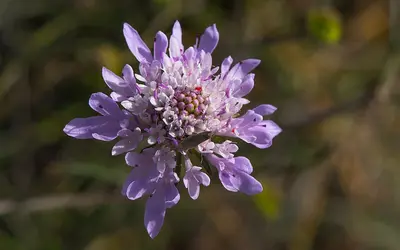
1 1/2-2 1/2", pure white flowers stand tall on strong, slender stems. A dramatic addition to any bouquet or garden. Also known as mourningbride.
Harvest
90-100d
Days to harvest
Sun
Full sun
Zones
4–11
USDA hardiness
Height
2-3 feet
Planting Timeline
Showing dates for Snowmaiden in USDA Zone 7
All Zone 7 flower →Zone Map
Click a state to update dates
Snowmaiden · Zones 4–11
Growing Details
Succession Planting
Snowmaiden blooms over a long stretch but slows noticeably when sustained heat sets in, so staggering your sowings pays off if you want steady cutting stems. In zone 7, start seeds indoors in late February or early March, direct sow again around mid-April, and once more in late May — roughly every 3-4 weeks. That puts overlapping plants at different stages through summer. Stop direct sowing by mid-June; anything started later won't have enough temperate weeks ahead to reach full bloom before frost closes things down.
A single sowing gives you a 3-4 week flush and then it tapers off noticeably. Two or three staggered plantings keeps stems coming from late June through October in most temperate climates, which is the whole point if you're growing Snowmaiden for vases rather than just garden color.
Complete Growing Guide
Snowmaiden is one of the most forgiving cut flowers you can grow, but a little planning goes a long way toward a season of armloads of blooms.
Choose a spot with full sun — at least six hours, ideally more. Scabiosa tolerates a range of soils but truly thrives in well-drained, neutral to slightly alkaline ground. If your soil is acidic, work in a handful of garden lime per square foot a few weeks before planting. Heavy clay should be lightened with compost; soggy roots are the fastest way to lose plants. Before sowing, work two to three inches of finished compost into the top six inches of soil along with a balanced, slow-release fertilizer.
You can start Snowmaiden indoors 6–8 weeks before your last frost in trays or soil blocks, barely covering the seed since light aids germination. Keep at 65–70°F and expect sprouts in 10–14 days. In zones 7 and warmer, direct sowing after the last frost works equally well — scatter seed, press in, and keep evenly moist until established. Transplant or thin to 9–12 inches apart; crowded plants flop and produce shorter stems.
Once plants are six inches tall, pinch out the central growing tip just above a leaf pair. This is the single most important step for cut-flower growers — pinching forces side-branching and can double or triple your stem count. Don't skip it.
Feed lightly every three to four weeks with a balanced liquid fertilizer; avoid heavy nitrogen, which produces lush foliage at the expense of flowers. Water deeply about an inch per week, letting the surface dry between waterings. Snowmaiden's tall, wiry stems benefit enormously from horizontal netting (Hortonova or similar) installed when plants are about a foot tall. Without support, summer storms will lay them flat.
Common mistakes to avoid: planting in shade (you'll get weak stems and fewer blooms), letting the soil stay soggy, and failing to deadhead. Scabiosa is a cut-and-come-again flower — the more you harvest, the more it produces. Leaving spent blooms on the plant signals it to set seed and shut down.
In cooler climates (zones 3–6), Snowmaiden performs best from late spring through fall. In hot southern zones (8+), sow in early spring for late spring/early summer blooms, then again in late summer for a fall flush; intense midsummer heat will pause flowering. Mulch with two inches of straw or shredded leaves to keep roots cool and conserve moisture.
Harvesting
Harvest Snowmaiden in the cool of early morning, when stems are fully turgid and sugars are highest. The ideal stage is when the outer ring of florets has just opened but the center pincushion is still tight and slightly domed — this is sometimes called the 'half-open' stage and gives you the longest vase life. Flowers cut fully open will still be beautiful but won't last as long.
Use sharp, clean snips and cut deep into the plant — at least 12–18 inches down, just above a leaf node or branching point. Cutting deep encourages longer stems on the next flush; cutting short trains the plant to produce short stems all season. Strip lower foliage immediately and plunge stems into a bucket of cool water with floral preservative.
Harvest every two to three days during peak season. The more aggressively and consistently you cut, the more blooms you'll get — Snowmaiden can produce well into autumn if never allowed to set seed.
Storage & Preservation
Properly conditioned Snowmaiden stems hold 5–7 days in a vase. After cutting, rest stems in cool water in a dark, cool space (around 38–40°F if you have a flower cooler, or a cool basement) for at least four hours before arranging — this 'hardening off' dramatically extends vase life. Recut stems underwater and refresh water every two days.
For drying, harvest at the half-open stage, strip foliage, and hang small bundles upside down in a dark, airy space for 2–3 weeks. The papery seedheads (often called 'drumstick' pods) that form after blooming are equally prized — let a few flowers go to seed, then cut and dry the spherical seedheads for winter wreaths and arrangements. Pressed flowers also retain their delicate form well for botanical art.
History & Origin
Scabiosa atropurpurea is native to the Mediterranean region, particularly southern Europe and North Africa, and has been cultivated in European gardens since at least the 16th century. The common name 'mourningbride' refers to the deep, near-black-purple of the original wild form, which was traditionally worn at funerals and grew alongside the practice of Victorian floriography, where scabiosa symbolized 'unfortunate love.' The genus name comes from the Latin scabies, referencing the plant's historical use in folk medicine to treat skin afflictions.
White-flowered selections like Snowmaiden emerged from generations of cottage-garden seed saving, where gardeners selected for purity of color and stem strength. As an open-pollinated heirloom, Snowmaiden has been passed down through seed exchanges and small specialty seed houses for over a century. Its enduring popularity among flower farmers and floral designers — especially for white-themed weddings and moon gardens — has secured its place in the modern cut-flower revival.
Advantages
- +Exceptional vase life of 5–7 days when harvested at the half-open stage
- +Strong, wiry stems that never need individual staking with proper netting
- +True cut-and-come-again habit — more harvesting yields more flowers
- +Highly attractive to bees, butterflies, and beneficial hoverflies
- +Drought tolerant once established, requiring minimal supplemental water
- +Decorative dried seedheads extend the harvest into autumn crafts
- +Easy from seed with no special pretreatment required
Considerations
- -Stops blooming during sustained heat above 90°F in southern zones
- -Will flop badly without horizontal support netting in windy sites
- -Pure white petals show rain damage and bruising more than colored varieties
- -Must be deadheaded religiously or plants quickly go to seed and shut down
- -Slower to bloom than zinnias or cosmos, requiring 90–100 days from seed
Companion Plants
Marigolds (especially Tagetes patula) and sweet alyssum do real work near Scabiosa. Alyssum draws in parasitic wasps and hoverflies — both of which target the aphids that like to cluster on Snowmaiden's stems — while marigolds pull similar duty and give you a color contrast against the white blooms that's actually useful in a cutting garden. Lavender and catmint fit naturally alongside Snowmaiden because all three want the same conditions: lean soil, sharp drainage, and 6-plus hours of sun. No competition for water, no root crowding.
Sunflowers are the companion to skip. They release allelopathic compounds from their roots and decomposing leaves that can stunt neighboring plants, and Scabiosa is sensitive enough that the two shouldn't share a bed. Black walnut produces juglone — a root toxin that moves through the soil and damages a wide range of plants — so if there's a walnut on your property, site Snowmaiden well away from its drip line.
Plant Together
Marigolds
Repel aphids, whiteflies, and nematodes while attracting beneficial insects
Sweet Alyssum
Attracts beneficial insects and provides ground cover to retain soil moisture
Nasturtiums
Act as trap crops for aphids and cucumber beetles, drawing pests away
Lavender
Repels moths, fleas, and mosquitoes while attracting pollinators
Chives
Repel aphids and thrips with their strong sulfur compounds
Catmint
Deters ants, aphids, and rodents while attracting beneficial pollinators
Cosmos
Attract beneficial insects and provide structural support without competition
Parsley
Attracts beneficial insects like hoverflies and parasitic wasps
Keep Apart
Black Walnut
Produces juglone toxin that inhibits growth and can kill sensitive plants
Eucalyptus
Releases allelopathic compounds that suppress nearby plant growth
Sunflowers
Release allelopathic chemicals and compete aggressively for nutrients and water
Pests & Disease Resistance
Common Pests
Aphids, spider mites, slugs
Diseases
Powdery mildew, root rot in poorly drained soil
Troubleshooting Snowmaiden
What you'll see, why it happens, and what to do about it.
White powdery coating on upper leaf surfaces, usually showing up mid-summer when nights get cooler
Likely Causes
- Powdery mildew (Erysiphe cichoracearum) — fungal spores spread by wind, thrives when days are warm and nights are cool
- Poor air circulation from tight spacing or crowded beds
What to Do
- 1.Space plants at least 9-12 inches apart so air can move through — crowding is the main reason this gets bad fast
- 2.Spray affected foliage with a diluted neem oil solution (2 tsp per quart of water) weekly until symptoms stop spreading
- 3.Remove heavily infected stems entirely and trash them — don't compost
Leaves stippled with tiny pale dots, undersides webby, plants looking dull and washed out in hot dry stretches
Likely Causes
- Two-spotted spider mites (Tetranychus urticae) — population explodes when temps stay above 85°F and humidity drops
- Dusty conditions, which mites prefer
What to Do
- 1.Blast the undersides of leaves with a strong stream of water every 2-3 days to knock mites off and disrupt reproduction
- 2.Apply insecticidal soap (not dish soap) to undersides of leaves in the early morning — repeat every 5-7 days for 3 applications
- 3.Keep plants watered consistently; drought-stressed Scabiosa is far more susceptible
Stems collapsing at the soil line, roots brown and mushy when you pull the plant
Likely Causes
- Root rot — most often Pythium or Phytophthora species in poorly drained soil
- Overwatering, especially in heavy clay or compacted beds
What to Do
- 1.Pull and discard affected plants immediately — there's no saving a plant with rotted roots
- 2.Amend the bed with coarse perlite or grit before the next planting; Snowmaiden needs soil that drains within an hour of rain
- 3.Raise beds or plant on a slight slope if your ground holds water after storms
Frequently Asked Questions
How long does Snowmaiden scabiosa take to bloom from seed?▼
Is Snowmaiden good for beginner gardeners?▼
Can you grow Snowmaiden in containers?▼
When should I plant Snowmaiden seeds?▼
Is Snowmaiden a perennial or annual?▼
Why isn't my Snowmaiden blooming?▼
Zone-by-Zone Planting Calendar
| Zone | Indoor Start | Transplant | Direct Sow | Harvest |
|---|---|---|---|---|
| Zone 1 | May – June | July – August | July – September | — |
| Zone 2 | April – May | June – July | June – August | — |
| Zone 11 | January – January | January – February | January – March | — |
| Zone 12 | January – January | January – February | January – March | — |
| Zone 13 | January – January | January – February | January – March | — |
| Zone 3 | April – May | June – July | June – August | — |
| Zone 4 | March – April | June – June | June – July | — |
| Zone 5 | March – April | May – June | May – July | — |
| Zone 6 | March – April | May – June | May – July | — |
| Zone 7 | February – March | April – May | April – June | — |
| Zone 8 | February – March | April – May | April – June | — |
| Zone 9 | January – February | March – April | March – May | — |
| Zone 10 | January – January | February – March | February – April | — |
Growing Guides from Wind River Greens
Sources & References
External authority sources used in compiling this guide.
- BreederJohnny's Selected Seeds
See the Methodology page for how this data is sourced, what's AI-assisted, and known limitations.