Queeny Lime Orange
Zinnia elegans
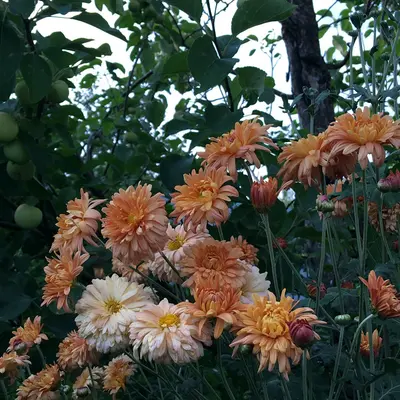
Wikimedia Commons via Zinnia elegans
Innovative addition to the Queeny series. Glowing, apricot blooms with a blush of lime and bright rose centers. A popular color combination suitable for market flowers and sophisticated design work. Mostly double and semidouble, 2-3 1/2" blooms with a small percentage of singles. Cut-and-come-again flower, yielding multiple cuts over the season. Compared to Benary's Giant Salmon Rose, blooms are smaller with a lighter, more subtle coloring. Color gradient gives a unique three-dimensional appearance. Previously and widely known as 'Queen Lime Orange.' Over the years, as the breeder has developed new colors in the series, he has transitioned the series name from "Queen" to "Queeny." To respect his wishes, we have updated the product names accordingly. AAS Winner.
Harvest
75-85d
Days to harvest
Sun
Full sun
Zones
2–11
USDA hardiness
Height
0-3 feet
Planting Timeline
Showing dates for Queeny Lime Orange in USDA Zone 7
All Zone 7 flower →Zone Map
Click a state to update dates
Queeny Lime Orange · Zones 2–11
Growing Details
Succession Planting
Start a first round indoors in February–March (zone 7) or direct sow after last frost once soil hits 60°F. Sow again every 3–4 weeks through June to keep a continuous flush of blooms going into fall. Zinnias slow down and stop setting buds once daytime highs are consistently above 90°F, so a mid-June sowing will coast through that heat and hit peak production in September — often the best cut-flower window of the year. Stop successive sowings by early July; anything started later won't have time to reach the 75–85 day mark before frost.
Complete Growing Guide
Innovative addition to the Queeny series. Glowing, apricot blooms with a blush of lime and bright rose centers. A popular color combination suitable for market flowers and sophisticated design work. Mostly double and semidouble, 2-3 1/2" blooms with a small percentage of singles. Cut-and-come-again flower, yielding multiple cuts over the season. Compared to Benary's Giant Salmon Rose, blooms are smaller with a lighter, more subtle coloring. Color gradient gives a unique three-dimensional appearance. Previously and widely known as 'Queen Lime Orange.' Over the years, as the breeder has developed new colors in the series, he has transitioned the series name from "Queen" to "Queeny." To respect his wishes, we have updated the product names accordingly. AAS Winner. According to Johnny's Selected Seeds, Queeny Lime Orange is 75 - 85 days to maturity, annual, open pollinated. Notable features: Use for Cut Flowers and Bouquets, AAS (All-America Selections) Winners.
Light: Full sun (6 or more hours of direct sunlight a day). Soil: High Organic Matter, Loam (Silt). Soil pH: Acid (<6.0), Alkaline (>8.0), Neutral (6.0-8.0). Drainage: Good Drainage, Occasionally Dry. Height: 0 ft. 6 in. - 3 ft. 0 in.. Spread: 0 ft. 8 in. - 1 ft. 0 in.. Spacing: 12 inches-3 feet. Growth rate: Rapid. Maintenance: Medium. Propagation: Seed. Regions: Coastal, Mountains, Piedmont.
Harvesting
Queeny Lime Orange reaches harvest at 75 - 85 days from sowing per Johnny's Selected Seeds. Expect 2-3 1/2" at peak. As an annual, harvest continues until frost ends the season.
Type: Achene.
Storage & Preservation
For fresh storage, keep Queeny Lime Orange cut flowers in a clean vase with cool water (65-72°F) in a cool room away from direct sunlight and ripening fruit. Change water every 2-3 days and re-cut stems at an angle. Shelf life is typically 7-10 days. Preservation methods include: (1) Air drying—hang stems upside down in a warm, dry, dark location for 1-2 weeks; (2) Glycerin preservation—condition stems for 24 hours, then place in a glycerin solution for 2-3 weeks to maintain suppleness; (3) Pressing—place blooms between paper layers under weight for 2-3 weeks for floral arrangements or crafts.
History & Origin
Queeny Lime Orange is open-pollinated, meaning seed saved from healthy plants will produce true-to-type offspring. Listed in the Johnny's Selected Seeds catalog.
Origin: Mexico
Advantages
- +Unique three-color gradient creates sophisticated visual depth and design appeal.
- +Cut-and-come-again habit provides multiple harvests throughout the growing season.
- +Smaller blooms ideal for detailed floral arrangements and market bouquets.
- +Easy to grow with only 75-85 days to first flowers.
- +AAS Winner status confirms superior performance and reliability.
Considerations
- -Smaller 2-3.5 inch blooms may require more stems per arrangement.
- -Semidouble and single percentages reduce consistency for high-end floral work.
- -Lighter coloring less impactful than deeper Benary's Giant alternatives.
Companion Plants
Marigolds — French types like 'Petite Gold' in particular — are the most practical neighbor here: they deter aphids and thrips that cluster on zinnia stems, and their lower profile fills the gap under the taller zinnia canopy without competing for light. Sweet Alyssum draws in parasitic wasps (Braconidae and Chalcididae) that reduce caterpillar pressure, and it stays under 6 inches tall so it's not a fight. Black Walnut is the one to keep off the property entirely if you're growing zinnias nearby — juglone diffuses through the root zone and soil, and annuals like Zinnia elegans have little tolerance for it. Sunflowers look good in the catalog photo next to zinnias, but once they clear 4 feet they'll cast enough shade to stall bloom production.
Plant Together
Marigold
Repels aphids, whiteflies, and nematodes while attracting beneficial insects
Nasturtium
Acts as trap crop for aphids and cucumber beetles, deters squash bugs
Sweet Alyssum
Attracts beneficial insects like hoverflies and parasitic wasps
Lavender
Repels moths, fleas, and mosquitoes while attracting pollinators
Zinnia
Attracts ladybugs, butterflies, and other beneficial pollinators
Petunias
Natural pest deterrent, repels aphids, tomato hornworms, and squash bugs
Cosmos
Attracts beneficial insects and provides habitat for pest predators
Chives
Repels aphids and Japanese beetles with strong sulfur compounds
Keep Apart
Black Walnut
Releases juglone toxin that inhibits growth of many flowering plants
Eucalyptus
Allelopathic compounds suppress growth of nearby plants
Sunflower
Allelopathic effects can stunt growth of smaller flowering plants
Troubleshooting Queeny Lime Orange
What you'll see, why it happens, and what to do about it.
White powdery coating on leaves and stems, usually showing up mid-summer when nights cool down slightly
Likely Causes
- Powdery mildew (Erysiphe cichoracearum) — a fungal pathogen that thrives in warm days and cool, humid nights
- Poor airflow from tight spacing under 12 inches
What to Do
- 1.Space plants at least 12–18 inches apart to let air move through
- 2.Spray affected foliage with a diluted solution of 1 tablespoon baking soda per gallon of water, or a neem oil product
- 3.Remove and trash the worst-affected leaves — don't compost them
Stems collapsing at soil level on seedlings shortly after germination or transplant
Likely Causes
- Damping off (Pythium or Rhizoctonia fungi) — triggered by overly wet soil and poor drainage
- Sowing too early into cold, slow-draining soil where moisture sits
What to Do
- 1.Direct sow only after soil temps reach 60°F consistently — zinnias don't need a head start and resent it
- 2.Water in the morning so the soil surface dries by evening
- 3.If starting indoors, use a sterile seed-starting mix and don't overwater; a heat mat set to 70–75°F speeds germination to the lower end of the 7–14 day range
Few or no blooms by day 85, with lots of leafy growth instead
Likely Causes
- Excess nitrogen — common when planted in a recently heavily-amended bed
- Insufficient sun — less than 6 hours of direct light significantly delays flowering
- No deadheading, so the plant is putting energy into ripening seed on the first flush rather than pushing new buds
What to Do
- 1.Cut spent blooms back to a lateral leaf node — deadheading every 5–7 days keeps Queeny Lime Orange producing through frost
- 2.Move containers to a spot with 6+ hours of direct sun, or note the bed's light pattern for next season
- 3.Skip the extra fertilizer; a single side-dress of balanced compost at planting is plenty for this variety
Frequently Asked Questions
How long do Queeny Lime Orange cut flowers last in a vase?▼
Is Queeny Lime Orange a good flower for beginners to grow?▼
Can I grow Queeny Lime Orange in containers?▼
What makes Queeny Lime Orange unique compared to other varieties?▼
When should I plant Queeny Lime Orange seeds and how long until flowers appear?▼
Is Queeny Lime Orange suitable for professional florists and market growers?▼
Zone-by-Zone Planting Calendar
| Zone | Indoor Start | Transplant | Direct Sow | Harvest |
|---|---|---|---|---|
| Zone 3 | April – May | June – July | June – August | — |
| Zone 4 | March – April | June – June | June – July | — |
| Zone 5 | March – April | May – June | May – July | — |
| Zone 6 | March – April | May – June | May – July | — |
| Zone 7 | February – March | April – May | April – June | — |
| Zone 8 | February – March | April – May | April – June | — |
| Zone 9 | January – February | March – April | March – May | — |
| Zone 10 | January – January | February – March | February – April | — |
| Zone 1 | May – June | July – August | July – September | — |
| Zone 2 | April – May | June – July | June – August | — |
| Zone 11 | January – January | January – February | January – March | — |
| Zone 12 | January – January | January – February | January – March | — |
| Zone 13 | January – January | January – February | January – March | — |
Growing Guides from Wind River Greens
Sources & References
External authority sources used in compiling this guide.
- BreederJohnny's Selected Seeds
See the Methodology page for how this data is sourced, what's AI-assisted, and known limitations.