Red Plume
Atriplex hortensis
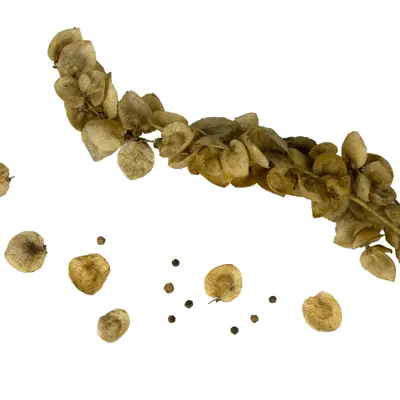
12-24", wine-red plumes on long, strong stems feature small, paper-thin seed pods. Easy-to-grow plants provide an interesting, textural element to design work. Earthy red combines easily with other colors in bouquets. Foliage is edible. Also known as orach and orache.
Harvest
75-110d
Days to harvest
Sun
Full sun
Zones
1–11
USDA hardiness
Height
12-24 inches
Planting Timeline
Showing dates for Red Plume in USDA Zone 7
All Zone 7 flower →Zone Map
Click a state to update dates
Red Plume · Zones 1–11
Growing Details
Succession Planting
Direct sow Red Plume every 3 weeks starting April 1 through early June in zone 7, stopping before daytime highs settle above 85°F — after that point, new seedlings bolt before they're worth harvesting. A single late-summer sowing around August 20–September 1 can extend your season into fall; germination runs 7-14 days and fall-grown plants tend to hold their deep burgundy color better as temperatures drop below 70°F than their spring counterparts ever do.
Complete Growing Guide
Growing Red Plume (Atriplex hortensis) flower. Light: Full sun. Hardy in USDA zones 1 to 11. Days to maturity: 75. Difficulty: Easy.
Harvesting
Red Plume reaches harvest at 75 - 110 days from sowing per Johnny's Selected Seeds. Expect 12-24" at peak. As an annual, harvest continues until frost ends the season.
This is an ornamental variety — not grown for harvest. Enjoy in the garden landscape.
Storage & Preservation
Fresh Red Plume stems last 10–14 days in a clean vase with fresh water and a floral preservative. Change water every 2–3 days. Store in a cool room away from direct sun and ripening fruit.
Dried plumes are the star storage option: hang-dry stems in bundles of 4–6, suspended upside down in a warm, airy, dark space (garages and closets work perfectly). Dried Red Plume lasts 1–2 years in a dry environment and can be lightly misted to refresh appearance. Store in cardboard boxes to prevent dust accumulation.
For edible foliage, refrigerate unwashed in a perforated plastic bag for up to 5 days. Blanch and freeze in ice cube trays for soups and stocks. Foliage can also be dried slowly in a dehydrator at 95–105°F for 8–12 hours, then crumbled and stored in airtight containers for herbal teas and seasoning blends; dried foliage keeps 6–12 months in a cool, dark cupboard.
History & Origin
Atriplex hortensis, known as garden orache, red orache or simply orache, mountain spinach, French spinach, or arrach, is a species of plant in the amaranth family used as a leaf vegetable that was common before spinach; it is still grown as a warm-weather alternative to spinach. For many years, it was classified in the goosefoot family (Chenopodiaceae), but it has now been absorbed into the Amaranthaceae. It is Eurasian, native to Asia and Europe, and widely naturalized in Canada, the United States, Australia, and New Zealand.
Advantages
- +Wine-red plumes provide striking visual interest and texture to floral arrangements
- +Long, strong stems make Red Plume ideal for cut flower and design work
- +Edible foliage offers dual functionality as both ornamental and culinary crop
- +Easy cultivation requires minimal care, perfect for beginner gardeners
- +Earthy red color coordinates seamlessly with most complementary bouquet flowers
Considerations
- -Plants tend to bolt quickly in hot weather, shortening harvest window
- -Prefers consistent moisture; drought stress causes premature flowering and reduced stem length
- -Self-seeds aggressively, potentially becoming weedy in garden environments
- -Paper-thin seed pods are delicate and easily damaged during handling or arrangement
Companion Plants
Red Plume's best neighbors are annuals that share its preference for full sun without competing aggressively at the root zone — Cosmos and Zinnias stay shallow and won't crowd it, while their open flower structure draws parasitic wasps and hoverflies into the bed. Marigolds (Tagetes spp.) earn a spot at the edge; their root exudates have well-documented activity against root-knot nematodes (Meloidogyne spp.), which in our zone 7 Georgia gardens are a genuine mid-season problem. Black Walnut is a hard no — juglone moves through the soil far enough to stunt sensitive annuals, and Red Plume isn't worth the experiment. Keep Fennel in its own pot; its allelopathic root compounds suppress most annuals planted within a foot or two.
Plant Together
Marigolds
Repel nematodes and aphids while attracting beneficial insects
Zinnia
Attracts pollinators and beneficial predatory insects, similar growing conditions
Salvia
Repels pests and attracts hummingbirds, complements red plume's upright form
Nasturtium
Acts as trap crop for aphids and adds nitrogen to soil
Cleome
Similar height and texture, attracts butterflies and beneficial insects
Cosmos
Attracts beneficial insects and provides contrasting flower forms
Basil
Repels thrips and aphids while attracting pollinators
Sunflowers
Provide beneficial shade and attract pest-eating birds
Keep Apart
Black Walnut
Releases juglone toxin that inhibits growth of celosia and many annuals
Fennel
Allelopathic properties inhibit growth of nearby flowering plants
Eucalyptus
Root secretions can stunt growth of annual flowers
Pests & Disease Resistance
Common Pests
None reported
Diseases
None reported
Troubleshooting Red Plume
What you'll see, why it happens, and what to do about it.
Seedlings stretching tall and flopping over within 2 weeks of germination, stems thin as thread
Likely Causes
- Insufficient light — Red Plume needs full sun and will etiolate fast under low-light indoor conditions
- Starting too early indoors, leaving seedlings under grow lights for too long before transplant
What to Do
- 1.Move seedlings to the sunniest south-facing window or drop grow lights to within 2-3 inches of the canopy
- 2.Direct sow outdoors once soil temps hit 50°F — this plant doesn't need a long indoor head start and actually does better seeded in place
Plants bolt and go to seed by midsummer, foliage becomes sparse and woody before you're done harvesting
Likely Causes
- Orache (Atriplex hortensis) is a cool-season-leaning annual that responds to long days and heat by triggering seed production — standard behavior above 85°F
- Planting too late in spring, giving plants no time to size up before summer heat kicks in
What to Do
- 1.Direct sow as early as April 1 in zone 7 so plants establish in cooler weather and give you more harvest weeks before bolting
- 2.Make a second sowing around August 20 for a fall flush — days shorten and temps drop right as the plants size up
- 3.Pinch the earliest flower spikes to delay seed set by 1-2 weeks if you need more time
Frequently Asked Questions
How long does Red Plume take to grow from seed to harvest?▼
Is Red Plume easy to grow for beginners?▼
Can you grow Red Plume in containers?▼
What is the foliage of Red Plume like, and can you really eat it?▼
How do you dry Red Plume for long-term use?▼
Does Red Plume self-seed, and should I deadhead it?▼
Zone-by-Zone Planting Calendar
| Zone | Indoor Start | Transplant | Direct Sow | Harvest |
|---|---|---|---|---|
| Zone 1 | May – June | July – August | July – September | — |
| Zone 2 | April – May | June – July | June – August | — |
| Zone 11 | January – January | January – February | January – March | — |
| Zone 12 | January – January | January – February | January – March | — |
| Zone 13 | January – January | January – February | January – March | — |
| Zone 3 | April – May | June – July | June – August | — |
| Zone 4 | March – April | June – June | June – July | — |
| Zone 5 | March – April | May – June | May – July | — |
| Zone 6 | March – April | May – June | May – July | — |
| Zone 7 | February – March | April – May | April – June | — |
| Zone 8 | February – March | April – May | April – June | — |
| Zone 9 | January – February | March – April | March – May | — |
| Zone 10 | January – January | February – March | February – April | — |
Growing Guides from Wind River Greens
Sources & References
External authority sources used in compiling this guide.
- BreederJohnny's Selected Seeds
See the Methodology page for how this data is sourced, what's AI-assisted, and known limitations.