Cramer's Burgundy
Celosia argentea cristata
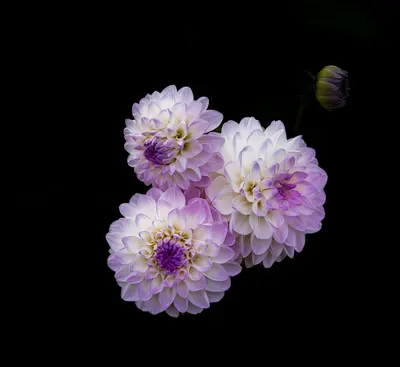
Cramer's Burgundy is an heirloom flower variety prized for its deep burgundy blooms and reliable performance in full sun conditions. This cultivar matures in 90-120 days and thrives in well-drained soil with average fertility, making it accessible to gardeners of all skill levels. The defining characteristic is its rich, dark coloration that adds dramatic contrast to garden compositions. A pest-resistant choice despite susceptibility to spider mites, whiteflies, and thrips with proper management.
Harvest
90-120d
Days to harvest
Sun
Full sun
Zones
10–11
USDA hardiness
Height
9-18 inches
Planting Timeline
Showing dates for Cramer's Burgundy in USDA Zone 7
All Zone 7 flower →Zone Map
Click a state to update dates
Cramer's Burgundy · Zones 10–11
Growing Details
Succession Planting
Cramer's Burgundy blooms continuously from a single sowing rather than producing one flush and finishing, so you don't need a tight succession schedule. If you want a longer overall season or a backup against damping off, start a second tray of seeds indoors 3-4 weeks after your first — germination runs 7-10 days at soil temps around 70-75°F, and a second batch of transplants is cheap insurance if your first round gets knocked back by a late cold snap.
Direct sow only after overnight lows are reliably above 50°F — in zone 7 that's late April at the earliest. Celosia planted into cold soil stalls badly and rarely catches up to transplants started indoors in February or March. Avoid sowing after late June; plants started that late won't log enough warm days to reach the 90-120 day harvest window before frost.
Complete Growing Guide
Crested-type flowers bloom prolifically on well-branched plants. Bloom size is approximately 2-6" across. With approximately 15-20 stems per plant, Cramer's varieties prove to be workhorses in the garden. Selected by the late, and well-known, commercial flower farmer, Ralph Cramer. Also known as cockscomb and crested cock's comb. According to Johnny's Selected Seeds, Cramer's Burgundy is 90 - 120 days to maturity, annual, open pollinated. Notable features: Use for Cut Flowers and Bouquets, Ideal for Drying and Crafts.
Light: Full sun (6 or more hours of direct sunlight a day). Soil: High Organic Matter, Loam (Silt), Sand. Soil pH: Neutral (6.0-8.0). Drainage: Good Drainage, Occasionally Dry. Height: 0 ft. 9 in. - 1 ft. 6 in.. Spread: 0 ft. 9 in. - 1 ft. 0 in.. Spacing: 12 inches-3 feet. Growth rate: Rapid. Maintenance: Low. Propagation: Seed. Regions: Coastal, Piedmont.
Harvesting
Cramer's Burgundy reaches harvest at 90 - 120 days from sowing per Johnny's Selected Seeds. Expect 2-6" at peak. As an annual, harvest continues until frost ends the season.
Smooth, glossy, shiny capsule contain many seeds
Color: Black. Type: Capsule.
Edibility: The leaves and young shoots are cooked and used in soups and stews. The seeds yield edible oil.
Storage & Preservation
For fresh storage, keep Cramer's Burgundy celosia stems in a vase with cool water on the counter or refrigerator at 35-40°F with 60-70% humidity to extend vase life to 10-14 days. Change water every 2-3 days. For preservation, hang-dry bundles in a cool, dark, well-ventilated area for 1-2 weeks to create long-lasting dried arrangements. Alternatively, press flowers between parchment paper under heavy weights for 2-3 weeks for flat, decorative specimens. Glycerin treatment also preserves texture and color by submerging stems in a 1:1 water-glycerin solution for 7-10 days.
History & Origin
Cramer's Burgundy is open-pollinated, meaning seed saved from healthy plants will produce true-to-type offspring. Listed in the Johnny's Selected Seeds catalog.
Origin: Tropical Africa
Advantages
- +Prolific blooming with 15-20 stems per plant maximizes garden output
- +Large 2-6 inch burgundy crested flowers create dramatic visual impact
- +Well-branched plants require minimal staking or support structures
- +Reliable performer selected by respected commercial flower farmer Ralph Cramer
- +Easy cultivation makes it ideal for beginning gardeners
Considerations
- -Burgundy color may fade or appear muddy in excessive heat
- -Susceptible to spider mites and root rot in humid conditions
- -Requires consistent moisture; both drought and waterlogging cause stress
- -90-120 day timeline limits succession planting in shorter growing seasons
Companion Plants
Marigolds and sweet alyssum are the two worth prioritizing near Cramer's Burgundy. French marigold varieties like 'Petite Gold' deter whiteflies through root exudates and their scent — relevant here because whiteflies are a genuine nuisance for celosia in warm weather. Sweet alyssum draws in parasitic wasps and hoverflies that prey on thrips and aphids; plant it 6-8 inches out from the celosia so the shallow roots don't compete. Nasturtiums pull double duty as a trap crop, drawing aphids away before they build pressure on the celosia. Zinnias and cosmos slot in well at the 12-18 inch spacing — same sun and water needs, no meaningful root competition, and neither one shades the celosia out.
Sunflowers need a real buffer — 10 feet minimum. They push allelopathic compounds from their roots and from decomposing leaf litter, and celosia seedlings show the effects as stunted, off-color growth that never quite rights itself. Black walnut (Juglans nigra) produces juglone, a compound toxic to a wide range of annuals; keep celosia well outside the root zone, which extends considerably farther than the canopy edge.
Plant Together
Marigolds
Repel aphids, whiteflies, and nematodes while attracting beneficial insects
Sweet Alyssum
Attracts beneficial insects like lacewings and provides ground cover
Nasturtiums
Act as trap crops for aphids and cucumber beetles while adding color contrast
Petunias
Repel aphids, tomato hornworms, and asparagus beetles
Lavender
Deters moths, fleas, and mosquitoes while attracting pollinators
Catmint
Repels ants, aphids, and cabbage loopers while attracting beneficial insects
Zinnia
Attracts butterflies and beneficial insects while providing complementary colors
Cosmos
Attracts beneficial insects and provides structural support without competing for nutrients
Keep Apart
Black Walnut
Produces juglone which is toxic to many flowering plants including snapdragons
Eucalyptus
Releases allelopathic compounds that inhibit growth of nearby flowering plants
Sunflowers
Produce allelopathic chemicals and compete aggressively for water and nutrients
Pests & Disease Resistance
Common Pests
Spider mites, whiteflies, thrips
Diseases
Leaf spot, root rot in wet conditions
Troubleshooting Cramer's Burgundy
What you'll see, why it happens, and what to do about it.
Tiny bronze or silver streaking on leaves and petals, with distorted new growth — showing up in hot, dry spells
Likely Causes
- Thrips (Frankliniella occidentalis) — rasping the leaf surface and feeding on developing tissue
- Spider mites (Tetranychus urticae) — population explosions in dry, dusty conditions
What to Do
- 1.Knock mites off with a strong spray of water from the underside of leaves — do it three mornings in a row
- 2.Apply insecticidal soap or neem oil in the early morning before pollinators are active; repeat every 5-7 days for two to three cycles
- 3.Keep soil consistently moist — drought stress makes both mite and thrip damage significantly worse
Lower stem turning brown and soft at the soil line, plant collapsing even though soil looks wet
Likely Causes
- Root rot — most likely Pythium or Rhizoctonia solani, triggered by waterlogged or poorly drained soil
- Overwatering in heavy clay or containers without drainage
What to Do
- 1.Pull the affected plant — it won't recover once the crown is gone
- 2.Don't replant celosia in the same spot that season; amend with coarse perlite or aged compost before the next planting
- 3.Water at the base, not overhead, and let the top inch of soil dry slightly between waterings
Circular brown or tan spots with a darker border appearing on mid and upper leaves, spreading quickly in humid weather
Likely Causes
- Leaf spot — typically Cercospora or Alternaria species, both fungal and spread by overhead watering and rain splash
- Crowded spacing that traps humidity around the foliage
What to Do
- 1.Remove spotted leaves immediately and bin them — don't compost
- 2.Space plants at least 12 inches apart to get air moving through the canopy
- 3.If the problem is spreading, apply a copper-based fungicide every 7-10 days until conditions dry out
Frequently Asked Questions
How long does Cramer's Burgundy celosia last in a vase?▼
Is Cramer's Burgundy celosia good for beginners?▼
Can you grow Cramer's Burgundy celosia in containers?▼
When should I plant Cramer's Burgundy celosia?▼
How many stems does Cramer's Burgundy produce per plant?▼
What makes Cramer's Burgundy different from other celosia varieties?▼
Zone-by-Zone Planting Calendar
| Zone | Indoor Start | Transplant | Direct Sow | Harvest |
|---|---|---|---|---|
| Zone 1 | May – June | July – August | July – September | — |
| Zone 2 | April – May | June – July | June – August | — |
| Zone 11 | January – January | January – February | January – March | — |
| Zone 12 | January – January | January – February | January – March | — |
| Zone 13 | January – January | January – February | January – March | — |
| Zone 3 | April – May | June – July | June – August | — |
| Zone 4 | March – April | June – June | June – July | — |
| Zone 5 | March – April | May – June | May – July | — |
| Zone 6 | March – April | May – June | May – July | — |
| Zone 7 | February – March | April – May | April – June | — |
| Zone 8 | February – March | April – May | April – June | — |
| Zone 9 | January – February | March – April | March – May | — |
| Zone 10 | January – January | February – March | February – April | — |
Growing Guides from Wind River Greens
Sources & References
External authority sources used in compiling this guide.
- BreederJohnny's Selected Seeds
See the Methodology page for how this data is sourced, what's AI-assisted, and known limitations.