Oklahoma Carmine
Zinnia elegans
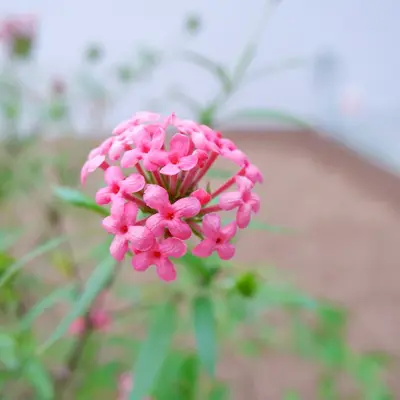
Wikimedia Commons via Zinnia elegans
Prolific 1 1/2-2 1/2" double and semidouble petite, yet sturdy violet-colored blooms. Excellent, reliable accent flowers for market bouquets, wedding flowers, and event work. Cut-and-come-again flower, yielding multiple cuts over the season.
Harvest
75-90d
Days to harvest
Sun
Full sun
Zones
2–11
USDA hardiness
Height
0-3 feet
Planting Timeline
Showing dates for Oklahoma Carmine in USDA Zone 7
All Zone 7 flower →Zone Map
Click a state to update dates
Oklahoma Carmine · Zones 2–11
Growing Details
Succession Planting
Oklahoma Carmine is a warm-season annual that cuts and comes back, so a single sowing keeps producing through frost — but staggered sowings extend your peak-quality bloom window considerably. Direct sow every 3 weeks from April through mid-June in zone 7; stop once daytime highs are consistently above 90°F, since germination drops off sharply in hot soil and seedlings started in that heat rarely catch up. Indoors, start as early as February and transplant out in late April after your last frost date.
For cut-flower production specifically, a second sowing in late May gives you a flush of fresh stems in August and September, right when earlier plants start looking woody and spent. When you harvest or deadhead, cut back to a lateral bud — don't just snap off the flower head — and the plant will branch and rebloom for another 3 to 4 weeks before it finally gives out.
Complete Growing Guide
Prolific 1 1/2-2 1/2" double and semidouble petite, yet sturdy violet-colored blooms. Excellent, reliable accent flowers for market bouquets, wedding flowers, and event work. Cut-and-come-again flower, yielding multiple cuts over the season. According to Johnny's Selected Seeds, Oklahoma Carmine is 75 - 90 days to maturity, annual, open pollinated. Notable features: Grows Well in Containers, Use for Cut Flowers and Bouquets.
Light: Full sun (6 or more hours of direct sunlight a day). Soil: High Organic Matter, Loam (Silt). Soil pH: Acid (<6.0), Alkaline (>8.0), Neutral (6.0-8.0). Drainage: Good Drainage, Occasionally Dry. Height: 0 ft. 6 in. - 3 ft. 0 in.. Spread: 0 ft. 8 in. - 1 ft. 0 in.. Spacing: 12 inches-3 feet. Growth rate: Rapid. Maintenance: Medium. Propagation: Seed. Regions: Coastal, Mountains, Piedmont.
Harvesting
Oklahoma Carmine reaches harvest at 75 - 90 days from sowing per Johnny's Selected Seeds. Expect 1 1/2-2 1/2" at peak. As an annual, harvest continues until frost ends the season.
Type: Achene.
Storage & Preservation
Store fresh Oklahoma Carmine blooms in a cool refrigerator (35-40°F) with high humidity (95%+) immediately after cutting. They'll last 7-10 days when properly hydrated. For longer-term preservation, try air-drying bunches upside-down in a dark, well-ventilated space for dried arrangements (2-3 weeks). Alternatively, press individual blooms between parchment paper under heavy weight for 1-2 weeks to preserve them for crafts or herbals. Glycerin preservation (stem in 1:1 water-glycerin solution for 2-3 weeks) creates supple, long-lasting specimens ideal for arrangements.
History & Origin
Oklahoma Carmine is open-pollinated, meaning seed saved from healthy plants will produce true-to-type offspring. Listed in the Johnny's Selected Seeds catalog.
Origin: Mexico
Advantages
- +Violet blooms are distinctive and desirable for premium floral arrangements
- +Prolific cut-and-come-again production yields multiple harvests per plant
- +Petite 1.5-2.5 inch doubles suit tight bouquets and wedding work
- +Reliable performer requires minimal effort even for inexperienced growers
- +Sturdy stems hold up well during processing and arranging
Considerations
- -Violet color limits versatility in color-coordinated wedding schemes
- -Shorter bloom season of 75-90 days reduces overall production window
- -Semidouble forms occasionally revert to single flowers mid-season
- -Susceptible to powdery mildew in humid greenhouse conditions
Companion Plants
Marigolds and nasturtiums are the most practical neighbors for Oklahoma Carmine. French marigold varieties like 'Petite Gold' release thiophenes from their roots that suppress soil nematodes, and nasturtiums act as a trap crop for aphids — drawing them onto stems you can just cut off and discard rather than spraying the zinnias themselves. Alyssum fills the ground-level gaps, pulling in parasitic wasps and hoverflies that keep whitefly numbers down. None of these compete hard for root space, which matters when you're planting densely for cut-flower production.
Black walnut, eucalyptus, and fennel are the ones to avoid. Black walnut leaches juglone from its roots and fallen debris — enough to visibly stunt or kill zinnias planted within its drip zone. Fennel is a quieter troublemaker: its root exudates slow the growth of nearby annuals, and it tends to push away the pollinators and beneficial insects you want working your zinnia patch all season.
Plant Together
Marigolds
Repel nematodes and aphids while attracting beneficial insects
Nasturtiums
Act as trap crops for aphids and cucumber beetles, protecting nearby plants
Alyssum
Attracts beneficial insects like lacewings and parasitic wasps for natural pest control
Zinnias
Attract pollinators and beneficial predatory insects while providing complementary colors
Cosmos
Attract beneficial insects and provide structural diversity without competing for nutrients
Lavender
Repels moths, fleas, and mosquitoes while attracting pollinators
Catmint
Deters ants, aphids, and rodents while attracting beneficial pollinators
Sunflowers
Provide natural support structure and attract beneficial birds for pest control
Keep Apart
Black Walnut Trees
Release juglone toxin that inhibits growth and can kill sensitive flowering plants
Eucalyptus
Produces allelopathic compounds that suppress growth of nearby plants
Fennel
Inhibits growth of most garden plants through allelopathic root secretions
Troubleshooting Oklahoma Carmine
What you'll see, why it happens, and what to do about it.
White powdery coating on leaves and stems, usually appearing mid-summer when nights cool down
Likely Causes
- Powdery mildew (Erysiphe cichoracearum) — a fungal infection that spreads by airspores, not splash
- Crowded spacing that restricts airflow between plants
What to Do
- 1.Cut out the worst-affected stems at the base and bin them — don't compost
- 2.Space plants at least 12 inches apart at transplant to keep air moving
- 3.Apply a diluted neem oil spray (2 tbsp per gallon of water) every 7 days if the infection is still spreading
Seedlings collapse at the soil line within the first 2 weeks of germination, stems look pinched and dark at the base
Likely Causes
- Damping off — typically Pythium or Rhizoctonia fungi thriving in cold, waterlogged soil
- Overwatering or starting seeds in trays with no bottom drainage
What to Do
- 1.Start over with fresh, sterile seed-starting mix — don't reuse last season's trays without sterilizing them first
- 2.Water from the bottom and let the top of the mix dry slightly between waterings
- 3.Don't start indoors more than 4–6 weeks before your last frost; Oklahoma Carmine transplants fine and doesn't need a long head start
Ragged holes chewed in petals and leaves, mostly overnight, with no visible insects during the day
Likely Causes
- Japanese beetles (Popillia japonica) — peak feeding June through August, often gregarious on open blooms
- Earwigs (Forficula auricularia) — feed at night, hide in mulch or debris during the day
What to Do
- 1.Hand-pick Japanese beetles in the morning when they're sluggish and drop them into soapy water
- 2.Pull any thick mulch back 6 inches from the stem base to reduce earwig harborage
- 3.Set a damp rolled-newspaper trap near the bed overnight — earwigs congregate in it; toss it in the trash by morning
Frequently Asked Questions
How long do Oklahoma Carmine cut flowers last in a vase?▼
Is Oklahoma Carmine a good flower for beginners?▼
Can you grow Oklahoma Carmine in containers?▼
When should I plant Oklahoma Carmine flowers?▼
Why choose Oklahoma Carmine for wedding flowers?▼
Zone-by-Zone Planting Calendar
| Zone | Indoor Start | Transplant | Direct Sow | Harvest |
|---|---|---|---|---|
| Zone 1 | May – June | July – August | July – September | — |
| Zone 2 | April – May | June – July | June – August | — |
| Zone 11 | January – January | January – February | January – March | — |
| Zone 12 | January – January | January – February | January – March | — |
| Zone 13 | January – January | January – February | January – March | — |
| Zone 3 | April – May | June – July | June – August | — |
| Zone 4 | March – April | June – June | June – July | — |
| Zone 5 | March – April | May – June | May – July | — |
| Zone 6 | March – April | May – June | May – July | — |
| Zone 7 | February – March | April – May | April – June | — |
| Zone 8 | February – March | April – May | April – June | — |
| Zone 9 | January – February | March – April | March – May | — |
| Zone 10 | January – January | February – March | February – April | — |
Growing Guides from Wind River Greens
Sources & References
External authority sources used in compiling this guide.
- BreederJohnny's Selected Seeds
See the Methodology page for how this data is sourced, what's AI-assisted, and known limitations.