Zinnia Elegans Giant Dahlia Flowered Mix
Zinnia elegans 'Giant Dahlia Flowered Mix'
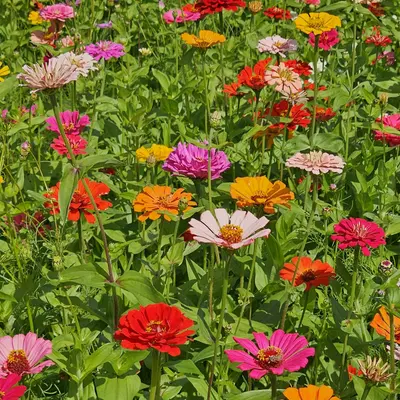
A classic heirloom zinnia variety that produces enormous 5-6 inch blooms resembling dahlias in a spectacular range of colors including pink, red, orange, yellow, and white. These tall, sturdy plants are beloved by both gardeners and pollinators, creating impressive cut flower gardens and stunning backdrops in borders. The long-lasting blooms get better with heat and continue producing until the first hard frost.
Harvest
75-85d
Days to harvest
Sun
Full sun
Zones
2–11
USDA hardiness
Height
0-3 feet
Planting Timeline
Showing dates for Zinnia Elegans Giant Dahlia Flowered Mix in USDA Zone 7
All Zone 7 flower →Zone Map
Click a state to update dates
Zinnia Elegans Giant Dahlia Flowered Mix · Zones 2–11
Growing Details
Succession Planting
Direct sow every 14-21 days starting April 1 through mid-June in zone 7. Each sowing gives you roughly 6-8 weeks of peak bloom before the plants start to look ragged, so staggering keeps the cutting bed productive from late June through first frost. Stop sowing by June 15 — seeds started after that will be trying to establish during the worst of August heat, and germination rates drop noticeably once soil temps push above 85°F.
If you want flowers earlier in the season, start seeds indoors 4-6 weeks before your last frost date (around mid-April here) and transplant out once nights stay reliably above 50°F. Don't start them more than 6 weeks early — zinnias are fine to move when small but get leggy and root-bound fast in a cell tray, and a stunted transplant won't outperform a direct-sown seed by much.
Complete Growing Guide
Giant Dahlia Flowered zinnias demand full sun (minimum six hours daily) and warm soil to germinate reliably, so delay sowing until soil temperatures consistently exceed 60°F, typically two weeks after your last frost date. These cultivars produce their most impressive 5-6 inch blooms during peak summer heat, which actually intensifies color saturation rather than causing stress. Deadhead spent flowers aggressively to prevent self-seeding that can exhaust the plant's energy; this practice also extends flowering until hard frost. Watch for powdery mildew in humid conditions by spacing plants generously and ensuring good air circulation. Unlike shorter zinnia varieties, these tall specimens occasionally stretch if grown indoors too long before transplanting, so harden them off gradually over seven to ten days. Pinch out the terminal growing tip when plants reach 12 inches tall to encourage bushier architecture and more lateral flower production rather than single-stem dominance.
Light: Full sun (6 or more hours of direct sunlight a day). Soil: High Organic Matter, Loam (Silt). Soil pH: Acid (<6.0), Alkaline (>8.0), Neutral (6.0-8.0). Drainage: Good Drainage, Occasionally Dry. Height: 0 ft. 6 in. - 3 ft. 0 in.. Spread: 0 ft. 8 in. - 1 ft. 0 in.. Spacing: 12 inches-3 feet. Growth rate: Rapid. Maintenance: Medium. Propagation: Seed. Regions: Coastal, Mountains, Piedmont.
Harvesting
Harvest Giant Dahlia Flowered zinnias when the massive 5-6 inch blooms have fully opened and petals feel firm yet slightly papery to the touch, typically in mid to late bloom stage when colors appear most vibrant. These flowers respond exceptionally well to continuous harvesting rather than single-cut approaches—deadheading spent blooms actually stimulates prolific new flower production throughout the season. For optimal vase life and stem strength, cut in early morning after dew dries but before heat peaks, selecting stems with at least two sets of healthy leaves below the cut to encourage branching and sustained flowering until frost arrives.
Type: Achene.
Storage & Preservation
Fresh-cut Giant Dahlia zinnias last 7-10 days in arrangements when properly conditioned. Store cut stems in clean water with flower food, changing water every 2-3 days and recutting stems underwater. Keep arrangements away from direct sunlight and heat sources.
For dried flowers, harvest blooms at peak freshness and hang them upside down in small bundles in a warm, dry, dark location with good air circulation. They'll dry completely in 2-3 weeks, retaining much of their vibrant color. The thick, dahlia-like petals dry beautifully and maintain their form well.
Seed saving is another preservation method – allow some flowers to go to seed naturally on the plant. Harvest seeds when flower heads are completely dry and brown, typically 4-6 weeks after bloom. Store dried seeds in paper envelopes in a cool, dry location for up to 6 years.
History & Origin
The Giant Dahlia Flowered Mix represents a deliberate selection within the broader Zinnia elegans species, which originated in Mexico and was introduced to European gardens in the 18th century. While specific breeding records for this particular mix remain sparse, the "Giant Dahlia Flowered" type emerged during the early-to-mid 20th century as breeders selected for increasingly large, fully double flowers that mimicked dahlia blooms. Multiple seed companies have offered Giant Dahlia Flowered zinnias since mid-century, though the exact originating breeder or year of introduction is not definitively documented. This variety represents the culmination of continuous selection work within the Z. elegans breeding line, prioritizing size, form, and color range rather than a single watershed innovation.
Origin: Mexico
Advantages
- +Produces enormous 5-6 inch dahlia-like blooms in spectacular color range
- +Excellent long-lasting cut flowers that improve with heat and continue until frost
- +Tall, sturdy plants create impressive garden backyard borders and backdrops
- +Easy to grow heirloom variety beloved by gardeners and pollinators
- +Edible flowers add mild, slightly bitter flavor to culinary preparations
Considerations
- -Susceptible to powdery mildew, bacterial leaf spot, and alternaria leaf spot
- -Attracts multiple pest species including aphids, spider mites, and beetles
- -Requires consistent deadheading to maintain continuous bloom production through season
Companion Plants
Marigolds and nasturtiums are the most useful neighbors here. Marigolds (especially French varieties like 'Petite Gold') release thiophenes from their roots that suppress soil nematodes, and nasturtiums act as a trap crop, pulling aphids off your zinnias and onto themselves where you can deal with them in one spot. Cosmos planted nearby pull their weight differently — they draw parasitic wasps that knock back aphid populations, and the staggered bloom habit means something is always flowering as individual zinnia plants fade. Basil at the edges brings in pollinators that work the zinnia blooms at the same time, which is the real reason to bother with it.
Keep zinnias well away from black walnut trees. Juglone — the allelopathic compound black walnuts push into the soil through roots and decomposing leaf litter — will stunt or kill zinnias outright, and that root zone extends further than most people expect. In our zone 7 Georgia gardens, black walnuts show up along fence rows and field edges constantly, so check before you pick a bed location. Fennel is a separate issue: it suppresses germination of many annuals planted close to it and doesn't play well in a mixed bed regardless, so give it its own isolated spot.
Plant Together
Marigolds
Repel aphids, whiteflies, and nematodes while attracting beneficial insects
Basil
Deters aphids, spider mites, and thrips that commonly attack zinnias
Cosmos
Similar growing requirements and attracts beneficial pollinators and predatory insects
Nasturtiums
Acts as trap crop for aphids and cucumber beetles, drawing pests away from zinnias
Sunflowers
Provides beneficial shade and wind protection for zinnias in hot climates
Tomatoes
Zinnias attract beneficial predators that control tomato hornworms and other pests
Peppers
Zinnias attract pollinators and beneficial insects that help with pepper pest control
Lettuce
Benefits from zinnia's ability to attract beneficial insects while utilizing different soil levels
Keep Apart
Black Walnut
Produces juglone toxin that inhibits zinnia growth and can cause wilting
Fennel
Allelopathic properties inhibit growth and development of nearby zinnias
Impatiens
Competes for similar nutrients and space while being susceptible to shared fungal diseases
Pests & Disease Resistance
Resistance
Susceptible to powdery mildew and bacterial leaf spot
Common Pests
Aphids, spider mites, Japanese beetles, cucumber beetles
Diseases
Powdery mildew, bacterial leaf spot, alternaria leaf spot, stem rot
Troubleshooting Zinnia Elegans Giant Dahlia Flowered Mix
What you'll see, why it happens, and what to do about it.
White powdery coating on upper leaf surfaces, spreading fast in late summer heat
Likely Causes
- Powdery mildew (Erysiphe cichoracearum) — thrives when nights cool down but days stay warm and humid, typically August into September
- Overcrowded spacing that cuts airflow between plants
What to Do
- 1.Space plants at least 12 inches apart — 18 is better if you've had mildew before
- 2.Water at soil level only, never overhead; wet foliage at night is an open invitation
- 3.Strip and trash the worst-affected leaves; a diluted neem oil spray (2 tbsp per gallon) applied early morning can slow spread on the rest
Leaves developing small, water-soaked spots that turn brown or tan with yellow halos, usually after a stretch of rain
Likely Causes
- Bacterial leaf spot (Xanthomonas campestris) — spreads by rain splash and overhead watering
- Alternaria leaf spot (Alternaria zinniae) — a fungal cousin with very similar early symptoms; look for a darker brown center if you want to tell them apart
What to Do
- 1.Remove affected leaves immediately and bin them — don't compost
- 2.Mulch the bed with 2-3 inches of straw to stop soil splash during rain
- 3.If it keeps spreading, a copper-based fungicide applied every 7-10 days during wet periods can help hold the line
Petals and buds chewed ragged, sometimes entire flower heads skeletonized overnight
Likely Causes
- Japanese beetles (Popillia japonica) — peak feeding July through August, and zinnias are a preferred host
- Cucumber beetles (spotted or striped) — also feed on petals and can show up earlier in the season
What to Do
- 1.Hand-pick Japanese beetles in the early morning when they're sluggish and drop them into soapy water — a daily pass makes a real dent
- 2.For heavy infestations, row cover works but defeats the purpose of a pollinator flower bed; prioritize hand-picking instead
- 3.Skip Japanese beetle traps near the zinnia bed — University of Kentucky Extension has documented that traps draw in more beetles than they catch
Frequently Asked Questions
How long does zinnia elegans giant dahlia flowered mix take to bloom?▼
Can you grow giant dahlia zinnias in containers?▼
Are giant dahlia zinnias good for beginners?▼
Do zinnia giant dahlia flowers come back every year?▼
What do zinnia flowers taste like when eaten?▼
When should I plant giant dahlia zinnia seeds?▼
Zone-by-Zone Planting Calendar
| Zone | Indoor Start | Transplant | Direct Sow | Harvest |
|---|---|---|---|---|
| Zone 1 | May – June | July – August | July – September | — |
| Zone 2 | April – May | June – July | June – August | — |
| Zone 11 | January – January | January – February | January – March | — |
| Zone 12 | January – January | January – February | January – March | — |
| Zone 13 | January – January | January – February | January – March | — |
| Zone 3 | April – May | June – July | June – August | — |
| Zone 4 | March – April | June – June | June – July | — |
| Zone 5 | March – April | May – June | May – July | — |
| Zone 6 | March – April | May – June | May – July | — |
| Zone 7 | February – March | April – May | April – June | — |
| Zone 8 | February – March | April – May | April – June | — |
| Zone 9 | January – February | March – April | March – May | — |
| Zone 10 | January – January | February – March | February – April | — |