Orange Queen Improved
Celosia argentea cristata
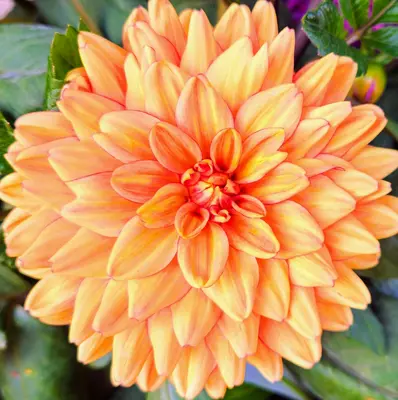
2-7" densely folded orange combs make useful fresh or dried cut flowers. Very similar to the Chief series in days to maturity, plant growth habit, and bloom size. Also known as cockscomb and crested cock's comb. Unauthorized reproduction and sale of seeds is prohibited by the breeder.
Harvest
90-120d
Days to harvest
Sun
Full sun
Zones
10–11
USDA hardiness
Height
9-18 inches
Planting Timeline
Showing dates for Orange Queen Improved in USDA Zone 7
All Zone 7 flower →Zone Map
Click a state to update dates
Orange Queen Improved · Zones 10–11
Growing Details
Complete Growing Guide
2-7" densely folded orange combs make useful fresh or dried cut flowers. Very similar to the Chief series in days to maturity, plant growth habit, and bloom size. Also known as cockscomb and crested cock's comb. Unauthorized reproduction and sale of seeds is prohibited by the breeder. According to Johnny's Selected Seeds, Orange Queen Improved is 90 - 120 days to maturity, annual, open pollinated. Notable features: Use for Cut Flowers and Bouquets, Ideal for Drying and Crafts.
Light: Full sun (6 or more hours of direct sunlight a day). Soil: High Organic Matter, Loam (Silt), Sand. Soil pH: Neutral (6.0-8.0). Drainage: Good Drainage, Occasionally Dry. Height: 0 ft. 9 in. - 1 ft. 6 in.. Spread: 0 ft. 9 in. - 1 ft. 0 in.. Spacing: 12 inches-3 feet. Growth rate: Rapid. Maintenance: Low. Propagation: Seed. Regions: Coastal, Piedmont.
Harvesting
Orange Queen Improved reaches harvest at 90 - 120 days from sowing per Johnny's Selected Seeds. Expect 2-7" at peak. As an annual, harvest continues until frost ends the season.
Smooth, glossy, shiny capsule contain many seeds
Color: Black. Type: Capsule.
Edibility: The leaves and young shoots are cooked and used in soups and stews. The seeds yield edible oil.
Storage & Preservation
For fresh flowers, store Orange Queen Improved in a cool location (60-65°F) away from direct sunlight and ripening fruit, which produce ethylene gas. Keep stems in fresh water and change daily. Shelf life for fresh cut flowers is 7-14 days. For preservation, hang-dry bundles upside down in a well-ventilated, dark space for 2-3 weeks to maintain color vibrancy. Alternatively, press flowers between parchment paper under weight for 1-2 weeks for floral arrangements. Silica gel drying preserves color and shape best, requiring 5-7 days in an airtight container.
History & Origin
Orange Queen Improved is open-pollinated, meaning seed saved from healthy plants will produce true-to-type offspring. Listed in the Johnny's Selected Seeds catalog.
Origin: Tropical Africa
Advantages
- +Vibrant orange combs are versatile for fresh or dried flower arrangements
- +Densely folded texture creates impressive visual impact in bouquets or displays
- +Easy growing difficulty makes it suitable for beginner gardeners
- +Moderately fast maturity at 90-120 days allows successive plantings
- +Similar to Chief series but with distinctive orange coloring
Considerations
- -Seed propagation restricted by breeder limits home seed saving options
- -Crested cockscomb susceptible to root rot in poorly drained soil
- -Orange color may clash with certain garden color schemes or arrangements
Companion Plants
Marigolds and nasturtiums earn their spot by confusing aphids and thrips that would otherwise zero in on celosia's dense flower heads. Alyssum and petunias pull in parasitic wasps and hoverflies — the kind of beneficial insects that keep soft-bodied pest pressure low without much effort on your part. Zinnias and cosmos are simply compatible neighbors: same sun requirements, similar water schedules, and the bed manages evenly as a result. Give Orange Queen Improved a wide berth from black walnut (Juglans nigra), whose roots release juglone — a compound toxic to many annuals at concentrations as low as 5 parts per million — and from fennel, which suppresses nearby plants through root exudates and tends to be a bad neighbor to almost everything.
Plant Together
Marigold
Repels nematodes, aphids, and whiteflies while attracting beneficial insects
Nasturtium
Acts as trap crop for aphids and cucumber beetles, deters squash bugs
Basil
Repels thrips, aphids, and mosquitoes while attracting pollinators
Alyssum
Attracts beneficial insects like hoverflies and parasitic wasps
Zinnia
Attracts butterflies and beneficial predatory insects, complementary colors
Lavender
Repels moths, fleas, and mosquitoes while attracting bees and butterflies
Petunias
Natural pest deterrent against aphids, tomato hornworms, and squash bugs
Cosmos
Attracts beneficial insects and provides complementary height and texture
Keep Apart
Black Walnut
Produces juglone which is toxic to many flowering plants including calendula
Eucalyptus
Allelopathic properties inhibit growth of nearby plants through root and leaf chemicals
Fennel
Inhibits growth of most garden plants through allelopathic compounds
Troubleshooting Orange Queen Improved
What you'll see, why it happens, and what to do about it.
Seedlings collapse at soil level, stems pinched and brown at the base
Likely Causes
- Damping off (Pythium or Rhizoctonia spp.) — triggered by overwatering and poor airflow around seedlings
- Starting mix that stays wet too long between waterings
What to Do
- 1.Pull and trash affected seedlings immediately — they won't recover
- 2.Water only when the top half-inch of the mix is dry, and run a small fan across trays for 30–60 minutes a day
- 3.Next sowing, use a sterile, well-draining seed-starting mix and don't cover with a humidity dome once germination hits
Leaves stippled silver or bronze, with fine webbing on the undersides in hot, dry weather
Likely Causes
- Two-spotted spider mite (Tetranychus urticae) — populations explode when temperatures exceed 90°F and humidity drops
- Drought-stressed plants are hit hardest; water deficiency weakens the leaf tissue mites prefer
What to Do
- 1.Blast the undersides of leaves with a strong stream of water every 2–3 days for a week
- 2.Apply insecticidal soap or neem oil in the early morning, when temps are below 85°F, to avoid phytotoxicity
- 3.Mulch around the base with 2–3 inches of straw to hold soil moisture — mite pressure on celosia tracks closely with drought stress
Flower heads rotting or turning to brown mush after several rainy days
Likely Causes
- Botrytis blight (Botrytis cinerea) — the dense, crinkled cristata flower heads trap moisture and give the fungus a perfect foothold
- Overcrowding that limits airflow between plants
What to Do
- 1.Remove and bag any affected flower heads immediately — don't compost them
- 2.Space plants at least 18 inches apart and avoid overhead irrigation once plants are flowering
- 3.If Botrytis is a recurring problem, apply a copper fungicide preventively before any forecast stretch of 3+ wet days
Plants are stunted and pale green, not putting on new growth 30+ days after transplant
Likely Causes
- Nitrogen deficiency in sandy or low-organic-matter soil
- Root-bound transplants left too long in small cells before going in the ground — the compressed root ball can't take up nutrients even when they're present
What to Do
- 1.Side-dress with a balanced granular fertilizer (10-10-10) at about 1 tablespoon per plant, worked lightly into the soil
- 2.At planting, gently tease apart any circling roots before setting the transplant in — celosia started in 72-cell trays is especially prone to this
- 3.Topdress the bed with 1–2 inches of finished compost and water it in thoroughly
Frequently Asked Questions
How long do Orange Queen Improved flowers last when cut?▼
Is Orange Queen Improved a good choice for beginner gardeners?▼
Can you grow Orange Queen Improved in containers?▼
When should I plant Orange Queen Improved seeds?▼
What makes Orange Queen Improved different from the Chief series?▼
How should I dry Orange Queen Improved for arrangements?▼
Zone-by-Zone Planting Calendar
| Zone | Indoor Start | Transplant | Direct Sow | Harvest |
|---|---|---|---|---|
| Zone 1 | May – June | July – August | July – September | — |
| Zone 2 | April – May | June – July | June – August | — |
| Zone 11 | January – January | January – February | January – March | — |
| Zone 12 | January – January | January – February | January – March | — |
| Zone 13 | January – January | January – February | January – March | — |
| Zone 3 | April – May | June – July | June – August | — |
| Zone 4 | March – April | June – June | June – July | — |
| Zone 5 | March – April | May – June | May – July | — |
| Zone 6 | March – April | May – June | May – July | — |
| Zone 7 | February – March | April – May | April – June | — |
| Zone 8 | February – March | April – May | April – June | — |
| Zone 9 | January – February | March – April | March – May | — |
| Zone 10 | January – January | February – March | February – April | — |
Growing Guides from Wind River Greens
Sources & References
External authority sources used in compiling this guide.
- BreederJohnny's Selected Seeds
See the Methodology page for how this data is sourced, what's AI-assisted, and known limitations.