Magic Fountains Mix
Delphinium elatum
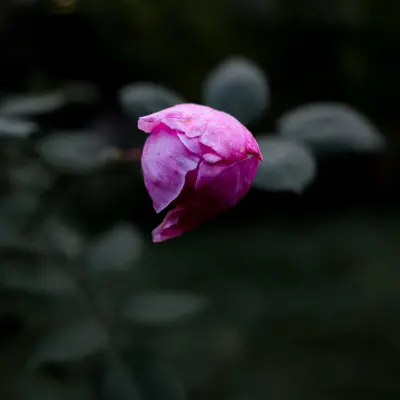
Full florets and tight internodes. White and dark centers (bees) on cherry, lilac, lavender, dark blue, sky blue, and white. Magic Fountains' sturdy, compact plants will tolerate windy locations. Attracts bees and butterflies. This species of delphinium is also known as candle larkspur. Perennial in Zones 3-7.
Harvest
105-125d
Days to harvest
Sun
Full sun
Zones
3–7
USDA hardiness
Height
3-5 feet
Planting Timeline
Showing dates for Magic Fountains Mix in USDA Zone 7
All Zone 7 flower →Zone Map
Click a state to update dates
Magic Fountains Mix · Zones 3–7
Growing Details
Complete Growing Guide
Full florets and tight internodes. White and dark centers (bees) on cherry, lilac, lavender, dark blue, sky blue, and white. Magic Fountains' sturdy, compact plants will tolerate windy locations. Attracts bees and butterflies. This species of delphinium is also known as candle larkspur. Perennial in Zones 3-7. According to Johnny's Selected Seeds, Magic Fountains Mix is 105 - 125 days to maturity, perennial, open pollinated. Notable features: Use for Cut Flowers and Bouquets, Attracts Beneficial Insects.
Light: Full sun (6 or more hours of direct sunlight a day). Soil: High Organic Matter. Soil pH: Alkaline (>8.0). Drainage: Good Drainage. Height: 3 ft. 0 in. - 5 ft. 0 in.. Spread: 2 ft. 0 in. - 3 ft. 0 in.. Spacing: 12 inches-3 feet, 3 feet-6 feet. Growth rate: Medium. Maintenance: Medium. Propagation: Seed. Regions: Mountains, Piedmont.
Harvesting
Magic Fountains Mix reaches harvest at 105 - 125 days from sowing per Johnny's Selected Seeds.
Edibility: Toxic if eaten.
Storage & Preservation
Magic Fountains Mix delphiniums are cut flowers best stored in a cool environment. Keep freshly cut stems in a vase with floral preservative and cool water at 65-72°F away from direct sunlight and ripening fruit. They'll last 7-10 days with daily water changes. For long-term preservation, air-dry stems by hanging upside-down in a cool, dark, well-ventilated space for 2-3 weeks to create dried arrangements. Alternatively, press individual florets between parchment paper under heavy weight for 1-2 weeks for botanical crafting. Freeze-drying preserves color and form for specialty floral applications.
History & Origin
Magic Fountains Mix is open-pollinated, meaning seed saved from healthy plants will produce true-to-type offspring. Listed in the Johnny's Selected Seeds catalog.
Origin: Europe to Mongolia
Advantages
- +Compact, sturdy plants withstand windy locations without staking or support.
- +Full florets with tight internodes create impressive, densely-packed flower spikes.
- +Attracts pollinators like bees and butterflies to gardens naturally.
- +Available in six stunning colors: cherry, lilac, lavender, dark blue, sky blue, white.
- +Easy to grow with straightforward care requirements for beginners.
Considerations
- -Requires cool temperatures; struggles in hot, humid climates above Zone 7.
- -Perennial only in Zones 3-7; dies in warmer regions as annual.
- -Susceptible to powdery mildew and root rot in poorly drained soil.
- -Takes 105-125 days to bloom; patience required before flowering begins.
Companion Plants
Marigolds and sweet alyssum earn their spot here for different reasons — marigolds deter aphids through scent, while alyssum draws in parasitic wasps (Braconidae family) that prey on the same aphids that colonize delphinium stems. Nasturtiums act as a trap crop, pulling aphid pressure away from the flowers before it builds. Lavender and catnip nearby help disrupt spider mite host-finding, which depends heavily on scent cues. Fennel, eucalyptus, and black walnut all release allelopathic compounds into the soil — fennel through root exudates, walnut via juglone — and any of the three will stunt delphiniums over the course of a growing season.
Plant Together
Marigolds
Repel nematodes and aphids while attracting beneficial insects
Sweet Alyssum
Attracts beneficial insects like lacewings and provides ground cover
Nasturtiums
Act as trap crops for aphids and cucumber beetles
Petunias
Repel aphids, tomato hornworms, and other garden pests
Zinnias
Attract beneficial pollinators and predatory insects
Lavender
Repels moths, fleas, and mosquitoes with its aromatic oils
Cosmos
Attract beneficial insects and provide habitat for pest predators
Catnip
Repels mosquitoes, ants, and aphids more effectively than DEET
Keep Apart
Black Walnut
Releases juglone toxin that inhibits growth of many flowering plants
Eucalyptus
Allelopathic compounds suppress growth of nearby plants
Fennel
Inhibits growth of most garden plants through allelopathic effects
Pests & Disease Resistance
Common Pests
Spider mites, slugs, aphids
Diseases
Powdery mildew, crown rot in poorly drained soil
Troubleshooting Magic Fountains Mix
What you'll see, why it happens, and what to do about it.
White powdery coating on leaves and stems, usually appearing mid-summer when nights cool down
Likely Causes
- Powdery mildew (Erysiphe polygoni) — a fungal disease that thrives when humidity is high but foliage stays dry
- Crowded spacing that cuts airflow between plants
What to Do
- 1.Space plants at least 18 inches apart from the start — don't crowd them hoping they'll fill in nicely
- 2.Spray affected foliage with a diluted neem oil solution (2 tbsp per gallon) every 7-10 days
- 3.Cut the whole plant back hard after bloom; it'll push clean new growth and you'll avoid carrying the fungus into fall
Stems collapsing at the soil line, crown turning soft and brown, plant wilting despite moist soil
Likely Causes
- Crown rot — usually Phytophthora or Sclerotinia — caused by water sitting around the crown in poorly drained soil
- Planting too deep, burying the crown below the soil surface
What to Do
- 1.Pull the plant and check the crown; if it's mushy all the way through, discard it — don't compost it
- 2.Amend the bed with coarse grit or perlite before replanting anything in that spot
- 3.Set replacement crowns so the growing tip sits just at or slightly above the soil surface
Ragged holes chewed in new leaves and flower buds overnight, silvery slime trails visible in the morning
Likely Causes
- Slugs — they do real damage on delphiniums because the soft new growth emerges early in spring when slug pressure is at its peak
- Dense mulch or debris right up against the crown giving slugs a daytime hiding spot
What to Do
- 1.Set out iron phosphate bait (Sluggo is a common brand) around the base of plants at dusk — reapply after rain
- 2.Pull mulch back 3-4 inches from the crown so slugs lose their shelter
- 3.Check under boards and debris near the bed at night with a flashlight and hand-pick if the population is heavy
Frequently Asked Questions
How long do Magic Fountains Mix flowers last in a vase?▼
Can you grow Magic Fountains Mix in containers?▼
When should I plant Magic Fountains Mix delphiniums?▼
Are Magic Fountains Mix delphiniums good for beginners?▼
What pests or diseases affect Magic Fountains Mix?▼
Do Magic Fountains Mix flowers attract pollinators?▼
Zone-by-Zone Planting Calendar
| Zone | Indoor Start | Transplant | Direct Sow | Harvest |
|---|---|---|---|---|
| Zone 3 | April – May | June – July | June – August | — |
| Zone 4 | March – April | June – June | June – July | — |
| Zone 5 | March – April | May – June | May – July | — |
| Zone 6 | March – April | May – June | May – July | — |
| Zone 7 | February – March | April – May | April – June | — |
| Zone 8 | February – March | April – May | April – June | — |
| Zone 9 | January – February | March – April | March – May | — |
| Zone 10 | January – January | February – March | February – April | — |
| Zone 1 | May – June | July – August | July – September | — |
| Zone 2 | April – May | June – July | June – August | — |
| Zone 11 | January – January | January – February | January – March | — |
| Zone 12 | January – January | January – February | January – March | — |
| Zone 13 | January – January | January – February | January – March | — |
Growing Guides from Wind River Greens
Sources & References
External authority sources used in compiling this guide.
- BreederJohnny's Selected Seeds
See the Methodology page for how this data is sourced, what's AI-assisted, and known limitations.