Wiltshire Ripple
Lathyrus odoratus
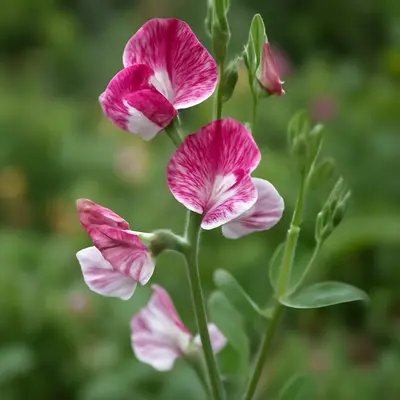
From the Spencer series. Chocolate to cranberry streaks throughout and lining the petal edge. Plants produce 3-4 blooms per 9-12" stem. Highly fragrant. NOTE: Spencer series sweet peas are known as late-flowering because they require at least 12 hours of daylight, unlike more modern sweet pea varieties bred for winter production, which may require only 10-11 hours of daylight. Attracts hummingbirds.
Harvest
75-85d
Days to harvest
Sun
Full sun
Zones
2–11
USDA hardiness
Height
3-8 feet
Planting Timeline
Showing dates for Wiltshire Ripple in USDA Zone 7
All Zone 7 flower →Zone Map
Click a state to update dates
Wiltshire Ripple · Zones 2–11
Growing Details
Succession Planting
Start seeds indoors in late February or early March in zone 7, then direct sow again in early April once soil temps are consistently above 45°F. Soak seeds for 12-24 hours before sowing — they can be slow to break dormancy, with germination stretching toward the 14-day end in cold soil. Make a second direct sowing 3-4 weeks after the first to extend your cutting window. Stop sowing by late April; anything going in after that won't have time to flower before summer heat shuts the plants down.
A fall planting is worth trying in zone 7 — direct sow in mid-September and plants will flower into November, or December in a mild year. The cooler nights actually sharpen the fragrance, which is the whole point with Wiltshire Ripple. Skip the indoor start for the fall round; just direct sow and let the plants grow fast in the cooling weather.
Complete Growing Guide
Wiltshire Ripple sweet peas are best started indoors four to six weeks before your last spring frost, giving them a strong head start before transplanting outdoors. You can also direct sow seeds into the garden two to three weeks before the last frost date, as these hardy plants tolerate cool soil and light frosts. Soak seeds overnight in room-temperature water before sowing to improve germination rates. When starting indoors, use seed-starting mix in small pots, planting seeds about half an inch deep. Direct sowing should follow the same depth guideline, with seeds spaced two inches apart in prepared garden beds.
Prepare your planting area with well-draining soil enriched with compost or aged manure, as Wiltshire Ripple performs best in fertile conditions. Space seedlings or thin direct-sown plants to six inches apart initially, then to twelve inches apart once they establish strong growth. Full sun is essential—aim for at least six to eight hours daily, though remember that this Spencer series variety requires a minimum of twelve hours of daylight to flower, making it a true late-season performer.
Water consistently throughout the growing season, keeping soil evenly moist but never waterlogged. Deep watering two to three times weekly is preferable to frequent shallow watering. Begin feeding every two weeks once plants reach six inches tall, using a balanced fertilizer until flowering begins, then switch to a lower-nitrogen formula to encourage blooms rather than excessive foliage. Deadheading spent flowers every two to three days dramatically extends the blooming period and encourages the production of the characteristic three to four blooms per stem that make Wiltshire Ripple so striking.
This variety is particularly susceptible to powdery mildew in humid conditions, so ensure good air circulation around plants and avoid overhead watering. Watch for spider mites during hot, dry spells, and monitor for thrips that may damage the delicate streaked petals. Provide sturdy trellising or support structures early, as plants can reach eight feet tall at maturity, and the abundant flowers become quite heavy.
The one thing gardeners most frequently overlook with Wiltshire Ripple is providing adequate light duration. Simply planting in full sun isn't sufficient—this Spencer series heirloom won't initiate flowers until day length exceeds twelve hours. Early spring planting ensures plants mature as daylight lengthens into late spring and summer, aligning perfectly with the variety's natural flowering trigger. For gardeners in shorter-season climates, succession planting every two weeks from early spring through mid-spring ensures continuous blooms from mid-summer through frost. With proper attention to light requirements, spacing, and deadheading, Wiltshire Ripple rewards you with months of beautifully streaked, intensely fragrant blossoms perfect for cutting.
Harvesting
Wiltshire Ripple reaches harvest at 75 - 85 days from sowing per Johnny's Selected Seeds. Expect 9-12" at peak. As an annual, harvest continues until frost ends the season.
Type: Legume.
Edibility: Sweet pea fruits are inedible and poisonous to humans.
Storage & Preservation
Fresh Wiltshire Ripple sweet pea blooms should be placed immediately in cool water after cutting, ideally in a refrigerator at 35-40°F to extend vase life to 7-10 days. Keep stems in water and mist petals to maintain humidity. For preservation, air-dry stems by hanging bundles upside-down in a cool, dark, well-ventilated space for 2-3 weeks to create dried arrangements that last months. Alternatively, press individual flowers between blotting paper weighted with books for 2-4 weeks, yielding botanical specimens perfect for crafts and framing. Freezing in water works for future potpourri use—freeze blooms in ice cube trays with water, then store in freezer bags.
History & Origin
Wiltshire Ripple is open-pollinated, meaning seed saved from healthy plants will produce true-to-type offspring. Listed in the Johnny's Selected Seeds catalog.
Origin: Southern Italy, Sicily, Crete
Advantages
- +Stunning chocolate and cranberry streaked petals create unique visual appeal
- +Produces 3-4 blooms per stem, offering excellent cutting and arrangement potential
- +Highly fragrant flowers attract hummingbirds and pollinators to gardens
- +Spencer series heritage ensures proven reliability and ease of growth
- +Long 9-12 inch stems ideal for floral arrangements and bouquets
Considerations
- -Requires 12+ hours of daylight, limiting spring and fall growing seasons
- -Late-flowering nature means slower time to blooms compared to modern varieties
- -Spencer varieties may be more susceptible to powdery mildew in humid climates
Companion Plants
Lavender and catmint planted nearby pull in parasitic wasps and hoverflies that keep aphid pressure down on the vines. French marigolds (Tagetes patula) do similar work at soil level, and their scent confuses thrips. Alyssum and borage both attract pollinators that help with flower set. In our zone 7 Georgia garden, we like running a low row of alyssum right at the feet of the sweet pea trellis — it fills the space, keeps the roots shaded a few degrees cooler, and the white flowers hold up well against the striped Wiltshire blooms.
The harmful companions are more clear-cut. Black walnut produces juglone, which leaches through the soil and is genuinely toxic to Lathyrus — not a neighbor you want within a long stone's throw. Mint spreads by runner and will physically crowd out the base of your plants before you notice it's happening. Eucalyptus drops allelopathic compounds from both roots and fallen leaves that suppress whatever's growing beneath it. Sweet peas have a short enough window already; none of these are worth the risk.
Plant Together
Lavender
Attracts pollinators and repels pests like aphids and moths
Marigolds
Natural pest deterrent against nematodes and aphids
Catmint
Repels ants, aphids, and rodents while attracting beneficial insects
Alyssum
Ground cover that attracts beneficial predatory insects
Nasturtiums
Acts as trap crop for aphids and cucumber beetles
Chives
Repels aphids and other soft-bodied insects
Cosmos
Attracts beneficial insects and provides support structure
Borage
Attracts pollinators and beneficial predatory insects
Keep Apart
Black Walnut
Produces juglone which is toxic to many flowering plants
Mint
Aggressive spreader that competes for nutrients and space
Eucalyptus
Allelopathic compounds inhibit growth of nearby plants
Troubleshooting Wiltshire Ripple
What you'll see, why it happens, and what to do about it.
Powdery white coating on leaves and stems, usually showing up after the vines have been growing 4-6 weeks
Likely Causes
- Powdery mildew (Erysiphe polygoni) — a fungal disease that thrives when days are warm and nights are cool, with poor airflow between plants
- Crowded planting at less than 6 inches spacing that traps humidity against the foliage
What to Do
- 1.Remove and trash the worst-affected leaves — don't compost them
- 2.Spray remaining foliage with a diluted potassium bicarbonate solution (1 tablespoon per gallon of water) every 7 days until new growth looks clean
- 3.Next season, give each plant the full 9 inches of spacing and make sure your support structure lets air move through
Buds forming but dropping before they open, or flowers fading and dying within a day of opening
Likely Causes
- Heat stress — Lathyrus odoratus stops performing reliably once daytime highs climb above 80°F
- Inconsistent watering causing bud-stage stress, especially on sandy or fast-draining soils
What to Do
- 1.Lay a 2-inch layer of straw mulch over the root zone to buffer soil temperature and hold moisture between waterings
- 2.Water deeply every 2-3 days rather than lightly every day; you want moisture 4-6 inches down
- 3.Push your sowing date earlier next year so plants are already flowering in April before temperatures peak — sweet peas are a spring crop, and fighting that is a losing proposition
Yellowing leaves starting at the base of the plant, with stems that look pinched or darkened at soil level
Likely Causes
- Fusarium wilt (Fusarium oxysporum f. sp. lathyri) — a soil-borne fungus that's more aggressive in waterlogged or poorly drained beds
- Overwatering or a bed with no drainage that keeps roots sitting in wet soil
What to Do
- 1.Pull the affected plant — there's no recovery once Fusarium has moved into the stem — and don't replant sweet peas in that spot for at least 3 seasons
- 2.Improve drainage before the next planting by working in 2-3 inches of compost and raising the bed if needed
- 3.Water at the base, not overhead, and let the top inch of soil dry slightly between waterings
Frequently Asked Questions
How long do Wiltshire Ripple sweet pea cut flowers last in a vase?▼
Is Wiltshire Ripple a good choice for beginner flower gardeners?▼
When should I plant Wiltshire Ripple sweet pea seeds?▼
Can you grow Wiltshire Ripple sweet peas in containers?▼
What makes Wiltshire Ripple different from modern sweet pea varieties?▼
How long from planting to first blooms with Wiltshire Ripple?▼
Zone-by-Zone Planting Calendar
| Zone | Indoor Start | Transplant | Direct Sow | Harvest |
|---|---|---|---|---|
| Zone 1 | May – June | July – August | July – September | — |
| Zone 2 | April – May | June – July | June – August | — |
| Zone 11 | January – January | January – February | January – March | — |
| Zone 12 | January – January | January – February | January – March | — |
| Zone 13 | January – January | January – February | January – March | — |
| Zone 3 | April – May | June – July | June – August | — |
| Zone 4 | March – April | June – June | June – July | — |
| Zone 5 | March – April | May – June | May – July | — |
| Zone 6 | March – April | May – June | May – July | — |
| Zone 7 | February – March | April – May | April – June | — |
| Zone 8 | February – March | April – May | April – June | — |
| Zone 9 | January – February | March – April | March – May | — |
| Zone 10 | January – January | February – March | February – April | — |
Growing Guides from Wind River Greens
Sources & References
External authority sources used in compiling this guide.
- BreederJohnny's Selected Seeds
See the Methodology page for how this data is sourced, what's AI-assisted, and known limitations.