Prince Rose
Celosia argentea cristata
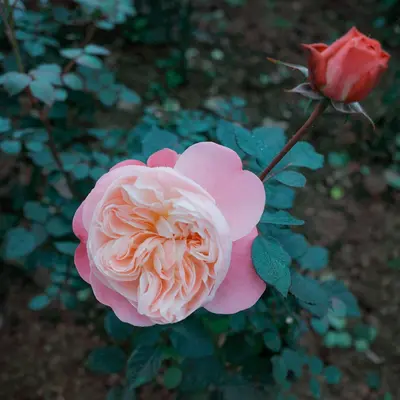
Vivid red combs with attractive purple foliage and rose-colored stems. 2-4" wide dark magenta combs on sturdy 18-24" long stems are useful for fresh or dried cut flowers. Similar overall performance to the Chief series but earlier to bloom. In our trials, Prince Rose is ready for harvest 5-7 days earlier than the Chief series. Uniform bloom time, plant habit, and height. We recommend pinching seedlings for optimal branching and productivity. Crested-type celosia, also known as cockscomb and crested cock's comb. Unauthorized reproduction and sale of seeds is prohibited by the breeder.
Harvest
90-115d
Days to harvest
Sun
Full sun
Zones
10–11
USDA hardiness
Height
9-18 inches
Planting Timeline
Showing dates for Prince Rose in USDA Zone 7
All Zone 7 flower →Zone Map
Click a state to update dates
Prince Rose · Zones 10–11
Growing Details
Complete Growing Guide
Vivid red combs with attractive purple foliage and rose-colored stems. 2-4" wide dark magenta combs on sturdy 18-24" long stems are useful for fresh or dried cut flowers. Similar overall performance to the Chief series but earlier to bloom. In our trials, Prince Rose is ready for harvest 5-7 days earlier than the Chief series. Uniform bloom time, plant habit, and height. We recommend pinching seedlings for optimal branching and productivity. Crested-type celosia, also known as cockscomb and crested cock's comb. Unauthorized reproduction and sale of seeds is prohibited by the breeder. According to Johnny's Selected Seeds, Prince Rose is 90 - 115 days to maturity, annual, open pollinated. Notable features: Use for Cut Flowers and Bouquets, Ideal for Drying and Crafts.
Light: Full sun (6 or more hours of direct sunlight a day). Soil: High Organic Matter, Loam (Silt), Sand. Soil pH: Neutral (6.0-8.0). Drainage: Good Drainage, Occasionally Dry. Height: 0 ft. 9 in. - 1 ft. 6 in.. Spread: 0 ft. 9 in. - 1 ft. 0 in.. Spacing: 12 inches-3 feet. Growth rate: Rapid. Maintenance: Low. Propagation: Seed. Regions: Coastal, Piedmont.
Harvesting
Prince Rose reaches harvest at 90 - 115 days from sowing per Johnny's Selected Seeds. Expect 2-4" at peak. As an annual, harvest continues until frost ends the season.
Smooth, glossy, shiny capsule contain many seeds
Color: Black. Type: Capsule.
Edibility: The leaves and young shoots are cooked and used in soups and stews. The seeds yield edible oil.
Storage & Preservation
For fresh flowers, store Prince Rose stems in a cool room at 65-72°F with moderate humidity, away from direct sunlight and ripening fruit. Change water daily and recut stems at an angle every 2-3 days; fresh blooms typically last 7-14 days indoors. For preservation, air-dry by hanging stems upside-down in a warm, dark, well-ventilated space for 2-3 weeks to retain color and form. Alternatively, press individual combs between parchment paper under weights for 1-2 weeks for flat displays. Silica gel drying preserves vibrant magenta tones in 3-5 days, ideal for arrangements that retain original color and texture.
History & Origin
Prince Rose is open-pollinated, meaning seed saved from healthy plants will produce true-to-type offspring. Listed in the Johnny's Selected Seeds catalog.
Origin: Tropical Africa
Advantages
- +Vivid red combs with striking purple foliage create exceptional visual appeal
- +Blooms 5-7 days earlier than Chief series for quicker harvests
- +Excellent for both fresh and dried cut flower arrangements
- +Uniform height and bloom time simplifies harvest planning and scheduling
- +Sturdy 18-24 inch stems provide good structural support for cutting
Considerations
- -Requires pinching seedlings for optimal branching, adding labor demands
- -Crested type prone to fungal issues in high humidity conditions
- -Seed reproduction legally restricted by breeder limits propagation options
Companion Plants
Marigolds (especially Tagetes patula) planted within 12 inches of celosia emit volatile compounds that confuse and deter whiteflies and aphids — that's a documented chemical mechanism, not garden folklore. Garlic and chives work on a similar principle and pull double duty as edibles. Lavender and catmint draw in parasitic wasps that police aphid colonies without you lifting a finger. Keep Prince Rose away from black walnut entirely — the roots release juglone, and celosia is sensitive enough that you'll see wilting and stunted growth before you figure out what's causing it. Large trees are a practical problem, not a chemistry one: this variety needs 6 or more direct sun hours to form the tight, velvety crests it's known for, and any canopy shade turns those heads loose and floppy.
Plant Together
Lavender
Repels aphids, spider mites, and deer while attracting beneficial pollinators
Marigold
Deters nematodes, aphids, and whiteflies with natural pest-repelling compounds
Garlic
Repels aphids, spider mites, and fungal diseases with sulfur compounds
Chives
Natural fungicide properties help prevent black spot and powdery mildew
Catmint
Deters ants, aphids, and rodents while attracting beneficial insects
Allium
Repels aphids and thrips, helps prevent fungal infections in roses
Clematis
Provides vertical interest and shares similar water and nutrient requirements
Parsley
Attracts beneficial insects like hoverflies that prey on rose pests
Keep Apart
Black Walnut
Releases juglone toxin that inhibits rose growth and can cause wilting
Large Trees
Compete for nutrients and water, create excessive shade reducing bloom production
Impatiens
Susceptible to same fungal diseases, can harbor pests that spread to roses
Pests & Disease Resistance
Common Pests
Spider mites, aphids, whiteflies
Diseases
Damping off, root rot
Troubleshooting Prince Rose
What you'll see, why it happens, and what to do about it.
Seedlings collapse at the soil line within the first 2 weeks after germination
Likely Causes
- Damping off (Pythium or Rhizoctonia spp.) — triggered by overwatering and poor drainage in the seed-starting mix
- Sowing too densely, which keeps humidity high at the soil surface
What to Do
- 1.Water only when the top quarter-inch of the mix feels dry; bottom-watering helps a lot here
- 2.Thin seedlings to at least 1 inch apart as soon as the first true leaf appears
- 3.If it keeps happening, drench the mix once with a diluted hydrogen peroxide solution (1 part 3% H2O2 to 9 parts water) to knock back the pathogen
Tiny yellow stippling across the upper leaf surface, with fine webbing on the undersides in dry weather
Likely Causes
- Two-spotted spider mite (Tetranychus urticae) — populations explode when temps stay above 85°F and humidity drops
- Plants stressed by irregular watering, which makes them more susceptible
What to Do
- 1.Blast the undersides of leaves with a strong stream of water every 2-3 days to knock mite numbers down before they build
- 2.Apply insecticidal soap or neem oil in the early morning — full coverage on the undersides is what matters, not just a light mist
- 3.Keep soil moisture consistent; drought-stressed celosia gets hit harder and recovers slower
Stunted growth, sticky residue on leaves, and clusters of small soft-bodied insects at new growth tips
Likely Causes
- Aphids (commonly Myzus persicae or Aphis gossypii) — they colonize tender new tissue and can transmit mosaic viruses
- Excess nitrogen from heavy fertilizing, which produces the soft lush growth aphids prefer
What to Do
- 1.Knock aphids off with a firm water spray; repeat every few days until the colony collapses
- 2.Stop pushing nitrogen once the plant is established — a balanced 10-10-10 at planting is plenty
- 3.Plant parsley or chives within a few feet to draw in parasitic wasps, which are genuinely effective at keeping aphid colonies from rebounding
Frequently Asked Questions
How long does Prince Rose last as a cut flower?▼
Is Prince Rose a good flower for beginners to grow?▼
Can you grow Prince Rose flowers in containers?▼
When should I plant Prince Rose seeds?▼
What makes Prince Rose different from the Chief series celosia?▼
How do I get the best branching and productivity from Prince Rose?▼
Zone-by-Zone Planting Calendar
| Zone | Indoor Start | Transplant | Direct Sow | Harvest |
|---|---|---|---|---|
| Zone 1 | May – June | July – August | July – September | — |
| Zone 2 | April – May | June – July | June – August | — |
| Zone 11 | January – January | January – February | January – March | — |
| Zone 12 | January – January | January – February | January – March | — |
| Zone 13 | January – January | January – February | January – March | — |
| Zone 3 | April – May | June – July | June – August | — |
| Zone 4 | March – April | June – June | June – July | — |
| Zone 5 | March – April | May – June | May – July | — |
| Zone 6 | March – April | May – June | May – July | — |
| Zone 7 | February – March | April – May | April – June | — |
| Zone 8 | February – March | April – May | April – June | — |
| Zone 9 | January – February | March – April | March – May | — |
| Zone 10 | January – January | February – March | February – April | — |
Growing Guides from Wind River Greens
Sources & References
External authority sources used in compiling this guide.
- BreederJohnny's Selected Seeds
See the Methodology page for how this data is sourced, what's AI-assisted, and known limitations.