Benary's Giant Scarlet
Zinnia elegans
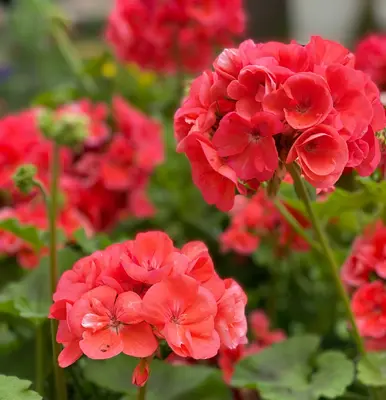
Benary's Giant Scarlet is a stunning heirloom zinnia cultivar prized for its large, vibrant scarlet-red double flowers that bloom prolifically in 75-90 days. This easy-to-grow variety reaches 24-30 inches tall and produces abundant cut flowers throughout the season. Its bold, fully-double petals and exceptional color saturation make it a standout in garden displays and floral arrangements. An excellent choice for cutting gardens and ornamental beds.
Harvest
75-90d
Days to harvest
Sun
Full sun
Zones
2–11
USDA hardiness
Height
0-3 feet
Planting Timeline
Showing dates for Benary's Giant Scarlet in USDA Zone 7
All Zone 7 flower →Zone Map
Click a state to update dates
Benary's Giant Scarlet · Zones 2–11
Growing Details
Succession Planting
Start seeds indoors 6–8 weeks before your last frost, or direct sow after soil reaches 70°F. For a steady cut-flower supply, sow a second round 3–4 weeks after your first direct sowing — in zone 7, an April sowing followed by one in early May covers most of the season. Zinnias don't bolt, but once daytime highs sit consistently above 95°F, flower size drops and stem length shortens noticeably, so there's not much to gain from pushing new sowings past mid-June.
Complete Growing Guide
Recommended by the Association of Specialty Cut Flower Growers. High yields of long, sturdy stems with 4-6" fully double, dahlia-like blooms. Excellent vase life. Vigorous plants hold up well in summer heat and rain. Low susceptibility to powdery mildew. Cut-and-come-again flower, yielding multiple cuts over the season. According to Johnny's Selected Seeds, Benary's Giant Scarlet is 75 - 90 days to maturity, annual, open pollinated. Notable features: Use for Cut Flowers and Bouquets.
Light: Full sun (6 or more hours of direct sunlight a day). Soil: High Organic Matter, Loam (Silt). Soil pH: Acid (<6.0), Alkaline (>8.0), Neutral (6.0-8.0). Drainage: Good Drainage, Occasionally Dry. Height: 0 ft. 6 in. - 3 ft. 0 in.. Spread: 0 ft. 8 in. - 1 ft. 0 in.. Spacing: 12 inches-3 feet. Growth rate: Rapid. Maintenance: Medium. Propagation: Seed. Regions: Coastal, Mountains, Piedmont.
Harvesting
Benary's Giant Scarlet reaches harvest at 75 - 90 days from sowing per Johnny's Selected Seeds. Expect 4-6" at peak. As an annual, harvest continues until frost ends the season.
Type: Achene.
Storage & Preservation
Store fresh-cut stems in a cool location at 34-40°F with 80-90% humidity for optimal vase life (10-14 days). Keep stems in clean water with floral preservative, changing water every 2-3 days and re-cutting stems at an angle. For preservation, air-dry fully double blooms by hanging them upside down in a dark, well-ventilated space for 2-3 weeks to create long-lasting dried arrangements. Alternatively, press individual blooms between parchment paper under heavy weight for 4-6 weeks to preserve for crafts or framing. Freeze stems in water in small containers for extended storage up to 3 months.
History & Origin
Benary's Giant Scarlet is open-pollinated, meaning seed saved from healthy plants will produce true-to-type offspring. Listed in the Johnny's Selected Seeds catalog.
Origin: Mexico
Advantages
- +Professional cut flower variety recommended by specialty growers association
- +Produces abundant long sturdy stems perfect for floral arrangements
- +Large 4-6 inch fully double blooms resemble dahlias
- +Excellent vase life ensures arrangements stay fresh longer
- +Heat and rain tolerant plants perform reliably in summer
Considerations
- -Requires 75-90 days to maturity limiting succession planting options
- -Bright scarlet color may clash with some garden color schemes
- -Vigorous growth demands regular deadheading for continued productivity
Companion Plants
Marigolds are the most practical neighbor here — they deter aphids and whiteflies through scent, and both plants want full sun and the same watering schedule, so there's no resource tug-of-war. Nasturtiums pull double duty as a trap crop, drawing aphids off your zinnias while also attracting predatory insects. Sweet Alyssum tucked at the border brings in parasitic wasps, which pays off once aphid pressure builds. Skip Black Walnut anywhere nearby — juglone leaches from the roots across a wide radius and will stunt Benary's Giant before you figure out what's wrong.
Plant Together
Marigolds
Repel aphids, whiteflies, and nematodes while attracting beneficial insects
Basil
Deters aphids, spider mites, and thrips with its aromatic oils
Nasturtiums
Act as trap crops for aphids and cucumber beetles, protecting zinnias
Cosmos
Attract beneficial insects and pollinators while providing similar growing conditions
Salvia
Repels harmful insects and attracts pollinators with complementary bloom times
Sweet Alyssum
Attracts beneficial predatory insects like lacewings and hover flies
Sunflowers
Provide wind protection and attract pollinators without competing for nutrients
Petunias
Repel aphids, tomato hornworms, and other garden pests naturally
Keep Apart
Black Walnut
Releases juglone toxin that inhibits growth and can kill zinnias
Impatiens
Compete for similar nutrients and water, may harbor fungal diseases
Large Hosta
Creates excessive shade that reduces zinnia flowering and promotes fungal issues
Pests & Disease Resistance
Common Pests
Aphids, spider mites, whiteflies
Diseases
Powdery mildew, bacterial leaf spot
Troubleshooting Benary's Giant Scarlet
What you'll see, why it happens, and what to do about it.
White powdery coating on upper leaf surfaces, usually showing up mid-summer when nights cool down slightly
Likely Causes
- Powdery mildew (Erysiphe cichoracearum) — a fungal disease that spreads by airspores and thrives when humidity is high but leaves stay dry
- Crowded spacing under 18 inches that cuts off airflow between plants
What to Do
- 1.Pull the worst-affected leaves off and bin them — don't compost them
- 2.Spray foliage with a diluted baking soda solution (1 tablespoon per gallon of water) every 7 days as a stopgap
- 3.Next season, hold to the full 18–24 inch spacing and avoid late-evening overhead watering
Stunted new growth with clusters of small soft-bodied insects on stem tips and undersides of buds
Likely Causes
- Aphids (commonly Myzus persicae or Aphis gossypii) — they build up fast in hot, dry spells or when nearby ant colonies are farming them
- Absence of beneficial insects like lacewings or parasitic wasps due to heavy pesticide use nearby
What to Do
- 1.Knock aphids off with a firm stream of water from the hose — do it in the morning so foliage dries before nightfall
- 2.If populations don't drop within a week, apply insecticidal soap directly to the colonies; coat the undersides of leaves
- 3.Plant Sweet Alyssum within 2–3 feet to draw in parasitic wasps that will work the colony down over time
Frequently Asked Questions
How long does Benary's Giant Scarlet last in a vase?▼
Is Benary's Giant Scarlet good for beginners?▼
Can you grow Benary's Giant Scarlet in containers?▼
When should I plant Benary's Giant Scarlet?▼
What makes Benary's Giant Scarlet different from other cut flower varieties?▼
How often can I cut blooms from one plant?▼
Zone-by-Zone Planting Calendar
| Zone | Indoor Start | Transplant | Direct Sow | Harvest |
|---|---|---|---|---|
| Zone 1 | May – June | July – August | July – September | — |
| Zone 2 | April – May | June – July | June – August | — |
| Zone 11 | January – January | January – February | January – March | — |
| Zone 12 | January – January | January – February | January – March | — |
| Zone 13 | January – January | January – February | January – March | — |
| Zone 3 | April – May | June – July | June – August | — |
| Zone 4 | March – April | June – June | June – July | — |
| Zone 5 | March – April | May – June | May – July | — |
| Zone 6 | March – April | May – June | May – July | — |
| Zone 7 | February – March | April – May | April – June | — |
| Zone 8 | February – March | April – May | April – June | — |
| Zone 9 | January – February | March – April | March – May | — |
| Zone 10 | January – January | February – March | February – April | — |
Growing Guides from Wind River Greens
Sources & References
External authority sources used in compiling this guide.
- BreederJohnny's Selected Seeds
See the Methodology page for how this data is sourced, what's AI-assisted, and known limitations.