Green Gold
Bupleurum rotundifolium
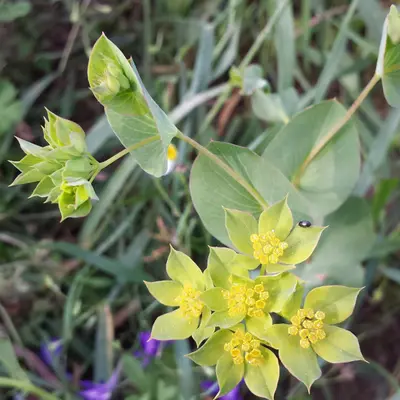
Upright plants produce 2 1/2" yellow-lime green flowers atop long, wiry stems. Excellent for mixed bouquets and makes a unique dried flower. Also known as thoroughwax and hare's ear. Also available in organic seed.
Harvest
80-90d
Days to harvest
Sun
Full sun
Zones
5–9
USDA hardiness
Height
16-24 inches
Planting Timeline
Showing dates for Green Gold in USDA Zone 7
All Zone 7 flower →Zone Map
Click a state to update dates
Green Gold · Zones 5–9
Growing Details
Succession Planting
Bupleurum makes a good succession crop for cut-flower production. Start indoors in late February to early March, then direct sow every 3 weeks from April 1 through mid-May in zone 7 — that gives you a staggered harvest across roughly 8–10 weeks rather than one flush. Stop spring sowings when daytime highs are consistently hitting 85°F, because plants started in that heat bolt fast and give you maybe a week of cuttable stems.
Pick back up with a fall round: direct sow in late August or early September for harvest in late October through November. Days to harvest run 80–90, so count backward from your first average frost date (early November in much of zone 7) and sow accordingly. That fall planting often produces the cleanest, straightest stems of the year — cooler nights slow the plants down just enough.
Complete Growing Guide
Light: Full sun (6 or more hours of direct sunlight a day). Soil: Loam (Silt), Sand. Soil pH: Acid (<6.0), Alkaline (>8.0), Neutral (6.0-8.0). Drainage: Good Drainage, Moist, Occasionally Dry. Height: 1 ft. 4 in. - 2 ft. 0 in.. Spread: 1 ft. 0 in. - 1 ft. 4 in.. Spacing: 12 inches-3 feet. Growth rate: Rapid. Maintenance: Low. Propagation: Seed. Regions: Coastal, Mountains, Piedmont.
Harvesting
Oblong fruit are tiny and do not open when ripe.
Color: Black. Length: < 1 inch. Width: < 1 inch.
Harvest time: Fall, Summer
Edibility: Leaves can be eaten.
Storage & Preservation
For fresh flowers, store Green Gold upright in a vase with cool water (65-72°F) in a cool location away from direct sunlight and ethylene-producing fruits. Change water every 2-3 days; they'll last 7-10 days fresh. For drying, harvest stems when flowers are fully open, remove lower foliage, and hang upside-down in a warm, dark, well-ventilated space (70-75°F, 40-50% humidity) for 2-3 weeks. Dried flowers remain vibrant for 6-12 months stored in a cool, dry place. Alternatively, press flowers between parchment paper under weight for 2-3 weeks, or preserve in glycerin solution for a more pliable dried arrangement option.
History & Origin
Origin: Central and southern Europe, Asia
Advantages
- +Edible: Leaves can be eaten.
- +Fast-growing
- +Low maintenance
Companion Plants
Marigolds and sweet alyssum are the two worth prioritizing near Bupleurum. French marigolds (Tagetes patula) emit thiophenes from their roots that suppress soil nematodes, and their scent confuses aphids mid-flight. Sweet alyssum draws in parasitic wasps and hoverflies — both prey on aphids and small caterpillars — and it stays low enough that it won't compete for the 16–24 inches of vertical space Bupleurum needs. Nasturtiums pull double duty as a trap crop for black aphids; plant them at the bed edge and let them take the hit so your Bupleurum stems stay clean for harvest.
Black walnut is the one to keep far off the planting list. It produces juglone, a compound toxic to a wide range of plants, and the root zone extends well beyond the canopy drip line — a real problem in our zone 7 Georgia gardens where old walnut trees often border vegetable and cut-flower beds. Sunflowers are worth avoiding too: they release allelopathic compounds from their roots and from decomposing tissue that can suppress germination and stunt neighboring annuals, which matters if you're rotating Bupleurum through the same beds season to season.
Plant Together
Marigolds
Repel nematodes, aphids, and whiteflies while attracting beneficial insects
Nasturtiums
Act as trap crops for aphids and cucumber beetles, deterring pests from main plant
Lavender
Repels moths, fleas, and mosquitoes while attracting pollinators like bees and butterflies
Sweet Alyssum
Attracts beneficial insects like lacewings and hoverflies that control aphids
Chives
Repel aphids, Japanese beetles, and carrot flies with their strong sulfur compounds
Yarrow
Improves soil health and attracts predatory wasps and ladybugs for pest control
Cosmos
Attract beneficial insects including parasitic wasps and provide habitat for predators
Borage
Attracts pollinators and beneficial insects while potentially improving plant vigor
Keep Apart
Black Walnut
Produces juglone compound that is toxic to many flowering plants and inhibits growth
Eucalyptus
Releases allelopathic compounds that suppress growth of nearby plants
Sunflowers
Can release allelopathic chemicals and compete aggressively for nutrients and water
Troubleshooting Green Gold
What you'll see, why it happens, and what to do about it.
Seedlings damping off at soil level — stem pinches thin, plant collapses — within the first 2 weeks of germination
Likely Causes
- Pythium or Rhizoctonia fungi in soggy seed-starting mix
- Overwatering combined with poor airflow around seedling trays
What to Do
- 1.Water only when the top of the mix is dry to the touch; Bupleurum doesn't want wet feet at any stage
- 2.Run a small fan on low near your trays to keep air moving
- 3.If you're starting indoors in February or March, use a fresh, sterile seed-starting mix — don't reuse last year's
Powdery white coating on leaves and stems, usually showing up mid-summer after plants have been in the ground 50-60 days
Likely Causes
- Powdery mildew (Erysiphe or Golovinomyces spp.) — favored by warm days, cool nights, and low airflow
- Crowded spacing under 12 inches that traps humidity around foliage
What to Do
- 1.Space plants at least 12 inches apart — 15 is better if you're in a humid spot
- 2.Apply a diluted baking soda spray (1 tablespoon per gallon of water) at first sign, or use a sulfur-based fungicide labeled for ornamentals
- 3.Pull and bin any heavily infected stems; don't compost them
Plants bolt and go fully to seed weeks earlier than expected, cutting the harvest window short
Likely Causes
- Heat stress — Bupleurum rotundifolium flags when daytime highs hold above 85–90°F for more than a few days running
- Direct sowing too late in spring, pushing plants into peak summer heat before they've put on enough stem length to cut
What to Do
- 1.In zone 7, make your last direct sowing by mid-May; anything sown in June will likely run short on usable stems
- 2.Time a second planting for late August to early September for a fall cut-flower flush before frost
- 3.Hang 30% shade cloth over young plants if a heat wave hits before they've reached 12 inches tall
Frequently Asked Questions
How long do Green Gold flowers last in a vase?▼
Is Green Gold easy to grow for beginners?▼
Can you grow Green Gold in containers?▼
When should I plant Green Gold?▼
What makes Green Gold unique as a dried flower?▼
What is the best method to dry Green Gold flowers?▼
Zone-by-Zone Planting Calendar
| Zone | Indoor Start | Transplant | Direct Sow | Harvest |
|---|---|---|---|---|
| Zone 3 | April – May | June – July | June – August | — |
| Zone 4 | March – April | June – June | June – July | — |
| Zone 5 | March – April | May – June | May – July | — |
| Zone 6 | March – April | May – June | May – July | — |
| Zone 7 | February – March | April – May | April – June | — |
| Zone 8 | February – March | April – May | April – June | — |
| Zone 9 | January – February | March – April | March – May | — |
| Zone 10 | January – January | February – March | February – April | — |
| Zone 1 | May – June | July – August | July – September | — |
| Zone 2 | April – May | June – July | June – August | — |
| Zone 11 | January – January | January – February | January – March | — |
| Zone 12 | January – January | January – February | January – March | — |
| Zone 13 | January – January | January – February | January – March | — |
Growing Guides from Wind River Greens
Sources & References
External authority sources used in compiling this guide.
- ExtensionNC State Extension
- BreederJohnny's Selected Seeds
See the Methodology page for how this data is sourced, what's AI-assisted, and known limitations.