Winged Everlasting
Ammobium alatum
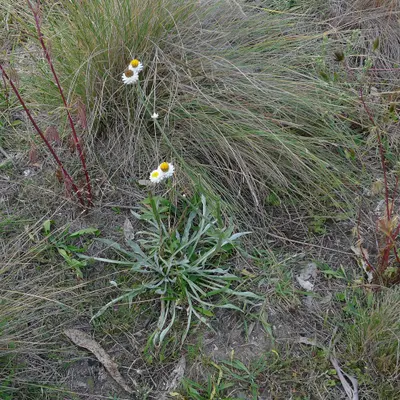
The prolific 1/2- 3/4" silvery-white blooms on stiff stems are typically grown for dried-flower production but are also useful as fresh cuts for flower arrangements. The tiny blooms make an elegant addition to boutonnieres and floral crowns. As flowers mature, the papery white petals open to reveal bright-yellow centers. Flowers are typically harvested when half open, before the center is exposed. Winged Everlasting gets its name from ribbed, or winged stems the plant produces. Tender perennial in Zones 9-10 but most often grown as an annual. Once the flowers were fully open at our trial farm, we noticed lots of flying friends visiting the flowers, including hoverflies and wasps.
Harvest
70-80d
Days to harvest
Sun
Full sun
Zones
8–10
USDA hardiness
Height
3-3 feet
Planting Timeline
Showing dates for Winged Everlasting in USDA Zone 7
All Zone 7 flower →Zone Map
Click a state to update dates
Winged Everlasting · Zones 8–10
Growing Details
Complete Growing Guide
Light: Full sun (6 or more hours of direct sunlight a day). Soil: Loam (Silt), Sand. Soil pH: Acid (<6.0), Neutral (6.0-8.0). Drainage: Good Drainage. Height: 3 ft. 0 in. - 3 ft. 0 in.. Spread: 1 ft. 3 in. - 1 ft. 0 in.. Spacing: 12 inches-3 feet. Growth rate: Medium. Propagation: Seed.
Harvesting
Winged Everlasting reaches harvest at 70 - 80 days from sowing per Johnny's Selected Seeds. Expect 1/2- 3/4" at peak.
Type: Achene.
Storage & Preservation
For fresh cuts, keep Winged Everlasting in cool water at room temperature (65-72°F) away from direct sun; replace water every 2-3 days for a 7-10 day vase life. For dried preservation, harvest stems when flowers are half-open, tie in small bundles, and hang upside-down in a warm, dry, well-ventilated space (60-75°F, 30-40% humidity) for 10-14 days. Alternatively, air-dry in a vase without water, allowing flowers to gradually open and dry. Store dried flowers in airtight containers in cool, dry conditions for 12+ months. A third method involves silica gel drying for faster results (5-7 days), though air-drying is most economical for this variety.
History & Origin
Origin: E. & SE. Australia
Advantages
- +Attracts: Specialized Bees
Companion Plants
Lavender, rosemary, and salvia are the best neighbors for Ammobium alatum because they share the same preference for lean, well-drained soil and full sun — nobody's crowding the other out or demanding extra irrigation that would rot the everlasting's crown. Yarrow and catmint add the practical benefit of drawing in parasitic wasps and predatory insects that keep soft-bodied pests in check, which matters since Ammobium doesn't have much built-in pest resistance. Marigolds (Tagetes spp.) planted at the border help deter aphids, and the color contrast against papery white flowers costs you nothing.
Keep Ammobium well away from mint and fennel. Mint spreads aggressively by underground runner and will physically outcompete slower, upright plants within a single season — it doesn't play fair with anything low-maintenance nearby. Fennel (Foeniculum vulgare) is broadly allelopathic; its root exudates suppress growth across a wide range of neighbors, making it a poor fit in any mixed ornamental bed. Black walnut (Juglans nigra) produces juglone, a compound that persists in the soil and can stunt or kill sensitive plants growing anywhere under or near its canopy.
Plant Together
Lavender
Attracts beneficial pollinators and repels pests with similar water requirements
Rosemary
Drought-tolerant herb that deters harmful insects while attracting beneficial ones
Marigold
Natural pest deterrent that repels nematodes and aphids
Yarrow
Improves soil health and attracts predatory insects that control pests
Salvia
Similar growing conditions and attracts pollinators while repelling garden pests
Catmint
Repels ants, aphids, and rodents while requiring similar low-water conditions
Echinacea
Shares similar soil preferences and creates beneficial habitat for pollinators
Sedum
Compatible drought-tolerant succulent that attracts beneficial insects
Keep Apart
Black Walnut
Produces juglone toxin that inhibits growth of many plants including everlastings
Mint
Aggressive spreader that competes for nutrients and can overwhelm slower-growing plants
Fennel
Allelopathic properties inhibit growth of nearby plants through chemical compounds
Troubleshooting Winged Everlasting
What you'll see, why it happens, and what to do about it.
Seedlings damping off at soil level within the first 2 weeks of germination — stems pinch thin and collapse
Likely Causes
- Pythium or Rhizoctonia fungal rot from overly wet, poorly drained germination mix
- Trays kept too cool (below 65°F) and moist simultaneously
What to Do
- 1.Water only from the bottom and let the top of the mix dry slightly between waterings
- 2.Improve air circulation with a small fan — even a gentle breeze makes a real difference
- 3.Sow into fresh, sterile seed-starting mix rather than reusing last year's trays
Leaves turning silvery or stippled, with fine webbing on the undersides during hot, dry spells
Likely Causes
- Two-spotted spider mite (Tetranychus urticae) — thrives when temperatures exceed 85°F and humidity drops
What to Do
- 1.Blast the undersides of leaves with a firm stream of water every 2–3 days to knock mite populations back
- 2.Apply insecticidal soap or neem oil in the early morning when temperatures are below 80°F
- 3.Keep plants consistently watered — drought-stressed Ammobium is far more susceptible
Stems elongating and flopping over before flowering, with pale green foliage and few buds by day 60
Likely Causes
- Insufficient light — fewer than 6 hours of direct sun causes etiolation in this species
- Overly rich, high-nitrogen soil pushing vegetative growth at the expense of flower development
What to Do
- 1.Move containers to a spot with at least 6 full hours of direct sun, or stake floppy stems with bamboo and twine
- 2.Skip heavy compost amendments at planting; Ammobium alatum performs best in lean, well-drained soil
- 3.Pinch the growing tip once at 6–8 inches tall to encourage branching and a sturdier habit
Frequently Asked Questions
How long do Winged Everlasting flowers last as cut flowers?▼
Is Winged Everlasting easy to grow from seed?▼
Can you grow Winged Everlasting in containers?▼
When should I plant Winged Everlasting seeds?▼
What pollinators are attracted to Winged Everlasting?▼
Why is Winged Everlasting good for dried flowers?▼
Zone-by-Zone Planting Calendar
| Zone | Indoor Start | Transplant | Direct Sow | Harvest |
|---|---|---|---|---|
| Zone 1 | May – June | July – August | July – September | — |
| Zone 2 | April – May | June – July | June – August | — |
| Zone 11 | January – January | January – February | January – March | — |
| Zone 12 | January – January | January – February | January – March | — |
| Zone 13 | January – January | January – February | January – March | — |
| Zone 3 | April – May | June – July | June – August | — |
| Zone 4 | March – April | June – June | June – July | — |
| Zone 5 | March – April | May – June | May – July | — |
| Zone 6 | March – April | May – June | May – July | — |
| Zone 7 | February – March | April – May | April – June | — |
| Zone 8 | February – March | April – May | April – June | — |
| Zone 9 | January – February | March – April | March – May | — |
| Zone 10 | January – January | February – March | February – April | — |
Growing Guides from Wind River Greens
Sources & References
External authority sources used in compiling this guide.
- ExtensionNC State Extension
- BreederJohnny's Selected Seeds
See the Methodology page for how this data is sourced, what's AI-assisted, and known limitations.