Golden Yellow
Helichrysum bracteatum
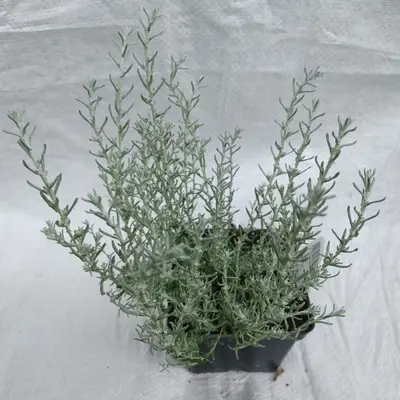
Golden Yellow is an heirloom flower variety prized for its vibrant golden-yellow blooms that mature in 75-85 days. This ornamental thrives in full sun and tolerates poor soils with minimal fertility requirements, making it an excellent choice for challenging garden spaces. The variety is notably easy to grow, requiring minimal maintenance while delivering cheerful color throughout the season.
Harvest
75-85d
Days to harvest
Sun
Full sun
Zones
1–11
USDA hardiness
Height
3-4 feet
Planting Timeline
Showing dates for Golden Yellow in USDA Zone 7
All Zone 7 flower →Zone Map
Click a state to update dates
Golden Yellow · Zones 1–11
Growing Details
Succession Planting
Golden Yellow helichrysum keeps producing flowers as long as you keep cutting them — deadhead or harvest regularly and the plant doesn't stop. One planting per bed is generally enough for a continuous supply, so strict succession isn't necessary the way it is with lettuce or radishes. That said, if you want a staggered harvest for drying (since dried flowers are the main point), sow indoors every 3 weeks from February through March in zone 7, then transplant out in April once nights stay reliably above 45°F. That gets you plants at different stages of maturity so you're not cutting everything at once.
Stop direct sowing by mid-June in most climates — seeds started much later won't reach the 75–85 day mark before fall frost cuts the season short. The plants also slow down noticeably once daytime highs push past 95°F, so late-summer sowings tend to disappoint even where frost isn't the limiting factor.
Complete Growing Guide
Golden Yellow strawflower thrives where summers are warm and sunny, so choose your most exposed bed — at least 6-8 hours of direct sun daily. These plants tolerate poor soil better than most cut flowers, but they reward you for moderate fertility. Work 2-3 inches of compost into the top 8 inches of soil before planting, and aim for a well-drained site. Heavy clay or soggy ground will cause root rot and stem collapse, so amend with sand or grit if drainage is poor.
You can start seeds indoors 6-8 weeks before your last frost date for earlier blooms. Surface-sow the tiny seeds — they need light to germinate — and press gently into moistened seed-starting mix. Keep at 70-75°F and expect germination in 7-14 days. Alternatively, direct sow once soil has warmed to 65°F and frost danger has passed. Thin or transplant seedlings to 9-12 inches apart in rows 18 inches apart.
When transplanting, harden off gradually over 7-10 days. Set plants at the same depth they grew in their pots and water in well. Once established, Golden Yellow is impressively drought-tolerant — water deeply once a week rather than frequent shallow sprinklings, which encourage weak roots and powdery mildew.
Fertilize lightly. A single side-dressing of balanced organic fertilizer (5-5-5) about 4 weeks after transplanting is plenty. Over-fertilizing, especially with high nitrogen, produces lush foliage at the expense of blooms and floppy stems that need staking.
Speaking of staking: at 3-4 feet tall, these plants benefit from corral-style support — install horizontal netting or a grid of stakes and twine when plants are 12 inches tall, and they'll grow up through it cleanly. This is especially important in zones 7 and warmer where plants reach full height, or in any windy site.
The biggest mistake gardeners make is overwatering and overcrowding. Strawflowers hate wet feet and stagnant air. Space generously, mulch lightly to suppress weeds without holding excess moisture against stems, and water at the base, never overhead. Pinch the central leader when plants are 8-10 inches tall to encourage branching — this single step can double your stem count.
In zones 9-10, Golden Yellow can perform as a short-lived perennial; elsewhere treat it as an annual. For continuous cutting, succession-sow every 3-4 weeks until midsummer. Deadheading spent blooms and harvesting frequently keeps plants producing well into fall, often until first hard frost.
Harvesting
Timing is everything with strawflowers. For dried arrangements, harvest when the outer ring of bracts has just opened but the center is still tightly closed and the true flowers (the small disk in the middle) are not yet showing pollen. Cut too late and blooms continue opening as they dry, eventually shattering. For fresh use, you can wait until blooms are slightly more open, but they'll still continue opening in the vase.
Harvest in the morning after dew has dried but before the day heats up. Use sharp snips and cut stems long — 12-18 inches — taking the cut just above a leaf node to encourage side-shoot production. Strip lower leaves immediately. The stems are somewhat brittle, so handle carefully.
For drying, bundle 6-10 stems with a rubber band (which tightens as stems shrink) and hang upside down in a warm, dark, airy spot for 2-3 weeks. Some growers wire stems before drying since natural stems can become weak and brittle once cured.
Storage & Preservation
Fresh-cut Golden Yellow strawflowers last 7-10 days in a vase with clean water changed every 2-3 days. Keep arrangements out of direct sun and away from ripening fruit. Refrigeration isn't necessary, but cool room temperatures extend vase life.
Strawflowers are the quintessential 'everlasting' — drying is the preservation method of choice. Air-dry by hanging stems upside down in bunches for 2-3 weeks in a dark, dry space; properly dried blooms hold their gold color for years. For craft use, many arrangers wire stems before drying, since dried natural stems become fragile. Silica gel drying preserves the most vivid color and shape but is overkill for this variety, which dries beautifully on its own. Store dried bunches in lidded boxes away from humidity, sunlight, and dust until needed.
History & Origin
Strawflower (Xerochrysum bracteatum) is native to Australia, where it grows wild across most of the continent in dry, sunny habitats. European botanists collected and introduced it to gardens in the early 1800s, and by mid-century it had become one of the most popular 'everlasting' flowers in Victorian cottage gardens, prized for elaborate dried arrangements and mourning wreaths. The species was originally classified as Helichrysum bracteatum and is still widely sold under that name, though taxonomists reclassified it as Xerochrysum in the 1990s.
Golden Yellow is a classic heirloom selection from the tall, single-color strains that predate modern dwarf and mixed-color hybrids. While many contemporary breeders have focused on compact bedding types, Golden Yellow preserves the original cutting-garden stature and saturated gold coloration that made strawflowers a staple of farmhouse flower beds for over a century.
Advantages
- +Exceptionally long vase life and unmatched drying quality — blooms hold color for years
- +Highly drought tolerant once established, performing well in dry summer regions
- +Tall, branching habit produces dozens of cut-worthy stems per plant
- +Tolerates poor and rocky soils where many cut flowers fail
- +Attractive to native bees and butterflies during bloom season
- +Deer and rabbit resistant due to papery, dry-textured bracts
- +Easy from seed with high germination rates — beginner-friendly
Considerations
- -Stems can flop without staking, especially in wind or rich soil
- -Susceptible to powdery mildew and root rot in humid or poorly drained sites
- -Narrow harvest window — bracts continue opening after cutting and can shatter if picked too late
- -Dried natural stems become brittle and often need wiring for arrangements
- -Tiny seeds require surface sowing and careful moisture management during germination
Companion Plants
Marigolds and nasturtiums are the most useful neighbors here. Marigolds (Tagetes spp.) release thiophenes from their roots, which suppress soil nematodes, and their scent disrupts aphid host-finding — a real benefit since Golden Yellow is aphid-prone. Nasturtiums work as a trap crop, pulling aphids onto themselves and concentrating the problem in one spot where you can deal with it directly. Alyssum and catnip draw in parasitic wasps and predatory insects that keep thrips and aphid pressure from compounding; a 12-inch border of alyssum around a helichrysum patch does more practical pest work than most contact sprays.
Fennel, black walnut, and eucalyptus are the three to exclude. Fennel produces anethole and other compounds that are allelopathic to many annuals — it'll stunt whatever is growing within a foot or two of it. Black walnut is a harder problem: the roots and decomposing leaf litter leach juglone broadly through the soil, and helichrysum has no particular tolerance for it. If there's an established black walnut on the property, plant your strawflowers well outside its drip line.
Plant Together
Marigolds
Repel nematodes, aphids, and whiteflies while attracting beneficial insects
Nasturtiums
Act as trap crops for aphids and cucumber beetles, add vibrant color contrast
Alyssum
Attracts beneficial insects like hoverflies and parasitic wasps for pest control
Lavender
Repels moths, fleas, and mosquitoes while attracting pollinators
Cosmos
Attract beneficial insects and provide complementary colors without competing for nutrients
Zinnia
Attract butterflies and beneficial insects, bloom simultaneously for extended color
Catnip
Repels mosquitoes, ants, and aphids while attracting beneficial predatory insects
Salvia
Repel pests and attract hummingbirds and beneficial insects
Keep Apart
Black Walnut
Produces juglone toxin that inhibits growth and can cause wilting
Eucalyptus
Releases allelopathic compounds that suppress growth of nearby plants
Fennel
Inhibits growth of most garden plants through allelopathic root secretions
Pests & Disease Resistance
Common Pests
Aphids, thrips
Diseases
Powdery mildew, root rot, downy mildew
Troubleshooting Golden Yellow
What you'll see, why it happens, and what to do about it.
White powdery coating on upper leaf surfaces, typically appearing mid-summer on older leaves first
Likely Causes
- Powdery mildew (Erysiphe cichoracearum) — thrives in warm days with cool nights and poor airflow
- Overcrowded planting at less than 9 inches apart, restricting air circulation
What to Do
- 1.Remove and trash (not compost) the worst-affected leaves immediately
- 2.Spray foliage with a diluted baking soda solution (1 tablespoon per gallon of water) weekly until symptoms stop spreading
- 3.Space new transplants a full 12 inches apart to keep air moving between plants
Stems turning brown and mushy at the soil line, plant wilting even when soil is moist
Likely Causes
- Root rot (Pythium spp. or Phytophthora spp.) — almost always caused by waterlogged soil or pots without drainage
- Planting in heavy clay that holds water after rain
What to Do
- 1.Pull the plant — if the roots are brown and slimy, it's gone; don't try to save it
- 2.Amend the bed with coarse perlite or grit before replanting, and avoid watering again until the top 2 inches of soil are dry
- 3.In containers, make sure there's at least one drainage hole and never leave saucers full of standing water
Leaf undersides showing yellowish patches with a grayish-purple fuzzy coating, leaves eventually curling and browning
Likely Causes
- Downy mildew (Plasmopara halstedii or related species) — spreads fast in cool, wet weather with high humidity
- Overhead watering late in the day that leaves foliage wet overnight
What to Do
- 1.Switch to drip irrigation or water at the base of plants in the morning so foliage dries before nightfall
- 2.Strip affected leaves and dispose of them in the trash
- 3.If the outbreak is widespread, apply a copper-based fungicide per label directions — NC State Extension lists copper fungicides as effective for downy mildew management on ornamentals
Flower buds and new growth covered in clusters of small soft-bodied insects, buds distorted or failing to open
Likely Causes
- Aphids (commonly Myzus persicae or Macrosiphum euphorbiae) — populations can double in 4–5 days under warm, dry conditions
- Thrips (Frankliniella occidentalis) — tiny, slender insects that rasp petals and young tissue, especially in hot weather
What to Do
- 1.Knock aphids off with a firm stream of water from a hose — do this 3 days in a row to break the cycle
- 2.For thrips, apply insecticidal soap or a spinosad-based spray directly to the buds in early morning when thrips are least active
- 3.Plant alyssum or catnip nearby to draw in parasitic wasps that prey on aphid colonies
Frequently Asked Questions
How long does Golden Yellow strawflower take to bloom?▼
Is Golden Yellow strawflower good for beginners?▼
Can you grow Golden Yellow strawflower in containers?▼
When should I cut strawflowers for drying?▼
Do strawflowers come back every year?▼
Why are my strawflower plants falling over?▼
Zone-by-Zone Planting Calendar
| Zone | Indoor Start | Transplant | Direct Sow | Harvest |
|---|---|---|---|---|
| Zone 1 | May – June | July – August | July – September | — |
| Zone 2 | April – May | June – July | June – August | — |
| Zone 11 | January – January | January – February | January – March | — |
| Zone 12 | January – January | January – February | January – March | — |
| Zone 13 | January – January | January – February | January – March | — |
| Zone 3 | April – May | June – July | June – August | — |
| Zone 4 | March – April | June – June | June – July | — |
| Zone 5 | March – April | May – June | May – July | — |
| Zone 6 | March – April | May – June | May – July | — |
| Zone 7 | February – March | April – May | April – June | — |
| Zone 8 | February – March | April – May | April – June | — |
| Zone 9 | January – February | March – April | March – May | — |
| Zone 10 | January – January | February – March | February – April | — |
Growing Guides from Wind River Greens
Sources & References
External authority sources used in compiling this guide.
- BreederJohnny's Selected Seeds
See the Methodology page for how this data is sourced, what's AI-assisted, and known limitations.