Purple Red
Helichrysum bracteatum
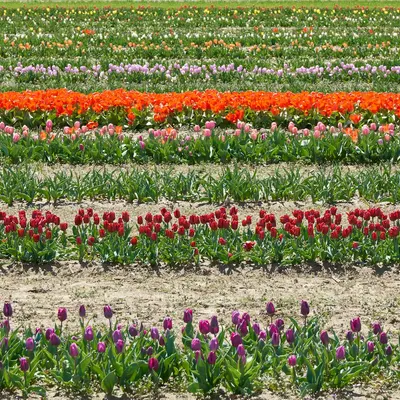
Tall, well-branched plants produce dark wine (almost black) flowers 2-2 1/2" across. Fully open blooms reveal contrasting fiery-orange center. Also known as bracted strawflower.
Harvest
75-85d
Days to harvest
Sun
Full sun
Zones
1–11
USDA hardiness
Height
2-3 feet
Planting Timeline
Showing dates for Purple Red in USDA Zone 7
All Zone 7 flower →Zone Map
Click a state to update dates
Purple Red · Zones 1–11
Growing Details
Succession Planting
Helichrysum keeps producing flowers over a long season as long as you deadhead or harvest regularly, so a single planting can carry you for months. Succession sowing isn't necessary the way it is with lettuce or radishes. That said, if you want a staggered flush of blooms for dried arrangements — particularly to avoid a gap when early plants start looking ragged by midsummer — start a second round of seeds indoors 4-5 weeks after your first, transplanting the second batch out in late May to early June. Daytime temps above 90°F slow germination significantly, so don't bother direct sowing after mid-June in most climates.
Pinch or cut stems down to a lateral bud when harvesting for drying; this keeps the plant branching rather than going tall and floppy. If you let too many flowers go fully to seed, the plant winds down faster.
Complete Growing Guide
Tall, well-branched plants produce dark wine (almost black) flowers 2-2 1/2" across. Fully open blooms reveal contrasting fiery-orange center. Also known as bracted strawflower. According to Johnny's Selected Seeds, Purple Red is 75 - 85 days to maturity, annual, open pollinated. Notable features: Use for Cut Flowers and Bouquets, Ideal for Drying and Crafts.
Soil: Loam (Silt). Soil pH: Acid ( 6.0), Alkaline ( 8.0), Neutral (6.0-8.0). Drainage: Good Drainage, Moist, Occasionally Dry. Height: zer-oh-KRIS-um brak-tee-AH-tum. Spread: zer-oh-KRIS-um brak-tee-AH-tum. Growth rate: Medium. Propagation: Seed, Stem Cutting. Regions: Coastal.
Harvesting
Purple Red reaches harvest at 75 - 85 days from sowing per Johnny's Selected Seeds. Expect 2-2 1/2" at peak. As an annual, harvest continues until frost ends the season.
This is an ornamental variety — not grown for harvest. Enjoy in the garden landscape.
Storage & Preservation
Fresh strawflowers last longest when cut at peak bloom and placed in cool water immediately. Store in a cool location (60-65°F) away from direct sunlight and ripening fruit. They can be kept fresh for 2-3 weeks in water indoors. For long-term preservation, hang-dry bunches in a warm, dark, well-ventilated space (70-75°F) for 1-2 weeks until papery. Dried flowers retain color and shape for 1+ year in dry conditions. Alternatively, press blooms between paper under weight for 3-4 weeks for flat, decorative specimens. Silica gel preservation locks vibrant color in 3-5 days.
History & Origin
Purple Red is open-pollinated, meaning seed saved from healthy plants will produce true-to-type offspring. Listed in the Johnny's Selected Seeds catalog.
Australia
Advantages
- +Striking dark wine flowers with contrasting orange centers create dramatic visual impact
- +Tall, well-branched plants produce abundant blooms across 75-85 day growing season
- +Large 2-2.5 inch flowers ideal for cut arrangements and dried flower crafts
- +Easy cultivation makes Purple Red suitable for beginner gardeners and containers
- +Fully open blooms display unique color contrast rarely seen in other varieties
Considerations
- -Dark flower color may appear drab in low-light garden conditions or cloudy weather
- -Tall growth habit requires staking or support in windy locations to prevent damage
- -Extended 75-85 day maturity means later flowering compared to faster dwarf varieties
Companion Plants
Marigolds (especially French types like 'Petite Yellow') and Sweet Alyssum are the two companions worth planting close to Purple Red Helichrysum. Marigolds emit thiophene compounds from their roots that suppress certain soil nematodes, and their scent disrupts the host-finding behavior of aphids and thrips — the two insects most likely to bother Helichrysum. Sweet Alyssum tops out at 6-8 inches, so it stays well below Helichrysum's 2-3 foot canopy without competing for light. Its small flowers attract predatory wasps and hoverflies that prey on the same aphids that cluster on new growth.
Lavender and Rosemary make solid neighbors because their cultural needs nearly match Helichrysum's — full sun, moderate water, sharp drainage. You're not managing conflicting irrigation zones. Silver Dusty Miller pulls double duty as a visual contrast and a low-water companion whose shallow roots don't compete with Helichrysum for moisture.
The three harmful companions are worth taking seriously. Black Walnut produces juglone, a chemical that leaches through soil and can stunt or kill plants growing nearby — NC State Extension notes the toxic zone can extend well beyond the tree's drip line. Eucalyptus works through a different route, releasing allelopathic compounds via its leaf litter that acidify and suppress the surrounding soil. Fennel isn't toxic, but it's broadly allelopathic and tends to slow growth in most plants within a foot or two of its roots. All three are worth siting well away from any cutting-flower bed.
Plant Together
Marigolds
Repel aphids, whiteflies, and nematodes while attracting beneficial insects
Sweet Alyssum
Attracts beneficial predatory insects and provides ground cover
Nasturtiums
Act as trap crops for aphids and cucumber beetles while adding color contrast
Lavender
Repels moths, fleas, and mosquitoes while attracting pollinators
Catmint
Deters ants, aphids, and rodents while complementing purple tones
White Cosmos
Provides color contrast and attracts beneficial parasitic wasps
Rosemary
Repels cabbage moths and carrot flies with aromatic oils
Silver Dusty Miller
Provides excellent foliage contrast to enhance purple-red blooms
Keep Apart
Black Walnut
Produces juglone toxin that inhibits growth of many flowering plants
Eucalyptus
Releases allelopathic compounds that suppress nearby plant growth
Fennel
Inhibits growth of most garden plants through allelopathic root secretions
Pests & Disease Resistance
Common Pests
Spider mites, thrips, aphids
Diseases
Powdery mildew, root rot in poorly drained soil
Troubleshooting Purple Red
What you'll see, why it happens, and what to do about it.
Fine webbing on stems and leaf undersides, leaves looking pale or stippled, usually in hot dry stretches
Likely Causes
- Spider mites (Tetranychus urticae) — they thrive when temps push above 85°F and humidity drops
- Dusty, dry conditions that stress the plant and let mite populations explode
What to Do
- 1.Blast the undersides of leaves with a strong stream of water every 2-3 days to knock mite populations back
- 2.Apply insecticidal soap or neem oil in the evening — full coverage of leaf undersides is what matters
- 3.Water consistently at the base; a stressed, drought-stricken plant is far more vulnerable
White powdery coating on upper leaf surfaces, usually showing up after cool nights follow warm days
Likely Causes
- Powdery mildew (Erysiphe cichoracearum or related species) — spores spread in humid air but don't need wet leaves to germinate
- Overcrowding or poor airflow between plants
What to Do
- 1.Space plants at least 18 inches apart — this is one case where the minimum spacing really matters
- 2.Spray affected foliage with a diluted baking soda solution (1 tablespoon per gallon of water) or a potassium bicarbonate fungicide
- 3.Remove and bag the worst-affected stems; don't compost them
Plant wilting even when soil is wet, stems turning soft or brown near the soil line
Likely Causes
- Root rot — most often caused by Pythium or Phytophthora species in waterlogged or poorly drained soil
- Planting in heavy clay without amending, or in a low spot that holds water after rain
What to Do
- 1.If caught early, pull the plant, trim off rotted roots, and replant in a raised bed or a spot with better drainage
- 2.Don't water on a fixed schedule — check soil moisture 2-3 inches down before watering again
- 3.Work in perlite or coarse sand before planting in heavy soils; Helichrysum does not forgive wet feet
Frequently Asked Questions
How long do Purple Red strawflowers last as cut flowers?▼
Are strawflowers good for beginners?▼
Can you grow Purple Red strawflowers in containers?▼
When should I plant Purple Red strawflower seeds?▼
What makes the Purple Red variety different from other strawflowers?▼
How do I dry Purple Red strawflowers?▼
Zone-by-Zone Planting Calendar
| Zone | Indoor Start | Transplant | Direct Sow | Harvest |
|---|---|---|---|---|
| Zone 3 | April – May | June – July | June – August | — |
| Zone 4 | March – April | June – June | June – July | — |
| Zone 5 | March – April | May – June | May – July | — |
| Zone 6 | March – April | May – June | May – July | — |
| Zone 7 | February – March | April – May | April – June | — |
| Zone 8 | February – March | April – May | April – June | — |
| Zone 9 | January – February | March – April | March – May | — |
| Zone 10 | January – January | February – March | February – April | — |
| Zone 1 | May – June | July – August | July – September | — |
| Zone 2 | April – May | June – July | June – August | — |
| Zone 11 | January – January | January – February | January – March | — |
| Zone 12 | January – January | January – February | January – March | — |
| Zone 13 | January – January | January – February | January – March | — |
Growing Guides from Wind River Greens
Sources & References
External authority sources used in compiling this guide.
- BreederJohnny's Selected Seeds
See the Methodology page for how this data is sourced, what's AI-assisted, and known limitations.