Copper Red
Helichrysum bracteatum
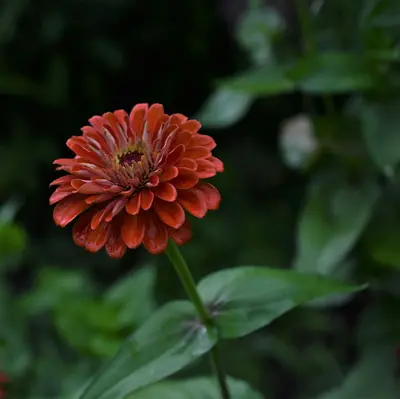
Tall, well-branched plants produce vibrant copper, double blooms 2-2 1/2" across. Also known as bracted strawflower.
Harvest
75-85d
Days to harvest
Sun
Full sun
Zones
1–11
USDA hardiness
Height
18-24 inches
Planting Timeline
Showing dates for Copper Red in USDA Zone 7
All Zone 7 flower →Zone Map
Click a state to update dates
Copper Red · Zones 1–11
Growing Details
Succession Planting
Copper Red blooms over a long season and doesn't produce in flushes the way a salad crop does, so strict succession sowing isn't necessary. That said, if you want a continuous supply of stems at different stages for drying, start a second round of seeds indoors 4-6 weeks after your first, then direct sow a final batch in late May or early June. Once daytime highs are consistently above 90°F, germination rates drop and young seedlings struggle to put down roots before the heat hits — don't push past that window.
Complete Growing Guide
Tall, well-branched plants produce vibrant copper, double blooms 2-2 1/2" across. Also known as bracted strawflower. According to Johnny's Selected Seeds, Copper Red is 75 - 85 days to maturity, annual, open pollinated. Notable features: Use for Cut Flowers and Bouquets, Ideal for Drying and Crafts.
Soil: Loam (Silt). Soil pH: Acid ( 6.0), Alkaline ( 8.0), Neutral (6.0-8.0). Drainage: Good Drainage, Moist, Occasionally Dry. Height: zer-oh-KRIS-um brak-tee-AH-tum. Spread: zer-oh-KRIS-um brak-tee-AH-tum. Growth rate: Medium. Propagation: Seed, Stem Cutting. Regions: Coastal.
Harvesting
Copper Red reaches harvest at 75 - 85 days from sowing per Johnny's Selected Seeds. Expect 2-2 1/2" at peak. As an annual, harvest continues until frost ends the season.
This is an ornamental variety — not grown for harvest. Enjoy in the garden landscape.
Storage & Preservation
Fresh-cut Copper Red strawflowers last remarkably long in water—up to 2–3 weeks when properly conditioned. Recut stems at a 45-degree angle, remove all foliage below the waterline, and place in cool water with a floral preservative. Keep arrangements away from direct sun and ripening fruit (ethylene gas shortens vase life). Change water every 2–3 days.
For drying, the simplest method is hanging: bundle 5–8 stems loosely and suspend upside-down in a warm (65–75°F), well-ventilated, dry location away from direct sun. Drying takes 10–14 days; the papery texture and color are exceptional and stable for 1–2 years when stored in a cool, dark place.
Alternatively, use silica gel for accelerated drying (5–7 days), which produces slightly fuller, more rigid blooms—ideal for intricate arrangements. Store dried flowers in airtight containers with desiccant packets in low-humidity environments to prevent moisture reabsorption and mold. Properly dried Copper Red strawflowers remain vibrant for 2+ years, making them excellent for seed saving: allow a few blooms to mature fully on the plant, then collect the seed heads once completely brown and papery.
History & Origin
Copper Red is open-pollinated, meaning seed saved from healthy plants will produce true-to-type offspring. Listed in the Johnny's Selected Seeds catalog.
Australia
Advantages
- +Vibrant copper color adds warm tones to any garden or arrangement
- +Double blooms create full, visually striking flowers ideal for cutting
- +Tall, well-branched plants produce abundant flowers with minimal pruning needed
- +Long vase life makes dried and fresh arrangements exceptionally durable
- +Easy cultivation requires minimal experience or specialized gardening knowledge
Considerations
- -Tall growth habit requires staking or support in windy locations
- -Flowers may fade slightly in intense afternoon sun exposure
- -Self-seeds readily, potentially becoming weedy in subsequent seasons
Companion Plants
Marigolds (Tagetes spp.) and alyssum are the most practical companions here — marigolds deter aphids and whiteflies through root secretions and scent, while alyssum draws in parasitic wasps that suppress pest pressure broadly. Lavender and catmint both prefer the same lean, well-drained conditions as Copper Red, so they won't compete for water or nutrients. Black walnut is the one to avoid at all costs — its roots release juglone, a chemical compound toxic to many annuals, and the affected zone can extend well past the tree's canopy edge. Fennel is a quieter problem but still inhibits most neighboring annuals through root exudates; keep it isolated in its own container or a separate bed.
Plant Together
Marigolds
Repel aphids, whiteflies, and nematodes while attracting beneficial insects
Lavender
Deters pests with strong fragrance and attracts pollinators
Alyssum
Attracts beneficial insects like ladybugs and provides ground cover
Nasturtiums
Act as trap crops for aphids and cucumber beetles
Catmint
Repels ants, aphids, and rodents while attracting beneficial pollinators
Zinnia
Attracts butterflies and beneficial predatory insects
Cosmos
Draws beneficial insects and provides complementary colors
Parsley
Attracts beneficial insects and doesn't compete for nutrients
Keep Apart
Black Walnut
Releases juglone toxin that inhibits growth of many flowering plants
Fennel
Inhibits growth of most garden plants through allelopathy
Eucalyptus
Produces allelopathic compounds that suppress nearby plant growth
Pests & Disease Resistance
Common Pests
Spider mites (especially in hot, dry conditions)
Diseases
Powdery mildew (in humid, poorly ventilated locations)
Troubleshooting Copper Red
What you'll see, why it happens, and what to do about it.
Fine webbing on stems and undersides of leaves, with stippled or bronzed foliage — usually showing up during a dry stretch in midsummer
Likely Causes
- Spider mites (Tetranychus urticae) — thrive when temperatures exceed 85°F and humidity drops
- Water-stressed Helichrysum is hit harder; drought stress makes the plant more vulnerable to colonization
What to Do
- 1.Blast the undersides of leaves with a strong jet of water every 2-3 days to knock mite populations down
- 2.Apply insecticidal soap or neem oil in the early morning — avoid midday application, which can burn foliage
- 3.Don't let the plant wilt between waterings; consistent moisture at the root zone slows mite establishment
White or gray powdery coating on leaves and stems, often starting on the upper leaf surface
Likely Causes
- Powdery mildew (Erysiphe cichoracearum or related species) — common in humid conditions with poor air circulation
- Planting at closer than 12-inch spacing traps moisture and cuts airflow between plants
What to Do
- 1.Thin or transplant crowded plants to maintain at least 12 inches between them
- 2.Spray with a diluted baking soda solution (1 tablespoon per gallon of water) or a potassium bicarbonate product at first sign
- 3.Water at the base only — overhead irrigation in the evening is a reliable way to make this worse
Seedlings germinating unevenly or not at all after 14 days indoors
Likely Causes
- Soil temperature below 65°F — Helichrysum germinates best between 68-72°F
- Seed buried too deep; these are tiny seeds that need light to germinate
- Overwatering causing seed rot before emergence
What to Do
- 1.Surface-sow the seed and press it gently into the mix — don't cover it; light triggers germination
- 2.Use a heat mat to hold the medium at 70°F and check with a soil thermometer rather than guessing
- 3.Keep the mix moist but not waterlogged; a humidity dome helps without requiring constant watering
Frequently Asked Questions
How long does Copper Red strawflower take to bloom?▼
Can you grow Copper Red strawflowers in containers?▼
Is Copper Red strawflower good for beginners?▼
When should I plant Copper Red strawflower seeds?▼
Why are my Copper Red strawflowers drooping or moldy?▼
How do you dry Copper Red strawflowers?▼
Zone-by-Zone Planting Calendar
| Zone | Indoor Start | Transplant | Direct Sow | Harvest |
|---|---|---|---|---|
| Zone 3 | April – May | June – July | June – August | — |
| Zone 4 | March – April | June – June | June – July | — |
| Zone 5 | March – April | May – June | May – July | — |
| Zone 6 | March – April | May – June | May – July | — |
| Zone 7 | February – March | April – May | April – June | — |
| Zone 8 | February – March | April – May | April – June | — |
| Zone 9 | January – February | March – April | March – May | — |
| Zone 10 | January – January | February – March | February – April | — |
| Zone 1 | May – June | July – August | July – September | — |
| Zone 2 | April – May | June – July | June – August | — |
| Zone 11 | January – January | January – February | January – March | — |
| Zone 12 | January – January | January – February | January – March | — |
| Zone 13 | January – January | January – February | January – March | — |
Growing Guides from Wind River Greens
Sources & References
External authority sources used in compiling this guide.
- BreederJohnny's Selected Seeds
See the Methodology page for how this data is sourced, what's AI-assisted, and known limitations.