Magic Fountains Lilac Pink White Bee
Delphinium elatum
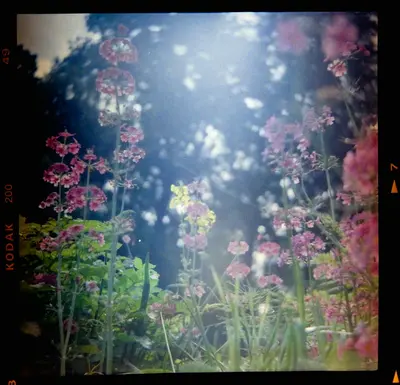
Pastel blooms with white centers (bees) in a plum shade that complements a wide range of colors. Dwarf Pacific type with full florets and tight internodes. Magic Fountains' sturdy, compact plants will tolerate windy locations. Attracts bees and butterflies. This species of delphinium is also known as candle larkspur. Perennial in Zones 3-7.
Harvest
105-125d
Days to harvest
Sun
Full sun
Zones
3–7
USDA hardiness
Height
3-5 feet
Planting Timeline
Showing dates for Magic Fountains Lilac Pink White Bee in USDA Zone 7
All Zone 7 flower →Zone Map
Click a state to update dates
Magic Fountains Lilac Pink White Bee · Zones 3–7
Growing Details
Complete Growing Guide
Pastel blooms with white centers (bees) in a plum shade that complements a wide range of colors. Dwarf Pacific type with full florets and tight internodes. Magic Fountains' sturdy, compact plants will tolerate windy locations. Attracts bees and butterflies. This species of delphinium is also known as candle larkspur. Perennial in Zones 3-7. According to Johnny's Selected Seeds, Magic Fountains Lilac Pink White Bee is 105 - 125 days to maturity, perennial, open pollinated. Notable features: Use for Cut Flowers and Bouquets, Attracts Beneficial Insects.
Light: Full sun (6 or more hours of direct sunlight a day). Soil: High Organic Matter. Soil pH: Alkaline (>8.0). Drainage: Good Drainage. Height: 3 ft. 0 in. - 5 ft. 0 in.. Spread: 2 ft. 0 in. - 3 ft. 0 in.. Spacing: 12 inches-3 feet, 3 feet-6 feet. Growth rate: Medium. Maintenance: Medium. Propagation: Seed. Regions: Mountains, Piedmont.
Harvesting
Magic Fountains Lilac Pink White Bee reaches harvest at 105 - 125 days from sowing per Johnny's Selected Seeds.
Edibility: Toxic if eaten.
Storage & Preservation
For fresh arrangements, place stems in cool water immediately after cutting. Store in a cool room (65-70°F) away from direct sunlight and ripening fruit. Change water every 2-3 days for optimal longevity; fresh delphiniums typically last 7-10 days in a vase. For preservation, air-dry bundles upside-down in a warm, dark space for 2-3 weeks to create long-lasting dried arrangements. Alternatively, press individual florets between parchment paper for botanical crafts. Freeze fresh stems in water-filled containers for winter decoration, though texture may soften upon thawing.
History & Origin
Magic Fountains Lilac Pink White Bee is open-pollinated, meaning seed saved from healthy plants will produce true-to-type offspring. Listed in the Johnny's Selected Seeds catalog.
Origin: Europe to Mongolia
Advantages
- +Compact dwarf size suits small gardens and windy locations well
- +Striking lilac-pink blooms with white bee centers attract pollinators
- +Easy to grow with reliable performance in zones three through seven
- +Full florets and tight internodes create visually impressive flowering spikes
- +Pastel hues coordinate beautifully with most garden color schemes
Considerations
- -Limited perennial lifespan often requires replanting after two to three years
- -Susceptible to powdery mildew in humid or poorly ventilated areas
- -Prefers well-drained soil and struggles in clay or waterlogged conditions
- -Tall flowering stems may require staking despite dwarf plant classification
Companion Plants
Lavender, Catmint, and Salvia are the strongest companions here — all three prefer similar well-drained conditions, won't compete hard at the root zone, and their dense, fine-textured foliage fills the gaps around Delphinium's notoriously bare lower stems. Yarrow pulls in predatory wasps that keep aphid populations from building up on the tall flower spikes. Sweet Alyssum works the same angle at ground level, attracting hoverflies whose larvae eat aphids. Marigolds (Tagetes patula specifically) are worth tucking in at the front of the border; there's solid evidence they suppress soil nematodes, and at 12 inches tall they won't shade the crowns.
Black Walnut is the one to keep well off the property — roots release juglone, a compound that's phytotoxic to Delphinium even at a distance, and you won't know it's the cause until the plant just slowly stops thriving. Tall Sunflowers are a simpler problem: at 6–8 feet they'll shade out a 3–5 foot Delphinium fast, cutting bloom output noticeably. Mint is worth mentioning because gardeners underestimate it — it spreads by underground runners and will muscle into the root zone of nearby perennials within a single season.
Plant Together
Lavender
Attracts beneficial pollinators and repels aphids while thriving in similar well-drained soil conditions
Catmint
Deters aphids and ants while attracting bees and butterflies, complements delphinium's growing requirements
Sweet Alyssum
Attracts beneficial insects like hoverflies that prey on aphids and provides ground cover
Marigold
Repels harmful nematodes and aphids while adding complementary colors to the garden
Cosmos
Attracts beneficial predatory insects and pollinators while requiring similar sun and soil conditions
Yarrow
Attracts beneficial insects and improves soil health while being drought tolerant
Nasturtium
Acts as trap crop for aphids and cucumber beetles, drawing pests away from delphiniums
Salvia
Repels harmful insects while attracting pollinators and thriving in similar growing conditions
Keep Apart
Black Walnut
Produces juglone which is toxic to many plants including delphiniums, causing stunted growth
Tall Sunflowers
Creates excessive shade and competes aggressively for nutrients and water
Mint
Spreads aggressively through underground runners, overwhelming delicate delphinium root systems
Pests & Disease Resistance
Common Pests
Spider mites, slugs, aphids
Diseases
Powdery mildew, root rot, leaf spot
Troubleshooting Magic Fountains Lilac Pink White Bee
What you'll see, why it happens, and what to do about it.
White powdery coating on leaves and stems, usually appearing mid-summer when nights cool down
Likely Causes
- Powdery mildew (Erysiphe polygoni) — a fungal infection that spreads by airborne spores, thrives in humid air with poor circulation
- Plants spaced too close together (under 12 inches), trapping moisture around the foliage
What to Do
- 1.Thin any crowded stems at the base to open up airflow through the clump
- 2.Spray affected foliage with a 1:9 dilution of baking soda and water, or a potassium bicarbonate product — do it in the morning so leaves dry before nightfall
- 3.Cut the whole plant back hard after bloom if mildew is severe; Magic Fountains often pushes fresh basal growth within a few weeks
Irregular ragged holes chewed in leaves overnight, especially on young basal growth in spring
Likely Causes
- Slugs (Arion or Deroceras species) — active at night, hide under mulch or debris during the day
- Earwigs, which share the same nocturnal feeding habit and shelter spots
What to Do
- 1.Set out a slug trap (a shallow dish of beer sunk to ground level) near the base of the plant and empty it every morning
- 2.Scatter food-grade diatomaceous earth in a ring around each crown — reapply after rain
- 3.Pull mulch back 3–4 inches from the stems; slugs need that cover to survive the day
Stems wilting and collapsing at the base, with dark water-soaked tissue at or just below the soil line
Likely Causes
- Root rot (Phytophthora or Pythium species) — almost always triggered by waterlogged soil or a low spot that doesn't drain
- Crown rot from overhead watering that keeps the base of the plant wet for extended periods
What to Do
- 1.Dig the plant, cut away all blackened root tissue with a clean knife, and dust the remaining crown with sulfur powder before replanting
- 2.Move it — or the next one — to a raised bed or a spot with at least 6 inches of amended, fast-draining soil
- 3.Water at the base, not overhead, and do it in the morning so any splash dries before evening
Frequently Asked Questions
How long do Magic Fountains Lilac Pink White Bee flowers last in a vase?▼
Can you grow Magic Fountains delphiniums in containers?▼
Is Magic Fountains Lilac Pink White Bee easy to grow for beginners?▼
When should I plant Magic Fountains delphiniums?▼
Do Magic Fountains delphiniums attract pollinators?▼
What makes Magic Fountains different from other delphiniums?▼
Zone-by-Zone Planting Calendar
| Zone | Indoor Start | Transplant | Direct Sow | Harvest |
|---|---|---|---|---|
| Zone 1 | May – June | July – August | July – September | — |
| Zone 2 | April – May | June – July | June – August | — |
| Zone 11 | January – January | January – February | January – March | — |
| Zone 12 | January – January | January – February | January – March | — |
| Zone 13 | January – January | January – February | January – March | — |
| Zone 3 | April – May | June – July | June – August | — |
| Zone 4 | March – April | June – June | June – July | — |
| Zone 5 | March – April | May – June | May – July | — |
| Zone 6 | March – April | May – June | May – July | — |
| Zone 7 | February – March | April – May | April – June | — |
| Zone 8 | February – March | April – May | April – June | — |
| Zone 9 | January – February | March – April | March – May | — |
| Zone 10 | January – January | February – March | February – April | — |
Growing Guides from Wind River Greens
Sources & References
External authority sources used in compiling this guide.
- BreederJohnny's Selected Seeds
See the Methodology page for how this data is sourced, what's AI-assisted, and known limitations.