Pierrot White
Rhodanthe chlorocephala
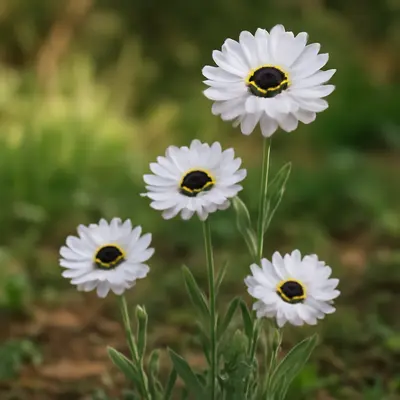
Pierrot White provides a distinctive, moody look for both cut and dried florals, though the plant stature is a bit short for cutting (approximately 18-24"). Productive plants produce relatively small, 1-2" upward-facing, daisy-like flowers with papery petals. The flowers have a long vase life and also make excellent dried flowers. Plants are basal branching, which makes the thin, wiry stems easy to cut and strip. Helipterum is also known as Acroclinium, immortelle, paper daisy, Australian everlasting, and everlasting daisy.
Harvest
55-65d
Days to harvest
Sun
Full sun
Zones
1–11
USDA hardiness
Height
18-24 inches
Planting Timeline
Showing dates for Pierrot White in USDA Zone 7
All Zone 7 flower →Zone Map
Click a state to update dates
Pierrot White · Zones 1–11
Growing Details
Succession Planting
Direct sow every 14-21 days from your last frost date through early June, stopping when daytime highs are consistently above 85°F — Rhodanthe chlorocephala germinates poorly in hot soil and runs to seed quickly once heat sets in. In zone 7, that gives you roughly three usable sowing windows between April and early June if you move promptly. Germination takes 7-14 days at soil temps around 60-70°F, so time your next sowing before the current batch has even emerged.
One indoor sowing in February or March buys you an earlier first harvest — transplant out around the last frost date, spacing at 12 inches for cutting beds (tighter than the 18-inch maximum keeps stems straighter and reduces the need for staking). After that, direct sowing works fine and sidesteps transplant shock, which can set these back a full week or more if the roots get disturbed at planting.
Complete Growing Guide
Growing Pierrot White (Rhodanthe chlorocephala) flower. Light: Full sun. Hardy in USDA zones 1 to 11. Days to maturity: 55. Difficulty: Easy.
Harvesting
Pierrot White reaches harvest at 55 - 65 days from sowing per Johnny's Selected Seeds. Expect 18-24" at peak. As an annual, harvest continues until frost ends the season.
This is an ornamental variety — not grown for harvest. Enjoy in the garden landscape.
Storage & Preservation
Fresh Pierrot White stems last 2-3 weeks in a cool room with a vase of water; they're forgiving of room temperature but prefer 55-65°F if possible. Change water every 3-4 days and re-cut stems under running water every few days to maximize vase life.
For drying—the primary use of this variety—hang bundles upside-down in a warm, dark, dry location (attic, garage, or shed with good air circulation) for 1-2 weeks. The papery petals dry beautifully and retain color and structure for months or even years. Dried Pierrot White can be stored in cardboard boxes in a cool, dry, dark place for 6-12 months without significant deterioration. No special preservation (freezing, canning) is applicable to ornamental flowers; focus instead on the drying method, which is where this variety truly shines.
History & Origin
Rhodanthe chlorocephala commonly known as pink and white everlasting, is a flowering plant in the family Asteraceae. It is a small, tufted plant with blue-green leaves, white, pink or yellow flowers and grows in Western Australia and South Australia.
Advantages
- +Easy to grow — beginner-friendly
- +Quick harvest — ready in about 55 days
- +Wide hardiness — grows in USDA zones 1-11
Companion Plants
Sweet Alyssum and Lobelia are the most practical companions here. Both stay low — under 6 inches — so they fill gaps at the base of Pierrot White's 18-24 inch stems without competing for light. Alyssum in particular draws in parasitic wasps and hoverflies that knock back aphid pressure, which matters more for everlastings than people expect. Aphids will find the soft new growth on Rhodanthe chlorocephala, and they do real damage fast on a plant with such a short production window. Neither Alyssum nor Lobelia is a heavy feeder, so they won't strip the lean, well-drained soil this variety prefers.
Marigolds and Cosmos work well alongside it for straightforward reasons — similar warm-season schedules, comparable drought tolerance once they're established, and neither one crowds or shades a plant that only gets to 24 inches tall. Catnip and Lavender pull double duty if you're also cutting for fragrance; their root zones stay compact enough to coexist at 12-inch spacing without much competition.
The harmful companions deserve attention. Black Walnut produces juglone, a root-zone toxin that damages or kills a wide range of annuals — NC State Extension puts the risk zone at 50-60 feet from the trunk's drip line. Eucalyptus releases allelopathic compounds through both leaf litter and root exudate that suppress germination, which is a particular problem for direct-sown Rhodanthe. Sunflowers are the less obvious one: their roots and decomposing leaves put out compounds that can set back neighboring annuals, so keep this variety at least 18-24 inches clear of any sunflower planting.
Plant Together
Marigolds
Repel aphids, whiteflies, and nematodes while attracting beneficial insects
Sweet Alyssum
Attracts beneficial insects like hoverflies and parasitic wasps that control pests
Nasturtiums
Act as trap crops for aphids and cucumber beetles, drawing pests away
Lobelia
Provides complementary blue color contrast and attracts pollinators
Petunias
Repel aphids, tomato hornworms, and squash bugs naturally
Cosmos
Attract beneficial insects and provide structural support without competing for nutrients
Catnip
Repels mosquitoes, ants, and aphids effectively
Lavender
Repels moths, fleas, and mosquitoes while attracting beneficial pollinators
Keep Apart
Black Walnut
Produces juglone toxin that inhibits growth and can kill sensitive plants
Eucalyptus
Releases allelopathic compounds that suppress growth of nearby plants
Sunflowers
Produce allelopathic chemicals and compete aggressively for water and nutrients
Troubleshooting Pierrot White
What you'll see, why it happens, and what to do about it.
Stems rotting at soil level, plants collapsing suddenly in cool, wet spring weather
Likely Causes
- Damping off (Pythium or Rhizoctonia spp.) — fungal rot that thrives in cold, waterlogged soil
- Overwatering or planting into poorly drained ground before soil warms
What to Do
- 1.Pull and discard collapsed seedlings immediately — they won't recover
- 2.Let the soil surface dry out between waterings; Rhodanthe hates wet feet
- 3.If starting indoors, use a sterile seed-starting mix and ensure trays drain freely — don't let them sit in standing water
Flowers fading fast or failing to open fully, papery bracts staying closed even in warm weather
Likely Causes
- Harvested or transplanted too late — buds need to be cut at the half-open stage to develop properly
- Insufficient sun — fewer than 6 hours of direct light daily stunts petal development in this species
What to Do
- 1.Cut stems for drying when the outermost petals are just beginning to peel back, not when fully open
- 2.Choose a bed with unobstructed full sun — even a few hours of afternoon shade reliably produces tight, underdeveloped heads on this variety
- 3.Hang cut stems upside down in bunches of 8-10 in a dry, ventilated space at around 65-70°F
Frequently Asked Questions
How long does Pierrot White take to grow from seed to flower?▼
Is Pierrot White good for beginners?▼
Can you grow Pierrot White in containers?▼
What's the difference between Pierrot White and other white everlasting flowers?▼
When should I plant Pierrot White seeds?▼
How do I dry Pierrot White for long-term storage?▼
Zone-by-Zone Planting Calendar
| Zone | Indoor Start | Transplant | Direct Sow | Harvest |
|---|---|---|---|---|
| Zone 3 | April – May | June – July | June – August | — |
| Zone 4 | March – April | June – June | June – July | — |
| Zone 5 | March – April | May – June | May – July | — |
| Zone 6 | March – April | May – June | May – July | — |
| Zone 7 | February – March | April – May | April – June | — |
| Zone 8 | February – March | April – May | April – June | — |
| Zone 9 | January – February | March – April | March – May | — |
| Zone 10 | January – January | February – March | February – April | — |
| Zone 1 | May – June | July – August | July – September | — |
| Zone 2 | April – May | June – July | June – August | — |
| Zone 11 | January – January | January – February | January – March | — |
| Zone 12 | January – January | January – February | January – March | — |
| Zone 13 | January – January | January – February | January – March | — |
Growing Guides from Wind River Greens
Sources & References
External authority sources used in compiling this guide.
- BreederJohnny's Selected Seeds
See the Methodology page for how this data is sourced, what's AI-assisted, and known limitations.