Pink Beauty
Gypsophila vaccaria
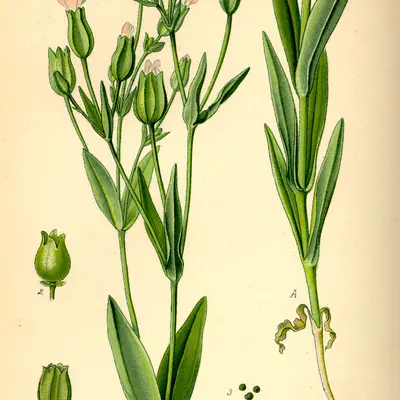
Sturdy and easy to grow. Stems are thicker, stronger, taller, and easier to manage than those of annual gypsophila, an otherwise similar flower. 3/4 to 1" dusty pink blooms float above gray-blue, waxy foliage. Branching plant habit. Also known as soapwort or cow soapwort.
Harvest
55-65d
Days to harvest
Sun
Full sun
Zones
1–11
USDA hardiness
Height
24-36 inches
Planting Timeline
Showing dates for Pink Beauty in USDA Zone 7
All Zone 7 flower →Zone Map
Click a state to update dates
Pink Beauty · Zones 1–11
Growing Details
Succession Planting
Direct sow Pink Beauty every 14-21 days from April through early June to keep a steady supply of stems coming. Each planting hits its cutting window around 55-65 days after germination — a mid-April sow flowers in late June, an early June sow carries you into August. Don't push past early June in most climates; plants sown into sustained heat bolt before they give you a full cut cycle.
For fall stems, make one more direct sow in late August. Shortening days and dropping temperatures give the plants a more forgiving runway to maturity than midsummer does. If soil temps have dipped below 60°F, germination may stretch toward the 14-day end of the range — that's normal, not a failed sow.
Complete Growing Guide
Growing Pink Beauty (Gypsophila vaccaria) flower. Light: Full sun. Hardy in USDA zones 1 to 11. Days to maturity: 55. Difficulty: Easy.
Harvesting
Pink Beauty reaches harvest at 55 - 65 days from sowing per Johnny's Selected Seeds. Expect 1" at peak. As an annual, harvest continues until frost ends the season.
This is an ornamental variety — not grown for harvest. Enjoy in the garden landscape.
Storage & Preservation
Cut Pink Beauty flowers last 5-7 days in fresh water at room temperature, extending to 10-12 days if kept in a cool spot (55-60°F) away from ethylene-producing fruit. Change water every 2-3 days and re-cut stems at a 45-degree angle before placing in a clean vase.
For longer preservation, dry the flowers by hanging small bunches upside-down in a warm, dark, well-ventilated space (65-75°F) for 2-3 weeks. Once fully papery and brittle, store in acid-free tissue in a sealed box away from humidity and light. Dried Pink Beauty retains its dusty pink color beautifully for months and works well in dried arrangements and wreaths.
You can also press individual florets between sheets of parchment paper under heavy weights for 2-3 weeks; these dried petals are suitable for crafts, pressed flower art, or decorative purposes but are fragile. Neither method produces edible or usable plant material.
History & Origin
Gypsophila vaccaria is a species of flowering plant in the family Caryophyllaceae. It is native from Portugal and Morocco to the Himalayas, and has been introduced into temperate areas worldwide. Among its many synonyms is Vaccaria hispanica, which was the only species placed in the genus Vaccaria. It is known by several common names including cowherb, cowcockle, cow basil, cow soapwort, and prairie carnation. It is an annual herb with blue-gray, waxy herbage and pale pink flowers.
Advantages
- +Sturdy stems are thicker and stronger than annual gypsophila varieties
- +Gray-blue waxy foliage provides attractive visual contrast to pink blooms
- +Branching plant habit creates fuller arrangements with minimal additional stems
- +Easy to grow with only 55-65 days to harvest
- +Dusty pink blooms are delicate yet substantial at 3/4 to 1 inch
Considerations
- -Soapwort classification suggests potential invasiveness in certain growing conditions
- -Waxy foliage may resist water absorption requiring careful watering technique
- -Pink Beauty has limited color range for design-focused floral arrangements
Companion Plants
Pink Beauty's best neighbors are ones that share its preference for lean, well-drained soil without muscling it out. Marigolds (Tagetes patula specifically) are a reliable pairing — shallow-rooted, not thirsty, and their root secretions deter nematodes that occasionally colonize loose, sandy cutting-garden beds. Cosmos and Zinnias work for a different but equally practical reason: they're airy enough that they don't shade Pink Beauty's 24-36 inch stems, and grouping drought-tolerant annuals together simplifies irrigation — you're not fighting competing water needs across the same 18 inches of bed.
Sweet Alyssum planted at the edges draws in hoverflies (Syrphidae), whose larvae feed on aphids. Pink Beauty rarely gets aphid pressure on its own, but if you're growing it alongside snapdragons or other cut flowers that do, Alyssum nearby is a quiet insurance policy. Lavender and Catmint both emit volatile compounds that deter aphids and thrips, and they stay low enough at the front of a bed not to block light from reaching the taller stems.
Black Walnut is the one to actually plan around. It produces juglone, a compound that interferes with cellular respiration in sensitive plants, and soil throughout a walnut's drip line — often 40 feet or more from the trunk — can stunt or kill plants that move in. Eucalyptus has comparable allelopathic properties through different leaf-litter compounds. Sunflowers are the more overlooked problem: they're heavy water and light competitors that can hit 6 feet, and they'll shade out a cutting row of Pink Beauty in a matter of weeks.
Plant Together
Marigolds
Repel aphids, whiteflies, and nematodes while attracting beneficial insects
Sweet Alyssum
Attracts beneficial predatory insects like lacewings and hover flies
Lavender
Deters pests with strong fragrance and attracts pollinators like bees
Nasturtiums
Act as trap crops for aphids and cucumber beetles, drawing pests away
Catmint
Repels ants, aphids, and rodents while attracting beneficial pollinators
Cosmos
Attract beneficial insects and provide complementary colors in flower beds
Zinnias
Attract butterflies and beneficial predatory insects like ladybugs
Chives
Repel aphids and thrips with their sulfur compounds
Keep Apart
Black Walnut
Releases juglone toxin that inhibits growth and can kill sensitive plants
Eucalyptus
Produces allelopathic compounds that suppress growth of nearby plants
Sunflowers
Can stunt growth of nearby plants through allelopathic root secretions
Pests & Disease Resistance
Common Pests
Minimal; rarely affected by common garden pests
Diseases
Minimal; rot possible only with waterlogged soil
Troubleshooting Pink Beauty
What you'll see, why it happens, and what to do about it.
Stems rotting at the base, plant collapsing despite looking healthy above ground
Likely Causes
- Crown rot from waterlogged or poorly drained soil — Pink Beauty's single real vulnerability
- Overwatering in heavy clay that holds moisture long after rain
What to Do
- 1.Pull the affected plant — it won't recover once the crown is gone
- 2.Improve drainage before replanting: work in coarse sand or pea gravel and raise the bed 4-6 inches if your soil is clay-heavy
- 3.Water only when the top inch of soil is dry; this plant handles drought far better than wet feet
Plants flower and go to seed before you've gotten a full week of cuts, around day 55-60
Likely Causes
- Heat-triggered early bolting — daytime highs above 85°F push warm-season annuals to wrap up fast
- Sowing too late in spring, leaving plants to mature into summer heat rather than the cooler stretch before it
What to Do
- 1.Direct sow no later than early May so plants hit their flowering window before peak summer heat
- 2.Cut stems early — when about half the florets on a stem are open — to extend vase life and slow the plant's push to set seed
- 3.For a second flush, make a succession sow in late August for fall cutting
Frequently Asked Questions
How long does Pink Beauty take to flower from seed?▼
Is Pink Beauty soapwort good for beginners?▼
Can you grow Pink Beauty in containers?▼
What's the difference between Pink Beauty and regular gypsophila?▼
When should I plant Pink Beauty soapwort?▼
Does Pink Beauty need staking or support?▼
Zone-by-Zone Planting Calendar
| Zone | Indoor Start | Transplant | Direct Sow | Harvest |
|---|---|---|---|---|
| Zone 1 | May – June | July – August | July – September | — |
| Zone 2 | April – May | June – July | June – August | — |
| Zone 11 | January – January | January – February | January – March | — |
| Zone 12 | January – January | January – February | January – March | — |
| Zone 13 | January – January | January – February | January – March | — |
| Zone 3 | April – May | June – July | June – August | — |
| Zone 4 | March – April | June – June | June – July | — |
| Zone 5 | March – April | May – June | May – July | — |
| Zone 6 | March – April | May – June | May – July | — |
| Zone 7 | February – March | April – May | April – June | — |
| Zone 8 | February – March | April – May | April – June | — |
| Zone 9 | January – February | March – April | March – May | — |
| Zone 10 | January – January | February – March | February – April | — |
Growing Guides from Wind River Greens
Sources & References
External authority sources used in compiling this guide.
- BreederJohnny's Selected Seeds
See the Methodology page for how this data is sourced, what's AI-assisted, and known limitations.