Flamingo Feather
Celosia argentea spicata
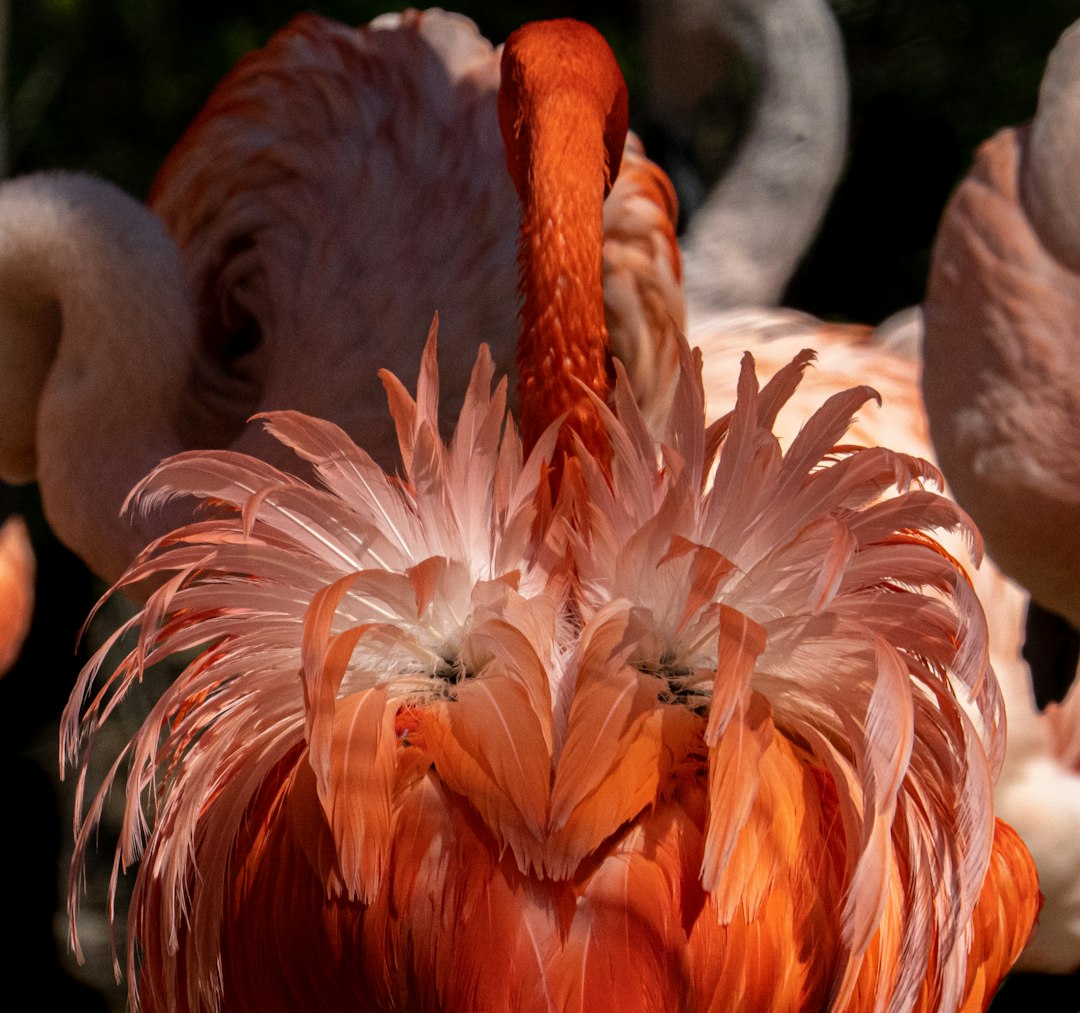
Uniform, upright plants produce tall, straight, sturdy stems with few leaves to strip away, making this an easy celosia to grow and harvest. Pale pink and rose spikes have a silvery shimmer. Comparable timing and form to Ruby Parfait but with taller, more upright plants and longer stems. Also available in organic seed.
Harvest
90-95d
Days to harvest
Sun
Full sun
Zones
10–11
USDA hardiness
Height
9-18 inches
Planting Timeline
Showing dates for Flamingo Feather in USDA Zone 7
All Zone 7 flower →Zone Map
Click a state to update dates
Flamingo Feather · Zones 10–11
Growing Details
Succession Planting
Flamingo Feather blooms once per stem and doesn't keep producing the way a pepper or tomato does, but heat is its friend rather than its enemy — it won't bolt on you. For a steady supply of cut stems through summer, start a new tray of seeds indoors every 3 weeks beginning in late February, running through early April, then transplant out after your last frost date. That stagger gives you sequential flushes of harvestable spikes rather than everything hitting at once in a single 2-week window around day 90–95.
If you're direct sowing, wait until soil temps reach 65°F — germination stalls below that threshold. Make your last sowing by mid-June so plants have enough warm weeks to reach bloom before nights drop below 50°F and slow them down. In USDA zones 10–11 where Flamingo Feather is technically perennial, a fall direct sowing can yield a winter flush as well.
Complete Growing Guide
Uniform, upright plants produce tall, straight, sturdy stems with few leaves to strip away, making this an easy celosia to grow and harvest. Pale pink and rose spikes have a silvery shimmer. Comparable timing and form to Ruby Parfait but with taller, more upright plants and longer stems. Also available in organic seed. According to Johnny's Selected Seeds, Flamingo Feather is 90 - 95 days to maturity, annual, open pollinated. Notable features: Easy Choice, Use for Cut Flowers and Bouquets, Ideal for Drying and Crafts.
Light: Full sun (6 or more hours of direct sunlight a day). Soil: High Organic Matter, Loam (Silt), Sand. Soil pH: Neutral (6.0-8.0). Drainage: Good Drainage, Occasionally Dry. Height: 0 ft. 9 in. - 1 ft. 6 in.. Spread: 0 ft. 9 in. - 1 ft. 0 in.. Spacing: 12 inches-3 feet. Growth rate: Rapid. Maintenance: Low. Propagation: Seed. Regions: Coastal, Piedmont.
Harvesting
Flamingo Feather reaches harvest at 90 - 95 days from sowing per Johnny's Selected Seeds. As an annual, harvest continues until frost ends the season.
Smooth, glossy, shiny capsule contain many seeds
Color: Black. Type: Capsule.
Edibility: The leaves and young shoots are cooked and used in soups and stews. The seeds yield edible oil.
Storage & Preservation
For fresh storage, keep Flamingo Feather stems in a cool location away from direct sunlight. Store in water at room temperature (65-72°F) or refrigerate at 35-40°F with high humidity for extended freshness; stems last 7-10 days refrigerated. For preservation: (1) Air dry by hanging upside-down in a dark, well-ventilated space for 2-3 weeks to retain color and form; (2) Preserve with floral preservative solution mixed in water to extend vase life to 2-3 weeks; (3) Press between absorbent paper under weight for flat, dried specimens suitable for crafts and arrangements.
History & Origin
Flamingo Feather is open-pollinated, meaning seed saved from healthy plants will produce true-to-type offspring. Listed in the Johnny's Selected Seeds catalog.
Origin: Tropical Africa
Advantages
- +Uniform, upright growth makes this celosia easy to cultivate and manage
- +Tall, straight stems with minimal leaf stripping simplifies harvesting significantly
- +Pale pink spikes have distinctive silvery shimmer appealing to floral designers
- +Few leaves on stems reduces post-harvest processing labor considerably
- +Longer stems than comparable Ruby Parfait variety increases market value
Considerations
- -90-95 day maturity requires extended growing season in short-season regions
- -Pale coloring may appear less vibrant than deeper pink celosia varieties
- -Requires consistent moisture; susceptible to root rot in poorly draining soil
- -Tall upright form makes plants vulnerable to wind damage and lodging
Companion Plants
Marigolds (Tagetes spp.) and nasturtiums pull real weight next to Flamingo Feather. Marigolds push back on aphids and whiteflies through root secretions and a scent that confuses flying pests mid-approach. Nasturtiums work differently — they're a trap crop, sticky and appealing enough to draw aphid colonies away from the celosia spikes before numbers build. Sweet alyssum planted along the border pulls in hoverflies and parasitic wasps that mop up soft-bodied pest populations without you doing much of anything. Zinnias and cosmos fit in naturally too — similar heat and sun requirements, shallow root systems that don't crowd celosia underground.
Black walnut is the problem plant. Juglone — the compound in its roots and decomposing leaf litter — leaches into surrounding soil and causes wilting and slow decline in sensitive plants, celosia included. A mature black walnut's root zone can extend well past its drip line, so distance matters more than most people expect. Sunflowers also produce allelopathic root exudates that suppress nearby seedlings, so don't interplant them directly with Flamingo Feather starts — a few feet of separation is enough.
Plant Together
Marigold
Repels nematodes and aphids while attracting beneficial insects
Lavender
Deters pests with fragrance and attracts pollinators
Nasturtium
Acts as trap crop for aphids and adds nitrogen to soil
Sweet Alyssum
Attracts beneficial insects and provides ground cover
Zinnia
Attracts butterflies and beneficial predatory insects
Catmint
Repels ants, aphids, and rodents while attracting bees
Cosmos
Attracts beneficial insects and provides habitat for predators
Petunias
Natural pest deterrent against aphids, tomato hornworms, and squash bugs
Keep Apart
Black Walnut
Produces juglone toxin that inhibits growth of many plants
Eucalyptus
Allelopathic compounds suppress growth of nearby plants
Sunflowers
Allelopathic effects and competition for nutrients and water
Pests & Disease Resistance
Common Pests
Spider mites, aphids, whiteflies
Diseases
Powdery mildew, root rot in poorly drained soil
Troubleshooting Flamingo Feather
What you'll see, why it happens, and what to do about it.
Fine webbing on stems and leaf undersides, leaves looking dusty or stippled, plants declining fast in hot dry stretches
Likely Causes
- Two-spotted spider mite (Tetranychus urticae) — populations explode when temps exceed 90°F and humidity drops
- Overhead watering skipped, leaving foliage dry for extended periods
What to Do
- 1.Blast the undersides of leaves with a strong stream of water — it knocks mite populations down fast and costs nothing
- 2.Apply insecticidal soap or neem oil at dusk; repeat every 5–7 days for 3 applications
- 3.Keep soil consistently moist — stressed plants are far more susceptible
White powdery coating on upper leaf surfaces, usually appearing mid-summer on lower or interior foliage first
Likely Causes
- Powdery mildew (Erysiphe cichoracearum or related species) — thrives in warm days with cool nights and poor airflow
- Plants spaced too close, blocking air circulation between stems
What to Do
- 1.Pull the most affected leaves and trash them — don't compost
- 2.Spray with potassium bicarbonate or a diluted baking soda solution (1 tablespoon per gallon of water) on a dry morning
- 3.Next season, hold to the full 18–24 inch spacing — crowded Flamingo Feather invites this reliably
Wilting despite adequate watering, stems soft or discolored at the soil line, plant collapses without recovering overnight
Likely Causes
- Root rot caused by Pythium or Rhizoctonia spp. — almost always tied to poorly drained soil or overwatering
- Heavy clay soil retaining water around the crown for more than 24 hours after rain
What to Do
- 1.Pull the plant — a rotted root system won't recover, and leaving it in the ground spreads the pathogen to neighbors
- 2.Amend the bed with coarse perlite or aged compost before replanting to improve drainage
- 3.If the same spot keeps causing problems, raise that bed by 4–6 inches or move celosia elsewhere entirely
Frequently Asked Questions
How long do Flamingo Feather celosia flowers last in a vase?▼
Is Flamingo Feather celosia good for beginners?▼
When should I plant Flamingo Feather seeds?▼
Can you grow Flamingo Feather celosia in containers?▼
What makes Flamingo Feather different from Ruby Parfait celosia?▼
Zone-by-Zone Planting Calendar
| Zone | Indoor Start | Transplant | Direct Sow | Harvest |
|---|---|---|---|---|
| Zone 1 | May – June | July – August | July – September | — |
| Zone 2 | April – May | June – July | June – August | — |
| Zone 11 | January – January | January – February | January – March | — |
| Zone 12 | January – January | January – February | January – March | — |
| Zone 13 | January – January | January – February | January – March | — |
| Zone 3 | April – May | June – July | June – August | — |
| Zone 4 | March – April | June – June | June – July | — |
| Zone 5 | March – April | May – June | May – July | — |
| Zone 6 | March – April | May – June | May – July | — |
| Zone 7 | February – March | April – May | April – June | — |
| Zone 8 | February – March | April – May | April – June | — |
| Zone 9 | January – February | March – April | March – May | — |
| Zone 10 | January – January | February – March | February – April | — |
Growing Guides from Wind River Greens
Sources & References
External authority sources used in compiling this guide.
- BreederJohnny's Selected Seeds
See the Methodology page for how this data is sourced, what's AI-assisted, and known limitations.