Soraya
Helianthus annuus
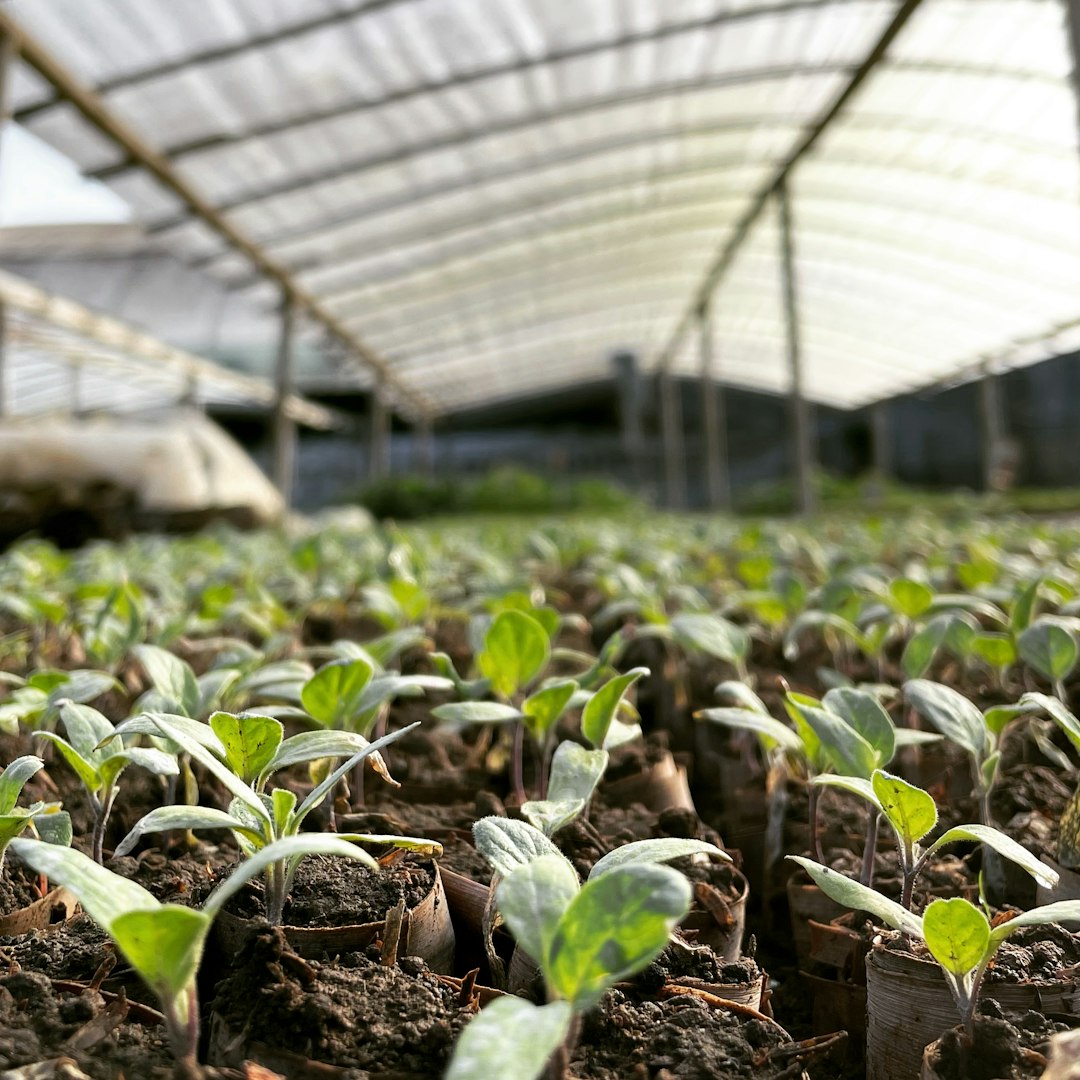
Soraya is a striking heirloom flower variety that matures in 85-95 days and thrives in full sun with well-draining loam. This ornamental cultivar produces vibrant blooms with distinctive appearance characteristics typical of its type. Easy to grow, Soraya is prized by gardeners for its reliable performance and aesthetic appeal in gardens and cut flower arrangements.
Harvest
85-95d
Days to harvest
Sun
Full sun
Zones
2–11
USDA hardiness
Height
1-10 feet
Planting Timeline
Showing dates for Soraya in USDA Zone 7
All Zone 7 flower →Zone Map
Click a state to update dates
Soraya · Zones 2–11
Growing Details
Succession Planting
Soraya takes 85-95 days from seed to bloom, so spacing out your sowings matters if you want continuous cuts rather than one big flush. In zone 7, direct sow every 3 weeks from April 1 through early June; later than that and blooms will hit peak summer heat with noticeably shorter stems and faster petal drop. For earlier color, start seeds indoors in late February or March and transplant after your last frost date — sunflowers dislike root disturbance, so use biodegradable pots or cell trays and disturb the root ball as little as possible. Stop sowing by late June in most zones; plants started after that won't finish the 85-95 day run before a killing frost catches them.
Complete Growing Guide
Soraya sunflowers can be direct sown into the garden after all danger of frost has passed and soil temperatures reach at least 50°F, typically one to two weeks after your last spring frost date. For earlier blooms and to maximize the 85-day harvest window, you may start seeds indoors four to six weeks before your last frost, sowing them in individual pots to minimize root disturbance at transplanting. These sturdy plants tolerate direct sowing exceptionally well, so outdoor seeding is often the preferred method for most gardeners.
Space Soraya plants 12 to 18 inches apart in well-draining soil enriched with compost or aged manure. Sow seeds one inch deep, pressing soil firmly over them to ensure good contact. This variety's vigorous growth and thick stems are supported best by loose, nutrient-rich soil rather than heavy clay. Before planting, work a balanced fertilizer into the top six inches of soil, aiming for soil with a pH between 6.0 and 7.5.
Water deeply and consistently once plants are established, aiming for one to two inches per week depending on rainfall and temperature. During hot spells, young plants may need more frequent watering to prevent stress. Once plants reach flowering stage, reduce watering slightly to encourage deeper root development, though never let soil dry out completely. Soraya's thick stems are largely self-supporting, but consistent water prevents splitting and cracks in the stem.
Feed every two to three weeks with a balanced fertilizer once plants are six inches tall. As flower buds appear, switch to a bloom-boosting formula higher in phosphorus to encourage those impressive 4- to 6-inch flowers. Soraya's multiple-stem branching habit benefits from regular feeding, as the plant must fuel both the main stem and secondary branches simultaneously.
Soraya shows good resistance to powdery mildew compared to many sunflower varieties, though whiteflies can occasionally target the foliage in greenhouse settings. Scout regularly for spider mites, particularly in hot, dry conditions, and provide adequate spacing for air circulation to prevent fungal issues. The minimal pollen of this variety means fewer problems with seed development and cleaner blooms for cutting.
The most critical mistake gardeners make with Soraya is underestimating its potential for branching. This variety's true strength lies in producing 20 to 25 stems per plant, not just one central stem. To unlock this productivity, pinch out the terminal growing tip when plants reach 12 to 18 inches tall. This simple technique forces lateral branching and dramatically increases your cut stem yield while keeping plants more compact and manageable. Without this pinching, many gardeners harvest only a single stem and miss the cultivar's exceptional performance.
For succession planting, direct sow new crops every two to three weeks through early summer to extend your harvest season through fall, making Soraya ideal for both garden cutting gardens and year-round greenhouse production.
Harvesting
Soraya reaches harvest at 85 - 95 days from sowing per Johnny's Selected Seeds. Expect 35-48" at peak. As an annual, harvest continues until frost ends the season.
Seeds are ovoid and somewhat flattened
Color: Black, Brown/Copper. Type: Achene. Length: < 1 inch. Width: < 1 inch.
Garden value: Edible
Harvest time: Fall
Edibility: Seeds are used for cooking oil, livestock feed, and as a snack food or garnish. Petals are edible and young flower buds can be steamed like artichokes.
Storage & Preservation
Fresh-cut Soraya sunflowers last 7-12 days in a clean vase with cool water and floral preservative, changed every 2-3 days. Keep stems in a cool location (60-70°F) away from direct sun and ripening fruit, which produces ethylene gas that accelerates petal drop. Remove any leaves below the waterline daily to prevent bacterial growth.
For preservation, air-drying is the classic method: tie stems in loose bundles and hang upside-down in a warm, dark, well-ventilated space (attic or garage) for 2-3 weeks until petals feel papery. Dried Soraya flowers retain their color beautifully for months in arrangements or crafts.
Alternatively, press individual flower heads between newspaper under a heavy weight for 2-3 weeks to create flat blooms for scrapbooking or botanical art. Silica gel drying preserves 3D form and color more completely than air-drying—bury flower heads in silica gel for 7-10 days, then carefully remove.
History & Origin
Soraya is open-pollinated, meaning seed saved from healthy plants will produce true-to-type offspring. Listed in the Johnny's Selected Seeds catalog.
Origin: Western United States
Advantages
- +Award-winning variety with proven excellence and reliability
- +Produces 20-25 stems per plant for exceptional cut flower yield
- +Large 4-6 inch blooms on sturdy 35-48 inch stems
- +Minimal pollen makes it ideal for indoor arrangements
- +Day-length neutral allows year-round greenhouse production
Considerations
- -Taller plants require staking or support in windy conditions
- -Large flowers and branching structure demand more garden space
- -Requires consistent watering to support heavy stem production
Companion Plants
Marigolds and Nasturtiums are the most practical companions here — Marigolds deter aphids and whiteflies through root and foliar compounds, while Nasturtiums act as a trap crop, pulling Aphis helianthi away from your Sorayas before colonies get established. Borage is worth squeezing in if you have room; it draws pollinators and gives you an edible flower on the side. Keep Soraya at least 50-60 feet from any Black Walnut — juglone leaches from the roots and hulls across a wide drip zone and will stunt or kill most annuals outright. Skip Fennel entirely; it suppresses neighboring plants through allelopathic root exudates and contributes nothing to a cutting-flower bed.
Plant Together
Marigolds
Repel nematodes and aphids while attracting beneficial insects
Zinnias
Attract pollinators and beneficial predatory insects like ladybugs
Cosmos
Attract beneficial insects and provide complementary colors in garden design
Nasturtiums
Act as trap crops for aphids and cucumber beetles while attracting pollinators
Sweet Alyssum
Attracts hover flies and other beneficial insects that prey on garden pests
Lavender
Repels moths, fleas, and mosquitoes while attracting bees and butterflies
Petunias
Repel aphids, tomato hornworms, and other garden pests
Borage
Attracts pollinators and beneficial insects while improving soil nutrients
Keep Apart
Black Walnut Trees
Release juglone toxin that inhibits growth of many flowering plants
Eucalyptus
Allelopathic compounds suppress growth of nearby plants
Fennel
Inhibits growth of most garden plants through allelopathic effects
Pests & Disease Resistance
Common Pests
Aphids, spider mites, sunflower moths
Diseases
Powdery mildew, downy mildew, Sclerotinia stem rot
Troubleshooting Soraya
What you'll see, why it happens, and what to do about it.
Stunted new growth, sticky residue on leaves and stems, with clusters of small soft-bodied insects at the shoot tips or under leaves
Likely Causes
- Aphid infestation (likely Aphis helianthi, the sunflower aphid) — populations explode fast in warm, dry stretches
- Absence of predatory insects, often from nearby pesticide use
What to Do
- 1.Knock aphids off with a firm spray of water from a hose — do this in the morning so foliage dries before evening
- 2.If colonies persist after 3-4 days, apply insecticidal soap directly to the clusters; coat the undersides of leaves
- 3.Plant Sweet Alyssum or Zinnias nearby to draw in parasitic wasps, which will do a lot of the work for you over time
White or gray powdery coating on upper leaf surfaces, usually appearing after plants hit 30-40 days old and humidity fluctuates
Likely Causes
- Powdery mildew (Erysiphe cichoracearum) — a fungal disease that spreads by airborne spores and doesn't need wet leaves to take hold
- Crowded spacing below 12 inches that chokes off airflow between plants
What to Do
- 1.Remove and bag the worst-affected leaves — don't compost them
- 2.Spray remaining foliage with a diluted baking soda solution (1 tablespoon per gallon of water) or a potassium bicarbonate product; reapply every 7-10 days
- 3.Next planting, hold to the 12-18 inch spacing minimum and avoid overhead irrigation in the evening
Frequently Asked Questions
How long does Soraya sunflower take to bloom?▼
Is Soraya sunflower good for beginners?▼
Can you grow Soraya sunflowers in containers?▼
What makes Soraya different from other sunflower varieties?▼
When should you harvest Soraya sunflowers for arrangements?▼
Does Soraya sunflower need staking?▼
Zone-by-Zone Planting Calendar
| Zone | Indoor Start | Transplant | Direct Sow | Harvest |
|---|---|---|---|---|
| Zone 1 | May – June | July – August | July – September | — |
| Zone 2 | April – May | June – July | June – August | — |
| Zone 11 | January – January | January – February | January – March | — |
| Zone 12 | January – January | January – February | January – March | — |
| Zone 13 | January – January | January – February | January – March | — |
| Zone 3 | April – May | June – July | June – August | — |
| Zone 4 | March – April | June – June | June – July | — |
| Zone 5 | March – April | May – June | May – July | — |
| Zone 6 | March – April | May – June | May – July | — |
| Zone 7 | February – March | April – May | April – June | — |
| Zone 8 | February – March | April – May | April – June | — |
| Zone 9 | January – February | March – April | March – May | — |
| Zone 10 | January – January | February – March | February – April | — |
Growing Guides from Wind River Greens
Sources & References
External authority sources used in compiling this guide.
- BreederJohnny's Selected Seeds
See the Methodology page for how this data is sourced, what's AI-assisted, and known limitations.