Albion Black Pod
Nigella damascena
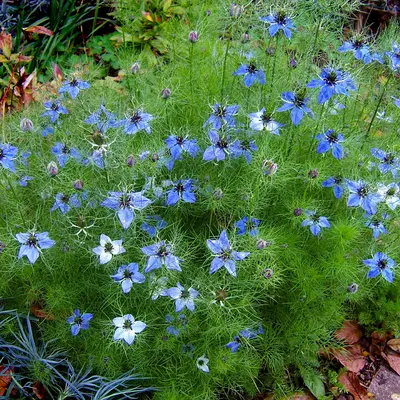
Fluffy 1 3/4-2" blooms fade to large dark plum-colored seed pods on stiff, 12-24" stems. Accented by attractive, ferny foliage. Whimsical, balloon-shaped seed pods dry readily/easily. Flowers attract and feed bees as well as other beneficial insects. Also known as Love in a Mist.
Harvest
65-70d
Days to harvest
Sun
Full sun
Zones
1–11
USDA hardiness
Height
12-30 inches
Planting Timeline
Showing dates for Albion Black Pod in USDA Zone 7
All Zone 7 flower →Zone Map
Click a state to update dates
Albion Black Pod · Zones 1–11
Growing Details
Succession Planting
Direct sow every 3 weeks from April 1 through early June in zone 7, stopping before daytime highs consistently reach 85°F. Each sowing pushes a new flush of blooms roughly 65–70 days out, stretching your cut-flower or seed-pod window across most of spring and early summer. In zones 5–6, start the first sowing in late April and you can still fit 2 rounds before heat shuts things down. Nigella dislikes transplanting — its taproot resents disturbance — so skip indoor starts once spring sowing is practical and direct sow every batch.
Complete Growing Guide
Fluffy 1 3/4-2" blooms fade to large dark plum-colored seed pods on stiff, 12-24" stems. Accented by attractive, ferny foliage. Whimsical, balloon-shaped seed pods dry readily/easily. Flowers attract and feed bees as well as other beneficial insects. Also known as Love in a Mist. According to Johnny's Selected Seeds, Albion Black Pod is 65-70 for flowers; 80-85 for pods to maturity, annual, open pollinated. Notable features: Use for Cut Flowers and Bouquets, Ideal for Drying and Crafts, Attracts Beneficial Insects.
Light: Full sun (6 or more hours of direct sunlight a day). Soil: Clay, Loam (Silt), Sand. Soil pH: Neutral (6.0-8.0). Drainage: Good Drainage, Occasionally Wet. Height: 1 ft. 0 in. - 2 ft. 6 in.. Spread: 0 ft. 6 in. - 2 ft. 0 in.. Spacing: Less than 12 inches. Growth rate: Rapid. Maintenance: Low. Propagation: Seed. Regions: Coastal, Mountains, Piedmont.
Harvesting
Albion Black Pod reaches harvest at 65-70 for flowers; 80-85 for pods from sowing per Johnny's Selected Seeds. Expect 1 3/4-2" at peak. As an annual, harvest continues until frost ends the season.
Egg-shaped, horned seed capsules (to 1” diameter) that are covered with bristles. Stems with dried seed capsules make excellent additions to dried flower arrangements.
Type: Capsule. Width: < 1 inch.
Garden value: Good Dried
Harvest time: Fall, Summer
Storage & Preservation
Harvested Albion Black Pod stems with dried seed pods store exceptionally well and require no special preservation—they're naturally long-lasting once dry. Store dried arrangements in a cool, dry place away from direct sunlight to prevent color fading; they'll maintain their deep plum color and papery texture for 12+ months. Avoid humidity, which can soften the delicate pods and encourage mold growth.
For the freshest display, cut stems with mature but freshly dried pods and arrange them in a dry vase without water—moisture will shorten their lifespan. Alternatively, hang bunches upside-down in a warm, airy room (like a garage or pantry) for 1–2 weeks to fully cure before arranging. Store harvested, dried stems standing upright or laid flat in a cardboard box in a cool closet. The seed heads themselves contain viable seeds; collect and dry pods further if you want to save seeds for next season—store seeds in a paper envelope in cool, dry conditions for up to 3 years.
History & Origin
Albion Black Pod is open-pollinated, meaning seed saved from healthy plants will produce true-to-type offspring. Listed in the Johnny's Selected Seeds catalog.
Origin: Macaronesia, Mediterranean to Iran
Advantages
- +Dramatic dark plum seed pods provide extended visual interest after flowering
- +Ferny foliage adds delicate texture throughout the growing season
- +Readily dries for long-lasting arrangements and dried flower crafts
- +Attracts beneficial insects and pollinators with abundant nectar and pollen
- +Easy cultivation requires minimal care from novice to experienced gardeners
Considerations
- -Self-seeds prolifically which may create unwanted volunteer plants next season
- -Prefers cool weather and may struggle in hot, humid climates
- -Tall stems require staking or support in windy garden locations
- -Blooms relatively short-lived on individual flowers before fading begins
Companion Plants
Marigolds (Tagetes spp.) and nasturtiums are the most useful neighbors here — marigolds emit thiophenes from their roots that deter soil-dwelling pests, while nasturtiums draw aphids onto themselves and away from Nigella buds. Chives and lavender add scent-based confusion that slows pest location. Sweet alyssum and calendula pull in hoverflies and parasitic wasps, both of which feed on the aphid colonies that Nigella occasionally attracts in crowded plantings. Keep Nigella well clear of fennel, which releases allelopathic compounds that suppress germination in nearby annuals, and black walnut — juglone from walnut roots will stunt or kill it outright.
Plant Together
Marigolds
Repel nematodes and aphids while attracting beneficial insects
Nasturtiums
Act as trap crops for aphids and cucumber beetles, protecting nearby plants
Lavender
Deters pests with strong fragrance and attracts pollinators
Chives
Repel aphids and other soft-bodied insects with sulfur compounds
Sweet Alyssum
Attracts beneficial insects like parasitic wasps and provides ground cover
Petunias
Natural pest deterrent against aphids, tomato hornworms, and squash bugs
Borage
Attracts pollinators and beneficial insects while deterring tomato hornworms
Calendula
Attracts beneficial insects and may help reduce nematode populations
Keep Apart
Black Walnut
Produces juglone, a toxic compound that inhibits growth of many plants
Fennel
Inhibits growth of most garden plants through allelopathy
Eucalyptus
Releases allelopathic compounds that can stunt nearby plant growth
Pests & Disease Resistance
Common Pests
Aphids in crowded plantings
Diseases
Powdery mildew in humid conditions with poor air circulation
Troubleshooting Albion Black Pod
What you'll see, why it happens, and what to do about it.
White powdery coating on leaves and stems, usually appearing mid-summer when plants are crowded
Likely Causes
- Powdery mildew (Erysiphe polygoni or related species) — thrives in humid, still air with poor circulation
- Planting too close together, under 9 inches spacing
What to Do
- 1.Thin plants to at least 9–12 inches apart to open up airflow
- 2.Remove and bin (don't compost) the worst-affected stems
- 3.Apply a diluted neem oil spray (2 tsp per quart of water) every 7 days until symptoms stop spreading
Distorted new growth, sticky residue on stems and buds, and tiny pale green or black clusters on shoot tips
Likely Causes
- Aphid infestation — common on Nigella when plants are overcrowded or stressed by heat
- Ant activity near the base (ants farm aphids for honeydew)
What to Do
- 1.Knock aphids off with a firm stream of water from a hose — do this in the morning so foliage dries fast
- 2.Encourage or relocate ladybugs (Coccinellidae) into the planting; they move through aphid colonies quickly
- 3.If the infestation is heavy, apply insecticidal soap directly to colonies, repeating every 5 days
Seedlings germinate but then flop over at the soil line and die, usually within the first 10 days
Likely Causes
- Damping off (Pythium or Fusarium spp.) — triggered by overwatering or heavy, poorly drained seed-starting mix
- Sowing indoors too early in cold, damp conditions before March
What to Do
- 1.Use a sterile, well-draining seed-starting mix; don't reuse old potting soil for germination
- 2.Water only when the top 1/4 inch of mix is dry — Nigella seed does not need constant moisture once sown
- 3.If damping off appears, scratch a thin layer of dry sand over the soil surface to wick excess moisture away from stems
Plants bloom but produce no inflated seed pods — flowers drop cleanly without setting
Likely Causes
- Heat stress at pollination — daytime temps above 85°F during bloom can prevent seed set in Nigella damascena
- Direct sowing too late (after June in zone 7), leaving too little cool weather before summer peaks
- Low pollinator traffic if the planting is small or isolated from other flowering plants
What to Do
- 1.Time direct sowing for April–May so plants are in bloom before the worst heat arrives
- 2.Sow in blocks of at least 6–10 plants rather than a single row — a denser stand draws more pollinator visits per hour
- 3.If dried pods are your goal, mark your earliest-sown plants and leave them fully alone for 65–70 days from germination; those are the ones most likely to finish before heat shuts things down
Frequently Asked Questions
How long does Albion Black Pod take to grow from seed to harvest?▼
Is Albion Black Pod good for beginners?▼
Can you grow Albion Black Pod in containers?▼
When should I plant Albion Black Pod?▼
What's the difference between Albion Black Pod and other Love in a Mist varieties?▼
Do I deadhead Albion Black Pod or let it go to seed?▼
Zone-by-Zone Planting Calendar
| Zone | Indoor Start | Transplant | Direct Sow | Harvest |
|---|---|---|---|---|
| Zone 3 | April – May | June – July | June – August | — |
| Zone 4 | March – April | June – June | June – July | — |
| Zone 5 | March – April | May – June | May – July | — |
| Zone 6 | March – April | May – June | May – July | — |
| Zone 7 | February – March | April – May | April – June | — |
| Zone 8 | February – March | April – May | April – June | — |
| Zone 9 | January – February | March – April | March – May | — |
| Zone 10 | January – January | February – March | February – April | — |
| Zone 1 | May – June | July – August | July – September | — |
| Zone 2 | April – May | June – July | June – August | — |
| Zone 11 | January – January | January – February | January – March | — |
| Zone 12 | January – January | January – February | January – March | — |
| Zone 13 | January – January | January – February | January – March | — |
Growing Guides from Wind River Greens
Sources & References
External authority sources used in compiling this guide.
- ExtensionNC State Extension
- BreederJohnny's Selected Seeds
See the Methodology page for how this data is sourced, what's AI-assisted, and known limitations.