Oxford Blue
Scabiosa atropurpurea
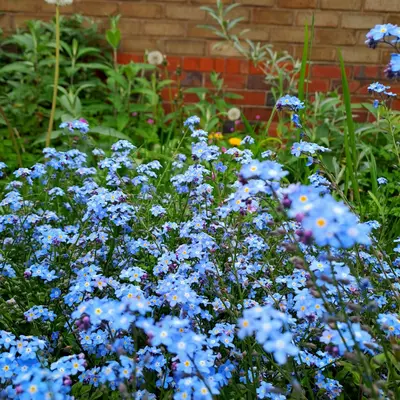
1 1/2-2 1/2", lavender blue flowers stand tall on strong, slender stems. A dramatic addition to any bouquet or garden. Also known as mourningbride.
Harvest
90-100d
Days to harvest
Sun
Full sun
Zones
4–11
USDA hardiness
Height
2-3 feet
Planting Timeline
Showing dates for Oxford Blue in USDA Zone 7
All Zone 7 flower →Zone Map
Click a state to update dates
Oxford Blue · Zones 4–11
Growing Details
Succession Planting
Oxford Blue blooms continuously from late spring through hard frost if you deadhead it regularly — snip spent stems back to a lateral bud every week or so and it'll keep pushing flowers. Because it's a single-planting annual that produces over a long season rather than a crop you cut and finish, strict succession sowing isn't necessary the way it is with lettuce or cilantro.
That said, if you want a staggered flush for cut-flower production, start a second tray of seeds indoors 4 to 6 weeks after your first, targeting a transplant date 3 to 4 weeks behind the first planting. In zone 7, an indoor sow in late February followed by a second sow in late March gives you two waves of plants hitting peak bloom at different points in summer. Direct sowing works April through June, but plants started after mid-June may not reach full bloom before shorter days slow them down.
Complete Growing Guide
1 1/2-2 1/2", lavender blue flowers stand tall on strong, slender stems. A dramatic addition to any bouquet or garden. Also known as mourningbride. According to Johnny's Selected Seeds, Oxford Blue is 90 - 100 days to maturity, annual, open pollinated. Notable features: Cold Tolerant, Use for Cut Flowers and Bouquets, Attracts Beneficial Insects.
Light: Full sun (6 or more hours of direct sunlight a day). Soil: High Organic Matter, Loam (Silt), Sand. Soil pH: Alkaline (>8.0), Neutral (6.0-8.0). Drainage: Good Drainage. Height: 2 ft. 0 in. - 3 ft. 0 in.. Spread: 0 ft. 9 in. - 1 ft. 0 in.. Spacing: Less than 12 inches. Growth rate: Medium. Maintenance: Low. Propagation: Seed. Regions: Coastal, Mountains, Piedmont.
Harvesting
Oxford Blue reaches harvest at 90 - 100 days from sowing per Johnny's Selected Seeds. Expect 1 1/2-2 1/2" at peak. As an annual, harvest continues until frost ends the season.
Bloom time: Fall, Spring, Summer
Storage & Preservation
Fresh-cut Oxford Blue flowers last 10–14 days in a clean vase with fresh, cool water changed every 2–3 days. Keep them away from direct sunlight, heat sources, and ripening fruit (ethylene gas shortens vase life). Store at 65–70°F for maximum longevity.
For preservation, air-drying is ideal: gather 5–10 stems, bind with twine, and hang upside-down in a warm, dark, airy space for 2–3 weeks. Dried Oxford Blue flowers retain their color beautifully for 6–12 months and work well in dried arrangements. Alternatively, press flowers between parchment paper under heavy books for 2–4 weeks to create flat flowers for crafting and pressing.
Desiccant drying (using silica gel) preserves the 3D form and color most accurately. Lay flowers on silica gel, cover gently with more gel, and leave undisturbed for 7–10 days in a sealed container. Store dried flowers in airtight containers away from humidity to prevent rehydration and mold.
History & Origin
Oxford Blue is open-pollinated, meaning seed saved from healthy plants will produce true-to-type offspring. Listed in the Johnny's Selected Seeds catalog.
Origin: Southern Europe, Western Asia and Northern Africa
Advantages
- +Striking lavender-blue color makes Oxford Blue stand out dramatically in arrangements
- +Strong, slender stems provide excellent support for tall, elegant displays
- +Relatively quick maturity at 90-100 days means faster garden gratification
- +Easy cultivation makes Oxford Blue ideal for beginning and busy gardeners
- +Long vase life extends the beauty of cut flower bouquets
Considerations
- -Susceptible to powdery mildew in humid or poorly ventilated conditions
- -Prefers well-draining soil and struggles in heavy clay or waterlogged beds
- -Tall stems may require staking or support in windy garden locations
Companion Plants
Marigolds (Tagetes spp.) are the most practical companion here. They repel aphids through scent and attract predatory wasps that keep pest pressure down across the whole bed — useful since Oxford Blue does draw the occasional aphid cluster on new growth. Sweet Alyssum works a similar angle: its tiny flowers are landing pads for hoverflies and parasitic wasps, and it stays low enough (6 to 8 inches) that it won't shade out a Scabiosa plant topping out at 2 to 3 feet. Cosmos is a natural pairing too — similar height, same full-sun requirement, and it blooms on the same summer schedule, so the two fill in each other's gaps in a cutting garden without fighting over resources.
Lavender is worth planting nearby for a different reason. It shares Scabiosa's preference for lean, well-drained soil and won't push you toward heavier irrigation the way a moisture-hungry neighbor might. Both also pull in pollinators at high volume — bees especially — which matters if you're growing either for seed saving or want a productive pollinator patch that earns its square footage.
The plants to keep away are straightforward. Black walnut produces juglone, a root-zone toxin that stunts or kills a wide range of ornamentals; NC State Extension puts the danger zone at roughly 50 to 60 feet from the drip line. Fennel is a subtler problem — it releases allelopathic compounds through both its roots and decomposing foliage that suppress germination and growth in nearby plants, and it tends to be a poor neighbor for most things outside its own genus. Give Oxford Blue a bed well clear of both.
Plant Together
Marigolds
Repel aphids, whiteflies, and nematodes while attracting beneficial insects
Sweet Alyssum
Attracts beneficial insects like hoverflies and parasitic wasps for pest control
Nasturtiums
Act as trap crops for aphids and cucumber beetles, drawing pests away
Lavender
Repels moths, fleas, and mosquitoes while attracting pollinators
Chives
Deter aphids and Japanese beetles with their strong onion scent
Cosmos
Attract beneficial insects and provide complementary colors without competing for nutrients
Petunias
Repel aphids, tomato hornworms, and squash bugs naturally
Zinnia
Attract ladybugs and other beneficial predators while providing long-lasting blooms
Keep Apart
Black Walnut
Releases juglone toxin that inhibits growth and can kill many flowering plants
Eucalyptus
Produces allelopathic compounds that suppress germination and growth of nearby plants
Fennel
Secretes compounds that inhibit growth of most garden plants through allelopathy
Pests & Disease Resistance
Common Pests
Aphids (minor), spider mites in hot, dry conditions (occasional)
Diseases
Powdery mildew (in humid conditions with poor air circulation); root rot (from overwatering)
Troubleshooting Oxford Blue
What you'll see, why it happens, and what to do about it.
White powdery coating on upper leaf surfaces, usually showing up in mid to late summer when nights get humid
Likely Causes
- Powdery mildew (Erysiphe cichoracearum or related species) — thrives when daytime heat combines with humid nights and poor air movement
- Plants spaced tighter than 12 inches, cutting off airflow between stems
What to Do
- 1.Thin or remove crowded stems to open up the canopy — this does more than any spray
- 2.Apply a dilute baking soda solution (1 tablespoon per gallon of water) or a sulfur-based fungicide to slow spread
- 3.Avoid overhead watering in the evening; water at the base in the morning instead
Stems wilting at soil level, roots look brown and mushy when you pull the plant
Likely Causes
- Root rot (Pythium or Phytophthora spp.) — almost always from waterlogged soil or pots without drainage
- Planting in heavy clay that holds water after rain
What to Do
- 1.Pull affected plants entirely — they won't recover once the crown is rotted
- 2.Amend the bed with coarse sand or perlite before replanting; Scabiosa wants well-drained soil above all else
- 3.Water only when the top inch of soil is dry; 1 to 1.5 inches per week is the ceiling, not the floor
Leaf edges going papery and bronzed, fine webbing visible on the undersides of leaves during a hot dry stretch
Likely Causes
- Two-spotted spider mite (Tetranychus urticae) — populations explode when temperatures stay above 90°F and humidity drops
- Dusty, dry conditions with no rainfall for 2 or more weeks
What to Do
- 1.Blast the undersides of leaves with a strong stream of water every 2 to 3 days — mites hate moisture and this physically removes them
- 2.Apply insecticidal soap or neem oil in the evening to avoid leaf scorch; repeat every 5 to 7 days for 2 to 3 applications
- 3.Mulch around the base to retain soil moisture and moderate the microclimate
Frequently Asked Questions
How long does Oxford Blue take to grow from seed to first flower?▼
Is Oxford Blue easy to grow as a beginner?▼
Can you grow Oxford Blue in containers or pots?▼
When should I plant Oxford Blue seeds outdoors?▼
How do I keep Oxford Blue flowers from drooping after cutting?▼
Does Oxford Blue attract pollinators or beneficials?▼
Zone-by-Zone Planting Calendar
| Zone | Indoor Start | Transplant | Direct Sow | Harvest |
|---|---|---|---|---|
| Zone 1 | May – June | July – August | July – September | — |
| Zone 2 | April – May | June – July | June – August | — |
| Zone 11 | January – January | January – February | January – March | — |
| Zone 12 | January – January | January – February | January – March | — |
| Zone 13 | January – January | January – February | January – March | — |
| Zone 3 | April – May | June – July | June – August | — |
| Zone 4 | March – April | June – June | June – July | — |
| Zone 5 | March – April | May – June | May – July | — |
| Zone 6 | March – April | May – June | May – July | — |
| Zone 7 | February – March | April – May | April – June | — |
| Zone 8 | February – March | April – May | April – June | — |
| Zone 9 | January – February | March – April | March – May | — |
| Zone 10 | January – January | February – March | February – April | — |
Growing Guides from Wind River Greens
Sources & References
External authority sources used in compiling this guide.
- BreederJohnny's Selected Seeds
See the Methodology page for how this data is sourced, what's AI-assisted, and known limitations.