Triple Berry Mix
Scabiosa atropurpurea
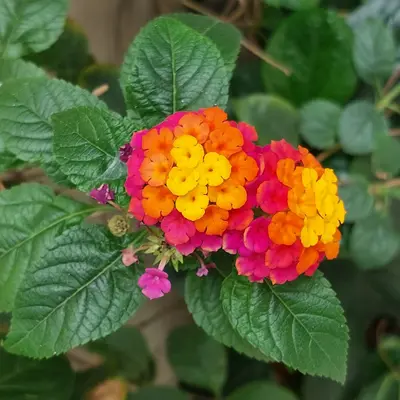
Wikimedia Commons via Scabiosa atropurpurea
We've formulated this mix for the delicious, fruity color palette but also for improved uniformity and ease of harvest. While beautiful, some of the lighter colors (not included here) which are included in the full-color mixes can have a rangy or weak plant habit, making those mixes trickier to harvest. 1 1/2-2 1/2" blooms. Also known as pincushion flower or mourningbride.
Harvest
90-100d
Days to harvest
Sun
Full sun
Zones
4–11
USDA hardiness
Height
2-3 feet
Planting Timeline
Showing dates for Triple Berry Mix in USDA Zone 7
All Zone 7 flower →Zone Map
Click a state to update dates
Triple Berry Mix · Zones 4–11
Growing Details
Succession Planting
Scabiosa atropurpurea blooms over a long season if you keep it deadheaded, but each planting does eventually wind down — especially once heat sets in — so staggering sowings is worth the effort. Start seeds indoors in February or March, then direct sow outdoors every 3 weeks from April through early June. Stop direct sowing once daytime highs are regularly hitting 85°F; germination drops off sharply in hot soil and seedlings started in that heat rarely catch up to ones started in cooler conditions.
In zone 7, a late-summer sowing started indoors around mid-August can be transplanted out in September for fall color. Scabiosa handles light frost reasonably well and will often keep blooming until a hard freeze drops below 28°F. That second planting stretches your cut-flower window by 6–8 weeks without much extra work.
Complete Growing Guide
We've formulated this mix for the delicious, fruity color palette but also for improved uniformity and ease of harvest. While beautiful, some of the lighter colors (not included here) which are included in the full-color mixes can have a rangy or weak plant habit, making those mixes trickier to harvest. 1 1/2-2 1/2" blooms. Also known as pincushion flower or mourningbride. According to Johnny's Selected Seeds, Triple Berry Mix is 90 - 100 days to maturity, annual, open pollinated. Notable features: Cold Tolerant, Easy Choice, Use for Cut Flowers and Bouquets, Attracts Beneficial Insects.
Light: Full sun (6 or more hours of direct sunlight a day). Soil: High Organic Matter, Loam (Silt), Sand. Soil pH: Alkaline (>8.0), Neutral (6.0-8.0). Drainage: Good Drainage. Height: 2 ft. 0 in. - 3 ft. 0 in.. Spread: 0 ft. 9 in. - 1 ft. 0 in.. Spacing: Less than 12 inches. Growth rate: Medium. Maintenance: Low. Propagation: Seed. Regions: Coastal, Mountains, Piedmont.
Harvesting
Triple Berry Mix reaches harvest at 90 - 100 days from sowing per Johnny's Selected Seeds. Expect 1 1/2-2 1/2" at peak. As an annual, harvest continues until frost ends the season.
Bloom time: Fall, Spring, Summer
Storage & Preservation
Triple Berry Mix flowers are best kept fresh by placing stems in cool water immediately after cutting. Store in a cool environment (50-65°F) away from direct sunlight and ripening fruit. Change water every 2-3 days for optimal longevity (7-10 days typical vase life). For preservation: Air-dry bundles upside-down in a dark, well-ventilated space for 2-3 weeks to create long-lasting dried arrangements. Press individual blooms between newspaper for 4-6 weeks to create floral bookmarks and craft materials. Alternatively, preserve in silica gel for 3-5 days to maintain shape and color intensity for decorative use.
History & Origin
Triple Berry Mix is open-pollinated, meaning seed saved from healthy plants will produce true-to-type offspring. Listed in the Johnny's Selected Seeds catalog.
Origin: Southern Europe, Western Asia and Northern Africa
Advantages
- +Curated color palette delivers rich, fruity berry tones consistently
- +Improved plant uniformity makes harvesting significantly easier and faster
- +Compact, sturdy plant habit prevents rangy growth seen in full-color mixes
- +Reliable 90-100 day timeline allows predictable succession planting
- +Beautiful 1.5-2.5 inch blooms ideal for bouquets and arrangements
Considerations
- -Limited to three colors reduces creative mixing options for designers
- -Requires consistent deadheading to maintain continuous bloom production
- -Can struggle in poorly draining soil, leading to root rot
Companion Plants
Marigolds and nasturtiums are the workhorses here. French marigolds (Tagetes patula) release thiophenes from their roots — compounds that suppress soil nematodes — and their scent disrupts aphids scouting for a landing spot on nearby plants. Nasturtiums act as a trap crop for black aphids specifically; the insects colonize the nasturtiums first and largely ignore the Scabiosa, which gives you an easy target to pull or hit with insecticidal soap. Both bloom in a color range that contrasts well with the deep burgundy and lavender tones in the Triple Berry Mix, so the pairing pulls visual weight in a cut-flower bed too.
Sweet alyssum and yarrow are worth including at the bed edges for a different reason: they draw in parasitic wasps and hoverflies, which prey on the soft-bodied insects that occasionally bother Scabiosa. Sweet alyssum stays under 6 inches, so it won't shade out anything. Cosmos are a practical spacing companion because their roots sit at a similar depth to Scabiosa's — roughly 8–12 inches — and they don't root aggressively enough to outcompete for moisture or nutrients.
Black walnut and eucalyptus are the ones to avoid. Black walnut produces juglone, a compound toxic to a wide range of ornamentals, and eucalyptus releases cineole-based oils through leaf litter and root exudate that inhibit germination and establishment. Sunflowers are a subtler problem: mildly allelopathic themselves, and tall enough by midsummer to cut into the 6+ hours of sun Scabiosa needs to keep setting buds.
Plant Together
Marigolds
Repel aphids, whiteflies, and nematodes while attracting beneficial insects
Nasturtiums
Act as trap crops for aphids and cucumber beetles, protecting nearby plants
Sweet Alyssum
Attracts beneficial predatory insects like lacewings and parasitic wasps
Lavender
Repels moths, fleas, and mosquitoes while attracting pollinators
Chives
Repel aphids and improve overall plant health with natural fungicidal properties
Yarrow
Attracts beneficial insects and improves soil health through deep root system
Borage
Attracts pollinators and beneficial insects while repelling pest insects
Cosmos
Attract beneficial insects and provide natural pest control support
Keep Apart
Black Walnut
Produces juglone toxin that inhibits growth and can kill sensitive flowering plants
Eucalyptus
Releases allelopathic compounds that suppress growth of nearby plants
Sunflowers
Release allelopathic chemicals and compete aggressively for nutrients and water
Troubleshooting Triple Berry Mix
What you'll see, why it happens, and what to do about it.
Powdery white coating on leaves and stems, usually showing up mid-summer when nights cool down
Likely Causes
- Powdery mildew (Erysiphe cichoracearum) — a fungal disease that thrives when humidity is high but foliage stays dry, common on Scabiosa in crowded beds
- Poor air circulation from planting closer than 18 inches apart
What to Do
- 1.Thin plants or cut back neighboring foliage to open up airflow
- 2.Spray affected foliage with a diluted solution of 1 tablespoon baking soda per gallon of water — it won't cure existing infections but slows spread
- 3.Remove and trash (don't compost) the worst-affected stems
Spindly stems flopping over, flowers sparse and small, plant looks stretched out
Likely Causes
- Insufficient light — Scabiosa needs a genuine 6+ hours of direct sun; anything less and the plants reach hard for it
- Over-fertilizing with nitrogen, which pushes leafy growth at the expense of flower production
What to Do
- 1.Move container-grown plants to a sunnier spot; for in-ground beds, note the location and don't repeat Scabiosa there
- 2.Skip the high-nitrogen fertilizer — a low-nitrogen, phosphorus-forward formula (something like 5-10-10) at transplant time is enough
- 3.Stake with bamboo canes and soft twine if you're mid-season and can't fix the light
Buds forming but blooms stopping entirely after the first flush, plant looking tired and semi-dormant by July
Likely Causes
- Failure to deadhead — Scabiosa is a cut-and-come-again flower; it shuts down seed production once spent heads are left on the plant
- Heat stress once daytime highs push consistently above 85–90°F
What to Do
- 1.Deadhead every 5–7 days — cut the stem back to just above a leaf node, not just the spent head
- 2.In hot climates, expect a midsummer lull and cut plants back by about one-third; they'll often rebound once temperatures drop below 85°F in late summer
- 3.Mulch the root zone with 2–3 inches of straw to keep soil temps down and buy a few more weeks of bloom
Frequently Asked Questions
How long do Triple Berry Mix flowers last in a vase?▼
Is Triple Berry Mix good for beginner gardeners?▼
Can you grow Triple Berry Mix in containers?▼
When should I plant Triple Berry Mix seeds?▼
What makes Triple Berry Mix different from other scabiosa varieties?▼
How far apart should I space Triple Berry Mix plants?▼
Zone-by-Zone Planting Calendar
| Zone | Indoor Start | Transplant | Direct Sow | Harvest |
|---|---|---|---|---|
| Zone 1 | May – June | July – August | July – September | — |
| Zone 2 | April – May | June – July | June – August | — |
| Zone 11 | January – January | January – February | January – March | — |
| Zone 12 | January – January | January – February | January – March | — |
| Zone 13 | January – January | January – February | January – March | — |
| Zone 3 | April – May | June – July | June – August | — |
| Zone 4 | March – April | June – June | June – July | — |
| Zone 5 | March – April | May – June | May – July | — |
| Zone 6 | March – April | May – June | May – July | — |
| Zone 7 | February – March | April – May | April – June | — |
| Zone 8 | February – March | April – May | April – June | — |
| Zone 9 | January – February | March – April | March – May | — |
| Zone 10 | January – January | February – March | February – April | — |
Growing Guides from Wind River Greens
Sources & References
External authority sources used in compiling this guide.
- BreederJohnny's Selected Seeds
See the Methodology page for how this data is sourced, what's AI-assisted, and known limitations.