Corn Poppy
Papaver rhoeas
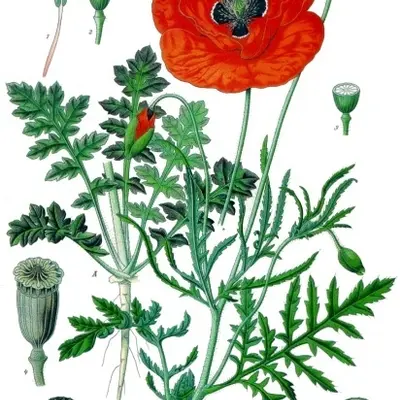
Large, 3-4" blooms provide cheerful color to any garden spot. Long-blooming.
Harvest
55-65d
Days to harvest
Sun
Full sun
Zones
3–10
USDA hardiness
Height
2-3 feet
Planting Timeline
Showing dates for Corn Poppy in USDA Zone 7
All Zone 7 flower →Zone Map
Click a state to update dates
Corn Poppy · Zones 3–10
Growing Details
Succession Planting
Corn poppies germinate best when soil sits around 55–65°F and rush to set seed once heat arrives, so a single sowing gives you a narrow bloom window. Direct sow every 3 to 4 weeks from the time the ground is workable in spring through early June — in zone 7, stop by June 1. Once daytime highs are consistently above 80°F, germination drops sharply and any plants already blooming will skip straight to seed production.
For a fall flush, sow again in late September or October in zones 7 and warmer. Seeds will either sprout before frost and overwinter as small rosettes, or sit dormant and push up in early spring — either way you'll get bloom 2 to 3 weeks ahead of what a spring sowing delivers.
Complete Growing Guide
Height: 2 ft. 0 in. - 3 ft. 0 in.. Spread: 1 ft. 0 in. - 3 ft. 0 in.. Spacing: 12 inches-3 feet. Propagation: Seed.
Harvesting
Seed pods
Type: Capsule.
Storage & Preservation
Corn Poppies are ornamental flowers best enjoyed fresh in vases immediately after cutting in early morning when stems are fully hydrated. Store in cool water (50-65°F) in a cool location away from direct sunlight and ethylene-producing fruits; they typically last 7-10 days. For preservation, air-dry stems upside-down in a dark, well-ventilated space for dried arrangements. Alternatively, press petals between parchment paper under books for 2-3 weeks to preserve for crafts or botanical collections. Freeze petals in ice cubes with water for decorative use in beverages.
History & Origin
Corn Poppy is open-pollinated, meaning seed saved from healthy plants will produce true-to-type offspring. Listed in the Johnny's Selected Seeds catalog.
Origin: Europe, Asia
Advantages
- +Large 3-4 inch blooms create stunning visual impact in garden beds
- +Blooms prolifically for 55-65 days providing extended seasonal color
- +Extremely easy to grow from seed with minimal care required
- +Cheerful red, pink, and white flowers attract pollinators effectively
- +Thrives in poor soil where other flowers struggle to establish
Considerations
- -Self-seeds aggressively and can become invasive if not managed carefully
- -Petals drop quickly after blooming reducing individual flower longevity
- -Prefers cool weather and struggles in hot humid climates
- -Vulnerable to powdery mildew and root rot in wet conditions
Companion Plants
Corn poppies do well alongside other open-pollinated annuals like Calendula, Cornflower, and Chamomile — all of them bloom in roughly the same 55–65 day window, attract overlapping populations of hoverflies and small native bees, and none of them compete aggressively for root space. Flax and Phacelia are worth planting nearby for similar reasons: both stay shallow-rooted and won't shade out a plant that only tops out at 2–3 feet. The pairing with Wheat and Barley goes back to before anyone was intentional about companion planting — Papaver rhoeas naturalized in European grain fields so thoroughly that it became the default field weed, and it coexists fine with grain crops, which also provide a modest wind buffer.
Black Walnut produces juglone from its roots, and Papaver rhoeas is sensitive enough that you'll want at least 50 feet of clearance. Fennel is allelopathic in its own right and has a general suppressive effect on nearby annuals — not worth the risk in a mixed bed. Sunflowers aren't chemically hostile, but they hit 6 or more feet and move fast; poppies sown in their shadow simply won't perform.
Plant Together
Wheat
Traditional companion crop that provides support and shelter without competing heavily for nutrients
Barley
Compatible cereal grain that creates beneficial microclimate and doesn't interfere with poppy growth
Chamomile
Attracts beneficial insects and may improve soil health through root secretions
Cornflower
Similar growing requirements and attracts pollinators while creating attractive wildflower combinations
Calendula
Attracts beneficial insects and helps repel aphids and other common garden pests
Phacelia
Excellent pollinator plant that attracts bees and other beneficial insects to support poppy pollination
Flax
Compatible fiber crop with similar soil preferences that doesn't compete aggressively
Clover
Fixes nitrogen in soil and provides ground cover without interfering with poppy development
Keep Apart
Black Walnut
Produces juglone which is toxic to poppies and inhibits their growth and germination
Fennel
Allelopathic properties inhibit growth of most garden plants including poppies
Sunflower
Strong allelopathic effects and aggressive root system that competes heavily for nutrients and water
Troubleshooting Corn Poppy
What you'll see, why it happens, and what to do about it.
Seedlings emerge then topple over at soil level, stems look pinched or rotted just above the roots
Likely Causes
- Damping off (Pythium or Rhizoctonia fungi) — triggered by overwatering and poor drainage
- Sowing too thickly, which keeps moisture trapped at soil level
What to Do
- 1.Don't water again until the top inch of soil is dry — corn poppies want lean, not wet
- 2.Thin to 12 inches apart as soon as seedlings have two true leaves
- 3.If you're starting indoors, use a sterile seed-starting mix and bottom-water only
Leaves develop pale, dusty white coating that won't wipe off cleanly, usually mid-season
Likely Causes
- Powdery mildew (Erysiphe species) — almost always tied to poor airflow and crowded plantings
- Warm days and cool nights, which create ideal conditions for spore germination
What to Do
- 1.Cut out the worst-affected stems and dispose of them in the trash — not the compost
- 2.Space future sowings at 18 inches if your site has limited air movement
- 3.A diluted potassium bicarbonate spray can slow spread, but poppies hit with mildew mid-season are usually close to done — harvest the seed heads and pull the plants
Frequently Asked Questions
How long do Corn Poppy flowers last in a vase?▼
Are Corn Poppies good for beginner gardeners?▼
Can you grow Corn Poppies in containers?▼
When should I plant Corn Poppy seeds?▼
What does the Corn Poppy flower look like?▼
How long do Corn Poppies take from planting to bloom?▼
Zone-by-Zone Planting Calendar
| Zone | Indoor Start | Transplant | Direct Sow | Harvest |
|---|---|---|---|---|
| Zone 3 | April – May | June – July | June – August | — |
| Zone 4 | March – April | June – June | June – July | — |
| Zone 5 | March – April | May – June | May – July | — |
| Zone 6 | March – April | May – June | May – July | — |
| Zone 7 | February – March | April – May | April – June | — |
| Zone 8 | February – March | April – May | April – June | — |
| Zone 9 | January – February | March – April | March – May | — |
| Zone 10 | January – January | February – March | February – April | — |
| Zone 1 | May – June | July – August | July – September | — |
| Zone 2 | April – May | June – July | June – August | — |
| Zone 11 | January – January | January – February | January – March | — |
| Zone 12 | January – January | January – February | January – March | — |
| Zone 13 | January – January | January – February | January – March | — |
Growing Guides from Wind River Greens
Sources & References
External authority sources used in compiling this guide.
- ExtensionNC State Extension
- BreederJohnny's Selected Seeds
See the Methodology page for how this data is sourced, what's AI-assisted, and known limitations.