White Glitter
Eryngium planum
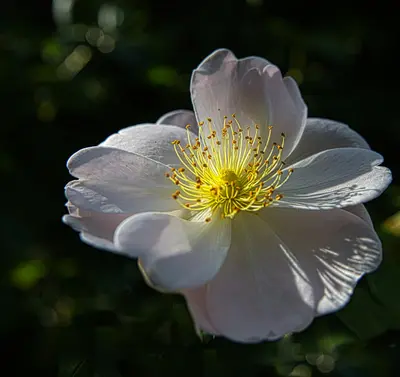
Attractive blooms with a metallic shine. Eryngium is a hardy perennial with long, sturdy stems. Tolerates hot, sunny locations. Plants produce flowers during the second year of growth and in subsequent years. Attracts bees, beneficial flies and wasps. Also known as plains eryngo and flat sea holly. Perennial in Zones 3-8.
Harvest
365d
Days to harvest
Sun
Full sun
Zones
5–9
USDA hardiness
Height
2-3 feet
Planting Timeline
Showing dates for White Glitter in USDA Zone 7
All Zone 7 flower →Zone Map
Click a state to update dates
White Glitter · Zones 5–9
Growing Details
Complete Growing Guide
Attractive blooms with a metallic shine. Eryngium is a hardy perennial with long, sturdy stems. Tolerates hot, sunny locations. Plants produce flowers during the second year of growth and in subsequent years. Attracts bees, beneficial flies and wasps. Also known as plains eryngo and flat sea holly. Perennial in Zones 3-8. According to Johnny's Selected Seeds, White Glitter is 365 days to maturity, perennial, open pollinated. Notable features: Use for Cut Flowers and Bouquets, Ideal for Drying and Crafts, Attracts Beneficial Insects.
Light: Full sun (6 or more hours of direct sunlight a day). Soil: Loam (Silt), Sand. Soil pH: Acid (<6.0), Alkaline (>8.0), Neutral (6.0-8.0). Drainage: Good Drainage, Occasionally Dry, Very Dry. Height: 2 ft. 0 in. - 3 ft. 0 in.. Spread: 1 ft. 0 in. - 2 ft. 0 in.. Spacing: 12 inches-3 feet. Maintenance: Low. Propagation: Division, Seed. Regions: Coastal, Mountains, Piedmont.
Harvesting
White Glitter reaches harvest at 365 days from sowing per Johnny's Selected Seeds.
Type: Schizocarp.
Storage & Preservation
White Glitter flowers are best enjoyed fresh and should be displayed in a cool room away from direct heat sources. Keep stems in fresh, cool water (50-60°F) and change water every 2-3 days for optimal vase life of 10-14 days. Preserve blooms by air-drying in small bundles hung upside-down in a dark, well-ventilated space for 2-3 weeks, creating long-lasting dried arrangements. Alternatively, press flowers between parchment paper under weight for 1-2 weeks to create flat botanical specimens for crafts or framing. For extended preservation, freeze-dry flowers in a home freeze-dryer to maintain metallic sheen and delicate structure.
History & Origin
White Glitter is open-pollinated, meaning seed saved from healthy plants will produce true-to-type offspring. Listed in the Johnny's Selected Seeds catalog.
Origin: E. Central Europe to Mongolia and W. Himalaya
Advantages
- +Striking metallic white blooms add unique shimmer and visual interest to gardens
- +Extremely hardy perennial thrives in Zones 3-8 with minimal winter protection needed
- +Tolerates hot, dry, sunny locations where many ornamentals struggle or fail
- +Long sturdy stems perfect for cutting and arranging in fresh flower arrangements
- +Attracts beneficial pollinators and predatory insects that support garden ecosystem health
Considerations
- -Delayed flowering until second year means patience required before enjoying blooms
- -Prefers well-drained soil and struggles in heavy clay or consistently wet conditions
- -Self-seeds prolifically which can become invasive if volunteer seedlings aren't managed carefully
Companion Plants
Marigolds (Tagetes spp.) and Sweet Alyssum are the most useful neighbors for White Glitter. Marigolds deter aphids and whiteflies through root secretions and volatile compounds in the foliage, and their bloom timing overlaps with Eryngium's mid-summer peak. Sweet Alyssum draws in parasitic wasps and hoverflies — both will clean up soft-bodied pests on nearby plants without any intervention on your part. Lavender and Catmint pull double duty: they attract pollinators during the long flowering window, and they share White Glitter's preference for lean, well-drained soil, so there's no real competition for water or nutrients at the root level.
The plants to keep away are mostly chemical offenders. Black walnut releases juglone through its roots — a compound toxic to a wide range of perennials — and Eucalyptus causes similar suppression through leaf litter and root exudates. Fennel is the sneakiest problem: it looks benign but puts out allelopathic root secretions strong enough to stunt a young Eryngium crown before it gets a full season of growth under it. Sunflowers aren't toxic, but they're aggressive enough above and below ground to simply outcompete a plant that needs good air circulation and elbow room to develop its branching structure.
Plant Together
Marigolds
Repel aphids, whiteflies, and nematodes while attracting beneficial insects
Lavender
Deters pests with aromatic oils and attracts pollinators
Nasturtiums
Act as trap crops for aphids and cucumber beetles
Sweet Alyssum
Attracts beneficial insects like lacewings and parasitic wasps
Catmint
Repels ants, aphids, and rodents while attracting bees
Cosmos
Attracts beneficial insects and provides structural support
Zinnias
Attract beneficial predatory insects and pollinators
Petunias
Natural pest deterrent against hornworms and aphids
Keep Apart
Black Walnut
Releases juglone toxin that inhibits growth of many flowering plants
Eucalyptus
Produces allelopathic compounds that suppress nearby plant growth
Sunflowers
Compete aggressively for nutrients and water, may stunt smaller flowers
Fennel
Inhibits growth of most garden plants through allelopathic effects
Pests & Disease Resistance
Common Pests
Slugs, spider mites
Diseases
Root rot in wet soil, powdery mildew in humid conditions
Troubleshooting White Glitter
What you'll see, why it happens, and what to do about it.
Seedlings or young crowns disappear or show ragged, chewed-off stems at soil level overnight
Likely Causes
- Slug damage — common on young Eryngium before the foliage gets tough and spiny
- Cutworms (Agrotis spp.) if the damage is clean-cut rather than ragged
What to Do
- 1.Scatter iron phosphate bait (Sluggo or equivalent) around the crowns after any rain
- 2.Press a 2-inch cardboard collar into the soil around each transplant to deter cutworms
- 3.Water in the morning so the soil surface dries by evening — slugs need moisture to move
Fine webbing on stems and undersides of leaves, foliage looking stippled or silvery, especially during hot dry spells
Likely Causes
- Two-spotted spider mite (Tetranychus urticae) — they thrive when temps push above 85°F and humidity drops
- Dusty conditions that coat leaves and reduce the plant's ability to shed pests naturally
What to Do
- 1.Blast the foliage with a firm spray of water three days in a row — mites can't hold on and their colonies collapse fast
- 2.Apply insecticidal soap or neem oil in the early morning before temperatures climb; repeat every 5–7 days
- 3.Don't overhead-water mid-afternoon — you get the humidity mites want without the leaf-washing effect that actually hurts them
Crown rotting at soil level, stems collapsing, roots black and mushy — often after a wet spring or a heavy clay planting site
Likely Causes
- Phytophthora or Pythium root rot — White Glitter does not tolerate waterlogged soil, even briefly
- Crown planted too deep, or mulch piled directly against the stem trapping moisture at the base
What to Do
- 1.If caught early, dig the plant, cut all black roots back to white tissue, dust with powdered sulfur, and replant in a raised or amended bed with sharp drainage
- 2.Pull mulch at least 2 inches back from the crown — keep it as a ring, not a mound
- 3.If the site stays wet for more than 24 hours after rain, relocate this plant entirely; Eryngium has no tolerance for slow-draining ground, and no amount of amendment fixes a low spot
Frequently Asked Questions
How long do White Glitter flowers last in a vase?▼
Is White Glitter eryngium good for beginning gardeners?▼
Can you grow White Glitter eryngium in containers?▼
When should I plant White Glitter eryngium seeds or plants?▼
What are the main benefits of White Glitter as a cut flower?▼
Does White Glitter eryngium attract pollinators?▼
Zone-by-Zone Planting Calendar
| Zone | Indoor Start | Transplant | Direct Sow | Harvest |
|---|---|---|---|---|
| Zone 3 | April – May | June – July | June – August | — |
| Zone 4 | March – April | June – June | June – July | — |
| Zone 5 | March – April | May – June | May – July | — |
| Zone 6 | March – April | May – June | May – July | — |
| Zone 7 | February – March | April – May | April – June | — |
| Zone 8 | February – March | April – May | April – June | — |
| Zone 9 | January – February | March – April | March – May | — |
| Zone 10 | January – January | February – March | February – April | — |
| Zone 1 | May – June | July – August | July – September | — |
| Zone 2 | April – May | June – July | June – August | — |
| Zone 11 | January – January | January – February | January – March | — |
| Zone 12 | January – January | January – February | January – March | — |
| Zone 13 | January – January | January – February | January – March | — |
Growing Guides from Wind River Greens
Sources & References
External authority sources used in compiling this guide.
- BreederJohnny's Selected Seeds
See the Methodology page for how this data is sourced, what's AI-assisted, and known limitations.