Nimbus
Lathyrus odoratus
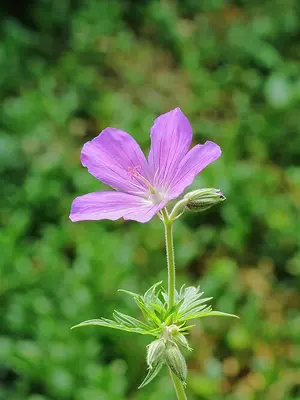
From the Spencer series. Gray-white petals with inky, blue-black streaks throughout and lining the petal edge. Plants produce 3-4, slightly ruffled blooms per 9-12" stem. Lightly fragrant. NOTE: Spencer series sweet peas are known as late-flowering because they require at least 12 hours of daylight, unlike more modern sweet pea varieties bred for winter production, which may require only 10-11 daylight hours. Attracts hummingbirds.
Harvest
75-85d
Days to harvest
Sun
Full sun
Zones
2–11
USDA hardiness
Height
3-8 feet
Planting Timeline
Showing dates for Nimbus in USDA Zone 7
All Zone 7 flower →Zone Map
Click a state to update dates
Nimbus · Zones 2–11
Growing Details
Succession Planting
Sweet peas don't lend themselves to rolling succession the way lettuce or radishes do — the limiting factor is heat, not harvest timing. In zone 7, direct sow from April into early June, but stop if daytime highs are already pushing 80°F; seeds sown into warm soil germinate poorly, and plants that do come up won't bloom long before shutting down. A second sow in early September, once highs drop back below 75°F, can give a decent autumn flush before frost closes things out.
If you want a longer cutting season, stagger indoor starts rather than relying on direct sowing. Sow indoors every 3 weeks from February through March, transplanting out in April and May. That produces a few weeks of overlap between plantings instead of one big flush that collapses when June heat arrives.
Complete Growing Guide
Nimbus performs best when started indoors 6-8 weeks before your last spring frost, allowing seedlings time to establish strong root systems before transplanting outdoors. Direct sowing is also viable in regions with mild springs; plant seeds 2-3 weeks before the last frost date, as Nimbus germinates reliably in cool soil. Indoor-started plants should be hardened off gradually before moving to the garden, and both methods benefit from overnight soaking of seeds in room-temperature water to enhance germination rates.
Space Nimbus plants 6 inches apart in rich, well-draining soil amended with compost or aged manure, as these vigorous climbers demand consistent nutrition throughout their growing season. Sow seeds half an inch deep and ensure soil pH sits between 6.5 and 7.5 for optimal growth. Unlike dwarf sweet pea varieties, Nimbus will reach 3 to 8 feet tall depending on your support structure, so sturdy trellising, netting, or bamboo tepees are essential from planting time onward.
Water deeply and consistently, providing approximately one inch per week through drip irrigation or soaking at the base to keep foliage dry and disease-free. During hot spells, increase frequency to prevent stress, which can halt blooming. Feed every two weeks with a balanced, water-soluble fertilizer once plants begin flowering, or use a slow-release formula at planting time supplemented with weekly liquid applications after buds appear. Deadheading spent blooms every two to three days encourages continued flower production through your harvest window.
Nimbus's main vulnerability is powdery mildew, particularly in regions with warm days and cool nights. Ensure excellent air circulation around plants, avoid wetting foliage during watering, and at the first sign of white coating on leaves, apply sulfur-based fungicide. Aphids occasionally cluster on new growth; a strong spray from the hose often dislodges them, or introduce beneficial insects like ladybugs for organic control.
The most critical requirement gardeners overlook with Nimbus and other Spencer-series varieties is their need for at least 12 hours of daylight to trigger flowering. This late-flowering characteristic means Nimbus performs excellently in northern regions with long spring and summer days but may struggle or flower disappointingly in southern zones where day length shortens earlier. If you're in a region with shorter growing seasons, provide artificial supplemental lighting during the seedling stage to establish plants before natural day length becomes limiting.
Succession planting in two-week intervals through late spring will extend your harvest season. As plants mature and eventually decline in mid-to-late summer heat, new seedlings will be entering their prime flowering stage, ensuring a continuous supply of Nimbus's distinctive gray-white petals streaked with dramatic inky-blue marks.
Harvesting
Nimbus reaches harvest at 75 - 85 days from sowing per Johnny's Selected Seeds. Expect 9-12" at peak. As an annual, harvest continues until frost ends the season.
Type: Legume.
Edibility: Sweet pea fruits are inedible and poisonous to humans.
Storage & Preservation
Fresh Nimbus sweet pea flowers should be kept in cool water in a vase at room temperature (65-72°F) with high humidity, away from direct heat and ripening fruit. They typically last 7-10 days. For preservation: (1) Press flowers between parchment paper under heavy weights for 2-3 weeks to create dried arrangements; (2) Hang-dry stems upside-down in a dark, well-ventilated space for 2-3 weeks; (3) Silica gel drying preserves color brilliantly in 3-5 days. Store dried flowers in airtight containers in cool, dry conditions.
History & Origin
Nimbus is open-pollinated, meaning seed saved from healthy plants will produce true-to-type offspring. Listed in the Johnny's Selected Seeds catalog.
Origin: Southern Italy, Sicily, Crete
Advantages
- +Striking gray-white petals with dramatic inky-black streaks create distinctive visual appeal.
- +Spencer series produces generous 3-4 blooms per long 9-12 inch stem.
- +Easy difficulty level makes Nimbus accessible to beginner and experienced gardeners.
- +Lightly fragrant flowers attract hummingbirds and add pollinator interest to gardens.
- +75-85 day timeline provides reliable mid-season flowering for summer arrangements.
Considerations
- -Requires minimum 12 hours daily daylight, limiting spring and fall growing seasons.
- -Spencer varieties need cooler conditions; struggle in hot summer climates overall.
- -Slightly ruffled blooms are more delicate and prone to storm damage.
Companion Plants
Nasturtiums are the most useful plant you can put near Nimbus — they act as a trap crop for pea aphids (Acyrthosiphon pisum), pulling colonies toward themselves before the insects find your vines. Sweet alyssum and catmint bring in parasitic wasps and predatory beetles that clean up what remains. Marigolds contribute some pest confusion at close range, and borage's deep taproot draws moisture from a different soil layer than sweet pea roots occupy, so the two don't compete for water at all.
The hard stops on the harmful side are black walnut and eucalyptus, both of which release allelopathic compounds into the surrounding soil — juglone from walnut roots is particularly damaging to legumes, and Nimbus won't establish properly anywhere near a mature tree. Sunflowers are a subtler problem: they cast shade that cuts airflow on a shared support structure, and they push root competition in the top 12 inches of soil where sweet peas feed most actively.
Plant Together
Marigolds
Repel nematodes and aphids while attracting beneficial insects
Lavender
Deters pests with strong fragrance and attracts pollinators
Nasturtiums
Act as trap crops for aphids and cucumber beetles
Sweet Alyssum
Attracts beneficial insects like lacewings and hoverflies
Cosmos
Attracts beneficial insects and provides structural support
Catmint
Repels ants, mosquitoes, and rodents while attracting bees
Zinnia
Attracts butterflies and beneficial predatory insects
Borage
Improves soil and attracts pollinators, deters tomato hornworms
Keep Apart
Black Walnut
Releases juglone toxin that inhibits growth of many plants
Eucalyptus
Produces allelopathic compounds that suppress nearby plant growth
Sunflowers
Can inhibit growth through allelopathy and compete heavily for nutrients
Troubleshooting Nimbus
What you'll see, why it happens, and what to do about it.
Powdery white coating on leaves and stems, usually appearing after the vine has been growing 6-8 weeks
Likely Causes
- Powdery mildew (Erysiphe polygoni) — the most common sweet pea disease, triggered by warm days and cool nights with poor airflow
- Crowded planting at less than 6 inches apart, trapping humidity around the foliage
What to Do
- 1.Strip and trash the worst-affected leaves; don't compost them
- 2.Thin plants to at least 6-8 inches apart and make sure your trellis isn't flush against a wall
- 3.Spray with a diluted potassium bicarbonate solution (1 tablespoon per gallon of water) every 7-10 days until it clears
Buds dropping or flowers failing to open, especially once daytime temps climb above 75°F
Likely Causes
- Heat stress — Lathyrus odoratus stops producing flowers above 80°F; it's a cool-season bloomer regardless of what the 'warm season annual' label implies
- Planting too late in spring, giving the vine no time to establish before summer heat arrives
What to Do
- 1.Mulch the root zone with 2-3 inches of straw to keep soil temps down
- 2.Rig a 30% shade cloth over the bed once highs consistently hit 75°F
- 3.Next season, start seeds indoors 8-10 weeks before last frost so plants are blooming well before summer
Stunted seedlings with yellowing leaves and tiny clusters of soft-bodied insects on new growth
Likely Causes
- Aphid infestation — black bean aphid (Aphis fabae) or pea aphid (Acyrthosiphon pisum) are the usual culprits; sweet peas are a preferred host for both
- Excess nitrogen from over-fertilizing, which produces soft, aphid-attractive tissue
What to Do
- 1.Knock aphids off with a firm stream of water from a hose — do this in the morning so foliage dries before evening
- 2.Apply insecticidal soap (2 teaspoons per quart of water) directly to colonies, coating the undersides of leaves
- 3.Hold off on any nitrogen-heavy fertilizer; sweet peas fix their own nitrogen through root nodules and don't need supplemental pushing
Frequently Asked Questions
How long do Nimbus sweet pea flowers last in a vase?▼
Can you grow Nimbus sweet peas in containers?▼
When should I plant Nimbus sweet peas?▼
Is Nimbus a good sweet pea variety for beginners?▼
Why are Spencer series sweet peas called late-flowering varieties?▼
What does Nimbus sweet pea fragrance smell like?▼
Zone-by-Zone Planting Calendar
| Zone | Indoor Start | Transplant | Direct Sow | Harvest |
|---|---|---|---|---|
| Zone 3 | April – May | June – July | June – August | — |
| Zone 4 | March – April | June – June | June – July | — |
| Zone 5 | March – April | May – June | May – July | — |
| Zone 6 | March – April | May – June | May – July | — |
| Zone 7 | February – March | April – May | April – June | — |
| Zone 8 | February – March | April – May | April – June | — |
| Zone 9 | January – February | March – April | March – May | — |
| Zone 10 | January – January | February – March | February – April | — |
| Zone 1 | May – June | July – August | July – September | — |
| Zone 2 | April – May | June – July | June – August | — |
| Zone 11 | January – January | January – February | January – March | — |
| Zone 12 | January – January | January – February | January – March | — |
| Zone 13 | January – January | January – February | January – March | — |
Growing Guides from Wind River Greens
Sources & References
External authority sources used in compiling this guide.
- BreederJohnny's Selected Seeds
See the Methodology page for how this data is sourced, what's AI-assisted, and known limitations.