Florenza
Helianthus annuus
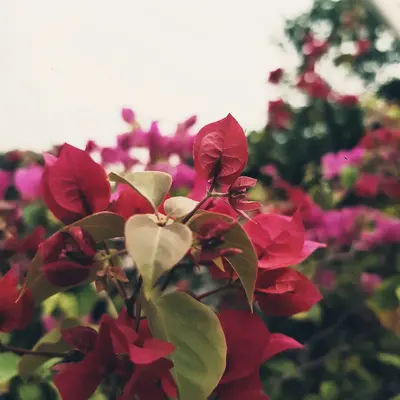
Unique color combination and mild chocolate fragrance. No drooping flower heads; strong, straight 15-32" stems provide firm support. Plants have relatively small, and few, leaves, making them more manageable, neater, and easier to harvest. Produces pollen. Branching.
Harvest
70-80d
Days to harvest
Sun
Full sun
Zones
2–11
USDA hardiness
Height
1-10 feet
Planting Timeline
Showing dates for Florenza in USDA Zone 7
All Zone 7 flower →Zone Map
Click a state to update dates
Florenza · Zones 2–11
Growing Details
Succession Planting
Florenza is a warm-season annual where each stem throws one primary head, so if you want a steady vase supply rather than one big flush, staggered sowings are worth the trouble. Direct sow every 14 to 21 days from April 1 through June 15 in zone 7; at 70 to 80 days to bloom, that cadence carries you from late June into early September.
Stop sowing by mid-June. Seeds started after that germinate fine, but the plants will be trying to set buds when daytime highs are pushing 95°F, and heat stress at bud stage produces weak, short-stemmed flowers that don't hold in a vase. A final direct sow around June 10–15 is about the practical cutoff — anything later and you're gambling on the weather cooperating in ways it usually won't.
Complete Growing Guide
Florenza sunflowers are best started by direct sowing seeds into garden soil after all danger of frost has passed and soil temperatures reach at least 50°F. While these sunflowers can be started indoors four to six weeks before your last frost date, they develop such sturdy root systems that direct sowing is often more successful and less fussy. Plant seeds roughly one inch deep, spacing them six to eight inches apart in rows or clusters, then thin seedlings to twelve inches apart once they've developed their first true leaves. The branching nature of Florenza means each plant will produce multiple flower stems, so adequate spacing prevents overcrowding and ensures good air circulation.
Prepare your planting area with well-draining soil rich in organic matter. Sunflowers aren't particularly fussy about soil pH, but Florenza performs best in slightly neutral to slightly alkaline conditions. Break up compacted soil and work in compost or aged manure before planting to encourage deep root development, which helps support those impressive 15-32 inch stems that won't droop even in wind or rain.
Water Florenza deeply and consistently during establishment and the first few weeks of growth, aiming for about one inch per week through rainfall or irrigation. Once plants are established and growing vigorously, they become quite drought-tolerant, though continuing to water during dry spells promotes better flowering. Avoid overhead watering when possible to reduce fungal issues. Feed with a balanced, all-purpose fertilizer when plants reach about twelve inches tall, then follow up with a second application once flower buds begin forming.
Monitor Florenza plants for spider mites, which can become problematic in hot, dry conditions and may damage the foliage of this variety's already sparse leaf canopy. Inspect the undersides of leaves regularly and spray with water or insecticidal soap at first sign of infestation. Downy mildew can occasionally affect sunflowers, so maintain good air circulation and avoid wetting foliage in cool, damp weather.
Because Florenza is a branching variety, you can encourage bushier growth and more flowers by pinching out the central growing tip when plants reach about eighteen inches tall. This technique promotes lateral branch development and extends your flowering season. For cut flowers, succession planting every two to three weeks from late spring through early summer provides continuous blooms throughout the season.
The critical mistake many gardeners make with Florenza is underestimating its height range. While some plants stay around eighteen inches, others reach ten feet, so plant accordingly and provide sturdy support for taller specimens, especially in windy locations. Those sturdy, non-drooping stems and pollen production make Florenza excellent for cutting gardens and pollinator support.
Harvesting
Florenza reaches harvest at 70 - 80 days from sowing per Johnny's Selected Seeds. Expect 15-32" at peak. As an annual, harvest continues until frost ends the season.
Seeds are ovoid and somewhat flattened
Color: Black, Brown/Copper. Type: Achene. Length: < 1 inch. Width: < 1 inch.
Garden value: Edible
Harvest time: Fall
Edibility: Seeds are used for cooking oil, livestock feed, and as a snack food or garnish. Petals are edible and young flower buds can be steamed like artichokes.
Storage & Preservation
Store fresh Florenza flowers in the refrigerator at 34-40°F in a vase with cool water, changing water every 2-3 days for a shelf life of 7-10 days. Keep away from ripening fruit and direct sunlight. For long-term preservation, air-dry stems in bundles hung upside-down in a warm, well-ventilated space for 2-3 weeks until papery. Alternatively, press flowers between parchment paper under weights for 2-4 weeks for botanical crafts. Freeze flowers in ice cube trays with water for decorative use in beverages.
History & Origin
Florenza is open-pollinated, meaning seed saved from healthy plants will produce true-to-type offspring. Listed in the Johnny's Selected Seeds catalog.
Origin: Western United States
Advantages
- +Unique chocolate fragrance and color combination distinguish Florenza from standard sunflowers
- +Strong 15-32 inch stems never droop, ideal for cut flower arrangements
- +Fewer leaves make plants tidier and significantly easier to harvest
- +Pollen production attracts pollinators and supports garden ecosystem health
- +Branching habit provides multiple flower stems per plant for better yields
Considerations
- -Pollen shedding may stain clothing, furniture, or nearby surfaces indoors
- -Produces relatively small flowers compared to giant sunflower varieties
- -Branching requires more space between plants than single-stem varieties
Companion Plants
Marigolds and Nasturtiums are the workhorses here. French marigolds (Tagetes patula) release thiophene compounds from their roots that suppress soil nematodes, and the flowers draw in predatory wasps that keep aphid pressure down on nearby sunflower stems. Nasturtiums act as a sacrifice crop — aphids pile onto them first, leaving the Florenza alone long enough that you can just pull the nasturtium and toss it when it gets hammered. Sweet Alyssum tucked along the bed edge brings in hoverflies whose larvae eat aphids, and it stays low enough that it doesn't shade out the sunflowers or compete for water.
Keep Black Walnut well away — 50 feet is the minimum safe distance. It leaches juglone from roots, hulls, and leaf litter, and Helianthus annuus is documented as sensitive. Eucalyptus causes similar problems through leaf-litter allelopathy. In our zone 7 Georgia gardens, Tree of Heaven (Ailanthus altissima) is the one most people overlook — it's a common roadside weed that releases ailanthone from its root system, and a nearby specimen can quietly undercut a bed you've been amending for years.
Plant Together
Marigolds
Repel nematodes, aphids, and other garden pests while attracting beneficial insects
Nasturtiums
Act as trap crops for aphids and cucumber beetles, repel squash bugs
Sweet Alyssum
Attracts beneficial insects like hoverflies and parasitic wasps for natural pest control
Lavender
Repels moths, fleas, and mosquitoes while attracting pollinators like bees and butterflies
Zinnia
Attracts beneficial predatory insects and provides long-lasting blooms for continuous pollinator support
Cosmos
Attracts beneficial insects and provides habitat for predatory bugs that control garden pests
Sunflowers
Provide natural support structure and attract birds that eat harmful insects
Catnip
Repels mosquitoes, ants, and rodents more effectively than DEET
Keep Apart
Black Walnut
Produces juglone toxin that inhibits growth and can kill many flowering plants
Eucalyptus
Allelopathic properties suppress growth of nearby plants and reduce germination rates
Tree of Heaven
Releases growth-inhibiting chemicals and competes aggressively for nutrients and water
Troubleshooting Florenza
What you'll see, why it happens, and what to do about it.
Seedling stems pinched off at soil level, whole plant toppled overnight
Likely Causes
- Cutworms (Agrotis spp.) — fat gray or brown caterpillars that feed at night just below or at the soil surface
- Transplanting without a physical collar barrier
What to Do
- 1.Press a 3-inch cardboard or plastic collar 1 inch into the soil around each stem at transplant time
- 2.Scatter Bacillus thuringiensis var. kurstaki (Bt-k) granules on the soil surface around seedlings at dusk, when cutworms are active
- 3.If you find one, dig 2–3 inches around the base of the plant and destroy the larva by hand
White powdery coating on upper leaf surfaces, usually appearing mid-summer as plants hit 50–60 days old
Likely Causes
- Powdery mildew (Erysiphe cichoracearum) — fungal spores spread by wind, thrives in warm days with cool nights and low soil moisture
- Overcrowded spacing under 18 inches that limits airflow between plants
What to Do
- 1.Thin or stake plants so air moves freely — 18 to 24 inches between stems is the minimum, not a suggestion
- 2.Spray affected foliage with a diluted potassium bicarbonate solution (1 tablespoon per gallon of water) every 7 days until new growth looks clean
- 3.Avoid overhead irrigation in the evening; water at the base in the morning instead
Small tan spots with dark brown rings spreading up from the lower leaves, appearing after a wet stretch
Likely Causes
- Septoria leaf spot (Septoria helianthi) — a fungal disease that overwinters in soil debris and splashes up during rain or irrigation
- Wet, warm conditions with standing water around the root zone
What to Do
- 1.Pull and bag (don't compost) all affected leaves as soon as you see them
- 2.Mulch the bed with 2–3 inches of straw to suppress rain splash from the soil surface
- 3.Rotate Helianthus out of that bed for at least 2 seasons — the pathogen persists in plant debris
Developing flower buds drooping or failing to open, with a gray fuzzy coating on the bud surface
Likely Causes
- Botrytis blight (Botrytis cinerea) — gray mold that takes hold fast during humid periods above 70% relative humidity
- Dense planting combined with overhead watering that keeps buds wet overnight
What to Do
- 1.Remove and trash affected buds and stems immediately — Botrytis spreads fast once it gets going
- 2.Thin plants to no closer than 18 inches and strip any dead lower foliage to open up airflow
- 3.If conditions stay persistently humid, apply a copper-based fungicide (follow label rates) on a 7–10 day schedule before buds fully form
Frequently Asked Questions
How long do Florenza flowers last in a vase?▼
Is Florenza a good flower for beginners?▼
Can you grow Florenza flowers in containers?▼
What makes Florenza flowers unique?▼
How many days does Florenza take from seed to harvest?▼
Does Florenza produce pollen, and is it good for pollinators?▼
Zone-by-Zone Planting Calendar
| Zone | Indoor Start | Transplant | Direct Sow | Harvest |
|---|---|---|---|---|
| Zone 1 | May – June | July – August | July – September | — |
| Zone 2 | April – May | June – July | June – August | — |
| Zone 11 | January – January | January – February | January – March | — |
| Zone 12 | January – January | January – February | January – March | — |
| Zone 13 | January – January | January – February | January – March | — |
| Zone 3 | April – May | June – July | June – August | — |
| Zone 4 | March – April | June – June | June – July | — |
| Zone 5 | March – April | May – June | May – July | — |
| Zone 6 | March – April | May – June | May – July | — |
| Zone 7 | February – March | April – May | April – June | — |
| Zone 8 | February – March | April – May | April – June | — |
| Zone 9 | January – February | March – April | March – May | — |
| Zone 10 | January – January | February – March | February – April | — |
Growing Guides from Wind River Greens
Sources & References
External authority sources used in compiling this guide.
- BreederJohnny's Selected Seeds
See the Methodology page for how this data is sourced, what's AI-assisted, and known limitations.