Cramer's Lemon Lime
Celosia argentea cristata
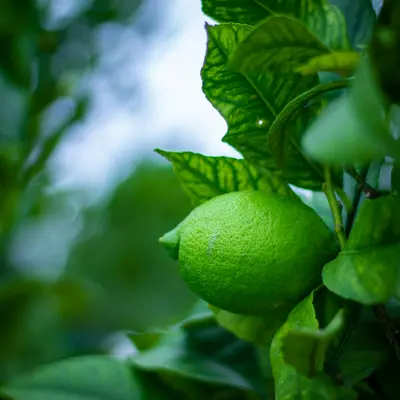
Cramer's Lemon Lime is a decorative heirloom flower variety that reaches maturity in 90-120 days under full sun conditions. This ornamental cultivar is prized for its distinctive bicolor blooms featuring vibrant yellow and green tones that evoke its namesake citrus fruits. The variety thrives in well-drained, fertile soil and is notably easy to grow, making it accessible for gardeners of all skill levels. Its unique color combination and long bloom season make it a striking addition to flower gardens and landscape arrangements.
Harvest
90-120d
Days to harvest
Sun
Full sun
Zones
10–11
USDA hardiness
Height
9-18 inches
Planting Timeline
Showing dates for Cramer's Lemon Lime in USDA Zone 7
All Zone 7 flower →Zone Map
Click a state to update dates
Cramer's Lemon Lime · Zones 10–11
Growing Details
Complete Growing Guide
Crested-type flowers bloom prolifically on well-branched plants. Bloom size is approximately 2-6" across. With approximately 15-20 stems per plant, Cramer's varieties prove to be workhorses in the garden. Selected by the late, and well-known, commercial flower farmer, Ralph Cramer. Also known as cockscomb and crested cock's comb. According to Johnny's Selected Seeds, Cramer's Lemon Lime is 90 - 120 days to maturity, annual, open pollinated. Notable features: Use for Cut Flowers and Bouquets, Ideal for Drying and Crafts.
Light: Full sun (6 or more hours of direct sunlight a day). Soil: High Organic Matter, Loam (Silt), Sand. Soil pH: Neutral (6.0-8.0). Drainage: Good Drainage, Occasionally Dry. Height: 0 ft. 9 in. - 1 ft. 6 in.. Spread: 0 ft. 9 in. - 1 ft. 0 in.. Spacing: 12 inches-3 feet. Growth rate: Rapid. Maintenance: Low. Propagation: Seed. Regions: Coastal, Piedmont.
Harvesting
Cramer's Lemon Lime reaches harvest at 90 - 120 days from sowing per Johnny's Selected Seeds. Expect 2-6" at peak. As an annual, harvest continues until frost ends the season.
Smooth, glossy, shiny capsule contain many seeds
Color: Black. Type: Capsule.
Edibility: The leaves and young shoots are cooked and used in soups and stews. The seeds yield edible oil.
Storage & Preservation
Fresh celosia blooms can be stored upright in a vase with cool water at room temperature (65-72°F) away from direct sunlight and ripening fruit. For extended freshness, refrigerate at 35-40°F in high humidity conditions; blooms typically last 7-14 days. For preservation, air-dry by hanging stems upside-down in a warm, dark, well-ventilated space for 1-2 weeks, creating long-lasting dried arrangements. Alternatively, press blooms between paper in a heavy book for 2-3 weeks for flat, decorative use. Silica gel drying provides the quickest method, preserving vibrant color in 3-5 days.
History & Origin
Cramer's Lemon Lime is open-pollinated, meaning seed saved from healthy plants will produce true-to-type offspring. Listed in the Johnny's Selected Seeds catalog.
Origin: Tropical Africa
Advantages
- +Prolific blooming with 15-20 stems per plant maximizes garden impact
- +Vibrant lemon lime color adds unique cheerful brightness to arrangements
- +Crested flowers reach 2-6 inches, providing substantial visual presence
- +Easy growing difficulty makes this variety suitable for novice gardeners
- +Well-branched plants require minimal pruning for full, workhouse performance
Considerations
- -90-120 day maturity requires long growing season in cooler climates
- -Crested blooms attract spider mites in hot, dry conditions
- -Heavy water needs combined with poor drainage causes root rot
Companion Plants
Marigolds (Tagetes spp.) and Nasturtiums are the companions worth actually planting near Cramer's Lemon Lime — marigolds deter whiteflies and aphids through root secretions and scent, while nasturtiums act as a trap crop that pulls aphids off the celosia onto themselves. Sweet Alyssum and Catmint draw in predatory wasps and hoverflies that clean up whatever pest pressure remains. Skip Sunflowers: in our zone 7 Georgia gardens they compete hard for the same mid-summer water, and their decomposing root material releases allelopathic compounds that can suppress nearby annuals. Black Walnut is a harder no — juglone moves through the soil far enough to reach anything planted within a typical residential garden bed, and celosia roots don't handle it.
Plant Together
Marigolds
Repel aphids, whiteflies, and nematodes while attracting beneficial insects
Nasturtiums
Act as trap crops for aphids and cucumber beetles, attract pollinators
Sweet Alyssum
Attracts beneficial insects like lacewings and provides ground cover to retain moisture
Lavender
Repels moths, fleas, and mosquitoes while attracting pollinators and beneficial insects
Zinnia
Attracts butterflies, bees, and beneficial predatory insects for natural pest control
Cosmos
Attracts beneficial insects and provides complementary height and texture
Catmint
Repels ants, aphids, and rodents while attracting pollinators
Petunia
Repels aphids, tomato hornworms, and other garden pests
Keep Apart
Black Walnut
Produces juglone which is toxic to many flowering plants and inhibits growth
Eucalyptus
Releases allelopathic compounds that inhibit growth of nearby plants
Sunflowers
Can release allelopathic chemicals and compete aggressively for nutrients and water
Pests & Disease Resistance
Common Pests
Aphids, spider mites, whiteflies
Diseases
Powdery mildew, root rot in overly wet conditions
Troubleshooting Cramer's Lemon Lime
What you'll see, why it happens, and what to do about it.
Distorted new growth, sticky residue on leaves, tiny clusters of soft-bodied insects on stems and undersides of leaves
Likely Causes
- Aphid infestation — common on soft celosia tissue, especially during spring flush
- Nearby ant colonies farming the aphids and protecting them from predators
What to Do
- 1.Knock aphids off with a firm spray of water from a hose — do this in the morning so foliage dries by evening
- 2.Apply insecticidal soap directly to colonies; repeat every 5-7 days until populations collapse
- 3.Check for ant trails leading up the stems and use a sticky barrier (Tanglefoot) around the base if ants are actively tending the colony
White powdery coating on upper leaf surfaces, usually appearing mid-summer when nights cool slightly
Likely Causes
- Powdery mildew (Erysiphe cichoracearum or related species) — thrives in high humidity with poor airflow
- Plants crowded closer than the 12-18 inch recommended spacing
What to Do
- 1.Remove and trash (don't compost) any heavily affected leaves immediately
- 2.Spray remaining foliage with a diluted potassium bicarbonate solution or a neem oil mix; coat both leaf surfaces
- 3.Open up spacing between plants — better airflow does more long-term work than repeated spraying if crowding is the underlying problem
Wilting that doesn't recover after watering, dark water-soaked tissue at the base of the stem, roots turning brown and mushy
Likely Causes
- Root rot caused by Pythium or Phytophthora spp. — almost always triggered by waterlogged soil or poor drainage
- Overwatering in containers without drainage holes
What to Do
- 1.Pull the plant — there's no saving a celosia once root rot is advanced; bag it and discard
- 2.Amend the bed with coarse perlite or fine pine bark before replanting, or raise the bed 4-6 inches to improve drainage
- 3.Water only when the top inch of soil is dry; Cramer's Lemon Lime tolerates moderate drought once established, so err on the dry side
Frequently Asked Questions
How long do Cramer's Lemon Lime celosia flowers last in a vase?▼
Is celosia a good flower for beginner gardeners?▼
Can you grow Cramer's Lemon Lime celosia in containers?▼
When should I plant Cramer's Lemon Lime celosia?▼
What makes Cramer's Lemon Lime different from other celosia varieties?▼
How often should I water celosia plants?▼
Zone-by-Zone Planting Calendar
| Zone | Indoor Start | Transplant | Direct Sow | Harvest |
|---|---|---|---|---|
| Zone 1 | May – June | July – August | July – September | — |
| Zone 2 | April – May | June – July | June – August | — |
| Zone 11 | January – January | January – February | January – March | — |
| Zone 12 | January – January | January – February | January – March | — |
| Zone 13 | January – January | January – February | January – March | — |
| Zone 3 | April – May | June – July | June – August | — |
| Zone 4 | March – April | June – June | June – July | — |
| Zone 5 | March – April | May – June | May – July | — |
| Zone 6 | March – April | May – June | May – July | — |
| Zone 7 | February – March | April – May | April – June | — |
| Zone 8 | February – March | April – May | April – June | — |
| Zone 9 | January – February | March – April | March – May | — |
| Zone 10 | January – January | February – March | February – April | — |
Growing Guides from Wind River Greens
Sources & References
External authority sources used in compiling this guide.
- BreederJohnny's Selected Seeds
See the Methodology page for how this data is sourced, what's AI-assisted, and known limitations.