Benary's Giant Golden Yellow
Zinnia elegans
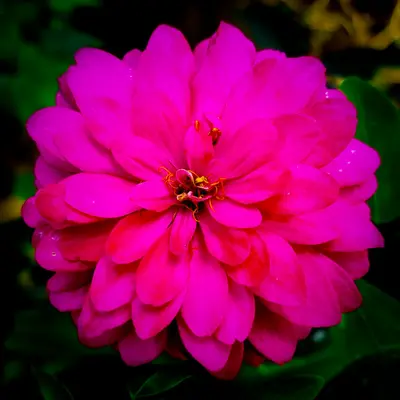
Benary's Giant Golden Yellow is a vibrant heirloom flower variety prized for its large, double blooms in rich golden yellow. Reaching maturity in 75-90 days, this ornamental produces abundant flowers ideal for cutting and garden displays. The generous, fully double petals create full, pompom-like blooms that stand out among standard varieties. Best grown in full sun with well-draining soil enriched with organic matter, this easy-to-grow heirloom thrives in warm conditions and attracts pollinators while resisting common pests effectively.
Harvest
75-90d
Days to harvest
Sun
Full sun
Zones
2–11
USDA hardiness
Height
0-3 feet
Planting Timeline
Showing dates for Benary's Giant Golden Yellow in USDA Zone 7
All Zone 7 flower →Zone Map
Click a state to update dates
Benary's Giant Golden Yellow · Zones 2–11
Growing Details
Succession Planting
Direct sow every 3 weeks from April through mid-June in zone 7. Germination takes 7-10 days in soil above 60°F, and plants hit bloom around 75-90 days from seed, so a mid-June sowing will push flowers into September. Stop once daytime highs are consistently above 90°F — germination rates drop off sharply and seedlings struggle to establish in that kind of heat.
If you're cutting regularly (every 3-4 days at full bloom), each plant keeps producing for months, so succession matters less here than with a crop like cilantro that shuts down fast. The main reason to stagger sowings is to avoid one giant flush followed by a gap — keep cutting, keep sowing, and you'll have stems from June through first frost.
Complete Growing Guide
Recommended by the Association of Specialty Cut Flower Growers. High yields of long, sturdy stems with 4-6" fully double, dahlia-like blooms. Excellent vase life. Vigorous plants hold up well in summer heat and rain. Low susceptibility to powdery mildew. Cut-and-come-again flower, yielding multiple cuts over the season. According to Johnny's Selected Seeds, Benary's Giant Golden Yellow is 75 - 90 days to maturity, annual, open pollinated. Notable features: Use for Cut Flowers and Bouquets, Attracts Beneficial Insects.
Light: Full sun (6 or more hours of direct sunlight a day). Soil: High Organic Matter, Loam (Silt). Soil pH: Acid (<6.0), Alkaline (>8.0), Neutral (6.0-8.0). Drainage: Good Drainage, Occasionally Dry. Height: 0 ft. 6 in. - 3 ft. 0 in.. Spread: 0 ft. 8 in. - 1 ft. 0 in.. Spacing: 12 inches-3 feet. Growth rate: Rapid. Maintenance: Medium. Propagation: Seed. Regions: Coastal, Mountains, Piedmont.
Harvesting
Benary's Giant Golden Yellow reaches harvest at 75 - 90 days from sowing per Johnny's Selected Seeds. Expect 4-6" at peak. As an annual, harvest continues until frost ends the season.
Type: Achene.
Storage & Preservation
Fresh-cut stems last 10-14 days in a clean vase with floral preservative changed every 2-3 days. Keep in a cool location (60-65°F) away from ripening fruit, which releases ethylene gas that shortens vase life. For preservation, dry whole flower heads in a dark, well-ventilated space at 50-60°F with 30-40% humidity—they dry completely in 2-3 weeks and hold color beautifully for dried arrangements lasting 6+ months. Alternatively, freeze individual petals in ice cube trays with water for decorative use in beverages or desserts. Press flowers between parchment paper under heavy books for 2-3 weeks to create lasting specimens for crafts or herbals.
History & Origin
Benary's Giant Golden Yellow is open-pollinated, meaning seed saved from healthy plants will produce true-to-type offspring. Listed in the Johnny's Selected Seeds catalog.
Origin: Mexico
Advantages
- +Produces long, sturdy stems ideal for professional cut flower arrangements
- +Fully double dahlia-like blooms reach impressive 4-6 inches in size
- +Excellent vase life extends the value of each cut flower
- +Vigorous plants thrive in summer heat and heavy rain
- +Cut-and-come-again habit yields multiple harvests throughout the season
Considerations
- -Requires 75-90 days to flower, extending time to first harvest
- -Large blooms may need staking or support in windy conditions
- -Golden yellow color has limited use in certain floral design palettes
Companion Plants
Sweet alyssum planted at the base draws in parasitic wasps and hoverflies that will work through an aphid infestation without any help from you. Marigolds — French types especially, like 'Petite Gold' — add nematode suppression through root secretions, which matters if you're rotating this bed with edibles. Fennel is allelopathic to a wide range of annuals and will stunt zinnias within a couple of feet; keep it on the other side of the garden. Black walnut is a harder stop — juglone moves through the soil far enough that zinnias planted under or near the canopy typically just fail, no obvious cause, no recovery.
Plant Together
Marigolds
Repel nematodes and aphids while attracting beneficial insects
Nasturtiums
Act as trap crops for aphids and cucumber beetles, protecting zinnias
Basil
Repels thrips, aphids, and spider mites that commonly attack zinnias
Cosmos
Attract beneficial pollinators and predatory insects while providing similar growing conditions
Sunflowers
Provide beneficial shade and attract pollinators, complement yellow color scheme
Petunias
Repel aphids, tomato hornworms, and other pests while adding color contrast
Lavender
Repels moths, fleas, and mosquitoes while attracting beneficial pollinators
Sweet Alyssum
Attracts beneficial insects like lacewings and hover flies that control aphids
Keep Apart
Black Walnut Trees
Release juglone toxin that inhibits growth and can kill zinnias
Fennel
Produces allelopathic compounds that inhibit growth of nearby flowering plants
Eucalyptus
Releases allelopathic chemicals that suppress growth of most garden flowers
Pests & Disease Resistance
Common Pests
Aphids, spider mites, thrips
Diseases
Powdery mildew (low susceptibility), root rot in poorly drained soil
Troubleshooting Benary's Giant Golden Yellow
What you'll see, why it happens, and what to do about it.
White powdery coating on upper leaf surfaces, usually appearing mid-summer when nights cool down
Likely Causes
- Powdery mildew (Erysiphe cichoracearum) — airborne fungal spores thrive in warm days and cool, humid nights
- Crowded spacing that restricts airflow between plants
What to Do
- 1.Space plants at least 18 inches apart from the start — you can't fix crowding after the fact
- 2.Remove and bag the worst-affected leaves; don't compost them
- 3.Apply a diluted neem oil spray (2 tbsp per gallon) every 7 days until symptoms stop spreading
Stems collapsing at the soil line on young seedlings or new transplants, often after a stretch of wet weather
Likely Causes
- Root rot from Pythium or Phytophthora — both thrive in waterlogged, poorly drained soil
- Overwatering seedlings in trays before roots are established
What to Do
- 1.Don't plant zinnias in low spots where water pools after rain — they'll die every time
- 2.If growing in containers or trays, confirm drainage holes are actually draining before each watering
- 3.Pull the collapsed plants entirely; they won't recover, and leaving them creates a reservoir of pathogen
Stippled, bronze-looking foliage with fine webbing on the undersides of leaves during hot, dry spells
Likely Causes
- Two-spotted spider mite (Tetranychus urticae) — populations explode in temperatures above 85°F with low humidity
- Dusty conditions, which mites prefer over clean, moist foliage
What to Do
- 1.Knock mites off with a strong stream of water from a hose, hitting the leaf undersides directly
- 2.Apply insecticidal soap (1% solution) every 5-7 days for 2-3 cycles — coverage on the underside is what matters
- 3.Keep plants consistently watered; drought-stressed zinnias are far more vulnerable to mite damage than well-irrigated ones
Distorted, curled new growth or buds that fail to open properly, sometimes with sticky residue on stems
Likely Causes
- Aphid colonies (commonly Myzus persicae or Aphis gossypii) clustered at the growing tips
- Thrips (Frankliniella occidentalis) feeding inside developing buds before they open
What to Do
- 1.Check the tips and undersides of new growth first — that's where both pests concentrate
- 2.Squash small aphid colonies by hand or knock them off with water; for larger infestations, apply neem oil or insecticidal soap
- 3.For thrips inside buds, remove and trash the affected buds — sprays can't reach them once they're tucked inside
Frequently Asked Questions
How long does Benary's Giant Golden Yellow take to flower?▼
Is Benary's Giant Golden Yellow good for beginners?▼
Can I grow Benary's Giant Golden Yellow in containers?▼
What makes Benary's Giant Golden Yellow different from other cut-flower varieties?▼
When should I plant Benary's Giant Golden Yellow seeds?▼
Why did my Benary's Giant Golden Yellow stop blooming mid-summer?▼
Zone-by-Zone Planting Calendar
| Zone | Indoor Start | Transplant | Direct Sow | Harvest |
|---|---|---|---|---|
| Zone 3 | April – May | June – July | June – August | — |
| Zone 4 | March – April | June – June | June – July | — |
| Zone 5 | March – April | May – June | May – July | — |
| Zone 6 | March – April | May – June | May – July | — |
| Zone 7 | February – March | April – May | April – June | — |
| Zone 8 | February – March | April – May | April – June | — |
| Zone 9 | January – February | March – April | March – May | — |
| Zone 10 | January – January | February – March | February – April | — |
| Zone 1 | May – June | July – August | July – September | — |
| Zone 2 | April – May | June – July | June – August | — |
| Zone 11 | January – January | January – February | January – March | — |
| Zone 12 | January – January | January – February | January – March | — |
| Zone 13 | January – January | January – February | January – March | — |
Growing Guides from Wind River Greens
Sources & References
External authority sources used in compiling this guide.
- BreederJohnny's Selected Seeds
See the Methodology page for how this data is sourced, what's AI-assisted, and known limitations.