Best Lettuce & Salad Greens for Zone 6
110 varieties that thrive in USDA Hardiness Zone 6. Compare planting dates, growing difficulty, and find the best picks for your garden.
Varieties
110
for Zone 6
Beginner
85
easy to grow
Heirloom
67
heritage varieties
Container
51
pot-friendly
Zone 6 Coverage
Planting Timeline — All Varieties
Growing Lettuce & Salad Greens in Zone 6
Zone 6 offers lettuce growers a sweet spot - enough growing season to get multiple harvests, but cool enough springs and falls to keep lettuce happy longer than hotter zones. Your 180-day growing season, stretching from mid-April to mid-October, gives you excellent opportunities for both spring and fall crops, plus the possibility of succession planting throughout summer if you choose heat-tolerant varieties and provide afternoon shade.
The key challenge in Zone 6 is managing the temperature swings. Late spring can still surprise you with unexpected cold snaps, while summer heat arrives fast and can bolt your cool-season crops before you're ready. This makes variety selection crucial - you'll want bolt-resistant types for summer growing and cold-hardy varieties for season extension. The varieties I've selected below have proven themselves reliable performers in Zone 6's variable conditions, offering everything from quick-growing loose-leaf types to substantial heads that can handle light frosts.
Variety Comparison
| Variety ↑ | Days | Difficulty |
|---|---|---|
| Amara | 21 | Easy |
| Arugula | 10-15 | Easy |
| Asian Delight | 37 | Easy |
| Australian Yellow Leaf | 50-60 | Moderate |
| Batavia | 47 | Easy to Moderate |
| Bel Fiore | 52 | Easy |
| Bellezia | 35 | Easy |
| Bibb | 55-60 | Moderate |
| Bingo | 115 | Easy |
| Black Seeded Simpson | 40-50 | Easy |
| Black Summer | 45 | Easy |
| Buttercrunch | 55-65 | Easy to Moderate |
| Buttercrunch Bibb | 65-75 | Easy |
| Butterhead Boston | 55-65 | Easy |
| Canasta | 65-75 | Easy to moderate |
| Carlton | 21 | Easy |
| Catalogna Special | 35 | Easy |
| Cheap Frills Mix | 21 | Easy |
| Cimmaron Romaine | 55-65 | Easy to Moderate |
| Claytonia | 40 | Easy |
| Clio | 48 | Easy |
| Clodia | 29 | Easy |
| Coastal Star | 57 | Easy to Moderate |
| Concept | 50-60 | Easy |
| Crisp Mint Romaine | 55-65 | Easy to Moderate |
Variety Details
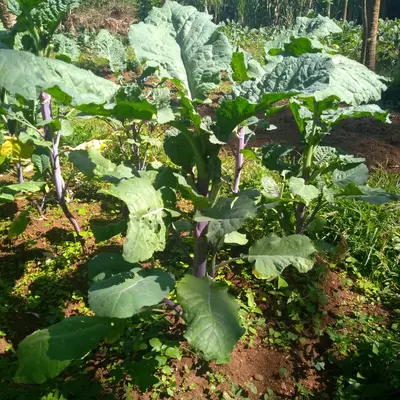
Amara
The attractive dark green leaves are gently savoyed with a scalloped margin; tender and succulent; and have a rich, savory flavor. Good in salads or as a cooked green. While technically a mustard, Amara is known as Ethiopian kale, Highland kale, Abyssinian mustard, and Texsel greens. Plant Variety Protected.
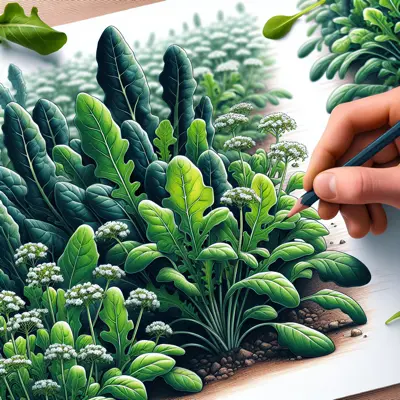
Arugula
Arugula is a fast-growing leafy green with slender, deeply lobed leaves that mature in just 10-15 days. This heirloom variety thrives in cool seasons and prefers full sun to partial shade. The distinctive peppery, nutty flavor with a slight bitterness and pungent kick makes it ideal for fresh salads, garnishes, and cooked dishes. Arugula's rapid maturity and ease of cultivation—combined with its bold, complex taste—distinguish it from milder lettuce varieties. It tolerates cool weather well and can be succession-planted for continuous harvests throughout the growing season.
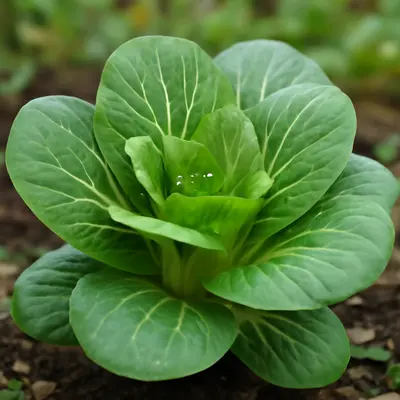
Asian Delight
Nice and dense, fully formed mini heads. Longer harvest window than most white-stem types. Suitable for spring, summer, and fall production. Winter cropping possible in mild areas. AAS Winner.
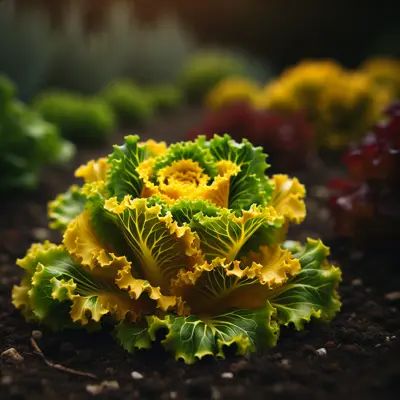
Australian Yellow Leaf
A rare and striking heirloom from Australia featuring unique golden-yellow leaves that create a stunning contrast in the garden and on the plate. This heat-tolerant loose-leaf variety produces tender, mild-flavored leaves that maintain their distinctive color throughout the growing season. The unusual coloration comes from natural breeding, not genetic modification, making this a conversation-starting addition to any heirloom garden.
Batavia
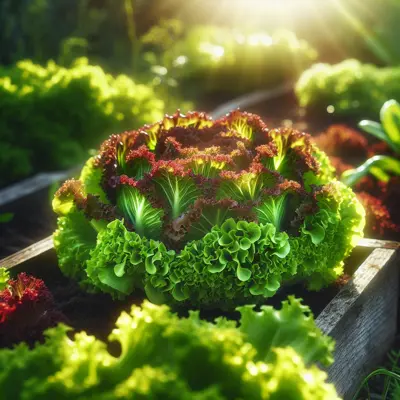
Batavia is a crinkled-leaf heirloom lettuce with a distinctive ruffled appearance and tender, frilly foliage that ranges from light to medium green. Maturing in approximately 47 days, this variety bridges butterhead and leaf lettuce characteristics, forming a loose head while maintaining the delicate texture of loose-leaf types. Its crisp, sweet flavor with nutty undertones and subtle mineral complexity makes it ideal for fresh salads and gourmet presentations. The crinkled leaves add visual appeal and pleasant texture contrast. Batavia thrives in cool-season gardens with full sun to partial shade and prefers rich, well-drained loam, making it accessible for both novice and experienced growers.
Bel Fiore
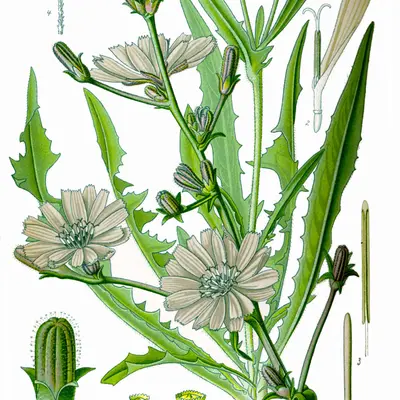
This Variegato di Lusia strain shows improved heading and consistent external and internal speckling in our trials. Although some heads will form very early, others will continue maturing over a long, 2-3 week period. Harvest when full but loose, like butterhead lettuce. Bel fiore, or "beautiful flower" in Italian, refers to how the heads can be displayed with centers opened to resemble a flower. Mild radicchio flavor in all seasons.
Bellezia
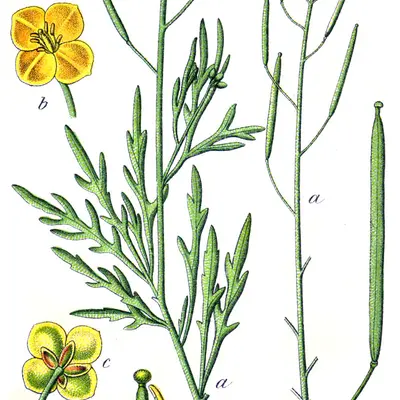
Leaves of Bellezia are darker green and more deeply lobed than Sylvetta, with a similar pungent flavor. In addition, the plant is more upright allowing for easier harvest. Organic seed is also available. Utility Patent granted.Edible Flowers: Harvest the yellow flowers as they appear. Sprinkle them over salads or add to vegetable stir-fries. Flavor is spicy and nutty. Popular choice for brightening up salad mixes.
Bibb
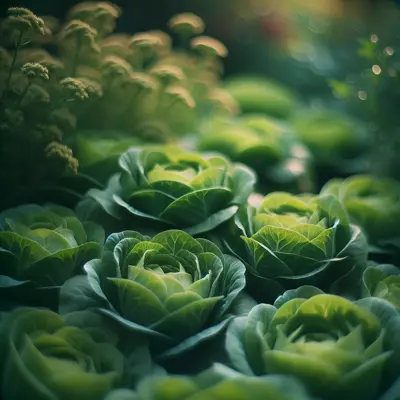
A classic American butterhead lettuce developed in Kentucky, prized for its exceptionally tender leaves and sweet, delicate flavor. The small, compact heads form perfect individual serving sizes with butter-soft texture that melts in your mouth. This gourmet variety is favored by chefs and home gardeners who appreciate premium salad quality.

Bingo
Belgian endive, or witloof, has a 2-stage production system to achieve the blanched heads (or "chicon") which are a venerated European delicacy and welcome off-season leafy vegetable. Bingo is a vast improvement over Totem, which it replaced, for its superior performance; more uniform root size across a wider range of soil types; improved strength against internal browning of the root core; and improved foliage health against powdery mildew. Early to intermediate forcing period. Bingo is ready shortly after a fall harvest in October/November and continues to store and force well into March.
Black Seeded Simpson
An early producer of light green, curled, tender leaves. MT0-30.

Black Summer
Broad, flat, light green petioles are topped with dark green oval-shaped leaves. Best for full size, but also suitable for mini heads. Slightly smaller in size (10-12") and a complement to the white-stemmed Joi Choi. Very slow-bolting.
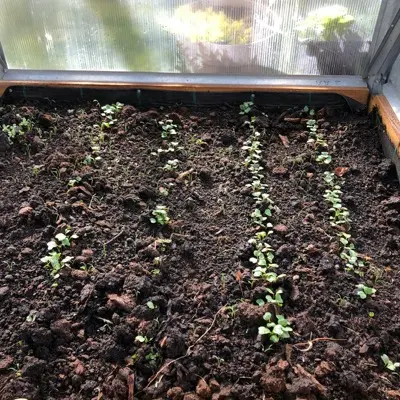
Buttercrunch
Johnny's produces Buttercrunch lettuce using the original stock seed from Cornell University. Forms a small, open but tightly bunched, 6" rosette that is fan-shaped rather than round. Dark green leaves and small compact hearts that blanch to an appetizing yellow color. Crisp and sweet. MT0-30.
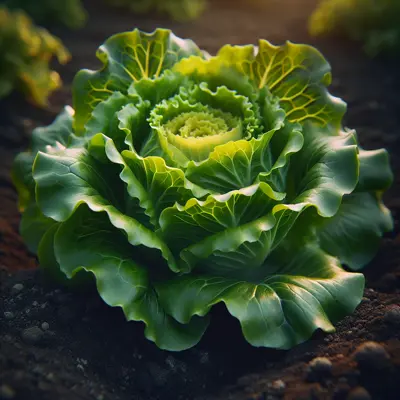
Buttercrunch Bibb
A premium butterhead lettuce that's been delighting gardeners for decades with its exceptional tenderness and sweet, buttery flavor. This variety forms perfect, compact heads with thick, succulent leaves that practically melt in your mouth. Heat-tolerant and bolt-resistant, Buttercrunch is ideal for gardeners who want restaurant-quality lettuce from their own backyard.
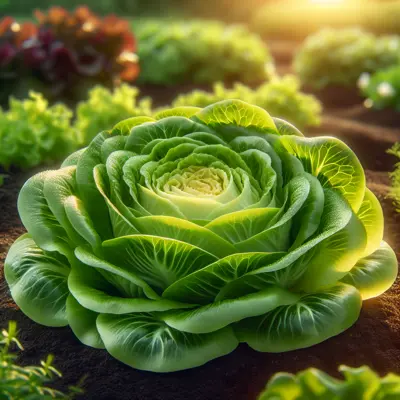
Butterhead Boston
A classic butterhead lettuce prized for its tender, buttery leaves and compact rosette formation. This reliable variety produces beautiful heads with soft, pale green outer leaves and a creamy yellow heart that's perfect for elegant salads. Boston lettuce is incredibly versatile and forgiving, making it an excellent choice for gardeners of all skill levels.
Canasta
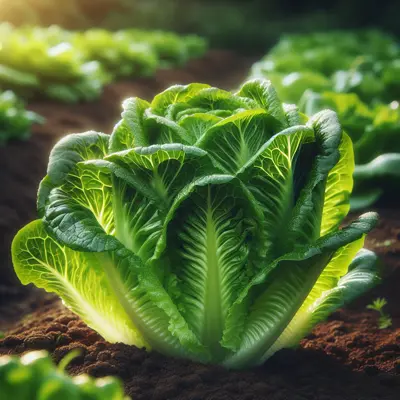
A premium romaine lettuce bred for exceptional sweetness and crisp texture, with thick, sturdy leaves perfect for Caesar salads. This variety forms tall, upright heads with excellent heart formation and superior bolt resistance. Professional chefs and home gardeners alike prize Canasta for its consistent quality and outstanding flavor that rivals the best restaurant lettuce.
Carlton
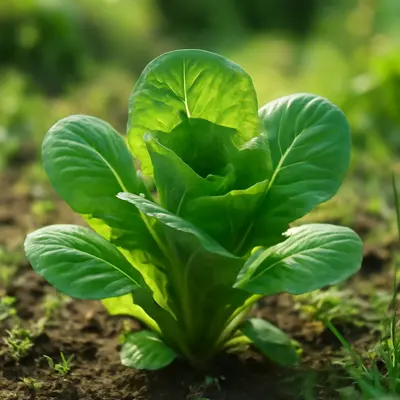
Compact plant with good heat and cold tolerance. Better uniformity and yield than open-pollinated varieties. Traditionally used in Japan either steamed and seasoned with soy sauce, or in stir fries and soups. It is also excellent braised or, at the baby leaf stage, used in salads.
Catalogna Special
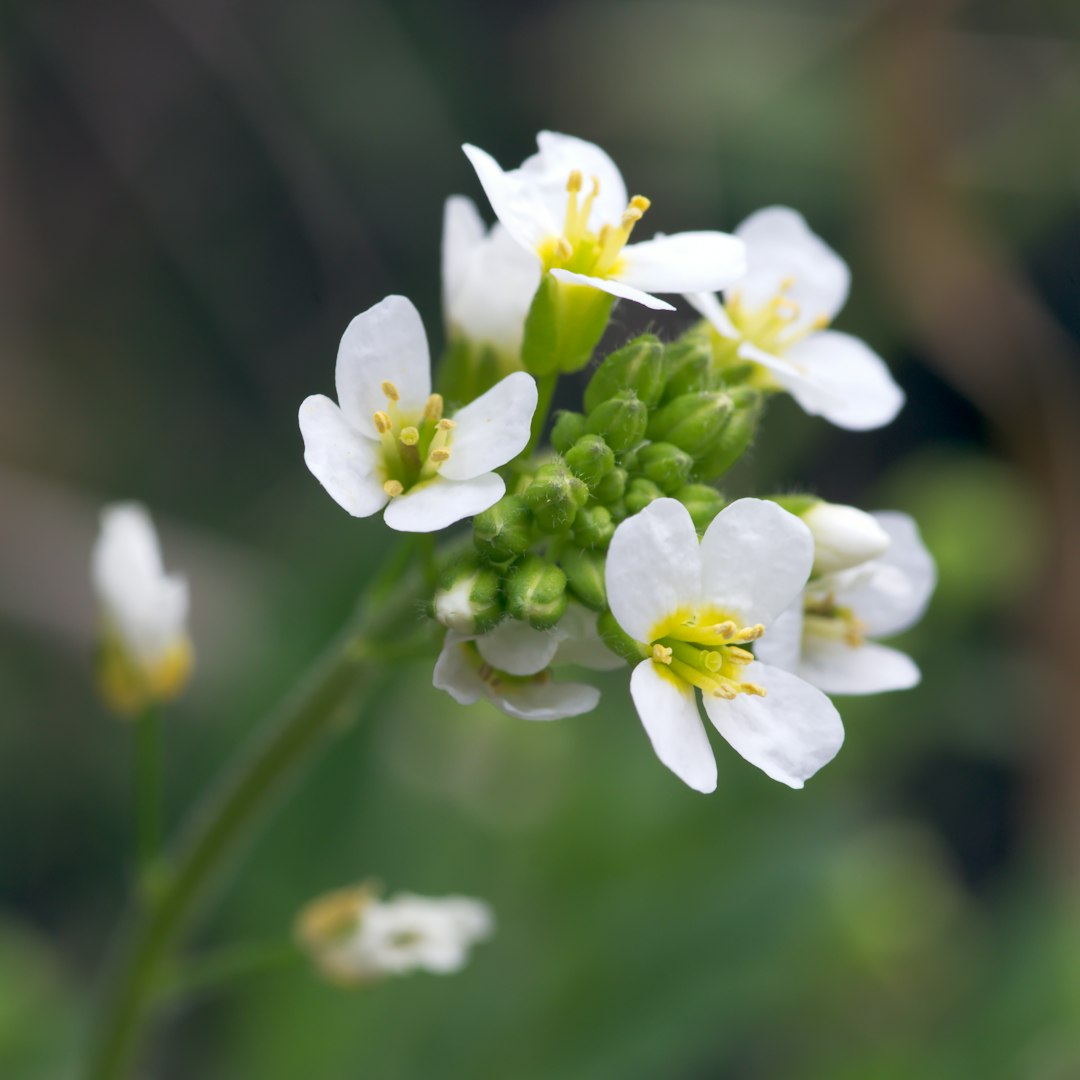
Uniform strain. At baby-leaf stage, leaves are narrow with subtle spikes along the margins and a thin petiole. At full size, leaves are long, deep green, slender, and deeply cut with white midribs.
Cheap Frills Mix
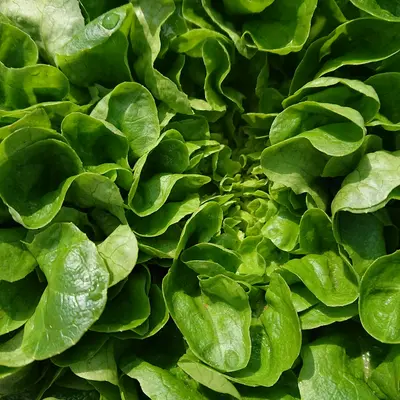
A colorful kaleidoscope of highly textured leaves that provides visual interest and excellent loft. An exceptional combination of textures, flavors, and colors. Includes red and green mustard, mizuna, and tatsoi. Varieties are subject to change depending upon availability.

Cimmaron Romaine
A striking red romaine lettuce that brings vibrant color and exceptional crunch to any garden or salad bowl. This heat-tolerant variety produces tall, upright heads with deep burgundy-red outer leaves and crisp, sweet hearts that maintain their color even in warm weather. Cimmaron offers both visual appeal and outstanding flavor, making it a favorite among gardeners who want something special.
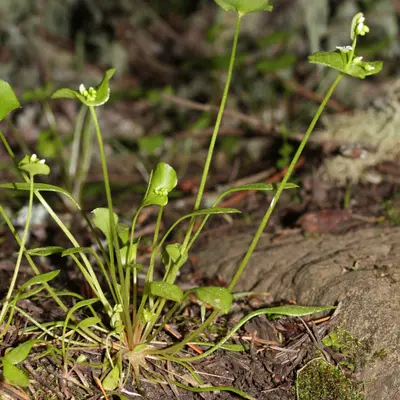
Claytonia
Quantities of heart-shaped leaf pairs, each "wrapped" around a white-flowered stem. Can tolerate moderate frost and can be grown all winter in mild regions or in cold greenhouses. The taste of the young leaves is wild and fresh. Suitable for multiple cuttings. Also known as miner's lettuce.
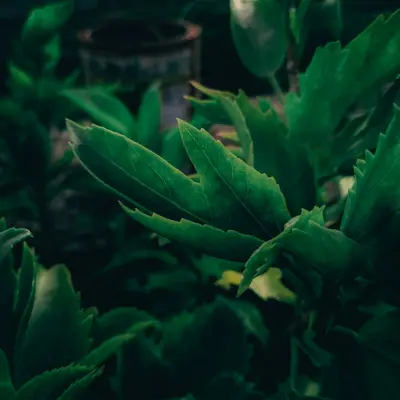
Clio
This attractive upright variety delivers a high marketable yields. Suitable for multiple harvests as it resists bolting during regrowth.
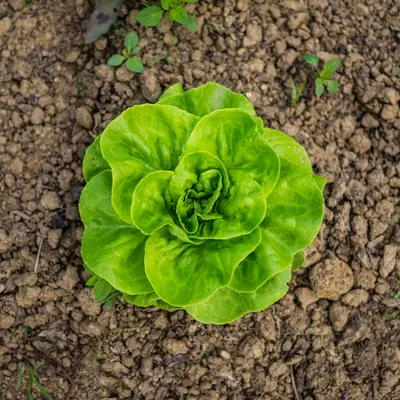
Clodia
Plants are upright and leaves stay narrow for a long harvest window. Strap leaves with ruffled margins add loft and mildly bitter flavor to salad mixes. For baby leaf only.
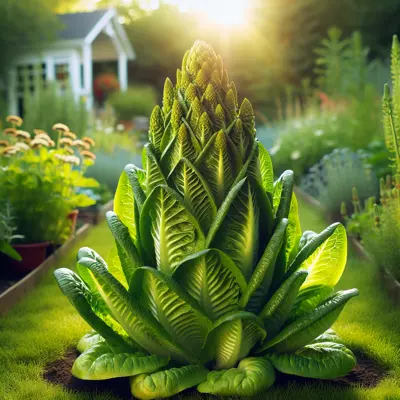
Coastal Star
The large, heavy heads are dark green. Heat tolerant. Suitable for marketing as full heads or romaine hearts. Good, sweet flavor. MT0-30. Also available with NOP-compliant pelleting.
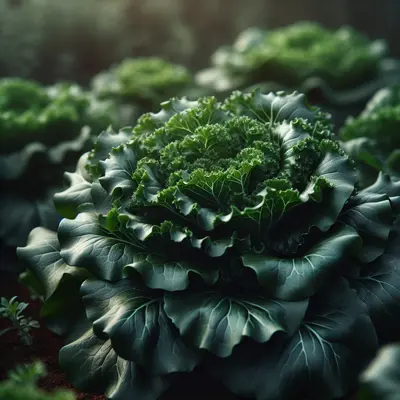
Concept
A premium loose-leaf lettuce that produces an abundance of deeply lobed, oak-shaped leaves with exceptional heat tolerance and slow bolting characteristics. This variety offers continuous harvest potential throughout the growing season, with leaves that maintain their tender texture and mild flavor even in challenging weather. Concept is perfect for gardeners who want a reliable, productive lettuce that keeps giving all season long.
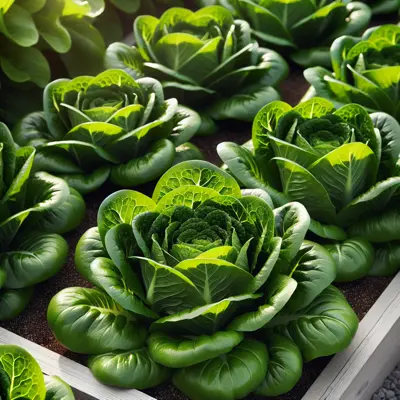
Crisp Mint Romaine
A premium romaine variety bred for exceptional crispness and sweet flavor, living up to its name with refreshingly tender leaves that stay crisp even in summer heat. This modern hybrid combines the best traits of traditional romaine with improved bolt resistance and uniform head formation. The compact size makes it perfect for small gardens while delivering restaurant-quality lettuce for gourmet salads.
Curlesi
Strong tipburn and bolt tolerance with a self-blanching, upright growth habit. Most adaptable to spring/summer planting but suitable year-round. High-yielding and easy to harvest. Also available in organic seed or with NOP-compliant pelleting.
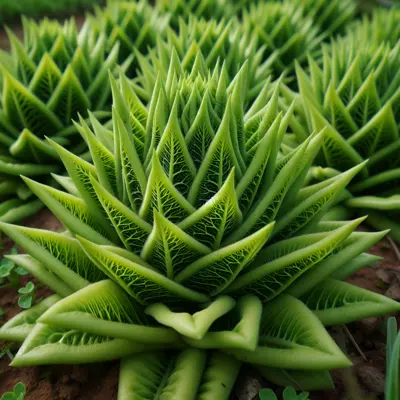
Deer Tongue
An heirloom with unique, narrow, tongue-shaped leaves. Pointed, buttery leaves have a crunchy rib and excellent flavor. Slow to bolt. MT0-30.

Elegance Greens Mix
Colors range from dark- and bronze-red to shades of green. The combination of flavors and textures makes this a beautiful salad. This mix includes pac choi, red mustard, and mizuna. Varieties are subject to change depending upon availability.
Fiero
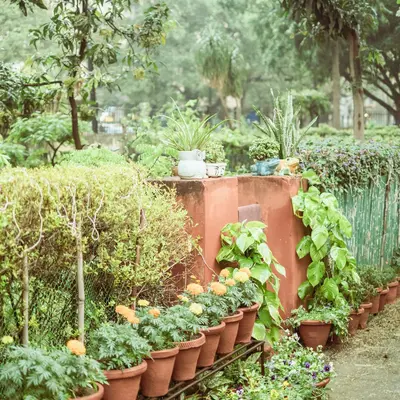
Fiero's deep maroon heads with contrasting white ribs are 7-8 1/2" tall and impressively early. Good uniformity and sure-heading ability offers superior yield potential. Best for fall production. Also available in organic seed.
Freckles
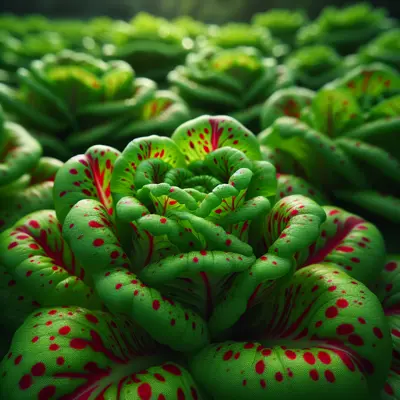
An eye-catching Austrian heirloom romaine lettuce adorned with distinctive red speckles scattered across bright green leaves like freckles on skin. This unique variety combines stunning visual appeal with excellent bolt resistance and sweet, tender flavor. A conversation starter that performs beautifully in both spring and fall gardens.
Garnet Giant
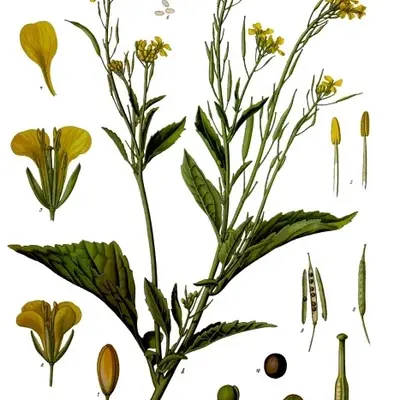
Broad purple leaves with gently scalloped margins. Color appears early on young leaves, especially in spring and fall. Mild flavor. Somewhat quick to bolt. Plant densely so leaves remain a proper size for baby leaf and petioles elongate for easy harvest. Also available in organic seed.
Giorgione
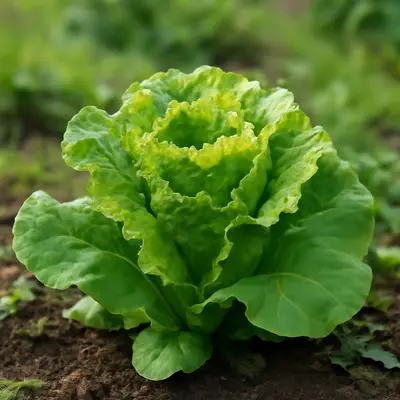
Dense, compact Castelfranco type. Attractive internal speckling intensifies in fall and is sometimes visible on wrapper leaves. Speckling and leaf shape can be variable, but Giorgione is reliably early and holds well in the field. Unlike the milder Bel Fiore, Giorgione balances classic chicory bitterness with pleasant sweetness, especially in fall.
Golden Frills
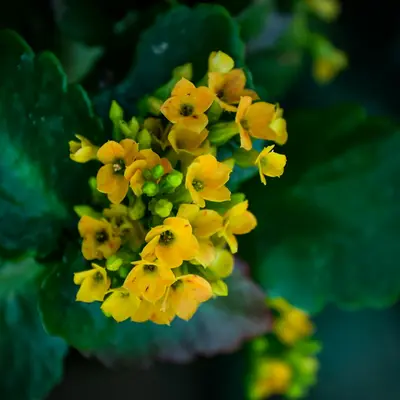
The finely lobed, ruffled leaves offer a unique look for adding loft and flavor to salads. Delicious, pungently sweet and spicy flavor. Also available in organic seed.
Grand Rapids
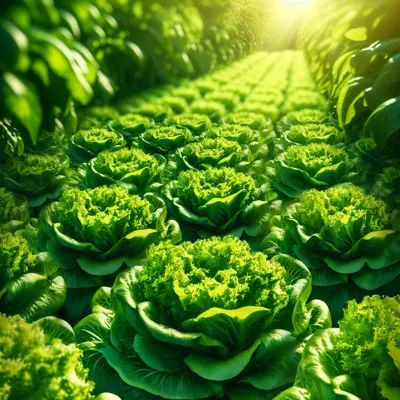
A time-tested heirloom loose-leaf lettuce that has been feeding families since 1888 and remains one of the most reliable varieties for beginning gardeners. Its deeply curled, bright green leaves are incredibly easy to grow and harvest, producing continuously when cut properly. This variety thrives in almost any condition and rarely bolts, making it perfect for hot climates and extended harvests.
Great Lakes
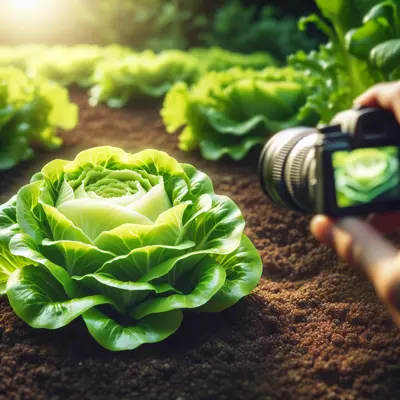
A classic crisphead lettuce that delivers the satisfying crunch of iceberg but with better heat tolerance and garden performance. This reliable variety forms dense, well-blanched heads with crisp, sweet leaves that stay fresh longer than most lettuce types. Perfect for gardeners who want that classic lettuce experience without the challenges of growing true iceberg varieties.

Green 70 D Improved
Very similar to Gunsho, just a few days later to mature. Choi sums are among the most popular vegetables in Hong Kong, Taiwan, and China. The stems are a vibrant bright green, very sweet and tender, and are usually harvested just before, or as the first few buds are opening. The stems regrow for cut-and-come-again harvest. Excellent in stir-fries, steamed, or in soups.
Green Giant
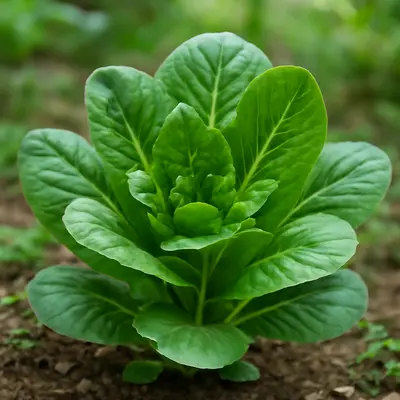
Broad, slightly cupped, rounded leaf. Faster growing and less-cupped leaf than Koji. Wider leaf, shorter petiole, and faster than Carlton. Komatsuna is similar to tatsoi, but has a denser, less juicy texture.
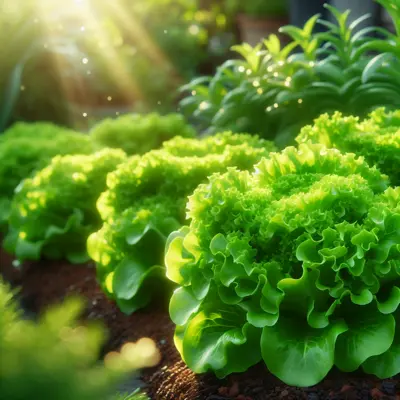
Green Leaf
A reliable, fast-growing loose-leaf lettuce that's perfect for beginners and continuous harvesting. The tender, ruffled green leaves provide mild, sweet flavor and can be harvested leaf by leaf for weeks of fresh salads. This heat-tolerant variety is ideal for succession planting throughout the growing season.
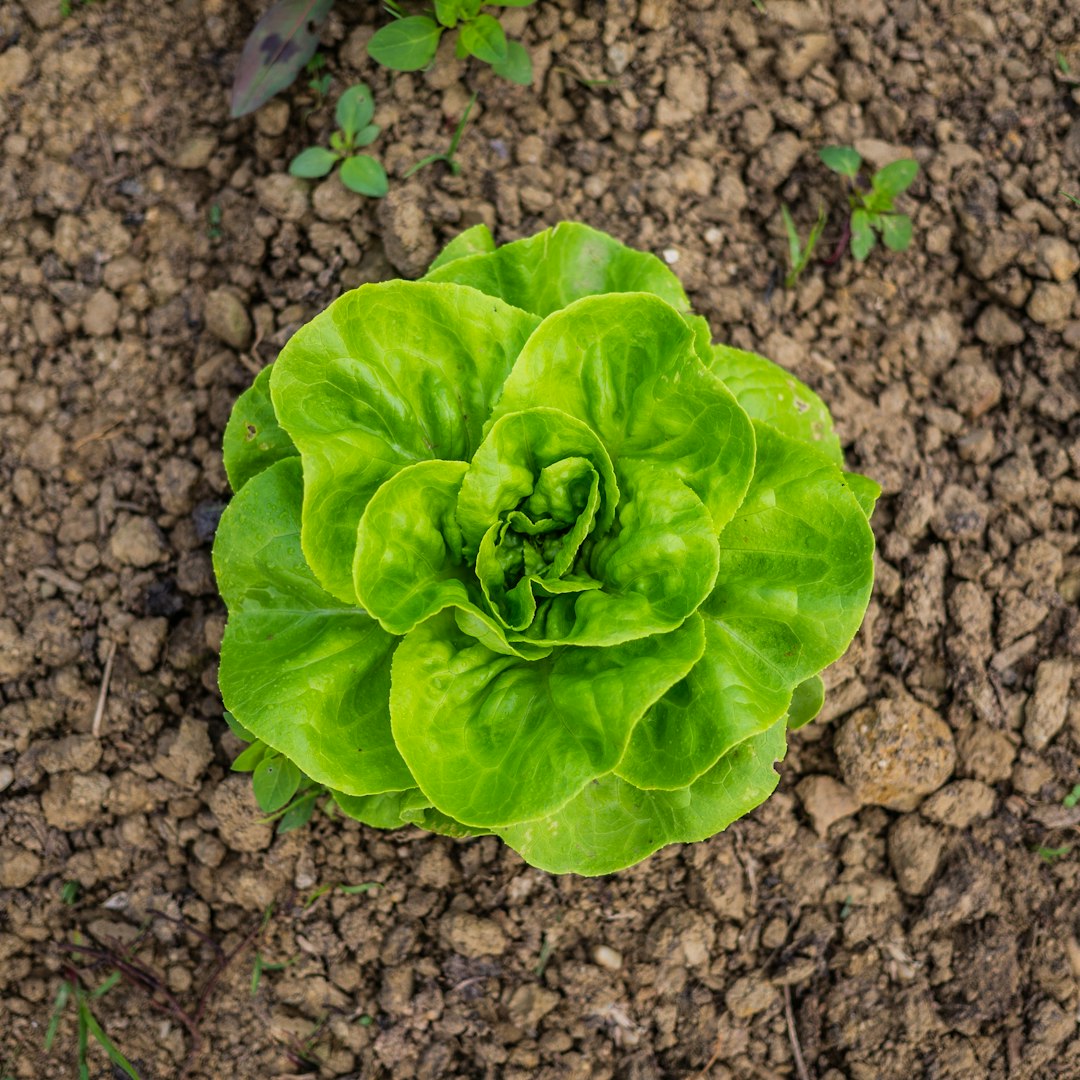
Hon Tsai Tai
Hon Tsai Tai is an heirloom Asian mustard green with tender, dark green leaves and delicate stems that form loose bunches. Ready to harvest in approximately 37 days, this versatile variety thrives in full sun to part shade conditions. Hon Tsai Tai stands out for its mild, pleasant mustard flavor balanced with a surprisingly tender texture, making it equally suitable for raw salads or cooked applications like stir-fries and braising. The thin stems and leaves remain tender even at maturity, distinguishing it from tougher mustard varieties and appealing to growers seeking a more approachable Asian green.
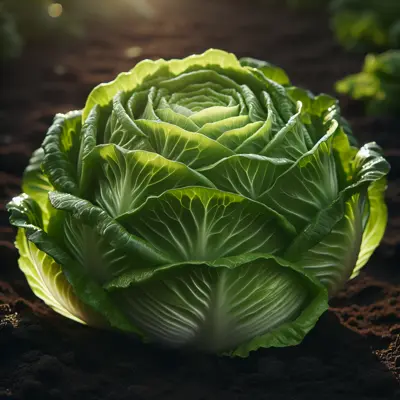
Iceberg
The quintessential American head lettuce that forms tight, dense heads of crisp, pale green leaves with unmatched crunch and refreshing flavor. While challenging to grow perfectly, successful heads reward gardeners with the ultimate salad lettuce that stays fresh for weeks and provides that signature satisfying crunch. This variety requires patience and proper timing but delivers restaurant-quality results when grown correctly.
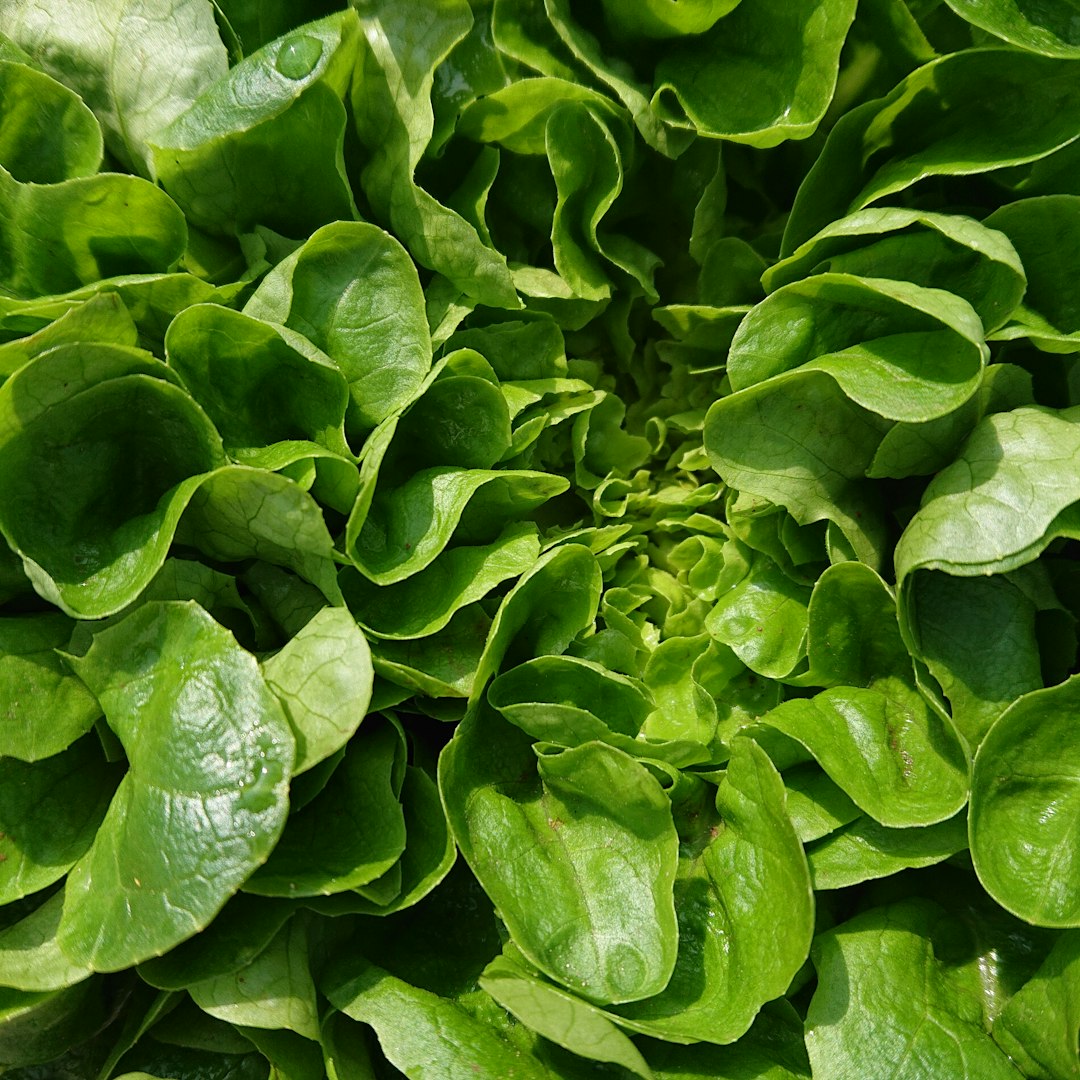
Indigo
Indigo has been the most reliable radicchio in both our hot- and cool-weather trials. It is remarkably sure-heading, very tolerant to tipburn, and resistant to bottom rot. The firm, 4-5" diameter heads are a nice burgundy color with good flavor. For spring, summer, and fall production. Also available with NOP-compliant pelleting.
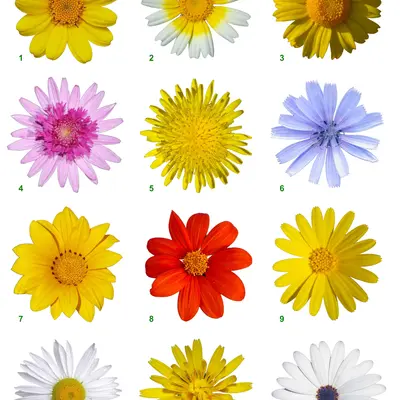
Italiko Red
This Italian dandelion has bold red stems and midribs for vibrant contrast. Deeply lobed leaves with classic bitter flavor. Good cold tolerance. Shows some variation in plant habit, leaf shape, and color.
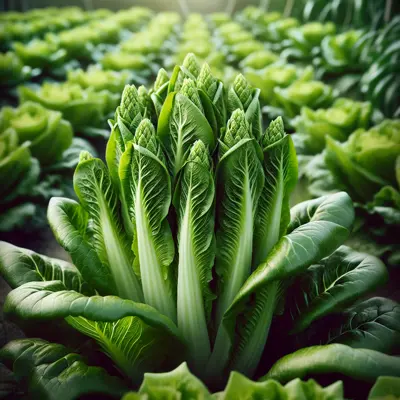
Jericho
Attractive, fast-growing, bright green lettuce for baby leaf. Seed densely for narrower petioles and leaves. Sometimes grown as a full-size head. Tolerant to both heat and tipburn. MT0-30.
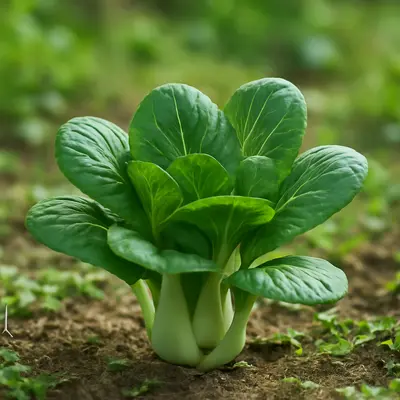
Joi Choi
Joi Choi forms a 12-15" tall, broad, heavy plant with dark green leaves and thick, flattened white petioles. Tolerant to heat and cold. Space 10-12" apart.

Kalebration Kale Mix
A brilliant blend of rich greens and reds that shows deep color contrast in all growing slots. Striking the right balance of colors and textures, this mix can be marketed on its own or added to baby leaf lettuce. Strong regrowth allows for cut-and-come-again harvesting. Selected for baby-leaf production. Varieties are subject to change depending upon availability.
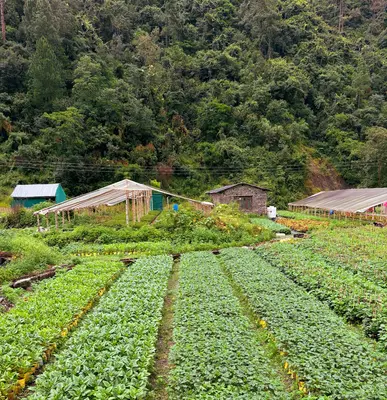
Koji
Cupped, heavy leaves are beautifully savoyed and borne on long, elegant stems. Heat and cold tolerant for all-season production. Mild flavor and crunchy texture. Striking paired with Red Cloud at full size. Space 12" apart for full-size heads.
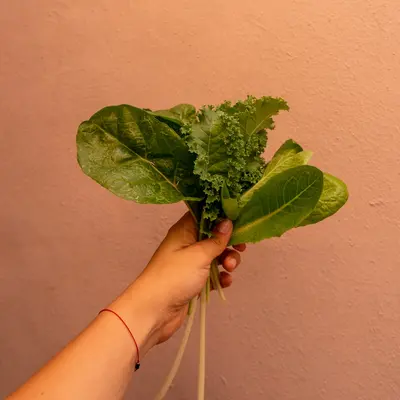
Leonardo
Chioggia type chicory with dense, 4-5" diameter heads. The flavor and bright purple color are both enhanced in the cooler fall weather. High bolt tolerance. Also available in organic seed.
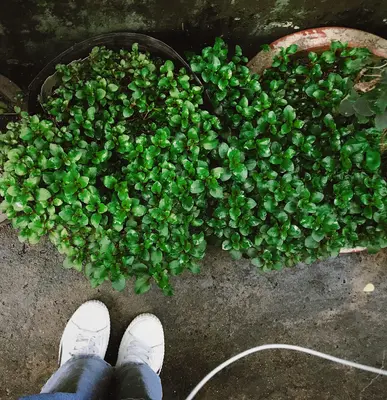
Li Ren Choi
Unlike most green-stemmed pac chois, heads are proportional and filled out at the true baby size. This smaller size results in quicker kitchen prep - simply cut in halves or quarters and cook. For mini-head production only, as heads will not become large.
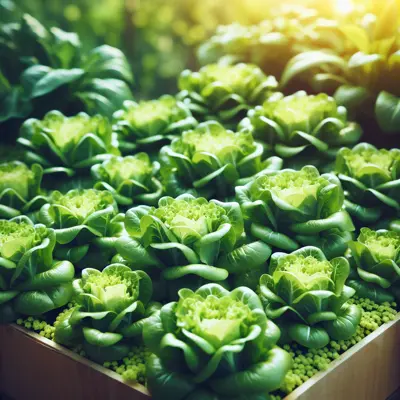
Little Gem
A uniform strain of an old French variety renowned for its buttery texture and sweet flavor. Exceptionally quick to close and blanch internal leaves. Heavily savoyed leaf. Pairs well with Rosaine and Cegolaine. Does not hold in the field as long as Newham. MT0-30. Also available with NOP-compliant pelleting.

Little Shanghai
A baby pac choi that is truly proportional at mini size. Uniform, stout plants with green leaves and petioles. Shorter plant with a wider frame than Li Ren Choi. Good for direct seeding or transplanting. Slow bolting.
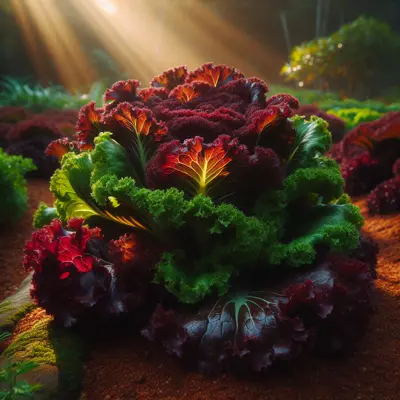
Lolla Rossa
A stunning Italian heirloom loose-leaf lettuce that transforms any garden into a work of art with its deeply frilled, burgundy-red edges fading to bright green centers. This heat-tolerant beauty maintains excellent flavor even in warm weather, making it perfect for extended harvests. The dramatic color and texture make it as valuable for ornamental plantings as it is for the salad bowl.
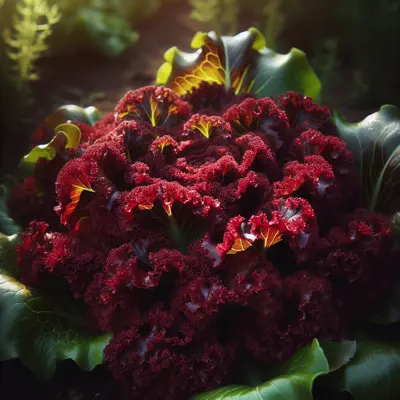
Lollo Rosso
An Italian heirloom that brings European flair to the home garden with its spectacular burgundy-red frilly leaves and compact growth habit. This loose-leaf variety is prized by chefs worldwide for its beautiful appearance and slightly bitter, sophisticated flavor that adds complexity to salad mixes. The deeply curled leaves create an almost flower-like appearance, making it as ornamental as it is edible.
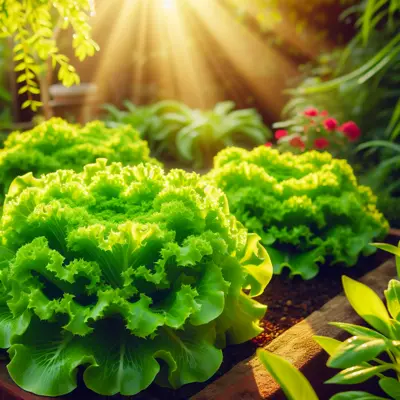
Loose Leaf Green Grand Rapids
A classic loose-leaf variety that's been a garden favorite since the 1800s, prized for its reliability and heat tolerance. This fast-growing lettuce produces abundant, frilly green leaves with excellent flavor and crisp texture. Perfect for continuous harvest and ideal for beginners who want guaranteed success.
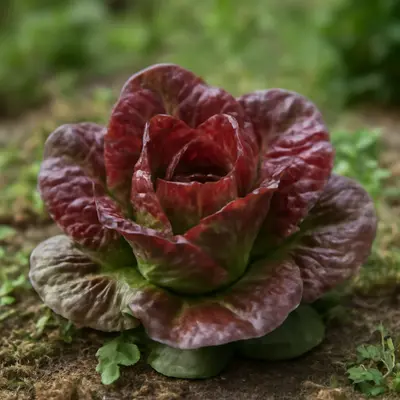
Luna Rossa
Improved Costarossa type with better color expression, more uniform plants, and less susceptibility to tipburn. Unique rib color ranges from pink to dark red. In the North, slot for late fall harvest. In the South, grow during winter or overwinter. Not suitable for spring planting.

Mâche (Corn Salad)
This versatile, vigorous, mildew-resistant variety is excellent at a time of year when greens become scarce. Long, oval, glossy green leaves form tight rosettes. Mild, slightly nutty flavor also reminiscent of roses. Also known as mâche, lamb's lettuce, and corn salad. Unsized seed.

Mascara
A stunning red oakleaf lettuce with deeply lobed leaves that transition from green to burgundy red at the tips. This European variety brings both beauty and flavor to the garden, with tender leaves that have a subtle nutty taste. The dramatic coloring intensifies in cool weather, making it perfect for fall gardens and adding visual interest to any salad.
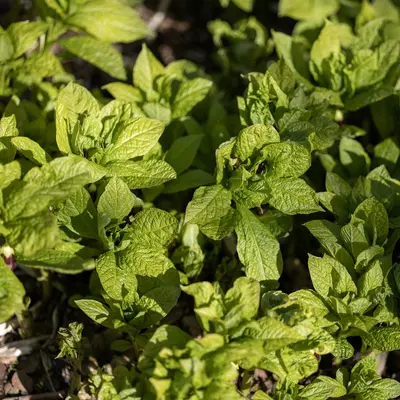
Mei Qing Choi
Flat, pale, misty-green stems form a thick, heavy base with broad, oval, rich green leaves. The compact vase-shaped plant at full size is about 8-10" tall, but also well-formed at mini size when young. Good bolt, heat, and cold tolerance.
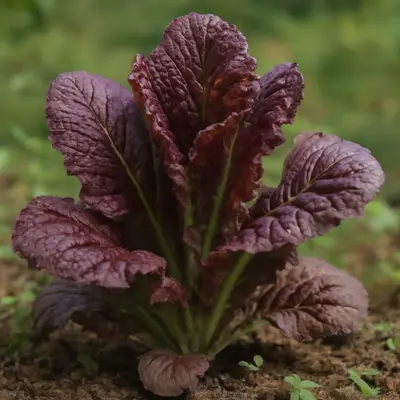
Miz America
Delicate, toothed leaves are dark red on both sides for a striking addition to salad mixes. Uniform leaf size and shape, with a mild flavor.
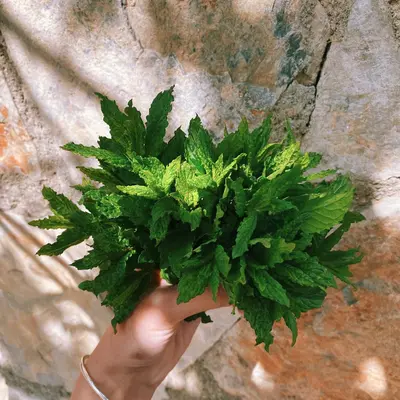
Mizuna
Mizuna is a delicate Japanese mustard green with feathery, finely dissected fronds that create an elegant, frilly appearance. It matures quickly in just 18 days, making it ideal for fast-growing spring and fall crops. Unlike heavier lettuce varieties, mizuna's defining characteristic is its mild, slightly peppery bite paired with a tender, refined texture. The wispy leaves add visual interest and sophisticated flavor complexity to salads, stir-fries, and Asian dishes. Its heirloom status reflects generations of cultivation for its unique aesthetic and palate appeal.
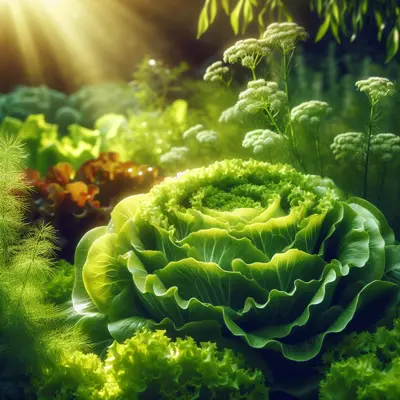
Muir
The slowest to bolt in our summer trials. Technically a Batavian type, the light green extra-wavy leaves form dense heads at a small size and can be harvested as a mini or left to bulk up into large, heavy, full-size heads. The leaves are crisp and have excellent flavor. Suitable for hydroponic systems. Utility Patent granted. MT0-30. Also available with NOP-compliant pelleting.
Nevada
A heat-warrior among lettuces, Nevada batavian was specifically bred to thrive in hot, challenging conditions where other varieties fail. This sturdy variety produces large, thick, savoy-textured leaves that stay sweet and crisp even in summer heat. The ultimate lettuce for gardeners in hot climates who thought they couldn't grow lettuce in summer.
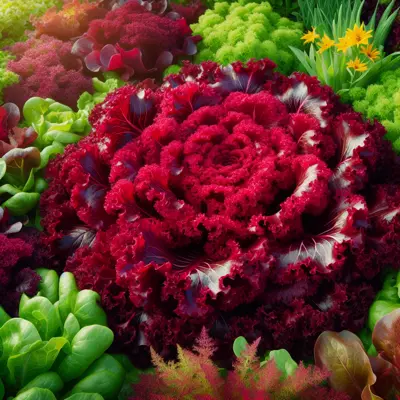
New Red Fire
New Red Fire is relatively slow, but produces uniform, heavy heads of brightly colored, frilly leaves. MT0-30. Also available with NOP-compliant pelleting.
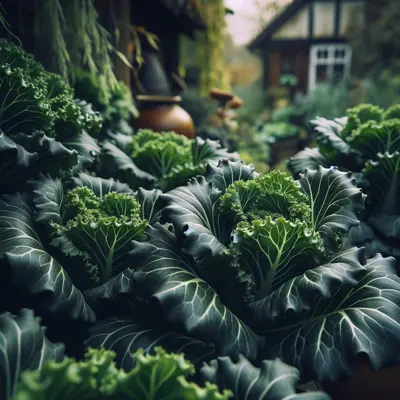
Oak Leaf
An elegant loose-leaf lettuce with distinctive deeply-lobed leaves that resemble oak tree foliage, adding visual interest to both garden and salad bowl. This heat-tolerant variety offers exceptional flavor with tender, buttery leaves that never become bitter, making it perfect for continuous harvest throughout the growing season. The unique leaf shape and reliable performance make it a favorite among both novice and experienced gardeners.

Paris Island Cos
The gold standard for romaine lettuce, this heat-tolerant variety produces tall, upright heads with crisp, dark green outer leaves and sweet, crunchy hearts. Developed for reliability in challenging conditions, Paris Island Cos consistently delivers the classic romaine experience that Caesar salad lovers crave. Its exceptional bolt resistance makes it perfect for extending the growing season into warmer months.

Parris Island Cos
The gold standard romaine lettuce that has been the backbone of American Caesar salads since 1952, developed specifically for hot, humid Southern growing conditions. This heat-tolerant variety produces tall, upright heads with thick, crunchy ribs and dark green outer leaves that blanch to creamy yellow hearts. Known for exceptional bolt resistance and reliable performance, it's the romaine that succeeds where others fail in challenging climates.
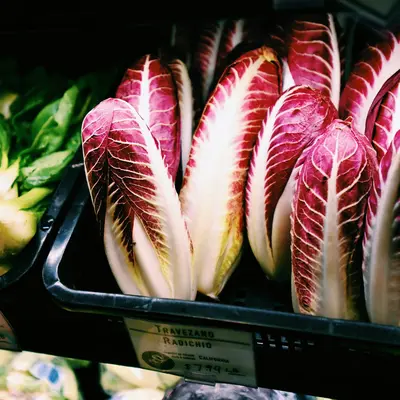
Perseo
Smaller heads, 3-4", allow for planting at higher densities. Uniform size and maturity.
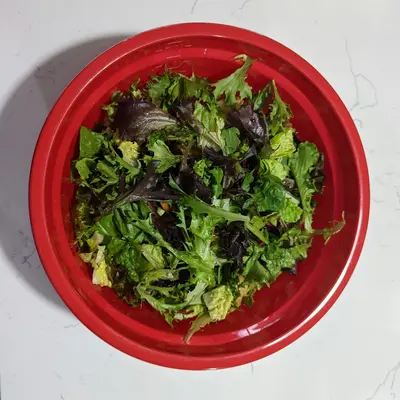
Premium Greens Mix
An amazing palette of greens and reds in an array of leaf shapes and textures. The flavors are equally diverse - spicy to mild to slightly sweet. Includes red mustard, red mizuna, green mustard, Chinese cabbage, and tatsoi. Varieties are subject to change depending upon availability.
Prizehead
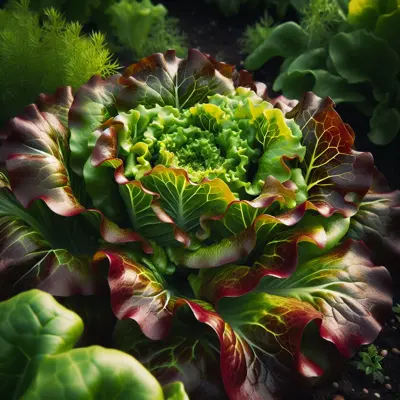
A stunning loose-leaf heirloom that's as beautiful as it is delicious, featuring large bronze-red tinged leaves that create a dramatic display in any garden. Dating back to the 1880s, this heat-tolerant variety produces abundantly in warm weather when other lettuces fail, making it indispensable for summer growing. The tender leaves have a mild flavor with just a hint of sweetness, perfect for adding color and nutrition to salads.
Red Baron Plus
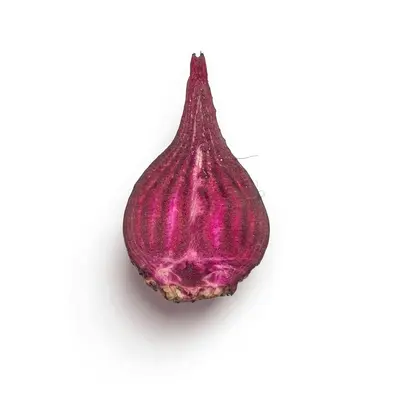
Narrow serrated leaf with red front and green back. Distinctive from similar types: different leaf shape and color than Red Kingdom, our purple mizuna; and faster growing than Miz America, our serrated red mustard.
Red Cloud
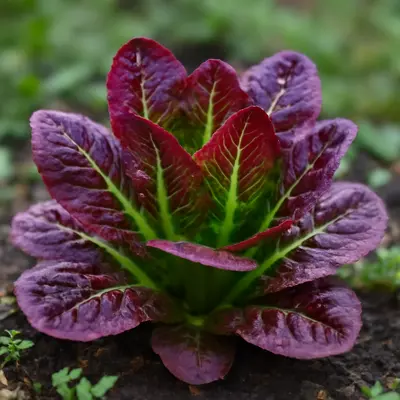
Very uniform and upright with beautifully cupped and rounded leaves. Mild flavor, deep color, and a juicy, crunchy texture. Maintains baby-leaf size for extended harvest window. Can also be grown to full size where it pairs with Koji for striking bunches. Thin to 8-12" apart for full-size heads.
Red Express Cos
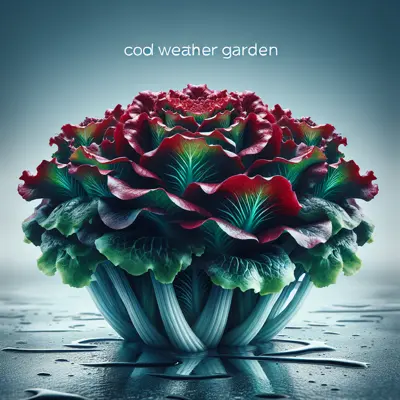
A fast-maturing romaine lettuce with striking red-tinged leaves that intensify in cool weather, creating a beautiful gradient from green to deep red. This variety combines the classic crisp texture and sweet flavor of romaine with ornamental appeal and quick harvest times. Perfect for impatient gardeners who want both beauty and speed in their lettuce patch.

Red Giant
Red Giant is a striking heirloom lettuce variety prized for its deep burgundy leaves with tender texture. Reaching maturity in just 21 days, it thrives in full sun to partial shade and adapts well to various growing conditions. This variety's defining characteristic is its distinctive peppery, mustard-like flavor that sets it apart from conventional lettuces. The tender leaves make it excellent for fresh salads, where the bold color and spicy notes create both visual appeal and complex taste. Red Giant is exceptionally easy to grow, making it ideal for gardeners of all skill levels.
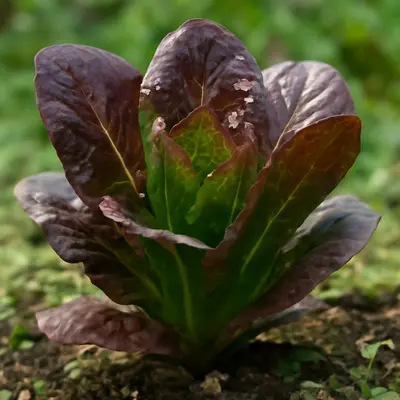
Red Kingdom
Gently scalloped margin on a broad, deeply colored leaf. Mild flavor. Underside of leaf is light green with striking dark purple veining. AAS Winner.
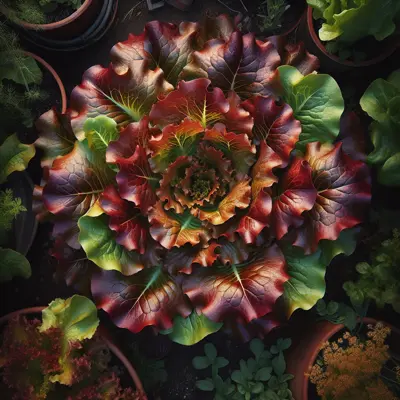
Red Leaf Lettuce
Red Leaf Lettuce is a visually striking heirloom variety with deeply ruffled, burgundy-tinged leaves that add color and texture to salads and plates. Reaching maturity in approximately 50 days, this loose-leaf variety forms open rosettes rather than tight heads, allowing for cut-and-come-again harvesting. Its tender leaves deliver a mild, sweet flavor with no bitterness, making it ideal for fresh eating and culinary applications where delicate texture matters. The distinctive red coloring intensifies in cool weather, and the frilly leaf margins provide appealing visual contrast in mixed greens preparations.
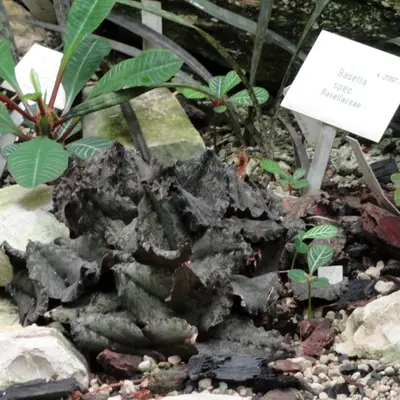
Red Malabar Spinach
Vigorous climbing vines grow through summer into fall. Glossy, thick, savoyed leaves resemble spinach. Dark green leaves and deep red/purple stems. Mild Swiss chard taste. Use leaves and young stems sparingly in salads or stir-fries.
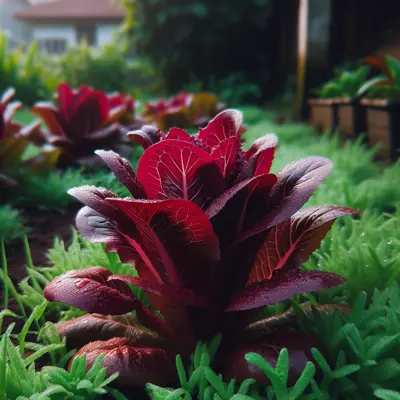
Red Romaine
A stunning twist on classic romaine lettuce with deep burgundy-red leaves and contrasting green hearts. This beautiful variety offers the same crisp texture and sweet flavor as traditional romaine while adding dramatic color to salads and garden beds. Perfect for gardeners who want both visual appeal and exceptional taste.

Red Sails
Attractive, ruffled, fringed leaves of deep burgundy red over green. AAS Winner. MT0-30.
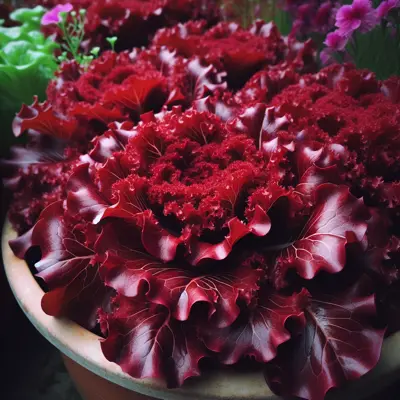
Red Salad Bowl
The stunning burgundy-red counterpart to the famous Green Salad Bowl, featuring the same deeply-lobed oak leaves but with gorgeous wine-red coloration that intensifies in cool weather. This loose-leaf variety provides continuous harvests while adding dramatic color contrast to salads and garden beds. The tender leaves maintain their sweet flavor even as the red pigmentation deepens with maturity.
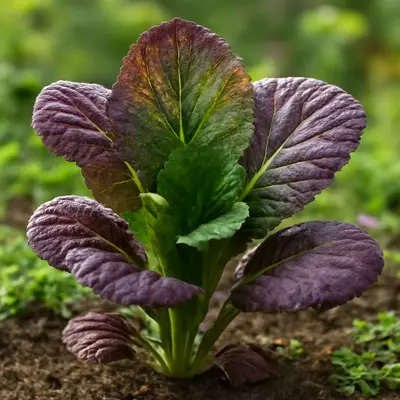
Red Splendor
Very slow-bolting plants hold their color in hot weather, making this variety a good choice for summer production. Hot, mustardy flavor. Plant at high density to keep from becoming oversized.
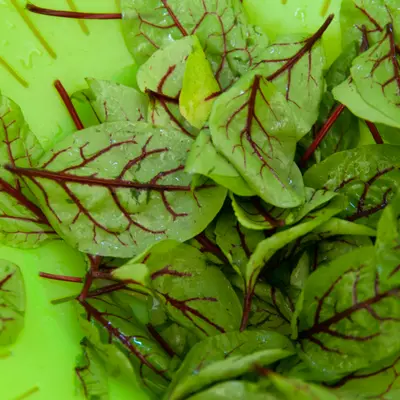
Red Veined Sorrel
Bright green leaves with contrasting, dark maroon stems and veins. Same sharp, tangy flavor as regular sorrel. Best variety for indoor production. Best when harvested young for salad mix as large leaves are tough. Also available in organic seed.
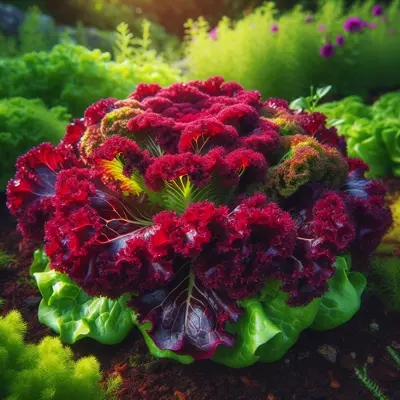
Red Velvet
A stunning loose-leaf variety that brings dramatic burgundy-red color to the garden and gourmet appeal to the table with its deeply ruffled, almost frilly leaves. This heat-tolerant beauty maintains its vibrant coloration even in warm weather while delivering exceptional flavor with tender, sweet leaves that add both visual impact and culinary excellence to any salad mix. The combination of ornamental beauty and outstanding performance makes it a standout choice for edible landscaping.
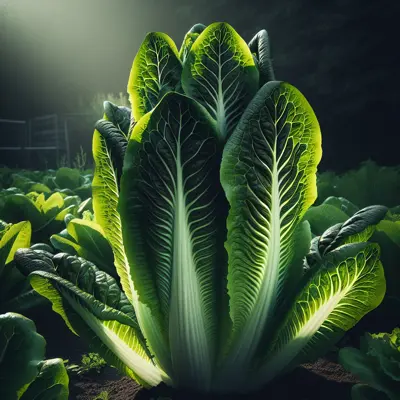
Romaine Cos
The classic upright lettuce that forms tall, sturdy heads of dark green leaves with prominent white ribs and exceptional crunch. This traditional variety has been cultivated for over 2,000 years and remains the gold standard for Caesar salads and Mediterranean cuisine. Its robust structure and intense flavor make it indispensable for gardeners who want restaurant-quality lettuce at home.
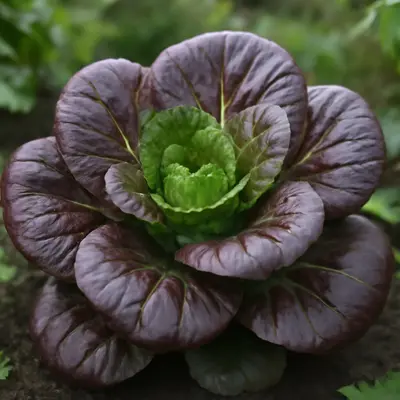
Rosie
12" tall plants are vase-shaped with bright red leaves and greenish-red stems. Good for mixed packs with green- or white-stemmed pac chois. Also excellent as a baby leaf.

Rouge d'Hiver
An old French romaine variety with medium-red tinted leaves and excellent flavor. Good regrowth. Tolerant to cold, but avoid hot weather. MT0-30.

Ruby Red Orach
Leaves are deep purple and have a spinach-like flavor. NOTE: Expect a small percentage of all-green plants.
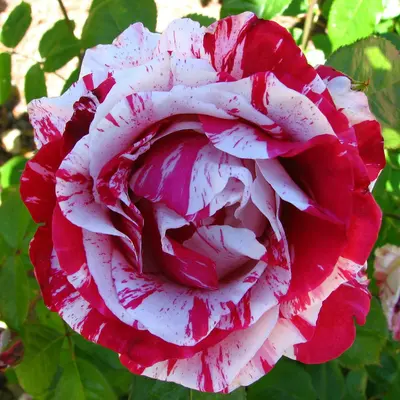
Ruby Streaks
Fine, deeply incised leaves. The color ranges from dark green with red veins to dark maroon, with the maroon color darker when grown without row cover and in cooler weather. The flavor is mild and slightly pungent.
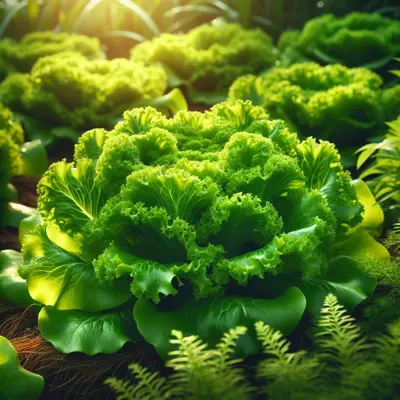
Salad Bowl Green
An exceptional loose-leaf variety that won the All-America Selections award for its outstanding performance and unique deeply-lobed, oak-like leaves. This vigorous grower provides continuous harvests throughout the season and rarely bolts, making it perfect for cut-and-come-again harvesting. The frilly, decorative leaves add both beauty and nutrition to any garden or salad bowl.
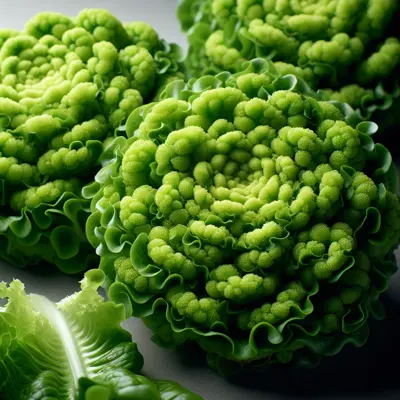
Salanova Green Crispy
A revolutionary modern hybrid that transforms salad preparation with its innovative multi-leaf technology - one cut at the base yields perfectly sized, ready-to-eat leaves without waste. This compact variety produces dense heads packed with crispy, uniform leaves that maintain excellent texture and freshness longer than traditional lettuce types. Perfect for busy gardeners and commercial growers who want maximum efficiency and consistent results.
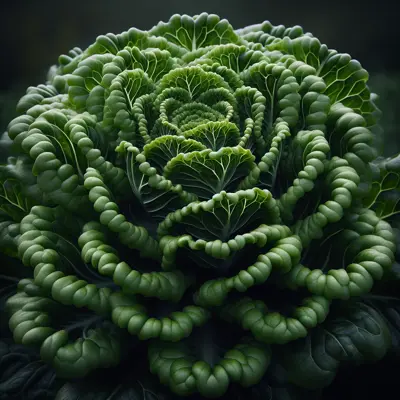
Salanova Green Oakleaf
A revolutionary multi-leaf lettuce that produces dozens of individual leaves from a single cut, eliminating tedious leaf-by-leaf harvesting. This innovative breeding breakthrough combines the classic oakleaf shape and mild flavor with incredible convenience – one head yields enough perfectly sized leaves for an entire salad. The compact, uniform plants are ideal for small gardens and containers while delivering restaurant-quality results.

Salanova Red Butter
A revolutionary multi-leaf lettuce that produces 16-20 individual leaves from a single cut, making harvest incredibly efficient and waste-free. The tender, red-tinged butterhead-type leaves offer premium texture and sweet flavor while the innovative breeding ensures every leaf is perfectly sized for salads. This modern variety combines convenience with gourmet quality.

Scarlet Frills
Spicy green and red, intricately lobed and ruffled leaves add flavor and loft to your salad mix. Slow bolting. Darker red in cooler weather.
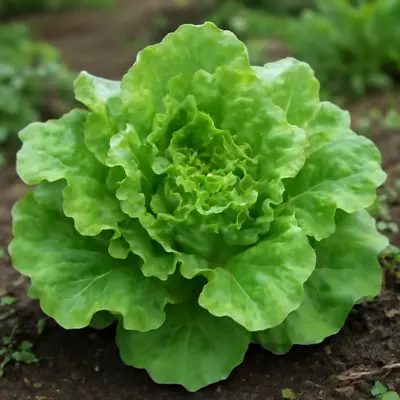
Sempre Bianca
Soft, mildly flavored leaves provide excellent loft and color contrast to mixes. Narrow petioles for a long harvest window. Fast growing and upright.
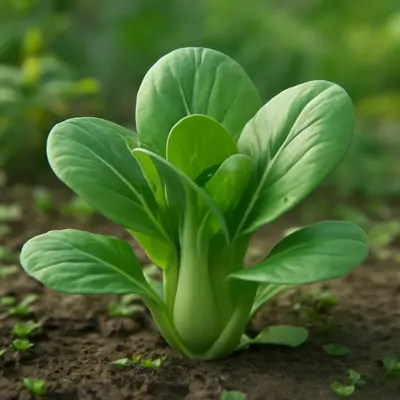
Shikibu
Uniform and upright with long, narrow green petioles. Dark purple leaves with green, purple-veined undersides. Slower to bolt and taller than Rosie, producing 16-18" heads.
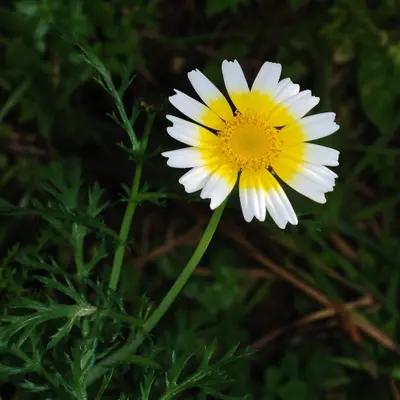
Shungiku
Shungiku, also known as Japanese chrysanthemum greens, is a tender leafy green with delicate, feathery foliage and slender stems. This heirloom variety reaches harvest maturity in approximately 30 days. The leaves are bright green and aromatic, with a distinctive peppery flavor complemented by subtle anise and chrysanthemum floral notes. Shungiku is prized in Japanese and East Asian cuisines for both its unique taste and nutritional value, commonly used in soups, stir-fries, and salads. The tender texture and herb-like character make it a standout addition to fresh dishes.

Simpson Elite
An improved version of the classic Black Seeded Simpson, this loose-leaf lettuce offers exceptional heat tolerance and slower bolting. The bright green, deeply frilled leaves create a beautiful, productive plant that keeps producing tender leaves for weeks. Perfect for cut-and-come-again harvesting in warm weather when other lettuces struggle.

Skyphos
Skyphos is a heirloom romaine lettuce variety prized for its exceptionally sweet, crisp, and tender leaves with the classic satisfying crunch of traditional romaines. This Greek variety matures in approximately 47 days, producing upright heads with a distinctive appearance. The name references the ancient Greek drinking cup, reflecting its heritage. Skyphos thrives in full sun to partial shade and prefers well-drained, fertile soil with consistent moisture. Its superior flavor profile and reliability make it an excellent choice for fresh salads where quality and taste are paramount. Relatively easy to grow despite susceptibility to common lettuce pests.
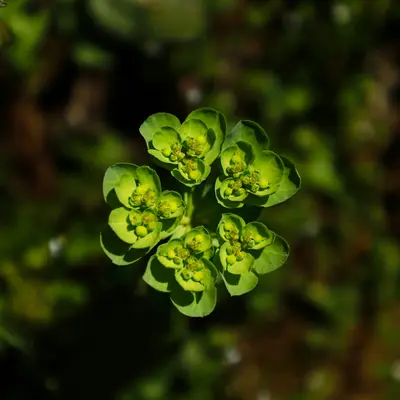
Sorrel
Sorrel is a leafy heirloom green with slender, arrow-shaped leaves that mature in about 40 days. This cool-season crop develops an intensely tangy, lemony flavor that becomes more pronounced as leaves mature. The bright, citrusy taste makes it ideal for finishing delicate fish dishes, enriching soups, or adding complexity to fresh salads. Sorrel thrives in well-drained, fertile soil under full sun and is remarkably easy to grow, though it requires vigilance against slugs, snails, and aphids. Harvest outer leaves regularly to encourage continuous production.
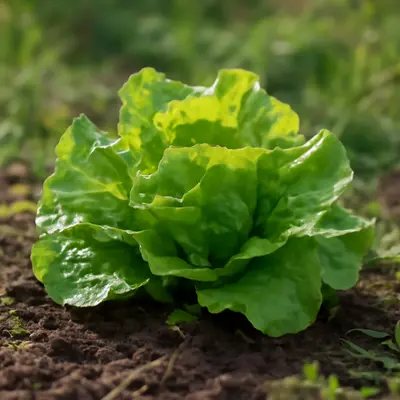
Speeder
Reliably produces high yields of marketable full-size heads. Bold red-purple color is more consistent than other Chioggia types, penetrating both inner and outer leaves. Lovely rustic appearance and good size/weight potential. Suitable for early and main-season slots.
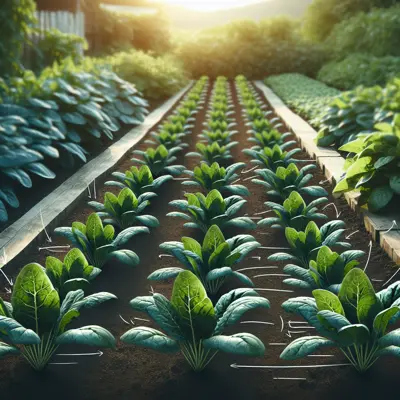
Spinach
Spinach is a nutrient-dense leafy green with tender, deep green leaves that develop characteristic slight crinkles as they mature. Ready to harvest in approximately 25 days, this hybrid variety transitions from a mild, slightly sweet flavor when young to a more complex, mineral-rich taste with age. It thrives in cool seasons and performs well in full sun to partial shade conditions. Spinach is versatile in the kitchen—equally excellent fresh in salads when young or cooked in mature form. Its rapid growth and ease of cultivation make it ideal for beginner gardeners seeking quick, reliable harvests.
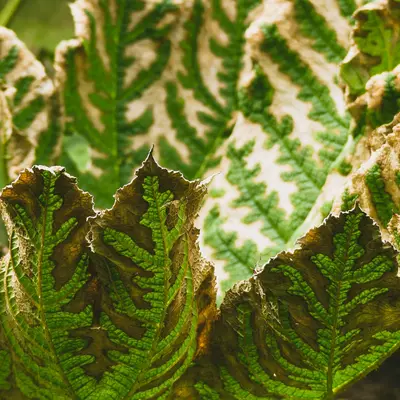
Stella Rosa
Gorgeous range of pink shades with distinct white ribs. An improved pink variety: more marketable heads; thicker leaves with heavier savoy; brighter pink colors; enhanced tipburn and bolting tolerance. Great paired with Luna Rossa. Notes: Expose plants to short days/cold weather to achieve pink color expression. Planting too early risks loose, non-pink heads. Transplant in early/mid August in Maine, later in mild eastern regions.
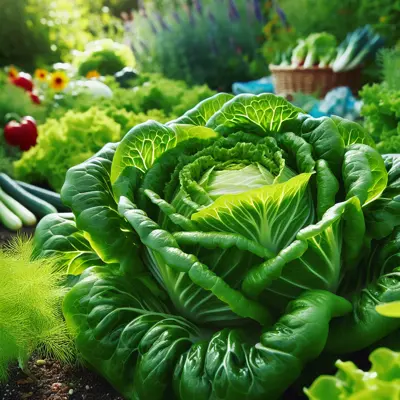
Summertime
The ultimate warm-weather lettuce that thrives when others bolt, producing crisp, sweet heads even in summer heat. This crisphead variety combines the satisfying crunch of iceberg with superior heat tolerance and better flavor. A game-changer for gardeners who want fresh lettuce year-round in warmer climates.
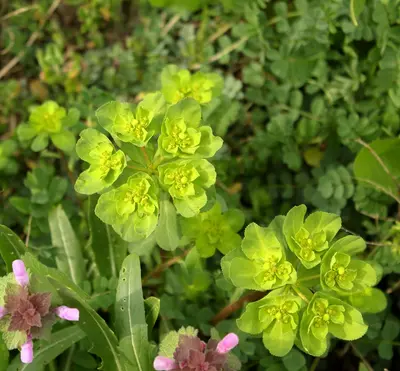
Sylvetta
More compact than Bellezia, with deeply lobed leaves and a pungent flavor. Popular with chefs. Edible Flowers: Harvest the yellow flowers as they appear. Sprinkle them over salads or add to vegetable stir-fries. Flavor is spicy and nutty. Popular choice for brightening up salad mix.
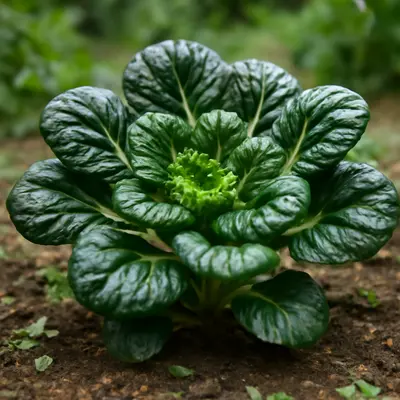
Tatsoi
Tatsoi is a compact, dark green Asian leafy green with distinctive spoon-shaped leaves that form a rosette cluster. This heirloom variety reaches full maturity in just 25 days, making it ideal for quick succession plantings. Its defining characteristic is the tender, crunchy stems with a mild, slightly sweet flavor and juicy texture that adds dimension to salads and stir-fries. The whole plant—leaves and stems—is edible and versatile, offering both nutritional value and culinary appeal for gardeners seeking fast-growing greens.
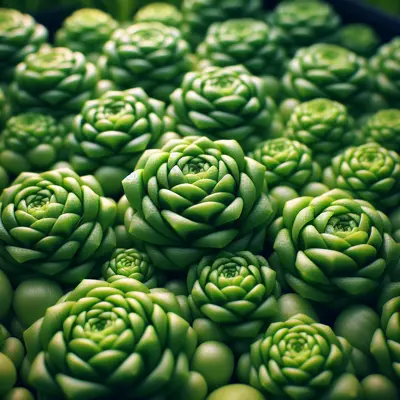
Tom Thumb
This adorable miniature butterhead forms perfect tennis ball-sized heads that are ideal for small spaces and single servings. Despite its tiny stature, Tom Thumb delivers full-sized flavor with tender, sweet leaves and excellent heat tolerance. A charming heirloom that's perfect for container gardens, kids' gardens, and anyone who loves perfectly portioned individual salads.
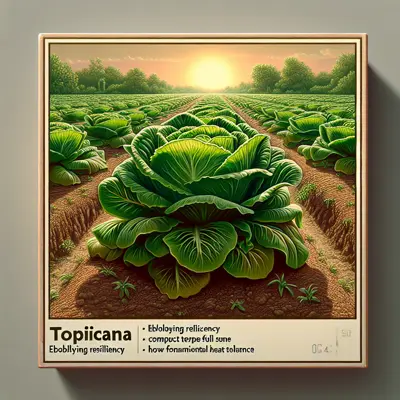
Tropicana
Plants produce full heads with heavy leaves. Tolerant to tipburn. MT0-30. Also available in organic seed or seed with NOP-compliant pelleting.
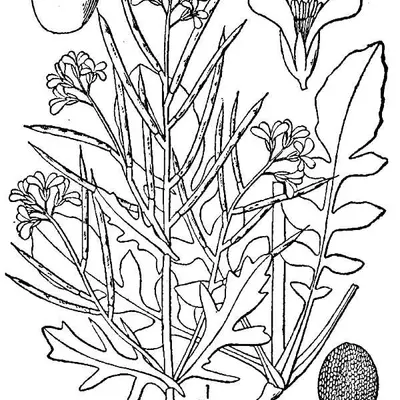
Upland Cress
Slow to start but, once established, easy to grow. Long standing and slow bolting. 6-8" rosettes of dark green, glossy, rounded leaves. Similar to watercress but much easier to grow. Sometimes called "creasy greens" in the South.
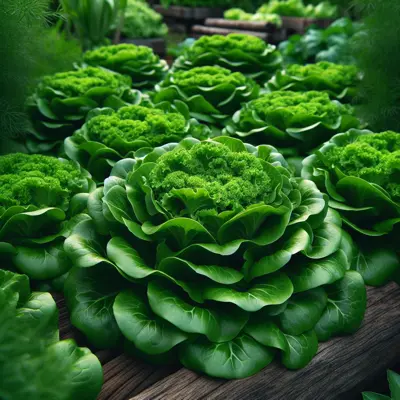
Waldmann's Green
A legendary loose-leaf lettuce variety developed specifically for winter greenhouse growing but equally excellent in outdoor gardens. Known for its exceptional cold tolerance and ability to produce tender, dark green leaves even in challenging conditions. This reliable variety has been a favorite among both commercial and home growers for decades.

Wasabina
Broad bright green leaves with deeply scalloped margins are soft and tender with great loft. Slow bolting. Sweet and mildly spicy flavor. Plant densely so leaves remain a proper size for baby leaf and petioles elongate for easy harvest.
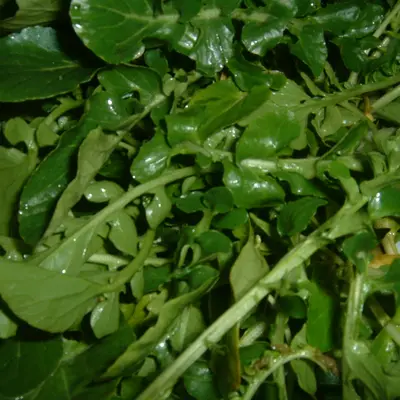
Watercress
Watercress is a leafy green vegetable with small, rounded, delicate leaves that grow in dense clusters. This fast-growing heirloom variety matures in 60 days and thrives in cool, moist conditions with partial sun exposure. Its most distinctive feature is its peppery, spicy flavor with a subtle mustard-like bite, delivering a crisp texture that sets it apart from milder lettuce varieties. Watercress is highly nutritious and commonly used fresh in salads, soups, and sandwiches. Its vibrant taste makes it an excellent choice for culinary applications where bold, peppery greens are desired.

Win-Win Choi
This white-stem, vase-shaped pac choi is bulky and uniform. 10-12" tall. Similar to Joi Choi, just a little smaller and more compact.
Zone 6 Growing Tips
Start your first lettuce seeds indoors 4-6 weeks before your last frost date (so early to mid-March for Zone 6), then transplant seedlings outside 2-3 weeks before the last frost. Lettuce can handle light frost, so don't baby it too much - those April transplants will actually develop better flavor with some cool nights. For direct seeding, wait until soil can be worked in early April, but know that germination will be slow in cold soil.
Succession planting is your secret weapon in Zone 6. Sow new seeds every 2-3 weeks through May, then take a break during peak summer heat (July-early August) unless you can provide consistent shade and water. Resume planting in late August for fall crops - these often outperform spring lettuce because they mature in cooling rather than warming weather. Your fall lettuce can often survive until Thanksgiving or beyond with simple protection like row covers or cold frames.
Summer growing requires strategy: choose bolt-resistant varieties, provide afternoon shade (30-50% shade cloth works well), and keep soil consistently moist but not soggy. Morning sun with afternoon protection creates ideal conditions when temperatures climb above 75°F consistently.
Season Overview
Your April 15th average last frost and October 15th first frost create ideal bookends for lettuce growing, giving you roughly six months of prime growing weather. The generous 180-day season allows for three distinct growing periods: early spring crops (March starts, April-May harvest), heat-tolerant summer varieties (May-June starts, July-August harvest), and the prize fall crops (August starts, September-November harvest). Fall plantings often produce the best lettuce in Zone 6, maturing in September and October's cool nights and mild days, with many varieties surviving well past that first October frost with minimal protection.