Clio
Cichorium intybus
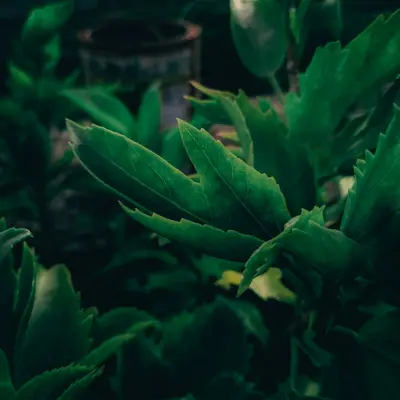
This attractive upright variety delivers a high marketable yields. Suitable for multiple harvests as it resists bolting during regrowth.
Harvest
48d
Days to harvest
Sun
Full sun
Zones
3–8
USDA hardiness
Height
3-4 feet
Planting Timeline
Showing dates for Clio in USDA Zone 7
All Zone 7 lettuce →Zone Map
Click a state to update dates
Clio · Zones 3–8
Growing Details
Succession Planting
Direct sow Clio every 14–16 days starting March 1 in zone 7, and keep going through late April. A May sowing is possible, but push it past mid-May and you're racing against heat — chicory bolts and turns aggressively bitter once daytime highs are consistently above 80°F. For a fall run, resume direct sowing in mid-August and go through mid-September; the 48-day days-to-harvest puts that last planting at the table right around the first frost window, which is fine — chicory handles a light frost without complaint.
Skip June and July entirely. The plants that survive the heat won't be worth harvesting, and you're better off putting that bed to work with something heat-tolerant and coming back to chicory in August.
Complete Growing Guide
This attractive upright variety delivers a high marketable yields. Suitable for multiple harvests as it resists bolting during regrowth. According to Johnny's Selected Seeds, Clio is 48 days to maturity, annual, hybrid (f1). Notable features: Cold Tolerant.
Light: Full sun (6 or more hours of direct sunlight a day). Soil: Clay, High Organic Matter, Loam (Silt), Sand, Shallow Rocky. Soil pH: Alkaline (>8.0), Neutral (6.0-8.0). Drainage: Good Drainage, Moist, Occasionally Dry. Height: 3 ft. 0 in. - 4 ft. 0 in.. Spread: 1 ft. 6 in. - 2 ft. 0 in.. Spacing: 12 inches-3 feet. Growth rate: Rapid. Maintenance: High, Medium. Propagation: Seed. Regions: Coastal, Mountains, Piedmont.
Harvesting
Clio reaches harvest at 48 days from sowing per Johnny's Selected Seeds. As an annual, harvest continues until frost ends the season.
Brown oblong and 5-ribbed achene with blunt ends. The wider end has a bristles across the top.
Color: Brown/Copper, Cream/Tan. Type: Achene.
Edibility: Leaves can be used in salads or cooked to reduce bitter flavor. Roots can be dried and used as a coffee substitute.
Storage & Preservation
Clio chicory heads store best at 32–36°F with 95% humidity in perforated plastic bags within a standard refrigerator crisper drawer, where they'll keep for up to two weeks. Handle gently to avoid bruising the tender leaves. For longer preservation, blanching for three minutes followed by freezing works adequately, though texture softens noticeably. Fermentation is well-suited to Clio's slightly bitter profile—submerge chopped heads in 3% saltwater brine for two to four weeks to develop complex flavor. Drying is less practical for fresh heads but works if you harvest mature outer leaves individually. The variety's rapid 48-day maturity means successive sowings ensure continuous harvest rather than relying on storage; plant every two weeks for year-round supply. Store seeds in cool, dry conditions (below 50°F) for viable replanting.
History & Origin
Clio is an F1 hybrid developed through controlled cross-pollination. Listed in the Johnny's Selected Seeds catalog.
Origin: Europe
Advantages
- +High marketable yields make Clio economically attractive for commercial growers
- +Upright growth habit maximizes space efficiency in dense planting systems
- +Excellent bolt resistance during regrowth enables multiple profitable harvest cycles
- +Easy cultivation requires minimal expertise, suitable for beginner farmers
- +Attractive appearance commands premium prices at farmers markets
Considerations
- -May require consistent moisture to prevent tip burn and bitterness
- -Susceptible to common lettuce diseases like downy mildew in humid conditions
- -Slower maturity at 48 days compared to some quick-maturing varieties
- -Prefers cooler seasons and struggles in sustained summer heat stress
Companion Plants
Radishes and carrots are the most practical bed-mates for Clio. Radishes germinate in 5–7 days and draw flea beetles away before those small, hopping pests reach your chicory — you'll see the tell-tale pinholes on radish leaves first, which is exactly what you want. Carrots share root depth without much competition, and their feathery tops don't cast enough shade to matter during the spring window when Clio is in the ground. Chives and garlic both carry sulfur compounds that aphids tend to avoid, which is worth thinking about since green peach aphid (Myzus persicae) is the main carrier of lettuce mosaic virus — a border planting of either one costs you almost nothing.
Nasturtiums pull double duty here. They attract aphids and act as a trap crop, but in zone 7 Georgia they also bloom right through March and April, which lines up almost exactly with Clio's time in the field. You get pest pressure redirected and a reason to actually walk the bed. Marigolds (Tagetes spp.) are worth adding if your beds have a history of root-knot nematode — the roots release alpha-terthienyl, which suppresses nematode populations over a full season.
Fennel stays out of the chicory bed entirely. Its root exudates are allelopathic to most vegetables, and you'll see stunted, off-color plants within a few weeks of close proximity. Broccoli is a nitrogen competitor and can harbor cabbage aphid (Brevicoryne brassicae) colonies that migrate to neighboring rows. Sunflowers cast dense shade and their roots produce allelopathic compounds — a full-sun crop like Clio will go leggy and weak underneath them faster than you'd expect.
Plant Together
Chives
Repels aphids and other pests that commonly attack lettuce
Carrots
Loosens soil for lettuce roots and doesn't compete for nutrients
Radishes
Quick harvest creates space, breaks up soil, and repels flea beetles
Marigolds
Deters nematodes and aphids while attracting beneficial insects
Nasturtiums
Acts as trap crop for aphids and cucumber beetles
Garlic
Natural pest deterrent against aphids, slugs, and rabbits
Spinach
Similar growing requirements and harvest timing, efficient space usage
Dill
Attracts beneficial insects and may improve lettuce growth
Keep Apart
Broccoli
Large leaves create too much shade and compete heavily for nutrients
Sunflowers
Allelopathic compounds inhibit lettuce germination and growth
Fennel
Strong allelopathic effects that stunt growth of most vegetables including lettuce
Nutrition Facts
Per 100g serving. % Daily Value based on 2,000 calorie diet. Source: USDA FoodData Central (FDC #2346388)
Pests & Disease Resistance
Common Pests
Aphids, slugs, flea beetles, cutworms
Diseases
Downy mildew, bottom rot, lettuce mosaic virus
Troubleshooting Clio
What you'll see, why it happens, and what to do about it.
Seedlings collapse at soil level within the first 7–10 days after transplanting or germination, sometimes with a fuzzy whitish mold on the soil surface nearby
Likely Causes
- Damping off — a complex of soil-borne fungi (Pythium spp., Rhizoctonia solani) that attacks stems at the waterline
- Overwatering or poor drainage keeping the root zone saturated
What to Do
- 1.Pull the dead seedlings and check the stem base — if it's pinched and water-soaked, damping off is the culprit; don't replant the same spot without amending drainage first
- 2.Let the soil surface dry slightly between waterings; consistent moisture is fine, but standing water kills seedlings fast
- 3.If starting indoors, use a sterile seed-starting mix and don't reuse last year's trays without sanitizing them with a 10% bleach solution
White to gray-purple fuzzy growth on the undersides of leaves, with yellowing patches on the upper surface
Likely Causes
- Downy mildew (Bremia lactucae) — spreads fast in cool, humid nights above 50°F combined with wet foliage
- Crowded spacing that traps moisture between plants
What to Do
- 1.Remove affected outer leaves immediately and trash them — don't compost
- 2.Water at the base, not overhead, especially in the evenings; drip tape is worth the setup if you're growing more than a single row
- 3.Space plants the full 8 inches apart — tighter than that and you're asking for trouble in a Georgia spring with morning dew
Outer leaves rotting from the base upward, with a slimy brown decay at the crown
Likely Causes
- Bottom rot (Rhizoctonia solani) — soil-borne, worsened by warm soil temps and excess moisture sitting at the crown
- Planting too deep, burying the crown below soil level
What to Do
- 1.Make sure the crown sits at or just above the soil surface when transplanting
- 2.Pull mulch back an inch or two from the base of the plant to let the crown breathe
- 3.Rotate out of this bed for at least one full season — R. solani persists in soil
Leaves mottled with irregular yellow-green mosaic patterns, plants stunted and producing poorly
Likely Causes
- Lettuce mosaic virus (LMV) — transmitted by aphids, particularly green peach aphid (Myzus persicae)
- Starting from infected seed lots
What to Do
- 1.Check the base of leaves and the growing tip for aphid colonies; knock them off with a firm stream of water or apply insecticidal soap to the undersides
- 2.Buy seed from reputable suppliers that test for LMV — the USDA recommends using indexed, virus-tested seed where mosaic is a recurring problem
- 3.Pull and trash any plant showing mosaic symptoms; there's no cure once a plant is infected, and leaving it in the bed gives aphids a source to spread from
Frequently Asked Questions
How long does Clio lettuce take to grow?▼
Is Clio lettuce good for beginners?▼
Can you grow Clio lettuce in containers?▼
What's the best way to harvest Clio lettuce?▼
When should I plant Clio lettuce?▼
What does Clio lettuce taste like?▼
Zone-by-Zone Planting Calendar
| Zone | Indoor Start | Transplant | Direct Sow | Harvest |
|---|---|---|---|---|
| Zone 1 | — | — | June – July | July – September |
| Zone 2 | — | — | May – July | July – September |
| Zone 11 | — | — | January – February | February – December |
| Zone 12 | — | — | January – February | February – December |
| Zone 13 | — | — | January – February | February – December |
| Zone 3 | — | — | May – June | June – October |
| Zone 4 | — | — | April – June | June – October |
| Zone 5 | — | — | April – May | June – November |
| Zone 6 | — | — | April – May | May – November |
| Zone 7 | — | — | March – May | May – November |
| Zone 8 | — | — | March – April | April – December |
| Zone 9 | — | — | February – March | March – December |
| Zone 10 | — | — | January – March | March – December |
Growing Guides from Wind River Greens
Sources & References
External authority sources used in compiling this guide.
- BreederJohnny's Selected Seeds
- USDAUSDA FoodData Central
See the Methodology page for how this data is sourced, what's AI-assisted, and known limitations.