Sorrel
Rumex acetosa
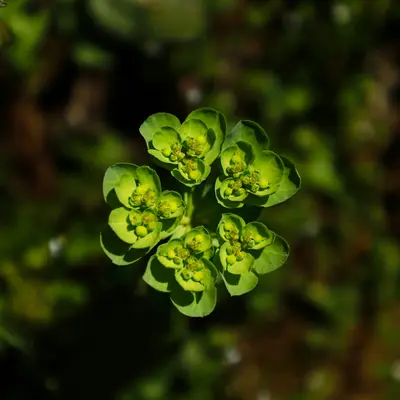
Sorrel is a leafy heirloom green with slender, arrow-shaped leaves that mature in about 40 days. This cool-season crop develops an intensely tangy, lemony flavor that becomes more pronounced as leaves mature. The bright, citrusy taste makes it ideal for finishing delicate fish dishes, enriching soups, or adding complexity to fresh salads. Sorrel thrives in well-drained, fertile soil under full sun and is remarkably easy to grow, though it requires vigilance against slugs, snails, and aphids. Harvest outer leaves regularly to encourage continuous production.
Harvest
40d
Days to harvest
Sun
Full sun
Zones
3–11
USDA hardiness
Height
8 inches
Planting Timeline
Showing dates for Sorrel in USDA Zone 7
All Zone 7 lettuce →Zone Map
Click a state to update dates
Sorrel · Zones 3–11
Growing Details
Complete Growing Guide
Light: Full sun (6 or more hours of direct sunlight a day). Spacing: 12 inches-3 feet. Propagation: Seed.
Harvesting
Fruit is a reddish brown, 3-angled achene, often with a round tubercle on one or all three sides.
Color: Red/Burgundy. Type: Achene.
Edibility: Leaves for flavoring, flowers, and seeds.
Storage & Preservation
Harvest sorrel leaves at 40 days and use promptly for best flavor. Store fresh leaves in a breathable container lined with damp paper towels in the refrigerator crisper at 32–40°F with 95% humidity; they'll keep 5–7 days before wilting and losing their bright, lemony tang. For longer storage, freezing works excellently—blanch leaves briefly in boiling water for one minute, shock in ice water, pat dry, and freeze in portions. Frozen sorrel retains its character well for up to eight months and works beautifully in soups and sauces. Drying is less recommended as the leaves become thin and papery, losing much of their distinctive acidic bite. Sorrel's high oxalic acid content makes it unsuitable for canning via standard water-bath methods. A gardener's trick: freeze sorrel juice in ice cube trays to add tang to winter cooking without storing bulky leaves.
History & Origin
Sorrel is a perennial herbaceous plant in the family Polygonaceae. It is also called common sorrel, garden sorrel, spinach dock and narrow-leaved dock.
Advantages
- +Edible: Leaves for flavoring, flowers, and seeds.
Considerations
- -Toxic (Leaves): Low severity
Companion Plants
Chives and parsley are the most practical neighbors for sorrel. Both are shallow-rooted and won't compete hard for moisture at the 12–18 inch spacing sorrel wants, and chives put up enough of a scent barrier that aphids tend to land elsewhere first. Lettuce and spinach sit comfortably alongside sorrel too — similar water needs, neither one gets tall enough to shade it out, and you can harvest all three from the same bed run.
Fennel produces allelopathic compounds from its roots that suppress a wide range of plants, and sorrel — a perennial crown you're hoping to harvest from April through November for years running — is exactly the kind of long-term investment you don't want sitting next to it. Brassicas are a more practical concern: they're heavy feeders that pull nitrogen fast and their canopy can easily outgrow sorrel's 8-inch height by midsummer. Keep them on a separate bed end, not tucked in alongside a crown you're planning to divide and carry forward.
Plant Together
Chives
Repels aphids and improves soil health with sulfur compounds
Lettuce
Similar growing conditions and helps maximize garden space efficiently
Spinach
Compatible cool-season crops with similar water and nutrient needs
Radishes
Quick-growing root crop that doesn't compete for space and loosens soil
Carrots
Deep roots complement shallow sorrel roots, efficient space utilization
Parsley
Attracts beneficial insects and has similar growing requirements
Dill
Attracts beneficial predatory insects that control garden pests
Strawberries
Provides ground cover and both prefer slightly acidic soil conditions
Keep Apart
Fennel
Produces allelopathic compounds that inhibit growth of most leafy greens
Brassicas
Heavy feeders that compete for nutrients and may stunt sorrel growth
Sunflowers
Allelopathic effects and creates too much shade for sorrel plants
Nutrition Facts
Per 100g serving. % Daily Value based on 2,000 calorie diet. Source: USDA FoodData Central (FDC #2346388)
Pests & Disease Resistance
Common Pests
Slugs, snails, aphids
Diseases
Leaf spot, rust
Troubleshooting Sorrel
What you'll see, why it happens, and what to do about it.
Seedlings collapse at soil level within the first 1–2 weeks after direct sowing
Likely Causes
- Damping off — a complex of soil-borne fungi (Pythium spp., Rhizoctonia solani) that rots the stem at the soil line
- Overwatering combined with cool, poorly-draining soil
What to Do
- 1.Pull the dead seedlings and check the stem base — if it's pinched and water-soaked, damping off is your culprit
- 2.Don't resow into the same wet spot; improve drainage or move to a raised bed
- 3.Water in the morning so the soil surface dries before nightfall, and thin to 12 inches so air moves through
Irregular tan or brown spots on leaves, sometimes with a yellow halo, appearing mid-season
Likely Causes
- Leaf spot — caused by fungal pathogens that splash up from soil during rain or overhead irrigation
- Dense, overcrowded planting blocking airflow
What to Do
- 1.Cut off affected leaves at the base and bin them — don't compost them
- 2.Mulch around the crowns with straw to reduce soil splash
- 3.Space plants at least 12 inches apart; sorrel fills in fast and crowding makes this worse every year
Orange or rust-brown powdery pustules on the undersides of leaves, usually late summer
Likely Causes
- Sorrel rust (Uromyces acetosae) — a fungal rust specific to Rumex species
- Humid conditions and poor airflow accelerating spore spread
What to Do
- 1.Cut the whole plant back to 2–3 inches above ground — it will flush new clean growth within 2–3 weeks
- 2.Rake up and dispose of fallen leaves around the crown; leaving them overwinter gives rust spores a free ride into next season
- 3.If rust returns every year in the same spot, move a crown division to a bed with at least 6 more inches of clearance on each side
Ragged holes chewed in leaves overnight, with silvery slime trails visible in the morning
Likely Causes
- Slugs or snails — they feed at night and are worst in cool, wet weather in spring and fall
- Thick mulch or debris sitting right against the crown giving them daytime cover
What to Do
- 1.Hand-pick after dark with a flashlight — drop them into soapy water
- 2.Pull mulch a few inches back from the crown so slugs have less shelter
- 3.Scatter iron phosphate bait (Sluggo or equivalent) around the bed; it breaks down into soil nutrients and is safe around food crops and pets
Frequently Asked Questions
How long does it take to grow Sorrel from seed to harvest?▼
What does Sorrel taste like?▼
Can you grow Sorrel in containers?▼
When should I plant Sorrel?▼
Is Sorrel a good choice for beginner gardeners?▼
What are the main culinary uses for Sorrel?▼
Zone-by-Zone Planting Calendar
| Zone | Indoor Start | Transplant | Direct Sow | Harvest |
|---|---|---|---|---|
| Zone 3 | — | — | May – June | June – October |
| Zone 4 | — | — | April – June | June – October |
| Zone 5 | — | — | April – May | May – November |
| Zone 6 | — | — | April – May | May – November |
| Zone 7 | — | — | March – May | April – November |
| Zone 8 | — | — | March – April | April – December |
| Zone 9 | — | — | February – March | March – December |
| Zone 10 | — | — | January – March | February – December |
| Zone 1 | — | — | June – July | July – September |
| Zone 2 | — | — | May – July | June – September |
| Zone 11 | — | — | January – February | January – December |
| Zone 12 | — | — | January – February | January – December |
| Zone 13 | — | — | January – February | January – December |
Growing Guides from Wind River Greens
Sources & References
External authority sources used in compiling this guide.
- BreederJohnny's Selected Seeds
- USDAUSDA FoodData Central
See the Methodology page for how this data is sourced, what's AI-assisted, and known limitations.