Speeder
Cichorium intybus
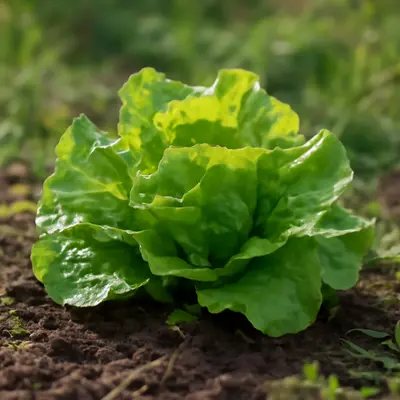
Reliably produces high yields of marketable full-size heads. Bold red-purple color is more consistent than other Chioggia types, penetrating both inner and outer leaves. Lovely rustic appearance and good size/weight potential. Suitable for early and main-season slots.
Harvest
60d
Days to harvest
Sun
Full sun
Zones
3–8
USDA hardiness
Height
3-4 feet
Planting Timeline
Showing dates for Speeder in USDA Zone 7
All Zone 7 lettuce →Zone Map
Click a state to update dates
Speeder · Zones 3–8
Growing Details
Succession Planting
Direct sow Speeder every 14 days starting March 1 in zone 7, and keep going through early May. Once daytime highs are consistently above 80°F, germination gets erratic and plants bolt fast — chicory handles heat better than most lettuce types, but 60-day varieties still lose quality in peak summer. Pick back up with a late-summer sowing around August 15, which puts harvest in October and November before hard frost.
If you want a continuous cut through spring, stagger three short rows rather than one long one. Pull bolted plants as you go — leaving them standing just gives aphids a place to build up population before moving to your healthy plants.
Complete Growing Guide
Reliably produces high yields of marketable full-size heads. Bold red-purple color is more consistent than other Chioggia types, penetrating both inner and outer leaves. Lovely rustic appearance and good size/weight potential. Suitable for early and main-season slots. According to Johnny's Selected Seeds, Speeder is 60 days to maturity, hybrid (f1).
Light: Full sun (6 or more hours of direct sunlight a day). Soil: Clay, High Organic Matter, Loam (Silt), Sand, Shallow Rocky. Soil pH: Alkaline (>8.0), Neutral (6.0-8.0). Drainage: Good Drainage, Moist, Occasionally Dry. Height: 3 ft. 0 in. - 4 ft. 0 in.. Spread: 1 ft. 6 in. - 2 ft. 0 in.. Spacing: 12 inches-3 feet. Growth rate: Rapid. Maintenance: High, Medium. Propagation: Seed. Regions: Coastal, Mountains, Piedmont.
Harvesting
Speeder reaches harvest at 60 days from sowing per Johnny's Selected Seeds.
Brown oblong and 5-ribbed achene with blunt ends. The wider end has a bristles across the top.
Color: Brown/Copper, Cream/Tan. Type: Achene.
Edibility: Leaves can be used in salads or cooked to reduce bitter flavor. Roots can be dried and used as a coffee substitute.
Storage & Preservation
Harvest Speeder heads at 60 days and refrigerate immediately at 32–35°F in a perforated plastic bag or breathable container to maintain humidity without promoting rot. Fresh heads keep for 10–14 days under these conditions. For longer storage, blanch whole heads for 3 minutes, cool quickly in ice water, then freeze in airtight containers for up to eight months—though texture softens slightly upon thawing, making frozen Speeder best suited for cooked dishes rather than salads. Drying is less practical for this chicory variety due to its high water content. Fermentation works well: shred heads, salt at 2–3% by weight, pack tightly in jars, and let sit 1–2 weeks at room temperature for a tangy preserved condiment. Speeder's thin, tender leaves wilt faster than storage chicories, so prioritize fresh use or freezing within the first week of harvest for best results.
History & Origin
Speeder is an F1 hybrid developed through controlled cross-pollination. Listed in the Johnny's Selected Seeds catalog.
Origin: Europe
Advantages
- +Reliably produces high yields of marketable full-size heads consistently
- +Bold red-purple color penetrates both inner and outer leaves uniformly
- +Suitable for both early and main-season planting slots flexibly
- +Lovely rustic appearance appeals to farmers market and direct sales
- +Good size and weight potential maximizes per-head profitability
Considerations
- -Requires consistent moisture to prevent bolting during warm spells
- -Red coloring may fade or lose vibrancy in extended heat
- -Susceptible to common radicchio diseases like downy mildew pressure
Companion Plants
Chives and garlic planted at the bed edge do real work against aphids — their sulfur compounds confuse soft-bodied insects that locate hosts by scent. Marigolds (Tagetes spp.) pull double duty: they deter aphids at the perimeter and act as a slug trap crop, which matters because slugs will shred Speeder's leaves at night. Radishes are worth tucking in between plants — they mature in 25–30 days, come out before they compete for anything, and their root activity loosens soil without disturbing the shallow chicory root zone.
Fennel produces allelopathic compounds from its roots that suppress most vegetables planted within a foot or two of it — give it its own bed, far away. Broccoli is a problem for a different reason: it's a heavy feeder with a canopy wide enough to shade out a 3–4 foot plant like Speeder well before either crop finishes. Keep brassicas in a separate section entirely.
Plant Together
Chives
Repels aphids and improves lettuce flavor while providing natural pest deterrent
Radishes
Break up soil for lettuce roots and mature quickly without competing for space
Carrots
Deep roots don't compete with shallow lettuce roots, and lettuce provides ground cover
Marigolds
Repel nematodes, aphids, and other harmful insects while attracting beneficial predators
Nasturtiums
Act as trap crop for aphids and cucumber beetles, drawing pests away from lettuce
Garlic
Natural fungicide properties help prevent lettuce diseases and repels many pests
Spinach
Similar growing requirements and provides mutual shade during hot weather
Parsley
Attracts beneficial insects and doesn't compete for nutrients with lettuce
Keep Apart
Broccoli
Heavy feeder that competes for nutrients and can shade out lettuce with large leaves
Fennel
Produces allelopathic compounds that inhibit lettuce growth and germination
Celery
Competes for similar nutrients and water, both being shallow-rooted crops
Nutrition Facts
Per 100g serving. % Daily Value based on 2,000 calorie diet. Source: USDA FoodData Central (FDC #2346388)
Pests & Disease Resistance
Common Pests
Aphids, slugs, flea beetles
Diseases
Lettuce mosaic virus, downy mildew
Troubleshooting Speeder
What you'll see, why it happens, and what to do about it.
Seedlings collapse at soil level within 7–10 days of being put in the ground — stems look pinched or rotted at the base
Likely Causes
- Damping off — typically Pythium or Rhizoctonia solani — a soil-borne fungal complex that hits seedlings hard in cool, wet conditions
- Overwatering or poorly drained soil keeping the root zone saturated
What to Do
- 1.Pull and trash the dead seedlings — don't compost them
- 2.Let the bed dry out between waterings; damping off fungi thrive when soil stays wet for more than 24 hours at a stretch
- 3.If you start seeds indoors, use a sterile seed-starting mix and don't reuse trays without washing them with a 10% bleach solution first
Leaves develop yellow mosaic patterning or mottling, and new growth looks puckered or stunted
Likely Causes
- Lettuce mosaic virus (LMV) — transmitted by aphids, which can move it from plant to plant in minutes
- Infected transplants or seed lot carrying the virus before it ever goes in the ground
What to Do
- 1.Check the undersides of leaves for aphid colonies and knock them off with a strong stream of water; repeat every 2–3 days
- 2.Pull and bag any plants showing mosaic symptoms — LMV has no cure and infected plants are a reservoir for aphids to spread it further
- 3.Source seed from reputable suppliers that test for LMV; it's listed on the label for some varieties
White to gray-purple fuzzy coating on the underside of leaves, with pale yellow patches on the upper surface
Likely Causes
- Downy mildew (Bremia lactucae) — favored by cool nights around 50–60°F and humid, still air
- Crowded spacing that traps moisture between plants
What to Do
- 1.Space plants the full 18–24 inches apart so air can move through; Speeder's upright habit makes tight spacing tempting but it backfires
- 2.Water at the base, not overhead, and water in the morning so foliage dries before nightfall
- 3.Remove and dispose of affected outer leaves immediately; if more than 30% of the plant is covered, pull the whole thing
Frequently Asked Questions
How long does Speeder lettuce take to mature?▼
Is Speeder lettuce good for beginner gardeners?▼
Can you grow Speeder lettuce in containers?▼
What does Speeder lettuce taste like?▼
When should I plant Speeder lettuce?▼
What makes Speeder different from other red lettuce varieties?▼
Zone-by-Zone Planting Calendar
| Zone | Indoor Start | Transplant | Direct Sow | Harvest |
|---|---|---|---|---|
| Zone 1 | — | — | June – July | August – September |
| Zone 2 | — | — | May – July | July – September |
| Zone 11 | — | — | January – February | February – December |
| Zone 12 | — | — | January – February | February – December |
| Zone 13 | — | — | January – February | February – December |
| Zone 3 | — | — | May – June | July – October |
| Zone 4 | — | — | April – June | June – October |
| Zone 5 | — | — | April – May | June – November |
| Zone 6 | — | — | April – May | June – November |
| Zone 7 | — | — | March – May | May – November |
| Zone 8 | — | — | March – April | May – December |
| Zone 9 | — | — | February – March | April – December |
| Zone 10 | — | — | January – March | March – December |
Growing Guides from Wind River Greens
Sources & References
External authority sources used in compiling this guide.
- BreederJohnny's Selected Seeds
- USDAUSDA FoodData Central
See the Methodology page for how this data is sourced, what's AI-assisted, and known limitations.