Red Veined Sorrel
Rumex sanguineus
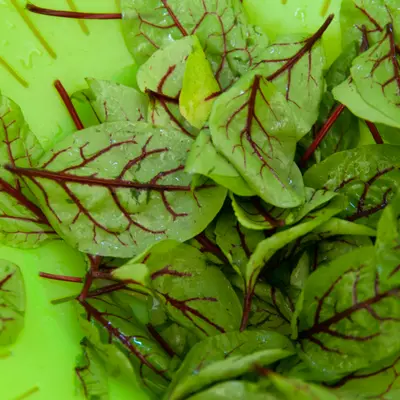
Bright green leaves with contrasting, dark maroon stems and veins. Same sharp, tangy flavor as regular sorrel. Best variety for indoor production. Best when harvested young for salad mix as large leaves are tough. Also available in organic seed.
Harvest
50d
Days to harvest
Sun
Full sun
Zones
4–8
USDA hardiness
Height
12-18 inches
Planting Timeline
Showing dates for Red Veined Sorrel in USDA Zone 7
All Zone 7 lettuce →Zone Map
Click a state to update dates
Red Veined Sorrel · Zones 4–8
Growing Details
Succession Planting
Direct sow every 14–21 days starting March 1 in zone 7, running through early May. Sorrel's 50-day window fits the spring calendar well, but the leaves turn bitter once daytime highs stay above 80–85°F for more than a few days running — a late-May sowing is usually your last productive one before heat shuts it down. Pick back up in late August through September; fall-grown leaves tend to be more tender than spring ones, and first frost in most zone 7 locations lands late enough to get a full harvest in.
Complete Growing Guide
Light: Full sun (6 or more hours of direct sunlight a day). Drainage: Good Drainage, Moist. Height: 1 ft. 0 in. - 1 ft. 6 in.. Spread: 1 ft. 0 in. - 1 ft. 6 in.. Spacing: 12 inches-3 feet. Maintenance: Low. Propagation: Division, Seed. Regions: Coastal, Mountains, Piedmont.
Harvesting
Color: Brown/Copper, Red/Burgundy. Type: Achene.
Edibility: Young leaves are edible raw or cooked, having a tart flavor. Older leaves are bitter and tough. Less commonly grown for eating than other species.
Storage & Preservation
Red Veined Sorrel leaves store best at 32–35°F with 95% humidity in a perforated plastic bag within the crisper drawer, where they'll keep for 5–7 days. For longer preservation, blanch leaves for 2 minutes, then freeze in airtight containers or vacuum-seal bags for up to eight months. Sorrel also dries well: hang bundles in a warm, dark space or use a dehydrator at 95–105°F until brittle, then crumble and store in airtight jars. Fermenting is another excellent option—layer leaves with salt (roughly 2% by weight) in a jar, weigh down, and let sit at room temperature for 1–3 weeks. The leaves' tangy, lemony flavor intensifies during fermentation, making them ideal for winter sauces and dressings. Avoid washing until just before use, as moisture accelerates spoilage.
History & Origin
Origin: Europe, N. Iran
Advantages
- +Edible: Young leaves are edible raw or cooked, having a tart flavor. Older leaves are bitter and tough. Less commonly grown for eating than other species.
- +Low maintenance
Considerations
- -Toxic (Bark, Flowers, Fruits, Leaves, Roots, Sap/Juice, Seeds, Stems): Low severity
- -Causes contact dermatitis
Companion Plants
Chives and marigolds pull the most weight here — chives emit sulfur compounds that disorient aphids before they get established, and marigolds deter a broad range of soft-bodied insects without competing hard for water or root space at sorrel's 12–18 inch spread. Radishes and carrots occupy a shallower root zone and leave sorrel's space alone. Fennel is the one to keep well away from most of the garden anyway, but its allelopathic root exudates are specifically documented to suppress neighboring greens — give it at least 3 feet of buffer. Mint earns its own bed; planted in open ground within 18 inches, it spreads fast enough to physically swamp a low-growing plant like this one.
Plant Together
Chives
Repels aphids and improves flavor, while their shallow roots don't compete
Radishes
Break up soil for sorrel's shallow roots and mature quickly as companion crop
Carrots
Deep roots complement sorrel's shallow root system without competition
Parsley
Similar growing conditions and attracts beneficial insects like hoverflies
Lettuce
Compatible growing requirements and efficient space usage as leafy greens
Spinach
Similar cool-season preferences and complementary nutrient uptake
Marigolds
Repel aphids and other pests while attracting beneficial predatory insects
Dill
Attracts beneficial insects and provides natural pest control
Keep Apart
Sunflowers
Tall growth creates excessive shade and competes heavily for soil nutrients
Brassicas
Heavy nitrogen feeders that compete with sorrel for essential nutrients
Mint
Aggressive spreading nature can overwhelm sorrel and dominate growing space
Fennel
Allelopathic compounds inhibit growth of most leafy greens including sorrel
Nutrition Facts
Per 100g serving. % Daily Value based on 2,000 calorie diet. Source: USDA FoodData Central (FDC #2346388)
Pests & Disease Resistance
Common Pests
Aphids, slugs, snails
Diseases
Powdery mildew, leaf spot
Troubleshooting Red Veined Sorrel
What you'll see, why it happens, and what to do about it.
White powdery coating on leaf surfaces, usually showing up in mid-summer heat
Likely Causes
- Powdery mildew — a fungal infection that spreads in warm, dry air with poor circulation
- Crowded spacing under 12 inches that traps humidity around the foliage
What to Do
- 1.Cut out badly affected leaves at the base and bin them — don't compost
- 2.Space plants at least 12 inches apart to let air move through
- 3.If it keeps spreading, apply a diluted neem oil spray (2 tbsp per gallon) every 7 days
Ragged holes chewed into leaves overnight, with silvery slime trails visible on or near the plant by morning
Likely Causes
- Slugs or snails — they feed after dark and shelter under mulch or debris during the day
- Consistently wet soil surface from overwatering or dense ground cover
What to Do
- 1.Set out shallow dishes of beer at soil level near the plants — slugs drown in them
- 2.Scatter food-grade diatomaceous earth in a 2-inch ring around each plant, reapplying after rain
- 3.Pull mulch back from the crown so slugs lose their daytime hiding spots
Frequently Asked Questions
How long does Red Veined Sorrel take to harvest?▼
Can you grow Red Veined Sorrel in containers indoors?▼
What does Red Veined Sorrel taste like?▼
Is Red Veined Sorrel good for beginners?▼
When should I plant Red Veined Sorrel?▼
Why harvest Red Veined Sorrel when young?▼
Zone-by-Zone Planting Calendar
| Zone | Indoor Start | Transplant | Direct Sow | Harvest |
|---|---|---|---|---|
| Zone 3 | — | — | May – June | June – October |
| Zone 4 | — | — | April – June | June – October |
| Zone 5 | — | — | April – May | June – November |
| Zone 6 | — | — | April – May | May – November |
| Zone 7 | — | — | March – May | May – November |
| Zone 8 | — | — | March – April | April – December |
| Zone 9 | — | — | February – March | March – December |
| Zone 10 | — | — | January – March | March – December |
| Zone 1 | — | — | June – July | July – September |
| Zone 2 | — | — | May – July | July – September |
| Zone 11 | — | — | January – February | February – December |
| Zone 12 | — | — | January – February | February – December |
| Zone 13 | — | — | January – February | February – December |
Growing Guides from Wind River Greens
Sources & References
External authority sources used in compiling this guide.
- ExtensionNC State Extension
- BreederJohnny's Selected Seeds
- USDAUSDA FoodData Central
See the Methodology page for how this data is sourced, what's AI-assisted, and known limitations.