Indigo
Cichorium intybus
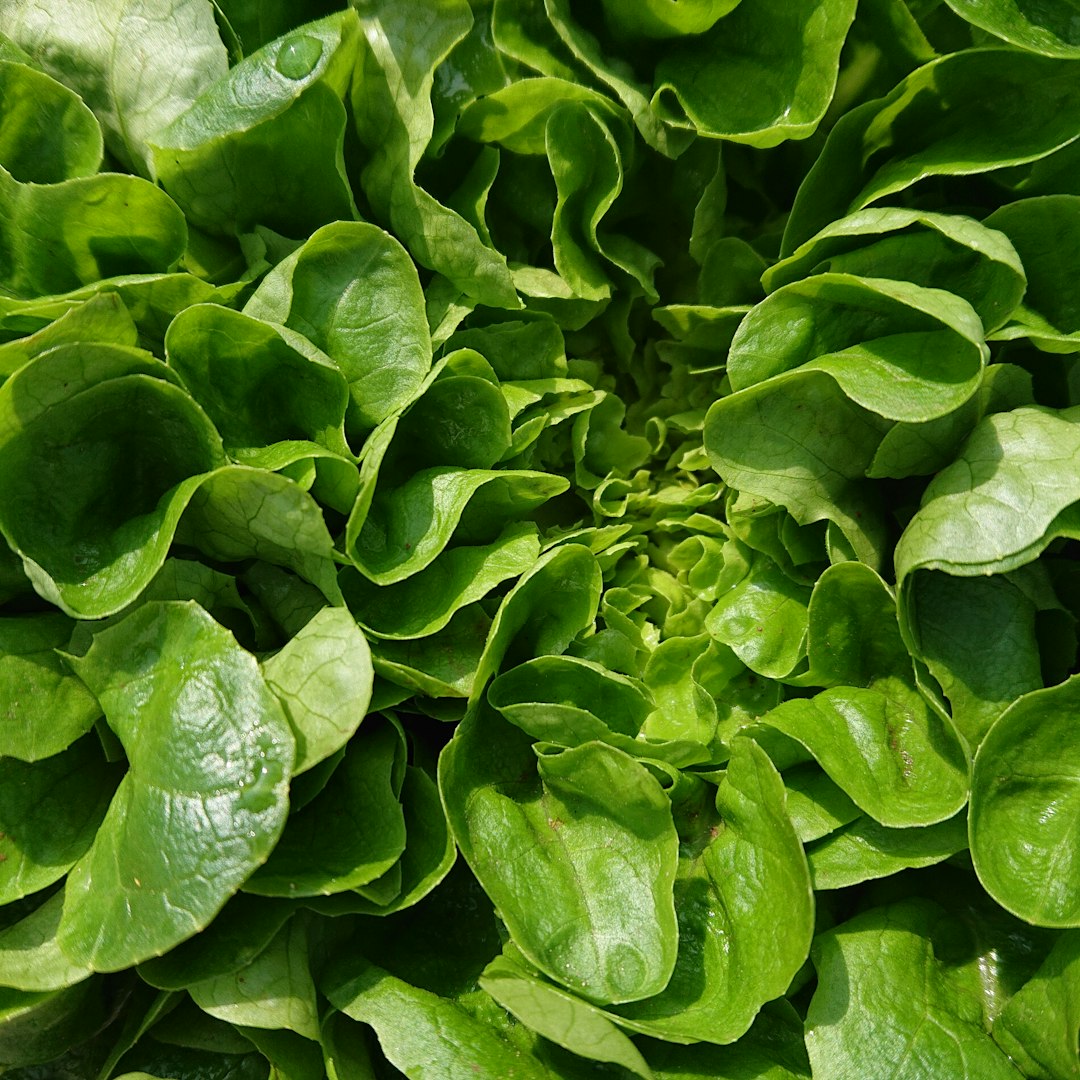
Indigo has been the most reliable radicchio in both our hot- and cool-weather trials. It is remarkably sure-heading, very tolerant to tipburn, and resistant to bottom rot. The firm, 4-5" diameter heads are a nice burgundy color with good flavor. For spring, summer, and fall production. Also available with NOP-compliant pelleting.
Harvest
65d
Days to harvest
Sun
Full sun
Zones
3–8
USDA hardiness
Height
3-4 feet
Planting Timeline
Showing dates for Indigo in USDA Zone 7
All Zone 7 lettuce →Zone Map
Click a state to update dates
Indigo · Zones 3–8
Growing Details
Succession Planting
Direct sow every 14–21 days starting March 1 in zone 7, and keep going through early May. Once daytime highs are consistently hitting 80°F, quality drops fast — heads bolt, turn bitter, and tipburn worsens even on a tolerant variety like Indigo. That midsummer gap is real; don't fight it. Pick back up with a fall succession starting in late August, sowing through late September for harvest into November per the planting calendar.
For each sowing, thin to 18 inches between plants once seedlings hit 2 inches tall. Crowded plants cut airflow at the base, and bottom rot pressure climbs even on a resistant variety when air can't move through.
Complete Growing Guide
Indigo has been the most reliable radicchio in both our hot- and cool-weather trials. It is remarkably sure-heading, very tolerant to tipburn, and resistant to bottom rot. The firm, 4-5" diameter heads are a nice burgundy color with good flavor. For spring, summer, and fall production. Also available with NOP-compliant pelleting. According to Johnny's Selected Seeds, Indigo is 65 days to maturity, annual, hybrid (f1).
Light: Full sun (6 or more hours of direct sunlight a day). Soil: Clay, High Organic Matter, Loam (Silt), Sand, Shallow Rocky. Soil pH: Alkaline (>8.0), Neutral (6.0-8.0). Drainage: Good Drainage, Moist, Occasionally Dry. Height: 3 ft. 0 in. - 4 ft. 0 in.. Spread: 1 ft. 6 in. - 2 ft. 0 in.. Spacing: 12 inches-3 feet. Growth rate: Rapid. Maintenance: High, Medium. Propagation: Seed. Regions: Coastal, Mountains, Piedmont.
Harvesting
Indigo reaches harvest at 65 days from sowing per Johnny's Selected Seeds. Expect 4-5" at peak. As an annual, harvest continues until frost ends the season.
Brown oblong and 5-ribbed achene with blunt ends. The wider end has a bristles across the top.
Color: Brown/Copper, Cream/Tan. Type: Achene.
Edibility: Leaves can be used in salads or cooked to reduce bitter flavor. Roots can be dried and used as a coffee substitute.
Storage & Preservation
Harvest Indigo chicory heads at 65 days and store immediately in the refrigerator at 32–40°F with 95% humidity, ideally in perforated plastic bags or a crisper drawer. Fresh heads keep for 2–3 weeks under these conditions. For longer preservation, blanch whole heads for 3 minutes, cool in ice water, then freeze in airtight containers for up to 8 months. Alternatively, slice and dry the leaves at 95–115°F until brittle for tea or culinary use. Fermentation works well with shredded Indigo; pack tightly with 2% salt by weight and allow 1–2 weeks at cool room temperature for a tangy preserved product. Indigo's distinctive slightly bitter, nutty flavor intensifies when dried, making it particularly suited to herbal infusions rather than fresh consumption alone.
History & Origin
Indigo is an F1 hybrid developed through controlled cross-pollination. Listed in the Johnny's Selected Seeds catalog.
Origin: Europe
Advantages
- +Remarkably reliable heading in both hot and cool weather conditions
- +Very tolerant to tipburn, reducing crop loss from physiological disorders
- +Resistant to bottom rot, a common radicchio disease problem
- +Firm 4-5 inch heads with attractive burgundy color and good flavor
- +Suitable for spring, summer, and fall production cycles
Considerations
- -65-day maturity is relatively long compared to some lettuce varieties
- -Requires consistent moisture and soil quality for optimal head formation
- -NOP pelleting option adds cost for organic growers
Companion Plants
Radishes and carrots are worth planting close to Indigo because they work at different soil depths — radishes break up the top 6 inches while carrots push deeper, so neither is pulling from the same moisture zone as your lettuce roots. Tagetes patula marigolds deter aphids and whiteflies through root exudates; at 6–8 inches tall they also don't shade out a low-growing lettuce bed. Nasturtiums function as a trap crop, pulling aphid pressure away from the lettuce itself — and in a CSA bed where you want visual variety, they pull double duty without adding any management overhead.
Broccoli belongs elsewhere in the rotation. It's a heavy nitrogen feeder in the same top 12 inches of soil, and brassica plantings tend to carry cabbage worm populations that will cross over to lettuce without much hesitation. Sunflowers release allelopathic compounds through their root zone and dropped debris that suppress nearby seedlings — 3 feet of clearance is the minimum, and more is better if you're direct-sowing lettuce in the same bed.
Plant Together
Radishes
Quick-growing radishes help break up soil and can be harvested before lettuce needs space
Marigolds
Repel nematodes, aphids, and other pests that commonly attack lettuce
Spinach
Similar growing requirements and shallow roots make them compatible garden neighbors
Garlic
Natural fungicide properties help prevent lettuce diseases and repel soft-bodied pests
Nasturtiums
Act as trap crop for aphids and cucumber beetles while attracting beneficial insects
Dill
Attracts beneficial insects like ladybugs that prey on lettuce pests
Chives
Repels aphids and improves lettuce flavor while providing natural pest deterrent
Carrots
Deep roots don't compete with shallow lettuce roots, and carrots help loosen soil
Keep Apart
Broccoli
Large leaves create excessive shade and compete for nutrients, stunting lettuce growth
Sunflowers
Allelopathic compounds inhibit lettuce germination and growth
Parsley
Can attract similar pests and may compete for nutrients in the same soil layer
Nutrition Facts
Per 100g serving. % Daily Value based on 2,000 calorie diet. Source: USDA FoodData Central (FDC #2346388)
Pests & Disease Resistance
Common Pests
Aphids, flea beetles, slugs, cabbage worms
Diseases
Bottom rot (resistant variety), tipburn (highly tolerant)
Troubleshooting Indigo
What you'll see, why it happens, and what to do about it.
Seedlings collapsing at the soil line within the first 7–10 days after germination, sometimes with fuzzy white mold on the soil surface nearby
Likely Causes
- Damping off — typically Pythium or Rhizoctonia solani — a fungal disease that thrives in cold, waterlogged soil
- Overwatering or poorly draining soil keeping the root zone saturated
What to Do
- 1.Don't reuse the same bed for lettuce seedlings three years running without amending drainage — NC State Extension's IPM guidance points to prior-year disease pressure building up exactly this way
- 2.Water in the morning so the surface dries before nightfall, and back off frequency until seedlings have 2–3 true leaves
- 3.If the problem recurs, start seeds in fresh sterile potting mix rather than direct-sowing into a bed with known disease history
Ragged, irregular holes in outer leaves, mostly on young plants, with no insect visible during the day
Likely Causes
- Slugs feeding at night or on overcast days — common in beds with heavy mulch or after prolonged wet weather
- Flea beetles — tiny, jumping beetles that leave small round holes and are active in warm, dry spells
What to Do
- 1.For slugs: scatter iron phosphate bait (Sluggo or equivalent) around the base of plants at dusk; reapply after rain
- 2.For flea beetles: cover transplants with floating row cover immediately at planting; remove only when plants are well established
- 3.Pull back mulch to 2 inches or less in beds where slug pressure runs high — they hide under it during the day
Outer leaves puckered or distorted, with small soft-bodied insects clustered on the undersides, especially near the growing tip
Likely Causes
- Aphids — often Nasonovia ribisnigri (lettuce root aphid) or Myzus persicae (green peach aphid) — reproduce fast in warm weather above 70°F
What to Do
- 1.Knock aphids off with a firm stream of water; repeat every 2–3 days until populations drop
- 2.Chives or garlic planted 12–18 inches away emit sulfur compounds that disrupt aphid host-finding — worth having in the bed regardless
- 3.If infestation is heavy, spray insecticidal soap directly on colonies in the early morning; avoid midday application, which can burn foliage
Leaf margins turning brown and papery on inner or wrapper leaves, no sign of insects or rot, usually showing up as heads approach maturity
Likely Causes
- Tipburn — a calcium distribution failure in the leaf margins driven by poor internal water movement, not a soil calcium shortage
- Irregular watering or heat spikes above 80°F pushing top growth faster than the plant can translocate calcium to new tissue
What to Do
- 1.Indigo is listed as highly tolerant of tipburn, so if you're seeing it badly, audit your watering schedule first — inconsistent moisture is the usual driver
- 2.Drip irrigation delivering 1 inch per week beats overhead watering every few days for keeping soil moisture even
- 3.Harvest at 65 days rather than letting heads sit in summer heat — delay accelerates the symptom fast
Frequently Asked Questions
How long does Indigo lettuce take to harvest?▼
Is Indigo lettuce good for beginners?▼
Can you grow Indigo lettuce in containers?▼
When should I plant Indigo lettuce?▼
What does Indigo lettuce taste like?▼
Why is Indigo resistant to tipburn?▼
Zone-by-Zone Planting Calendar
| Zone | Indoor Start | Transplant | Direct Sow | Harvest |
|---|---|---|---|---|
| Zone 3 | — | — | May – June | July – October |
| Zone 4 | — | — | April – June | June – October |
| Zone 5 | — | — | April – May | June – November |
| Zone 6 | — | — | April – May | June – November |
| Zone 7 | — | — | March – May | May – November |
| Zone 8 | — | — | March – April | May – December |
| Zone 9 | — | — | February – March | April – December |
| Zone 10 | — | — | January – March | March – December |
| Zone 1 | — | — | June – July | August – September |
| Zone 2 | — | — | May – July | July – September |
| Zone 11 | — | — | January – February | February – December |
| Zone 12 | — | — | January – February | February – December |
| Zone 13 | — | — | January – February | February – December |
Growing Guides from Wind River Greens
Sources & References
External authority sources used in compiling this guide.
- BreederJohnny's Selected Seeds
- USDAUSDA FoodData Central
See the Methodology page for how this data is sourced, what's AI-assisted, and known limitations.