Leonardo
Cichorium intybus
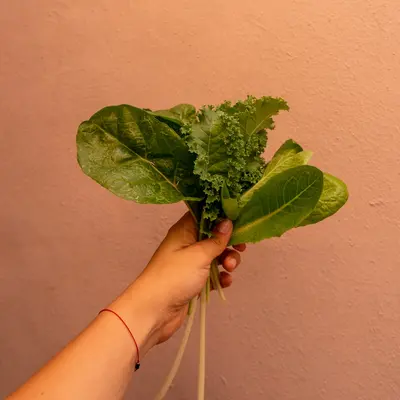
Chioggia type chicory with dense, 4-5" diameter heads. The flavor and bright purple color are both enhanced in the cooler fall weather. High bolt tolerance. Also available in organic seed.
Harvest
65d
Days to harvest
Sun
Full sun
Zones
3–8
USDA hardiness
Height
3-4 feet
Planting Timeline
Showing dates for Leonardo in USDA Zone 7
All Zone 7 lettuce →Zone Map
Click a state to update dates
Leonardo · Zones 3–8
Growing Details
Succession Planting
Direct sow Leonardo every 14–21 days starting March 1 in zone 7, and keep going through late April. Once daytime highs are consistently hitting 80°F, lettuce bolts fast — Leonardo is a hybrid with decent heat tolerance, but it's not a summer lettuce. Stop succession sowings by early May and pick back up in late August for a fall run through October. The planting calendar puts harvest running all the way to November, which is achievable if you start fall successions around weeks 34–36.
For the fall window, sow every 2 weeks from August 15 through mid-September. Germination slows below 40°F, so if you're pushing into October starts, pre-chill seeds in a damp paper towel in the fridge for 24 hours before sowing — it helps break heat-induced dormancy that can linger even as temperatures cool.
Complete Growing Guide
Chioggia type chicory with dense, 4-5" diameter heads. The flavor and bright purple color are both enhanced in the cooler fall weather. High bolt tolerance. Also available in organic seed. According to Johnny's Selected Seeds, Leonardo is 65 days to maturity, hybrid (f1).
Light: Full sun (6 or more hours of direct sunlight a day). Soil: Clay, High Organic Matter, Loam (Silt), Sand, Shallow Rocky. Soil pH: Alkaline (>8.0), Neutral (6.0-8.0). Drainage: Good Drainage, Moist, Occasionally Dry. Height: 3 ft. 0 in. - 4 ft. 0 in.. Spread: 1 ft. 6 in. - 2 ft. 0 in.. Spacing: 12 inches-3 feet. Growth rate: Rapid. Maintenance: High, Medium. Propagation: Seed. Regions: Coastal, Mountains, Piedmont.
Harvesting
Leonardo reaches harvest at 65 days from sowing per Johnny's Selected Seeds. Expect 4-5" at peak.
Brown oblong and 5-ribbed achene with blunt ends. The wider end has a bristles across the top.
Color: Brown/Copper, Cream/Tan. Type: Achene.
Edibility: Leaves can be used in salads or cooked to reduce bitter flavor. Roots can be dried and used as a coffee substitute.
Storage & Preservation
Leonardo lettuce keeps best when harvested in early morning after dew dries and stored immediately at 32–35°F with 95% humidity in perforated plastic bags or breathable containers. Proper cold storage extends shelf life to 10–14 days, though peak crispness holds for about a week. For longer preservation, blanch whole heads briefly in boiling water for 2–3 minutes, then freeze in airtight containers or vacuum-sealed bags for up to 8 months. Dried lettuce retains minimal culinary value but works in powdered soups or broths. Fermentation is not recommended for this variety, as the delicate leaves break down quickly. Leonardo's relatively tight head structure means the inner leaves stay protected from moisture loss better than loose-leaf varieties—don't remove outer leaves until serving, as they act as natural insulation during storage.
History & Origin
Leonardo is an F1 hybrid developed through controlled cross-pollination. Listed in the Johnny's Selected Seeds catalog.
Origin: Europe
Advantages
- +Dense 4-5 inch heads provide substantial harvests from minimal space
- +Striking purple color adds visual appeal and nutritional anthocyanins to salads
- +High bolt tolerance extends harvest window into warm summer months
- +Fall flavor improvement makes late-season planting especially rewarding
- +Easy cultivation makes Leonardo suitable for beginning gardeners
Considerations
- -Chicory's bitter taste may deter palates accustomed to mild lettuces
- -Requires consistent moisture to prevent excessive bitterness and premature bolting
- -Cool weather preference limits spring and summer production options
Companion Plants
Radishes and carrots are the most practical companions for Leonardo. Radishes germinate in 5–7 days and mark your rows while emitting volatile compounds that confuse flea beetles — useful since flea beetles are one of the bigger threats to young lettuce. Carrots share the bed without competing much for water or root space, and their fine, upright foliage doesn't shade out a low-growing lettuce canopy. Marigolds (Tagetes spp.) at the bed edges add some aphid-deterrent effect from their limonene and linalool emissions, though the evidence there is modest. Chives and garlic work on a similar principle — allium sulfur compounds disrupt aphid host-finding — and neither crowds a lettuce planting.
Fennel produces allelopathic root exudates that suppress germination and growth in most vegetables, and lettuce is no exception; give it its own isolated spot at least 3 feet from any bed edge. Broccoli is a problem for a different reason: it's a heavy nitrogen feeder, and planted close to Leonardo it will strip that resource from the soil before your lettuce has a chance to size up, leaving it pale and slow to head.
Plant Together
Basil
Repels aphids and whiteflies, may improve flavor
Chives
Deters aphids and other soft-bodied insects with strong scent
Carrots
Deep roots don't compete with shallow lettuce roots, maximizes space
Radishes
Quick-growing, helps break up soil and deters flea beetles
Marigolds
Repels nematodes and aphids, attracts beneficial insects
Spinach
Similar growing requirements, efficient use of garden space
Garlic
Natural pest deterrent, repels aphids and slugs
Nasturtiums
Acts as trap crop for aphids and cucumber beetles
Parsley
Attracts beneficial insects and doesn't compete for space
Keep Apart
Broccoli
Large leaves create too much shade, competes for nutrients
Fennel
Inhibits growth of most garden plants through allelopathy
Nutrition Facts
Per 100g serving. % Daily Value based on 2,000 calorie diet. Source: USDA FoodData Central (FDC #2346388)
Pests & Disease Resistance
Common Pests
Aphids, slugs, flea beetles
Diseases
Downy mildew, root rot in poorly drained soil
Troubleshooting Leonardo
What you'll see, why it happens, and what to do about it.
Seedlings collapse at soil level within the first 7–10 days after planting — stem looks pinched or rotted at the base
Likely Causes
- Damping off — a fungal complex (commonly Pythium or Rhizoctonia) that thrives in cold, waterlogged soil
- Replanting in the same raised bed where lettuce has grown for 2–3 consecutive years, allowing pathogen buildup
What to Do
- 1.Pull and discard the dead seedlings — don't compost them
- 2.Let the bed surface dry out between waterings; damping off accelerates in constantly wet soil
- 3.Rotate lettuce out of that bed for at least one season; NC State's organic IPM guidance specifically flags repeated same-bed planting as a risk factor for seedling disease
Gray-white fuzzy coating on the undersides of leaves, with yellow patches on the upper surface
Likely Causes
- Downy mildew (Bremia lactucae) — favored by cool nights below 65°F and high humidity
- Dense planting at less than 8 inches apart that traps moisture around the canopy
What to Do
- 1.Remove and bag affected leaves immediately — spores spread fast in wet conditions
- 2.Space Leonardo at the full 12 inches if your beds stay humid, and switch to drip irrigation or water at the base rather than overhead in the evening
- 3.If pressure is heavy, apply a copper-based fungicide per label; it won't cure infected tissue but slows spread to healthy leaves
Leaves peppered with tiny irregular holes, seedlings look ragged within days of transplanting or germination
Likely Causes
- Flea beetles (Phyllotreta spp.) — small, jumping beetles that feed aggressively on young transplants
- Transplants set out without row cover during peak flea beetle season (late spring through summer)
What to Do
- 1.Cover new transplants immediately with floating row cover (Agribon-15 or similar) and seal the edges — flea beetles will find any gap
- 2.Once plants reach 4–5 inches tall and the canopy fills in, pressure typically drops to tolerable levels
- 3.Diatomaceous earth dusted around the base of plants can reduce adults, but row cover is the more reliable tool
Frequently Asked Questions
How long does Leonardo lettuce take to harvest?▼
Is Leonardo lettuce good for beginners?▼
Can I grow Leonardo lettuce in containers?▼
What does Leonardo lettuce taste like?▼
When is the best time to plant Leonardo lettuce?▼
How much space does Leonardo lettuce need between plants?▼
Zone-by-Zone Planting Calendar
| Zone | Indoor Start | Transplant | Direct Sow | Harvest |
|---|---|---|---|---|
| Zone 1 | — | — | June – July | August – September |
| Zone 2 | — | — | May – July | July – September |
| Zone 11 | — | — | January – February | February – December |
| Zone 12 | — | — | January – February | February – December |
| Zone 13 | — | — | January – February | February – December |
| Zone 3 | — | — | May – June | July – October |
| Zone 4 | — | — | April – June | June – October |
| Zone 5 | — | — | April – May | June – November |
| Zone 6 | — | — | April – May | June – November |
| Zone 7 | — | — | March – May | May – November |
| Zone 8 | — | — | March – April | May – December |
| Zone 9 | — | — | February – March | April – December |
| Zone 10 | — | — | January – March | March – December |
Growing Guides from Wind River Greens
Sources & References
External authority sources used in compiling this guide.
- BreederJohnny's Selected Seeds
- USDAUSDA FoodData Central
See the Methodology page for how this data is sourced, what's AI-assisted, and known limitations.