Stella Rosa
Cichorium intybus
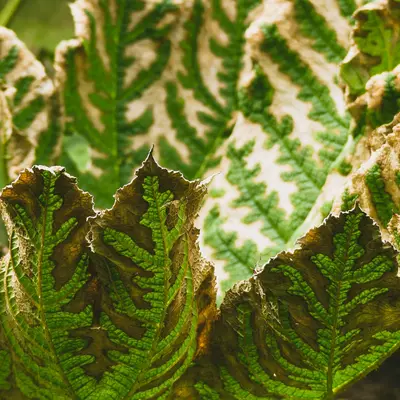
Gorgeous range of pink shades with distinct white ribs. An improved pink variety: more marketable heads; thicker leaves with heavier savoy; brighter pink colors; enhanced tipburn and bolting tolerance. Great paired with Luna Rossa. Notes: Expose plants to short days/cold weather to achieve pink color expression. Planting too early risks loose, non-pink heads. Transplant in early/mid August in Maine, later in mild eastern regions.
Harvest
115d
Days to harvest
Sun
Full sun
Zones
3–8
USDA hardiness
Height
3-4 feet
Planting Timeline
Showing dates for Stella Rosa in USDA Zone 7
All Zone 7 lettuce →Zone Map
Click a state to update dates
Stella Rosa · Zones 3–8
Growing Details
Succession Planting
Direct sow Stella Rosa every 3 weeks from March through early May in zone 7. This is a 115-day chicory grown for a full head — you're not harvesting baby leaves — so each sowing needs to run to completion. A mid-April sowing puts harvest around late August; a May 1 sowing lands in early September. Don't push past early May or you'll be asking the plant to head up through peak summer heat, which adds stress even given its good bolt resistance.
That same bolt resistance makes a fall window worth attempting. A late-July or early-August direct sow in zone 7 can yield a November harvest before the first hard freeze (28°F or below). Keep the bed consistently moist during germination; soil temperatures above 75°F will stretch the standard 7–10-day germination window noticeably, so don't assume failure too early.
Complete Growing Guide
Gorgeous range of pink shades with distinct white ribs. An improved pink variety: more marketable heads; thicker leaves with heavier savoy; brighter pink colors; enhanced tipburn and bolting tolerance. Great paired with Luna Rossa. Notes: Expose plants to short days/cold weather to achieve pink color expression. Planting too early risks loose, non-pink heads. Transplant in early/mid August in Maine, later in mild eastern regions. According to Johnny's Selected Seeds, Stella Rosa is 115 days to maturity, open pollinated. Notable features: Cold Tolerant.
Light: Full sun (6 or more hours of direct sunlight a day). Soil: Clay, High Organic Matter, Loam (Silt), Sand, Shallow Rocky. Soil pH: Alkaline (>8.0), Neutral (6.0-8.0). Drainage: Good Drainage, Moist, Occasionally Dry. Height: 3 ft. 0 in. - 4 ft. 0 in.. Spread: 1 ft. 6 in. - 2 ft. 0 in.. Spacing: 12 inches-3 feet. Growth rate: Rapid. Maintenance: High, Medium. Propagation: Seed. Regions: Coastal, Mountains, Piedmont.
Harvesting
Stella Rosa reaches harvest at 115 days from sowing per Johnny's Selected Seeds.
Brown oblong and 5-ribbed achene with blunt ends. The wider end has a bristles across the top.
Color: Brown/Copper, Cream/Tan. Type: Achene.
Edibility: Leaves can be used in salads or cooked to reduce bitter flavor. Roots can be dried and used as a coffee substitute.
Storage & Preservation
Harvest Stella Rosa heads at full maturity (around 115 days) and store immediately at 32–36°F with 95% humidity in perforated plastic bags. A crisper drawer or root cellar works well. Fresh heads keep 2–3 weeks under proper conditions, though quality declines after 10 days.
For preservation, blanch and freeze leaves for soups and cooked dishes—raw freezing results in poor texture. Drying is less rewarding due to the tender leaf structure. Light fermentation (3–5 days in 2–3% brine) preserves the bitter-sweet character and improves digestibility. Some gardeners pickle young inner leaves in vinegar brine for a crisp condiment.
Stella Rosa's slightly bitter, Belgian endive-like flavor intensifies when blanched during growth, which also extends storage life slightly by reducing respiration rates.
History & Origin
Stella Rosa is open-pollinated, meaning seed saved from healthy plants will produce true-to-type offspring. Listed in the Johnny's Selected Seeds catalog.
Origin: Europe
Advantages
- +Stunning pink coloring with white ribs creates visually marketable, appealing heads
- +Thicker leaves with enhanced savory texture improve eating quality and appeal
- +Improved tipburn and bolting tolerance makes growing more reliable and forgiving
- +Pairs excellently with Luna Rossa for attractive mixed radicchio plantings
Considerations
- -Requires specific cold/short-day exposure to develop pink color properly
- -Early planting results in loose heads without desired pink coloration
- -Precise August transplant timing critical; mistakes waste season and effort
Companion Plants
Chives and garlic both do useful work near Stella Rosa — their sulfur compounds interfere with the host-finding behavior of aphids and leafhoppers, and both stay under 18 inches so they won't shade out a plant that can reach 3 to 4 feet at maturity. Marigolds (Tagetes patula specifically) earn a spot at bed edges for a different reason: there's solid documented evidence of their role in suppressing root-knot nematodes (Meloidogyne spp.) in the top 6 inches of soil. Radishes are worth tucking in as a quick intercrop — they're out of the ground in 25–30 days, well before Stella Rosa fills in, and their taproots break up compaction that shallow-rooted companions would struggle with.
Brassicas like broccoli are a harder conflict than people expect — as they decompose, they release glucosinolate breakdown compounds that can inhibit germination and stunt nearby crops. Sunflowers produce allelopathic compounds from both their roots and their decomposing leaf litter that have been shown to suppress several broadleaf vegetables; give them at least 3 feet of clearance from this bed.
Plant Together
Chives
Repels aphids and improves lettuce flavor while taking minimal space
Carrots
Deep roots don't compete with shallow lettuce roots, helps loosen soil
Radishes
Quick-growing, helps break up soil and can be harvested before lettuce needs space
Marigolds
Repels nematodes, aphids, and other pests that damage lettuce
Spinach
Similar growing requirements and can provide partial shade in hot weather
Garlic
Natural pest deterrent, repels aphids and slugs that commonly attack lettuce
Nasturtiums
Trap crop for aphids and cucumber beetles, attracts beneficial insects
Dill
Attracts beneficial insects like ladybugs that control lettuce pests
Keep Apart
Broccoli
Heavy feeder that competes for nutrients and can shade out lettuce
Sunflowers
Allelopathic compounds inhibit lettuce germination and growth
Celery
Competes for similar nutrients and space, both prefer cool moist conditions
Nutrition Facts
Per 100g serving. % Daily Value based on 2,000 calorie diet. Source: USDA FoodData Central (FDC #2346388)
Pests & Disease Resistance
Common Pests
Slugs, aphids, leaf hoppers
Diseases
Bolting (excellent resistance), tipburn (excellent resistance), downy mildew, gray mold in high humidity
Troubleshooting Stella Rosa
What you'll see, why it happens, and what to do about it.
Seedlings collapsing at soil level within the first 1–2 weeks after transplanting, sometimes with fuzzy white growth on the soil surface nearby
Likely Causes
- Damping off — most commonly Pythium spp. or Rhizoctonia solani — soil-borne pathogens that thrive in cold, wet, poorly-drained beds
- Replanting the same bed with lettuce or chicory for 3+ consecutive years, which allows pathogen populations to build up
What to Do
- 1.Hold off watering until the top inch of soil is dry — overwatering is the fastest way to trigger damping off in young transplants
- 2.Pull the dead seedlings out completely and discard them in the trash, not the compost pile; leave the soil exposed to dry before replanting
- 3.Rotate this bed out of chicory and lettuce for at least one full season, and work in compost to improve drainage before the next planting
Irregular tan-to-brown rot on lower leaves or stems where they contact the soil, with fluffy white fungal growth and small black pellets roughly the size of mouse droppings
Likely Causes
- Sclerotinia drop (Sclerotinia sclerotiorum) — the black pellets are sclerotia, the fungus's overwintering structures, which can persist in soil for years
- Dense planting under 8 inches apart combined with overhead irrigation, keeping the crown wet for extended periods
What to Do
- 1.Remove and bag affected plants immediately — the sclerotia will fall into the soil if you're careless pulling them out
- 2.Switch to drip irrigation or water at the base only; keeping the canopy dry cuts transmission significantly
- 3.Space plants a full 10 inches apart so air can move through at crown level
Ragged holes chewed in outer leaves at or near soil level, damage worst after rain or irrigation, no insects visible during the day
Likely Causes
- Slugs — they feed at night and retreat under debris or soil clods by morning
- Aphid colonies on inner leaves or under leaf bases, sometimes accompanied by sticky honeydew residue and distorted new growth
What to Do
- 1.Set out iron phosphate bait (Sluggo is one widely available brand) near the base of plants in the evening — safer around edibles than metaldehyde-based baits
- 2.Pull back any mulch to at least 3 inches from the stem; slugs rely on that cover to shelter through the day
- 3.For aphids, blast the undersides of leaves with a firm stream of water three mornings in a row; follow up with insecticidal soap if colonies persist above 10–15 individuals per leaf
Frequently Asked Questions
When should I plant Stella Rosa lettuce?▼
How long does Stella Rosa lettuce take to grow?▼
Why isn't my Stella Rosa pink? It's just green.▼
Can you grow Stella Rosa lettuce in containers?▼
Is Stella Rosa lettuce good for beginners?▼
Stella Rosa vs Luna Rossa—what's the difference?▼
Zone-by-Zone Planting Calendar
| Zone | Indoor Start | Transplant | Direct Sow | Harvest |
|---|---|---|---|---|
| Zone 1 | — | — | June – July | September – September |
| Zone 2 | — | — | May – July | September – September |
| Zone 11 | — | — | January – February | April – December |
| Zone 12 | — | — | January – February | April – December |
| Zone 13 | — | — | January – February | April – December |
| Zone 3 | — | — | May – June | August – October |
| Zone 4 | — | — | April – June | August – October |
| Zone 5 | — | — | April – May | August – November |
| Zone 6 | — | — | April – May | July – November |
| Zone 7 | — | — | March – May | July – November |
| Zone 8 | — | — | March – April | June – December |
| Zone 9 | — | — | February – March | May – December |
| Zone 10 | — | — | January – March | May – December |
Growing Guides from Wind River Greens
Sources & References
External authority sources used in compiling this guide.
- BreederJohnny's Selected Seeds
- USDAUSDA FoodData Central
See the Methodology page for how this data is sourced, what's AI-assisted, and known limitations.